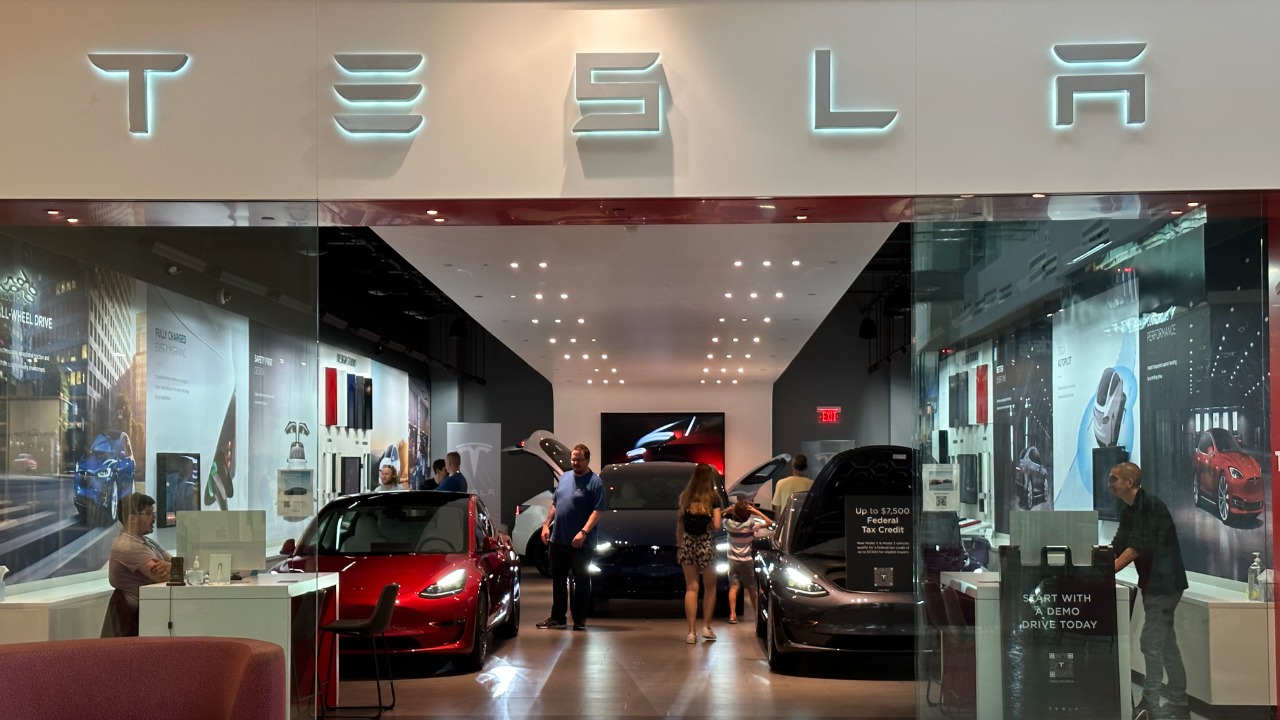

As Tesla continues to push the boundaries of electric vehicle technology, the question arises: is the company finally addressing its design issues? This query becomes even more pertinent when we consider recent developments and draw comparisons with other tech giants, such as Apple, which has also faced design flaws with its iPhone 17.
Historical Context of Tesla’s Design Fails
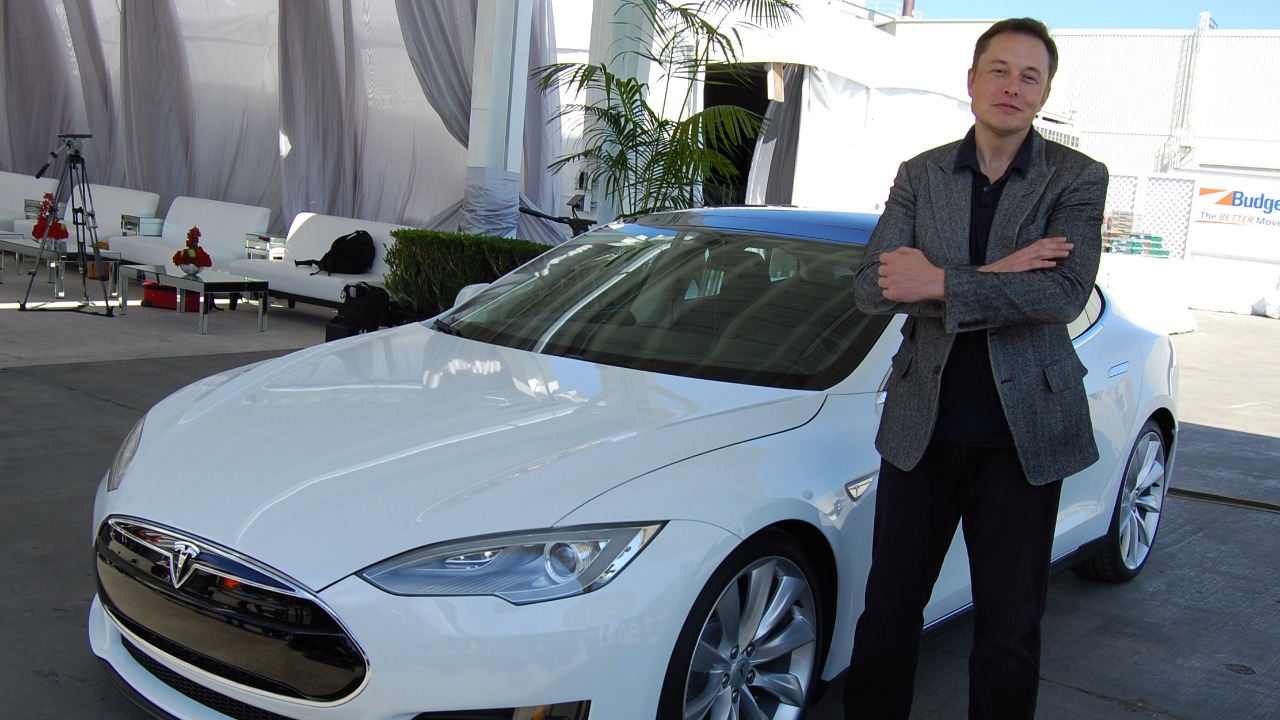
Tesla, under the leadership of Elon Musk, has been a trailblazer in the electric vehicle industry. However, the company has not been immune to design failures. These missteps have ranged from minor aesthetic issues to more serious functional problems, impacting both the reputation and sales of the company. As reported by EVWorld, these design flaws have often been a point of criticism for Tesla, casting a shadow over its otherwise impressive technological advancements.
These design fails have not only affected the company’s image but also its bottom line. Consumers, while appreciative of Tesla’s innovative approach, have often been left frustrated by these design issues. This has, in some instances, led to a dip in sales and has put pressure on Tesla to rectify these issues.
Recent Developments in Tesla’s Design Approach

In response to these challenges, Tesla has made concerted efforts to address its design issues. As noted by Creative Bloq, the company has been proactive in identifying and rectifying these design flaws. This has involved both refining existing designs and introducing new design elements to enhance the overall user experience.
The effectiveness of these efforts is evident in Tesla’s recent models. The company has demonstrated a commitment to learning from its past mistakes and improving its design process. This has resulted in vehicles that not only perform exceptionally well but also offer a superior user experience, free from the design flaws that plagued earlier models.
According to Creative Bloq, Tesla’s design improvements are not just limited to the exterior aesthetics of the vehicles. The company has also made significant strides in enhancing the interior design, focusing on user comfort and convenience. This includes the introduction of more ergonomic seating, intuitive control panels, and a more streamlined dashboard design. These changes have been well-received by consumers, further validating Tesla’s efforts to rectify its design issues.
Moreover, Tesla’s commitment to design improvement extends to the manufacturing process as well. The company has implemented more rigorous quality control measures to ensure that design flaws are identified and addressed before the vehicles reach consumers. This proactive approach has been instrumental in reducing the occurrence of design flaws in recent models, contributing to the overall positive reception of Tesla’s latest offerings.
Comparisons with Other Tech Companies’ Design Fails

Design flaws are not unique to Tesla. Even tech giants like Apple have had their share of design issues. A notable example is the iPhone 17 design flaw, dubbed ‘scratch gate’, which was worse than initially thought, as reported by Creative Bloq. This issue, much like Tesla’s design fails, sparked widespread criticism and led to calls for Apple to address the problem.
How other tech companies handle their design flaws offers valuable lessons for Tesla. The key takeaway is the importance of acknowledging the issue, learning from it, and taking swift action to rectify it. This approach not only helps to restore consumer confidence but also drives innovation and improvement in product design.
Apple’s response to the ‘scratch gate’ issue with the iPhone 17, as highlighted by Creative Bloq, provides a useful comparison for Tesla. Apple’s swift acknowledgement of the problem and subsequent efforts to rectify it helped to mitigate the damage to the company’s reputation. This incident underscores the importance of transparency and responsiveness in dealing with design flaws, a lesson that Tesla seems to have taken to heart in its own design improvement efforts.
Furthermore, the comparison with Apple also highlights the role of consumer feedback in driving design improvements. Both companies have shown a willingness to listen to their customers and incorporate their feedback into their design processes. This customer-centric approach has been key to their ability to bounce back from design failures and continue to innovate in their respective industries.
Future Implications for Tesla
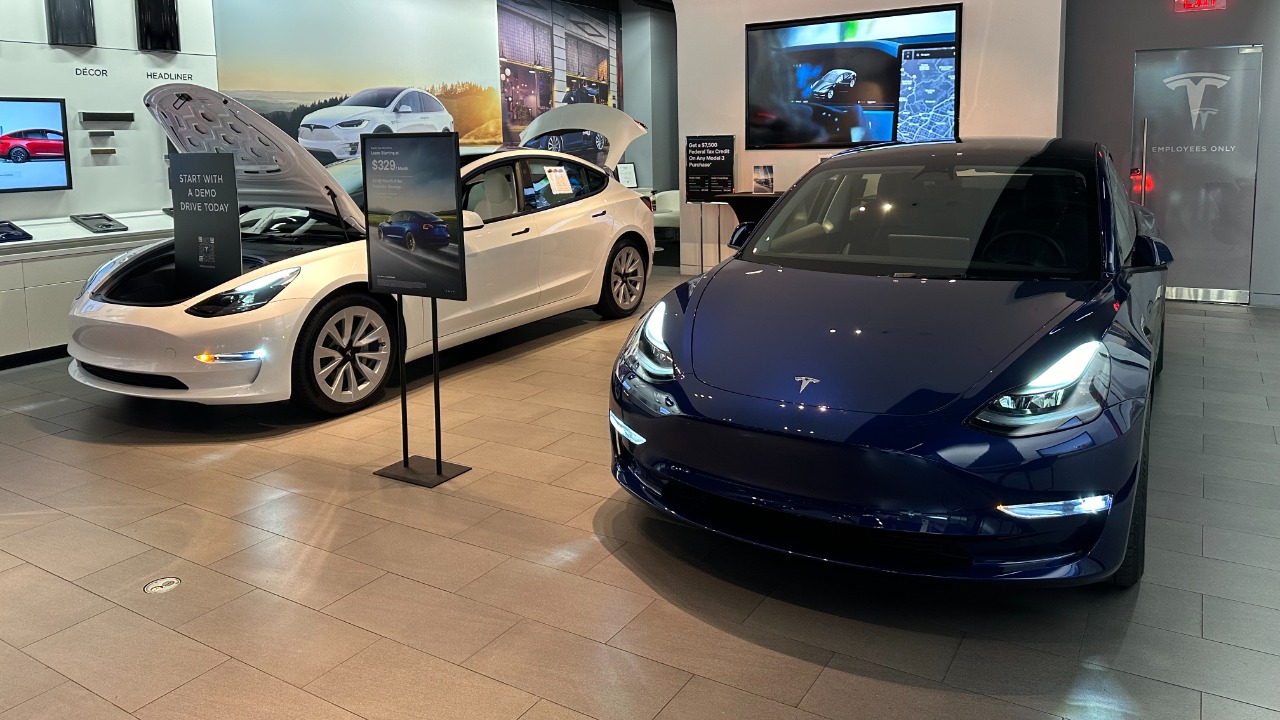
If Tesla continues on its current trajectory of improving its design process, the long-term impact could be significant. As EVWorld suggests, this could lead to a stronger brand reputation, increased sales, and a more dominant position in the electric vehicle market.
Looking ahead, we can expect to see further evolution in Tesla’s designs. If the company continues to learn from its past design fails and incorporates these lessons into its design process, we can anticipate vehicles that not only lead in terms of technology but also in design. This would truly cement Tesla’s position as a leader in the electric vehicle industry.
As EVWorld points out, Tesla’s ongoing efforts to improve its design process could have far-reaching implications for the company. By consistently delivering high-quality, flaw-free vehicles, Tesla could significantly enhance its brand image and customer loyalty. This, in turn, could lead to increased market share and profitability for the company.
Moreover, Tesla’s focus on design improvement could also spur innovation in the electric vehicle industry as a whole. As Tesla continues to raise the bar in terms of design quality, other companies in the industry may be compelled to follow suit, leading to overall improvements in the design and performance of electric vehicles. This could potentially accelerate the adoption of electric vehicles, contributing to a more sustainable future.
