
The rise of artificial intelligence (AI) is potentially shaping the evolution of software engineering, with developments such as vibe coding demonstrating a future where AI plays a significant role in software development. Moreover, AI is not only influencing the development process but also enhancing the security framework through paradigms like ANN-ISM.
Evolution of Software Engineering with AI

AI’s emergence in software engineering is transformative, offering a new approach to traditional development processes. AI has already been integrated into software engineering in various ways, from automating code generation to providing intelligent debugging solutions. The integration of AI in software engineering brings potential benefits such as increased efficiency and accuracy, but it also poses challenges, including the need for new skill sets and the ethical considerations of AI use in this field (The Verge).
As AI continues to evolve, it is expected to further revolutionize software engineering. Machine learning, a subset of AI, is already being used to predict software defects, thereby improving the quality of the software and reducing the time spent on debugging. AI can also assist in project management by predicting project outcomes based on historical data, which can help in better allocation of resources and risk management. However, the integration of AI in software engineering also raises questions about job displacement and the need for continuous learning and adaptation by software engineers. The ethical implications of AI use, such as bias in AI algorithms and the potential misuse of AI, are also areas of concern that need to be addressed as AI becomes more integrated into software engineering (The Verge).
Vibe Coding: A Glimpse into the Future

Vibe coding is an AI-driven software development process that could potentially change the landscape of software development. This innovative approach uses AI to understand and interpret the “vibe” or intent of the developer, translating it into functional code. The implications of vibe coding for software engineers and the broader tech industry are profound, as it could lead to a shift in the roles and responsibilities of software engineers, with AI taking on more of the coding process (InfoWorld).
Vibe coding is not just a theoretical concept but is already being implemented in various forms. For instance, AI-powered coding assistants are being used to help developers write code more efficiently by suggesting code snippets and detecting errors in real-time. These tools use AI to understand the context and intent of the developer, similar to how vibe coding is envisioned to work. However, the full realization of vibe coding would require significant advancements in AI technology and a shift in the way software development is currently done. It also raises questions about the role of human creativity and intuition in software development, as these are aspects that may be difficult for AI to replicate (InfoWorld).
AI and Cybersecurity in Software Development

AI is playing a crucial role in enhancing cybersecurity measures in software development. The ANN-ISM paradigm, an AI-driven cybersecurity framework, is one such example. This paradigm uses artificial neural networks (ANN) and information security management (ISM) to provide a robust security framework for software development. The potential benefits of AI-driven cybersecurity in software development include improved threat detection and response, but it also presents challenges such as the risk of AI exploitation by malicious actors (Nature).
AI’s role in cybersecurity extends beyond just threat detection and response. AI can also be used for predictive analysis, where it can identify patterns and trends in data to predict future cyber threats. This can help organizations to be proactive in their cybersecurity measures rather than reactive. AI can also assist in incident response by automating certain tasks, thereby reducing the response time and minimizing the impact of a cyber attack. However, the use of AI in cybersecurity also comes with its own set of challenges. For instance, there is the risk of AI systems being targeted by cyber attacks themselves, and the risk of false positives and negatives in AI-driven threat detection. There is also the issue of privacy and data protection, as AI systems often require access to large amounts of data to function effectively (Nature).
AI’s Impact on the Future of Software Engineering
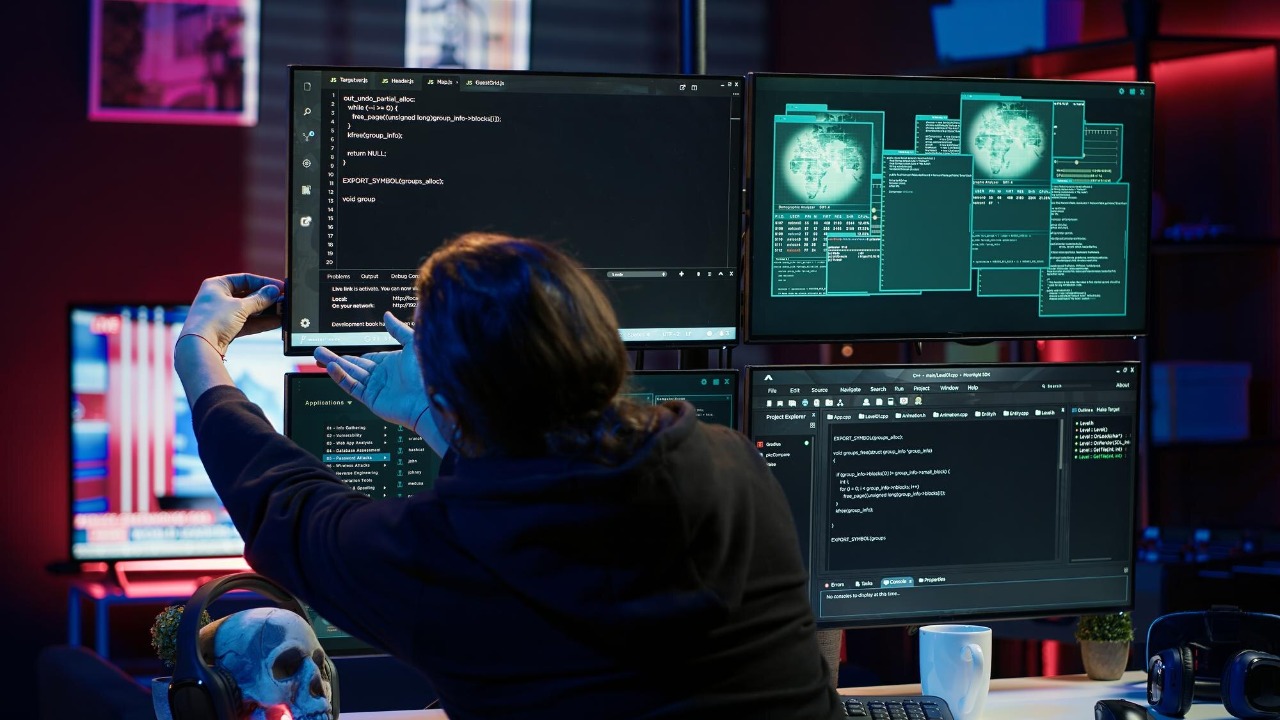
With AI becoming a major player, the future of software engineering could look significantly different. The roles and responsibilities of software engineers may shift, with AI taking on more of the coding and debugging tasks. This could lead to a greater focus on areas such as AI oversight, ethical considerations, and the development of AI tools. The industry may need to adapt to this AI-driven landscape, potentially leading to changes in education, training, and hiring practices (The Verge).
As AI takes on more of the coding and debugging tasks, software engineers may find themselves focusing more on higher-level tasks such as system design and architecture. This could lead to a shift in the skill sets required for software engineers, with a greater emphasis on understanding and working with AI. The role of software engineers may also evolve to include more oversight of AI systems, ensuring that they function as intended and adhere to ethical guidelines. The impact of AI on software engineering is not just limited to the technical aspects but also extends to the social and organizational aspects. For instance, organizations may need to rethink their hiring practices to attract talent with the necessary AI skills, and educational institutions may need to revise their curricula to prepare students for an AI-driven future in software engineering (The Verge).
