The recent technological advancement in hypersonic missiles by Russia has raised eyebrows across the globe, particularly in the United States. This development should also be a cause for concern for Iran, given the U.S.’s significant investment and development in this area of warfare.
Understanding Hypersonic Missiles
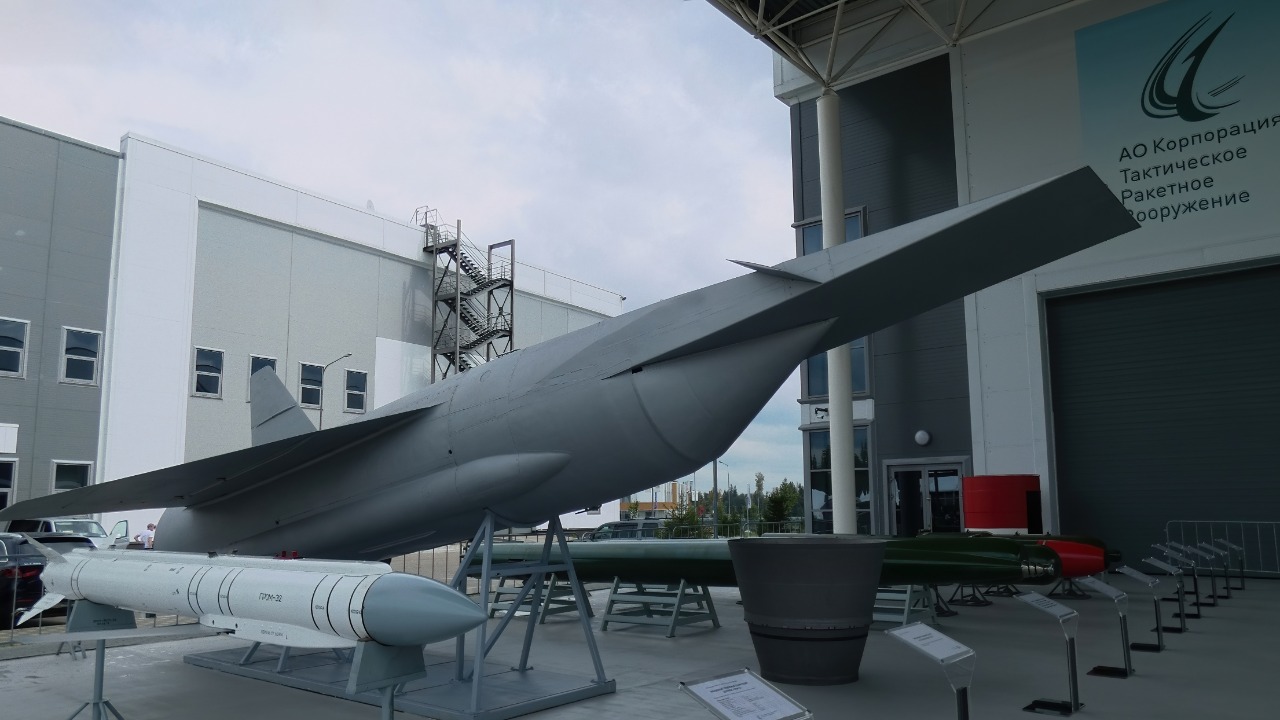
Hypersonic missiles are a new breed of weaponry that can travel at speeds greater than Mach 5, or five times the speed of sound. This speed, combined with their ability to maneuver mid-flight, makes them incredibly difficult to intercept. The technology behind these missiles has seen significant advancements in recent years, leading to their successful development and deployment.
One of the key players in this field is Russia, which has successfully developed hypersonic missiles. According to a report by Popular Mechanics, Russia’s breakthrough in this technology poses a direct threat to the United States, thereby escalating the arms race between the two superpowers.
As per Popular Mechanics, hypersonic missiles are not only fast but also unpredictable. Unlike traditional ballistic missiles that follow a predictable trajectory, hypersonic missiles can change direction mid-flight, making them extremely difficult to track and intercept. This unpredictability, coupled with their high speed, makes them a formidable weapon in modern warfare.
The development of hypersonic missiles is a complex and expensive process, involving advanced materials and propulsion systems. The missiles need to withstand extreme heat and pressure while maintaining their structural integrity and functionality. This has led to the use of advanced materials like titanium and carbon fiber composites in their construction. The propulsion systems used in these missiles are also cutting-edge, often involving scramjet technology that allows the missile to travel at hypersonic speeds.
The U.S.’s Investment in Hypersonic Missiles
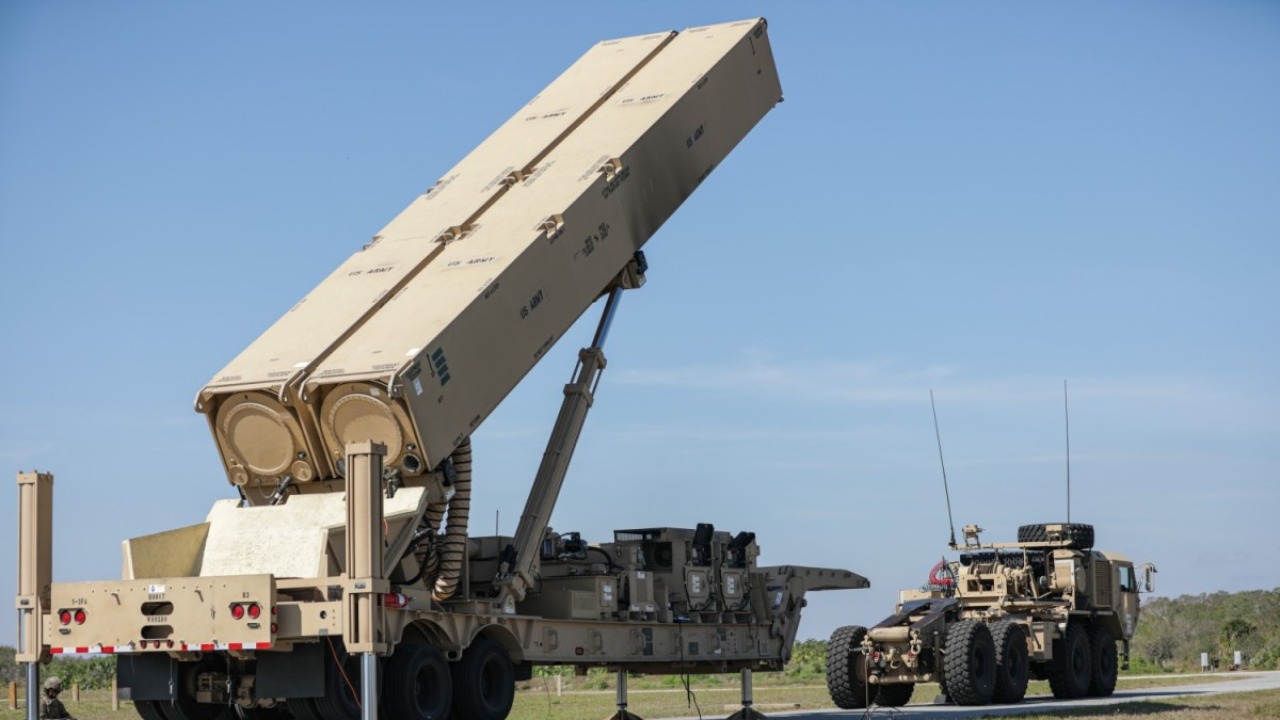
In response to Russia’s advancements, the United States has ramped up its investment and development in hypersonic missile technology. This is part of a broader strategy to maintain its military superiority and deter potential threats. The development of hypersonic missiles by the U.S. is not just a response to Russia’s advancements, but also a proactive measure to stay ahead in the global arms race.
The introduction of U.S. hypersonic missiles could significantly alter global military power dynamics. With the ability to strike targets anywhere in the world within minutes, these missiles could potentially redefine the concept of deterrence and force projection.
The U.S. Department of Defense has identified hypersonic weapons as a key area of focus in its modernization strategy. The Pentagon has allocated billions of dollars towards the research and development of these weapons, with several projects currently underway. This includes the development of both hypersonic glide vehicles, which are launched from a rocket before gliding to their target at hypersonic speeds, and hypersonic cruise missiles, which can maintain hypersonic speeds throughout their flight.
According to Popular Mechanics, the U.S. is also investing in the development of defense systems capable of intercepting hypersonic missiles. This includes the use of high-energy lasers and advanced radar systems that can detect and track these fast-moving targets. The U.S.’s investment in hypersonic technology is not just about offensive capabilities, but also about developing the necessary defenses to protect against potential hypersonic threats.
Why Iran Should be Concerned

The development of U.S. hypersonic missiles should be a cause for concern for Iran. Given the tense relations between the two countries, the deployment of such advanced weaponry by the U.S. could pose a significant threat to Iran’s security. Furthermore, Iran’s current defense capabilities may not be sufficient to intercept or counter these high-speed missiles.
The geopolitical implications for Iran are also significant. The U.S.’s advanced missile technology could potentially tip the balance of power in the region, forcing Iran to reassess its defense strategies and foreign policy.
Iran’s current missile defense systems are primarily designed to counter traditional ballistic missiles and may not be capable of effectively dealing with the threat posed by hypersonic missiles. The high speed and unpredictable flight paths of these missiles could potentially overwhelm Iran’s defense systems, leaving it vulnerable to attack. This is a significant concern given the ongoing tensions between Iran and the U.S.
Furthermore, the deployment of U.S. hypersonic missiles could potentially exacerbate the arms race in the Middle East. Iran may feel compelled to develop its own hypersonic weapons or seek out new defense technologies in response to the U.S.’s advancements. This could lead to increased instability and conflict in the region, further complicating the geopolitical landscape.
Future of Warfare with Hypersonic Missiles
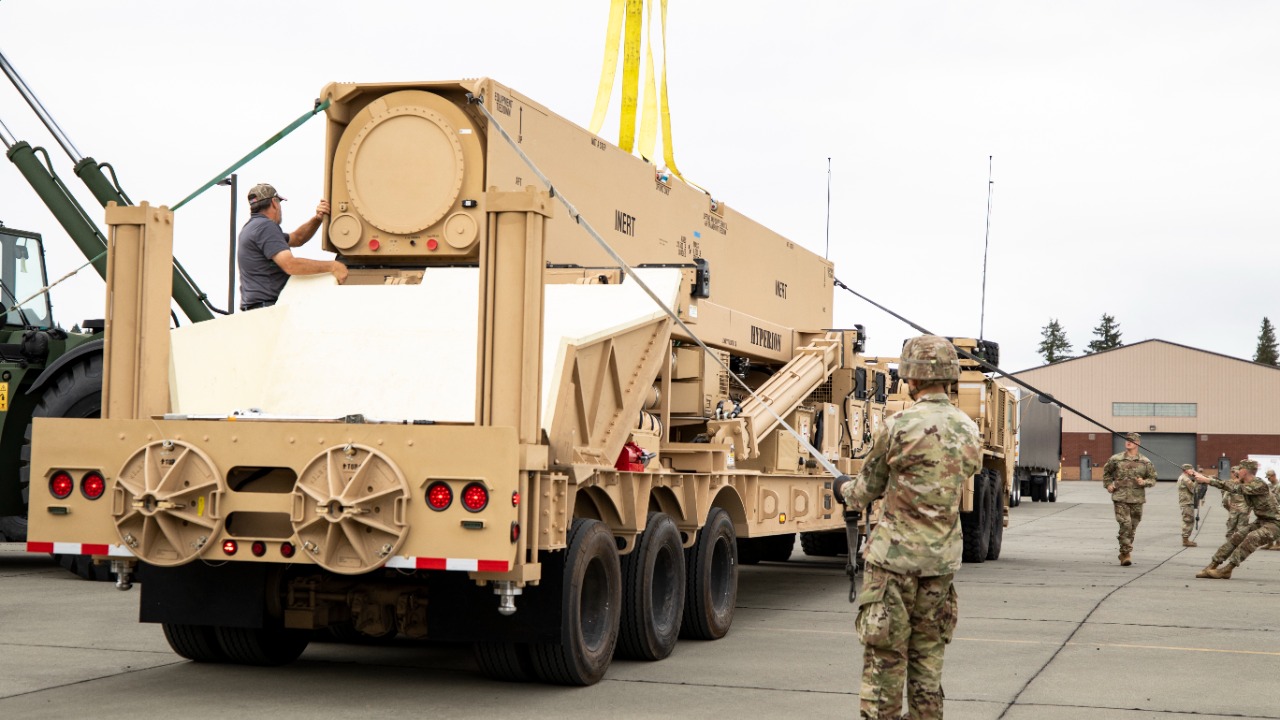
The advent of hypersonic missiles could dramatically change the nature of warfare. Their speed and maneuverability make them a formidable weapon, capable of bypassing traditional defense systems. This could potentially lead to a shift in military strategies, with a greater emphasis on preemptive strikes and rapid response.
Defending against hypersonic missiles is a complex challenge. Given their speed and maneuverability, traditional missile defense systems may not be effective. This could lead to the development of new defense strategies and technologies, such as directed energy weapons or advanced radar systems.
The future of hypersonic missiles in global conflict and peacekeeping efforts is still uncertain. However, their potential impact on warfare and international relations cannot be underestimated. As nations continue to invest in this technology, the world may be entering a new era of high-speed warfare.
