Iran has been identified as one of the world’s most extreme subsidence hotspots, with certain areas experiencing ground sinking at an alarming rate of up to 1 foot per year, according to a recent study. This significant geological issue poses a serious threat to infrastructure and local communities across the region. The findings highlight the urgent need for sustainable solutions to mitigate the impact of this phenomenon.
Geological Factors Behind Subsidence in Iran
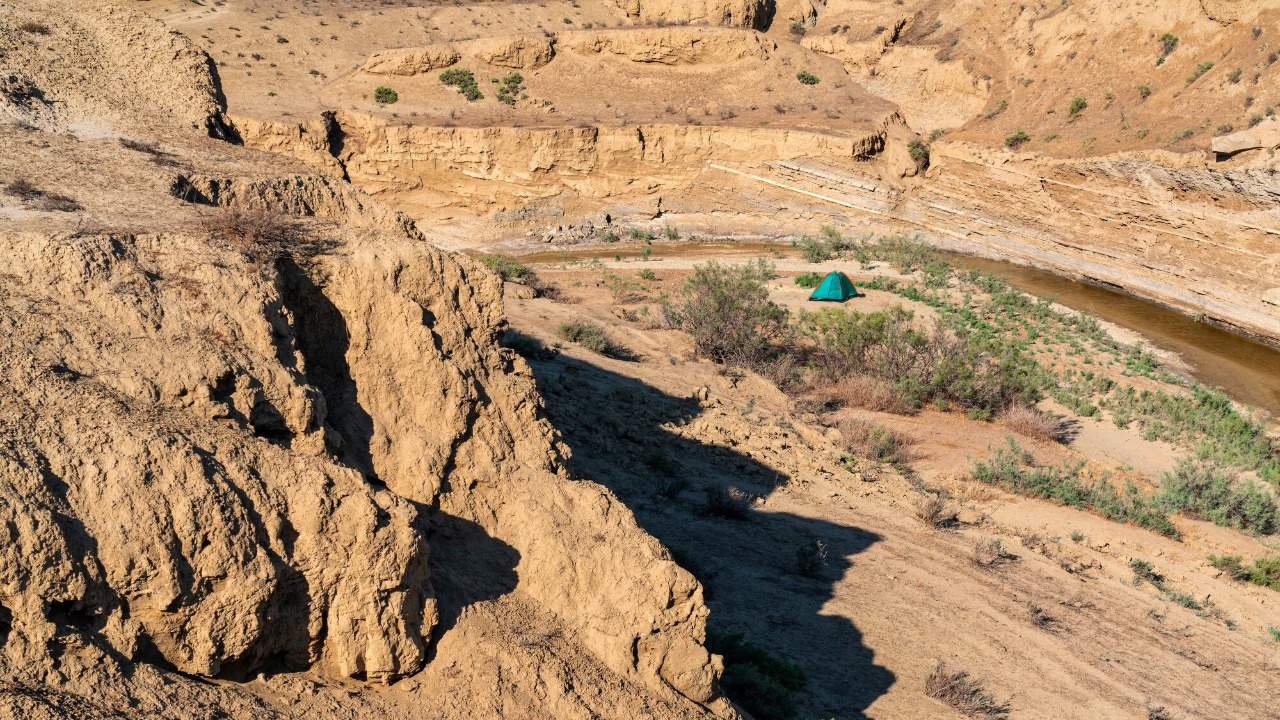
Subsidence in Iran is driven by a combination of natural and anthropogenic factors, with excessive groundwater extraction being a primary cause. As water is pumped out from underground aquifers faster than it can be replenished, the ground above begins to sink. This process is exacerbated by Iran’s arid climate and the increasing demand for water in agriculture and urban areas. The study identifies regions such as Tehran, Mashhad, and Isfahan as some of the most affected, where the ground is sinking at rates of up to 1 foot per year. These areas are particularly vulnerable due to their dense populations and significant agricultural activities (Live Science).
Past geological studies have consistently highlighted Iran’s vulnerability to subsidence. The country’s reliance on groundwater for irrigation and urban supply has led to a depletion of aquifers, causing the land to compact and sink. This issue is not new, but the rate of subsidence has accelerated in recent years, drawing increased attention from scientists and policymakers. The geological makeup of Iran, characterized by sedimentary basins and loose soil structures, further contributes to the susceptibility of these regions to subsidence.
In addition to groundwater extraction, tectonic activity also plays a role in Iran’s subsidence issues. The country is situated on several major fault lines, which can exacerbate land sinking when combined with human activities. The interplay between natural seismic activity and human-induced changes creates a complex geological environment that requires careful monitoring and management. Furthermore, the sedimentary nature of the soil in many affected areas means that once the ground begins to sink, it can continue to do so even after groundwater extraction is reduced. This highlights the importance of early intervention and continuous monitoring to prevent irreversible damage.
Impact on Infrastructure and Communities
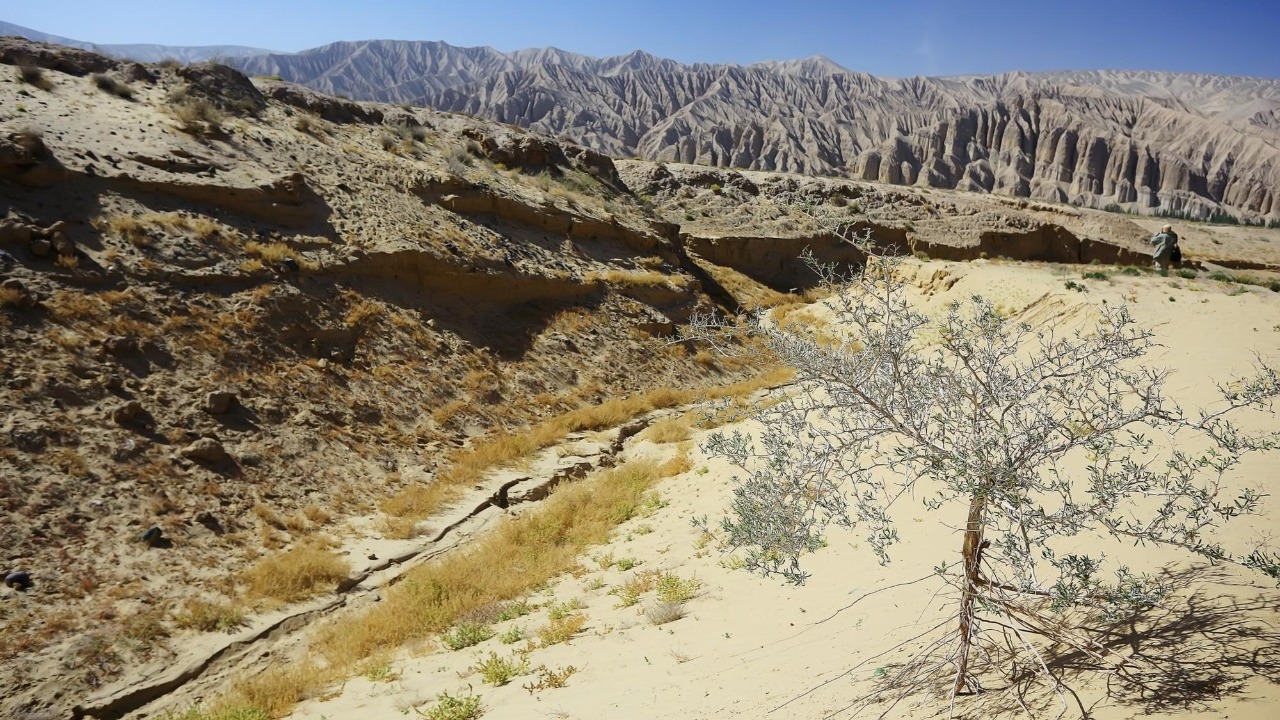
The rapid rate of subsidence poses significant risks to infrastructure in affected areas. Buildings, roads, and essential services are at risk of damage as the ground beneath them shifts and sinks. This can lead to structural failures, increased maintenance costs, and potential safety hazards for residents. In Tehran, for example, the subsidence has already caused noticeable damage to roads and buildings, prompting concerns about the long-term viability of infrastructure in these regions (Live Science).
Local communities face displacement and economic challenges as a result of subsidence. As the land becomes unstable, residents may be forced to relocate, disrupting their lives and livelihoods. The economic impact is also significant, with potential losses in agriculture and increased costs for infrastructure repair and maintenance. Experts emphasize the need for comprehensive strategies to address these challenges, including improved water management practices and investment in infrastructure resilience. Local governments are beginning to respond, but the scale of the problem requires coordinated efforts at both national and regional levels.
The economic implications of subsidence in Iran are profound, affecting not only local communities but also the national economy. Agriculture, a critical sector in Iran, suffers as subsidence leads to uneven fields and damaged irrigation systems, reducing crop yields and increasing costs for farmers. This, in turn, affects food security and the livelihoods of those dependent on agriculture. Additionally, the tourism industry, which relies on the preservation of historical sites and natural landscapes, faces challenges as subsidence threatens these attractions. The cumulative effect of these economic pressures underscores the need for strategic planning and investment in adaptive infrastructure to safeguard Iran’s economic stability.
Global Context and Comparison
Iran’s subsidence issues are not unique and can be compared to similar challenges faced by other countries. For instance, parts of California and Mexico City also experience significant subsidence due to groundwater extraction. These regions, like Iran, are grappling with the dual pressures of climate change and human activities that exacerbate land sinking. The global nature of subsidence highlights the need for international cooperation and knowledge sharing to develop effective solutions (Yahoo News).
As a global phenomenon, subsidence is exacerbated by climate change, which affects water availability and increases the demand for groundwater. This creates a feedback loop where subsidence further impacts water resources, leading to more extraction and sinking. Iran’s situation fits within these global patterns, underscoring the importance of addressing environmental stressors and implementing sustainable practices worldwide. By learning from each other’s experiences, countries can develop more effective strategies to combat subsidence and its associated risks.
Future Outlook and Solutions
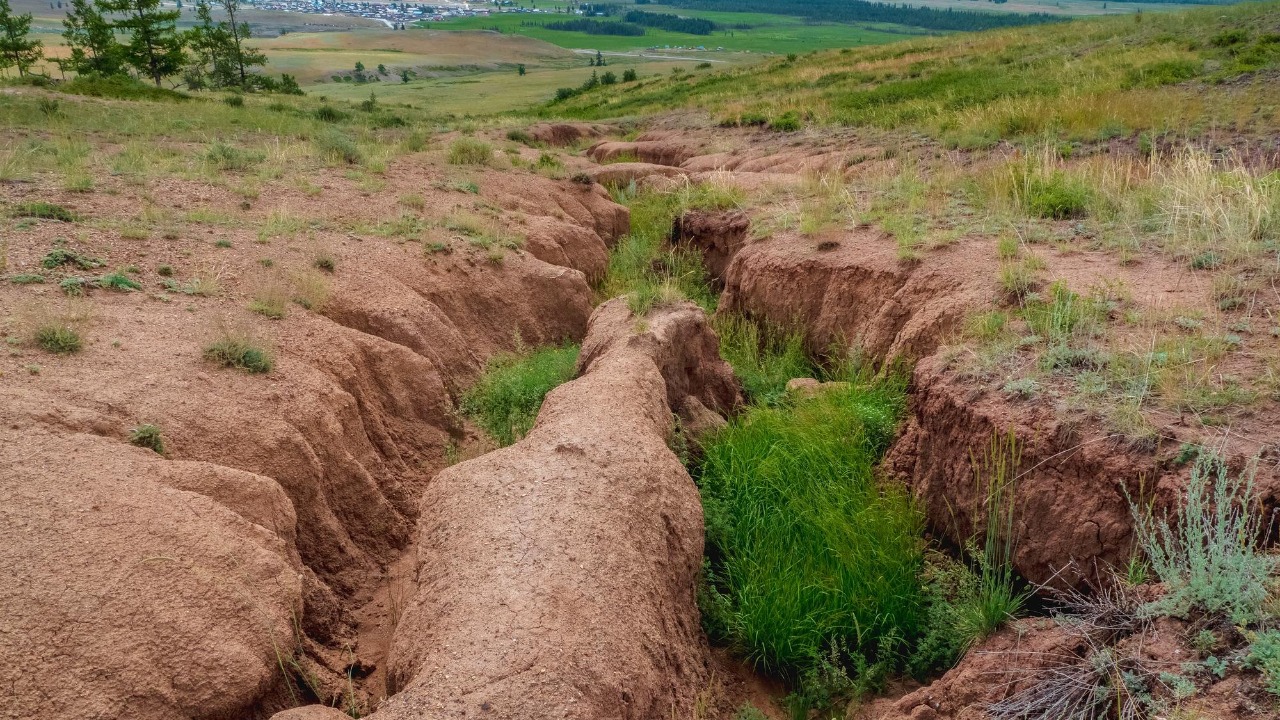
Mitigating subsidence in Iran requires a multifaceted approach, focusing on sustainable water management practices. Reducing groundwater extraction through improved irrigation techniques and alternative water sources is crucial. Additionally, investing in technology to monitor and manage water resources can help prevent further subsidence. Scientific research and technological advancements offer promising solutions, such as the development of more efficient water recycling systems and the use of satellite data to monitor land changes (Live Science).
International cooperation and knowledge sharing play a vital role in addressing subsidence issues globally. By collaborating with other countries facing similar challenges, Iran can benefit from shared experiences and innovative solutions. This includes participating in global forums and research initiatives focused on land subsidence and sustainable development. Through these efforts, Iran can work towards a more resilient future, minimizing the impact of subsidence on its communities and infrastructure.
One promising avenue for addressing subsidence is the implementation of integrated water resource management (IWRM) strategies. These strategies involve coordinating the development and management of water, land, and related resources to maximize economic and social welfare without compromising the sustainability of vital ecosystems. By adopting IWRM, Iran can optimize water use across sectors, reduce wastage, and enhance the resilience of its water systems. Furthermore, public awareness campaigns and education programs can play a crucial role in promoting water conservation practices among citizens, fostering a culture of sustainability that supports long-term solutions to subsidence.
