
Apple’s iPhone 17 lineup is emerging as a wild card in the tech giant’s playbook. Reports suggest a new “iPhone 17 Air” model with an ultra-thin 5.5mm body, made possible by an in-house 5G modem and under-display Face ID. Meanwhile, the standard iPhone 17 will retain a traditional notch and measure 7.8mm thick. This comes as South Korean companies Samsung Display and LG Display reportedly ramp up production of new OLED panels for the series, potentially launching in September 2025. Analyst Ming-Chi Kuo has predicted that the iPhone 17 series could represent a “design revolution” for Apple, particularly with the Air model’s departure from the iPhone 16’s conventional chassis.
iPhone 17 Air: The Ultra-Thin Gamble
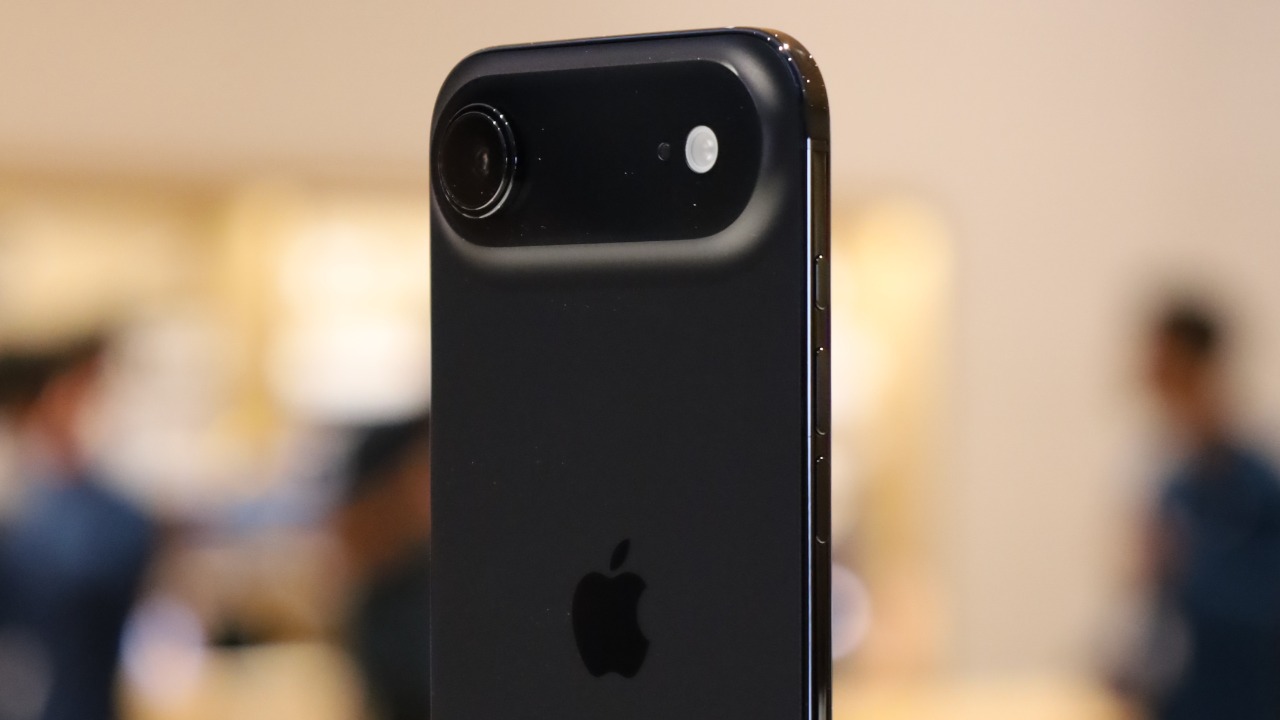
The iPhone 17 Air’s reported 5.5mm thickness is a significant departure from previous models. This slimness is achieved by relocating the battery and using a custom aluminum frame, as leaked by supply chain analyst Ross Young. The under-display Face ID sensor eliminates the Dynamic Island, a feature that has been a staple in previous models. This information comes from prototypes tested at Apple’s Cupertino facilities.
However, this ultra-thin design may come with trade-offs. Reports from Foxconn’s assembly line suggest a smaller 2,800mAh battery for the iPhone 17 Air, compared to the iPhone 16’s 3,561mAh. This could potentially impact the device’s battery life, a crucial factor for many users.
Standard iPhone 17: Evolutionary Tweaks

The base iPhone 17 is expected to retain the notch design, measuring 7.8mm thick with a 6.1-inch display, according to analyst Jeff Pu’s supply chain notes from TSMC. This suggests a more evolutionary approach for the standard model, in contrast to the radical changes proposed for the Air variant.
One significant upgrade across all models is the integration of the A19 chip with 8GB RAM, as reported by Nikkei Asia. This enhancement is expected to boost AI features like an enhanced Siri. Additionally, the camera is set for an upgrade with a 48MP front-facing sensor, according to production forecasts from Sunny Optical.
Supply Chain Shifts and 5G Modem Breakthrough

Apple’s in-house C1 5G modem, debuting in the iPhone 17 Air, represents a significant shift in the company’s supply chain. According to Qualcomm’s own filings, this could reduce Apple’s reliance on Qualcomm and potentially cut costs by 30%.
Meanwhile, Samsung Display is reportedly producing 20% thinner OLED panels for the series, with initial shipments starting Q2 2025 from facilities in Asan, South Korea. LG Display is also contributing with LTPO panels for ProMotion 120Hz refresh rates on non-Air models, following a $1.5 billion investment announced in Paju, South Korea.
Design and Material Innovations

The iPhone 17 Air is expected to feature a vapor chamber cooling system for the A19 Pro chip, replacing traditional graphite sheets, according to teardowns from iFixit prototypes. This could potentially improve the device’s performance and longevity.
Another significant change is the extension of the titanium frame to all iPhone 17 models. The Air variant is expected to weigh just 125g, according to information sourced from Apple’s material supplier Metalysis in the UK. Additionally, the new models will feature a scratch-resistant Ceramic Shield v2 on displays, tested to withstand 2x more drops, based on updates from Corning’s partnership with Apple.
Market Implications and Analyst Predictions

Ming-Chi Kuo predicts that Apple could ship 80 million iPhone 17 units in the first year, driven by the Air model’s appeal to premium buyers. This could significantly impact the smartphone market, particularly in the high-end segment.
Barclays analyst Tim Long estimates the iPhone 17 Air’s pricing at $1,099, 20% higher than the iPhone 16 Pro. This suggests that Apple is banking on the device’s innovative features to justify the premium price. However, competition from Samsung’s Galaxy S25 Ultra, which also features a slim design, could pose a challenge, despite Apple’s advantages in vertical integration.
