A new study suggests that the interstellar comet 3I/ATLAS may have originated from the enigmatic frontier of the early Milky Way. This conclusion is drawn from an analysis of the comet’s trajectory through space, which scientists have tracked for millions of years. The findings imply that 3I/ATLAS could be billions of years old, offering valuable insights into the ancient structure of our galaxy. Meanwhile, NASA’s Perseverance Mars rover has reportedly captured an image of this mysterious interstellar object in the Martian night sky, adding a new dimension to our understanding of its journey.
Background on Interstellar Comet 3I/ATLAS
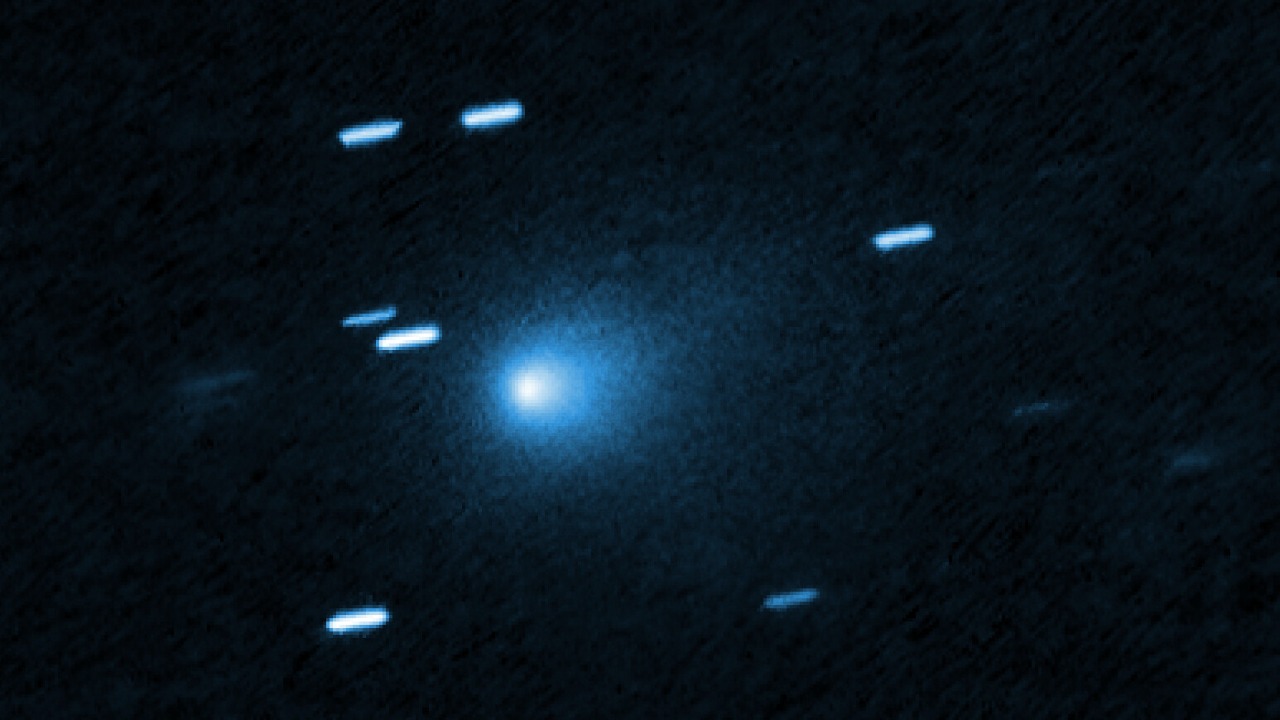
The discovery of comet 3I/ATLAS marked a significant milestone in astronomy, as it was identified as an interstellar object passing through our solar system. Named 3I/ATLAS, this comet’s interstellar nature was confirmed through observations of its hyperbolic trajectory, which is not bound to the Sun. This trajectory is a key indicator of its origin beyond our solar system, distinguishing it from typical comets that orbit the Sun in elliptical paths (Live Science).
Initial observations of 3I/ATLAS revealed its unusual composition and behavior, sparking interest in tracing its path back through the galaxy. The comet’s unique characteristics, combined with its interstellar trajectory, suggest it may hold clues about the conditions and processes that shaped the early Milky Way. These findings have prompted scientists to delve deeper into its origins and potential implications for our understanding of the galaxy’s history (Economic Times).
The significance of 3I/ATLAS extends beyond its interstellar origins. Its discovery has provided astronomers with a rare opportunity to study an object that has traveled vast distances across the galaxy. Unlike other comets that originate from the Oort Cloud or the Kuiper Belt, 3I/ATLAS offers a glimpse into the conditions of distant star systems. Its composition, which includes elements and isotopes not commonly found in solar system comets, could reveal new information about the chemical processes that occur in other parts of the galaxy. This makes 3I/ATLAS a valuable subject for ongoing research, as it may help scientists understand the diversity of cometary bodies and their roles in cosmic evolution.
Tracing the Comet’s Ancient Trajectory
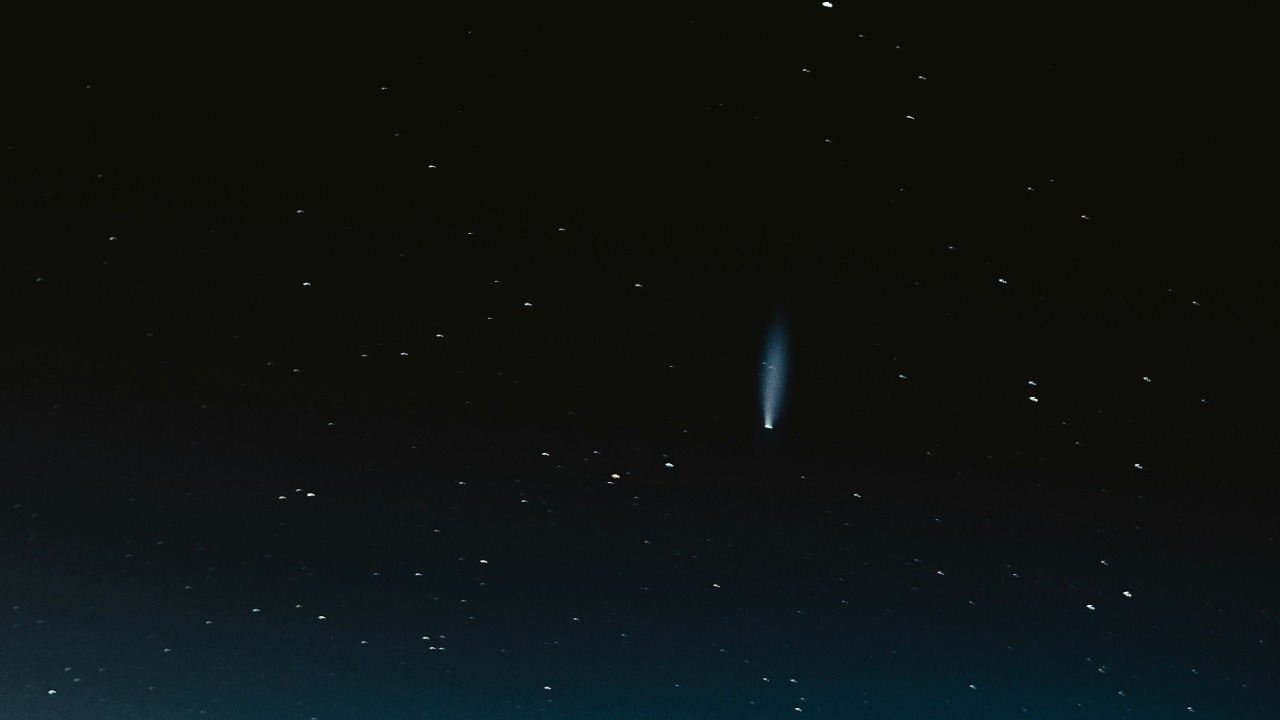
To uncover the origins of 3I/ATLAS, scientists have simulated its path backward through time, mapping its journey across the galaxy over millions of years. This complex modeling effort has suggested that the comet could be billions of years old. The stability of its orbit and its interactions with various galactic structures provide strong evidence for its ancient origins. These simulations have been crucial in piecing together the comet’s long and storied history, offering a glimpse into the dynamic processes that have shaped its path (Economic Times).
Gravitational influences from stars and the Milky Way’s disk have played a significant role in shaping the trajectory of 3I/ATLAS over cosmic timescales. These forces have guided the comet through a complex journey, interacting with various celestial bodies and structures. Understanding these interactions is key to unraveling the comet’s past and its potential origins in the early Milky Way. This research not only sheds light on the comet itself but also enhances our broader understanding of the galaxy’s evolution (Live Science).
In addition to gravitational influences, the comet’s trajectory has been affected by the galactic tide, a force exerted by the Milky Way’s mass distribution. This subtle but persistent force can alter the paths of objects over millions of years, contributing to the comet’s current trajectory. Researchers have utilized advanced computer models to simulate these interactions, allowing them to reconstruct the comet’s path with remarkable precision. These models suggest that 3I/ATLAS may have passed through several different regions of the galaxy, each with its own unique gravitational environment, before reaching its current position. This journey through diverse galactic environments has likely influenced the comet’s physical and chemical properties, making it an intriguing subject for further study.
Links to the Early Milky Way’s Frontier
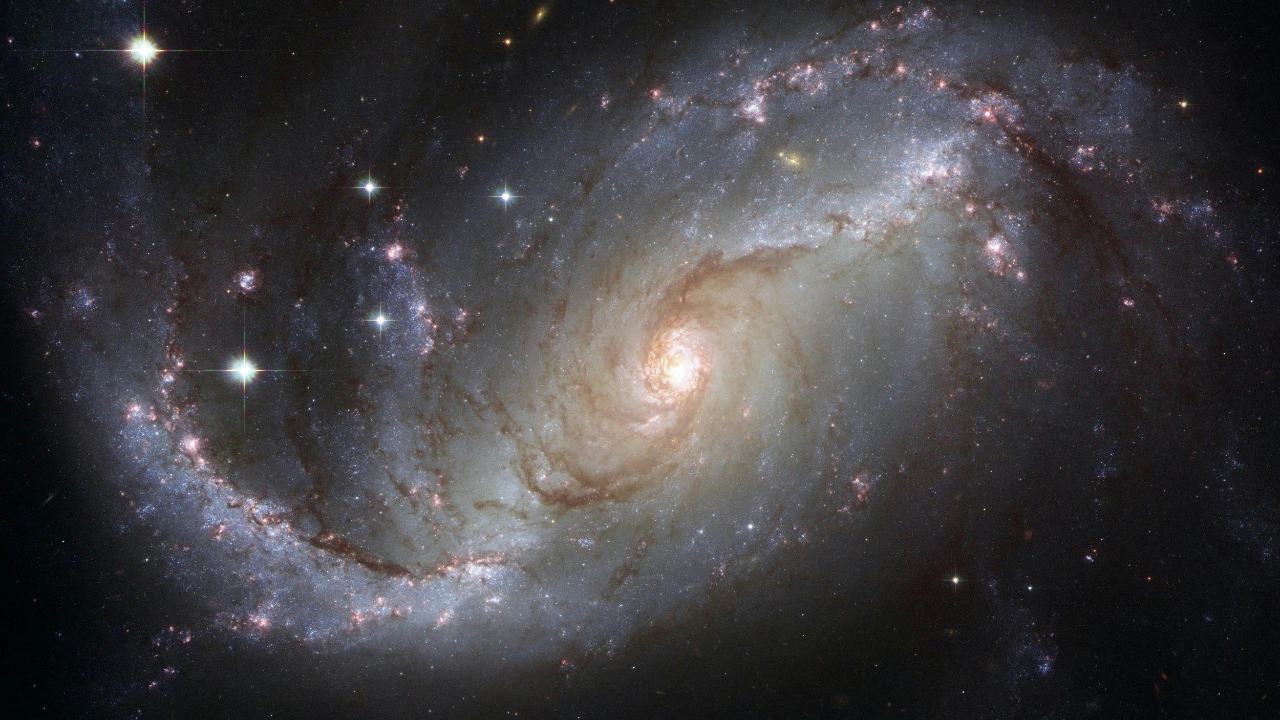
The study hypothesizes that 3I/ATLAS may have emerged from the mysterious frontier of the early Milky Way, a region characterized by sparse stars and gas during the galaxy’s formation. This ancient boundary is thought to have been a dynamic environment, where interactions between nascent stars and gas clouds could have ejected objects like 3I/ATLAS into interstellar space. The comet’s trajectory models provide evidence supporting this hypothesis, suggesting it was expelled from this primordial region billions of years ago (Live Science).
The implications of these findings are profound, offering a window into the early evolution of the Milky Way. Comets like 3I/ATLAS may preserve relics from this formative era, providing a unique opportunity to study the conditions and processes that shaped our galaxy. By examining these ancient objects, scientists can gain insights into the complex interactions that occurred during the Milky Way’s infancy, enhancing our understanding of its development and structure (Economic Times).
The frontier of the early Milky Way, from which 3I/ATLAS is believed to have originated, was a region of intense star formation and dynamic interactions. During this period, massive molecular clouds collapsed to form new stars, while gravitational interactions between these stars and surrounding gas clouds could have propelled objects like 3I/ATLAS into interstellar space. This ejection process is thought to be a common mechanism by which interstellar objects are launched on their long journeys across the galaxy. By studying 3I/ATLAS, scientists hope to gain insights into these early processes and the conditions that prevailed in the nascent Milky Way, offering a rare glimpse into the galaxy’s formative years.
Unexpected Observation from Mars
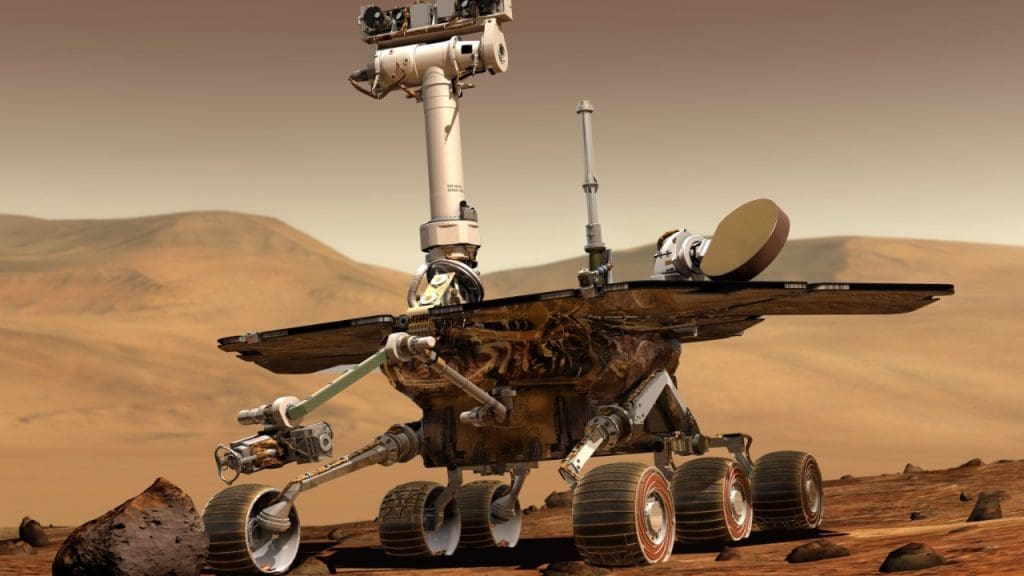
In a surprising development, NASA’s Perseverance Mars rover may have captured an image of 3I/ATLAS as a bright object in the Martian night sky. This potential sighting adds a new layer to the study of the comet, providing a unique perspective from the surface of another planet. The rover’s cameras, designed to capture high-resolution images of the Martian landscape, have now contributed to the observation of interstellar phenomena, highlighting the versatility and reach of modern space exploration technology (Inkl).
The image captured by Perseverance complements data collected by telescopes on Earth, offering a more comprehensive view of the comet’s position and visibility. This ground-based observation from Mars provides additional context for understanding the comet’s trajectory and behavior as it travels through our solar system. Such interdisciplinary observations underscore the importance of collaborative efforts in space exploration, combining data from multiple sources to enhance our understanding of interstellar objects (Yahoo News).
The potential sighting of 3I/ATLAS by the Perseverance rover is a testament to the capabilities of modern space exploration technology. The rover’s sophisticated imaging systems, designed primarily for geological studies, have proven adept at capturing celestial phenomena as well. This unexpected observation from Mars provides a unique vantage point, complementing Earth-based observations and offering a new perspective on the comet’s brightness and trajectory. Such observations are crucial for refining models of the comet’s path and understanding its interactions with solar radiation and other cosmic forces. The collaboration between Mars-based and Earth-based observations exemplifies the innovative approaches being used to study interstellar objects, highlighting the interconnected nature of modern astronomical research.
