The GBU-57, often referred to as the Massive Ordnance Penetrator (MOP), is a marvel of modern military engineering, designed to neutralize heavily fortified underground bunkers. Costing approximately $14 million each, this bomb represents a critical component in the arsenal of nations seeking to deter nuclear threats. Delving into the intricacies of the GBU-57 reveals its design, deployment, and significance in contemporary military strategy.
The Engineering Marvel of the GBU-57
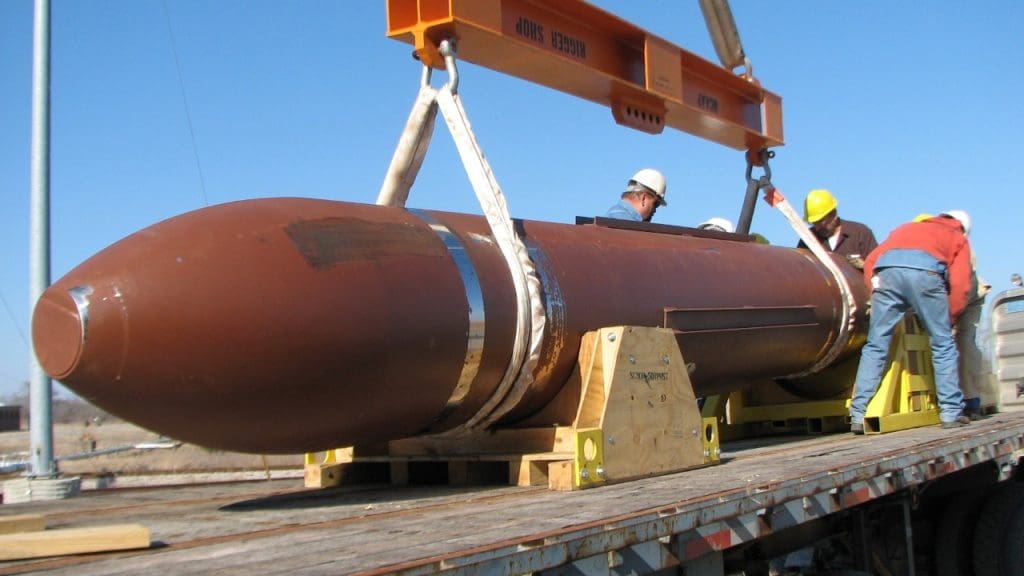
The GBU-57 is a technological feat, crafted to pierce through the toughest of underground fortifications. Weighing in at an impressive 30,000 pounds, this bomb is constructed from high-strength materials that allow it to penetrate deep underground. Its robust design ensures that it can reach depths that were previously unattainable by other munitions, making it a formidable tool against fortified structures.
Central to the GBU-57’s effectiveness is its array of technological innovations. Equipped with advanced guidance systems, the bomb is capable of precise targeting, ensuring maximum impact upon hitting its target. The explosive materials used in its construction are specially designed to maximize destruction, ensuring that even the most secure bunkers are not safe from its reach.
Strategic Importance in Modern Warfare
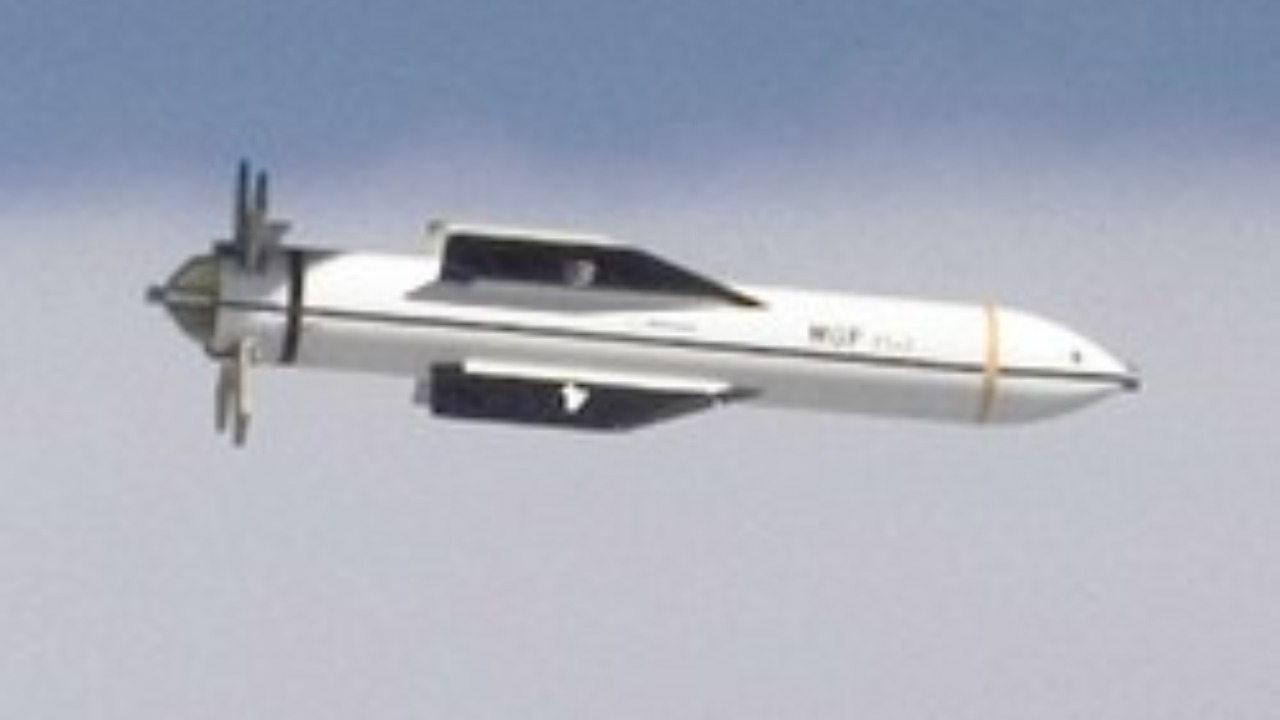
The GBU-57 plays a pivotal role in nuclear deterrence strategies, particularly as nations grapple with the threat of nuclear proliferation. Its ability to neutralize underground bunkers makes it a key component in discouraging countries like Iran from advancing their nuclear programs. By maintaining a tool capable of bypassing fortified defenses, nations can project power and influence global security dynamics.
In terms of deployment, the GBU-57 is reserved for scenarios where traditional munitions would fail to achieve strategic objectives. Hypothetical and historical deployments illustrate its potential impact on geopolitical considerations. The bomb’s presence serves not only as a deterrent but also as a reassurance to allies that their security concerns are being addressed through advanced military capabilities.
Challenges and Controversies

The deployment of powerful weaponry like the GBU-57 is not without controversy. Ethical debates arise regarding the potential for collateral damage and the broader implications for human rights and international relations. Critics argue that the existence of such weapons might escalate tensions, prompting a reconsideration of their role in modern arsenals.
Despite its strengths, the GBU-57 is not without technical limitations. The complexity of its deployment and the precision required for effective use pose challenges for military strategists. Addressing these limitations involves continuous innovation and adaptation to ensure that the bomb remains a viable option in evolving warfare scenarios.
The Future of Bunker-Busting Technology

As military technology advances, research and development efforts focus on enhancing the capabilities of bunker-busting munitions like the GBU-57. Innovations aim to increase penetration depth, improve guidance systems, and reduce potential collateral damage. These advancements are critical in maintaining the effectiveness of such weapons in future conflicts.
The implications of these technological advancements extend beyond military applications. They could potentially alter the global security landscape, influencing defense policies and alliances. As nations grapple with the evolving nature of threats, the role of advanced munitions in safeguarding security will continue to be a subject of strategic importance.
Case Study: The Iran Nuclear Program

The development of Iran’s nuclear program has been a focal point in discussions surrounding bunker-busting bombs. The historical context highlights the strategic challenges posed by underground facilities, which are designed to withstand conventional attacks. The GBU-57 provides a potential solution, addressing these threats with its unique capabilities.
International response to Iran’s nuclear ambitions involves coordination and collaboration among countries like the U.S. and Israel. Through joint efforts, these nations aim to counteract nuclear bunker threats and maintain regional stability. The role of the GBU-57 in these efforts underscores the importance of advanced weaponry in addressing contemporary security challenges.
