Russian President Vladimir Putin’s aircraft, often referred to as “Russian Force One,” is a symbol of power and prestige. This flying fortress is equipped with state-of-the-art technology, luxurious interiors, and defensive capabilities that rival the best in the world. The features of this aircraft make it a critical tool for Russian diplomacy and security, showcasing the nation’s engineering prowess and political influence.
The Aircraft: An Engineering Marvel
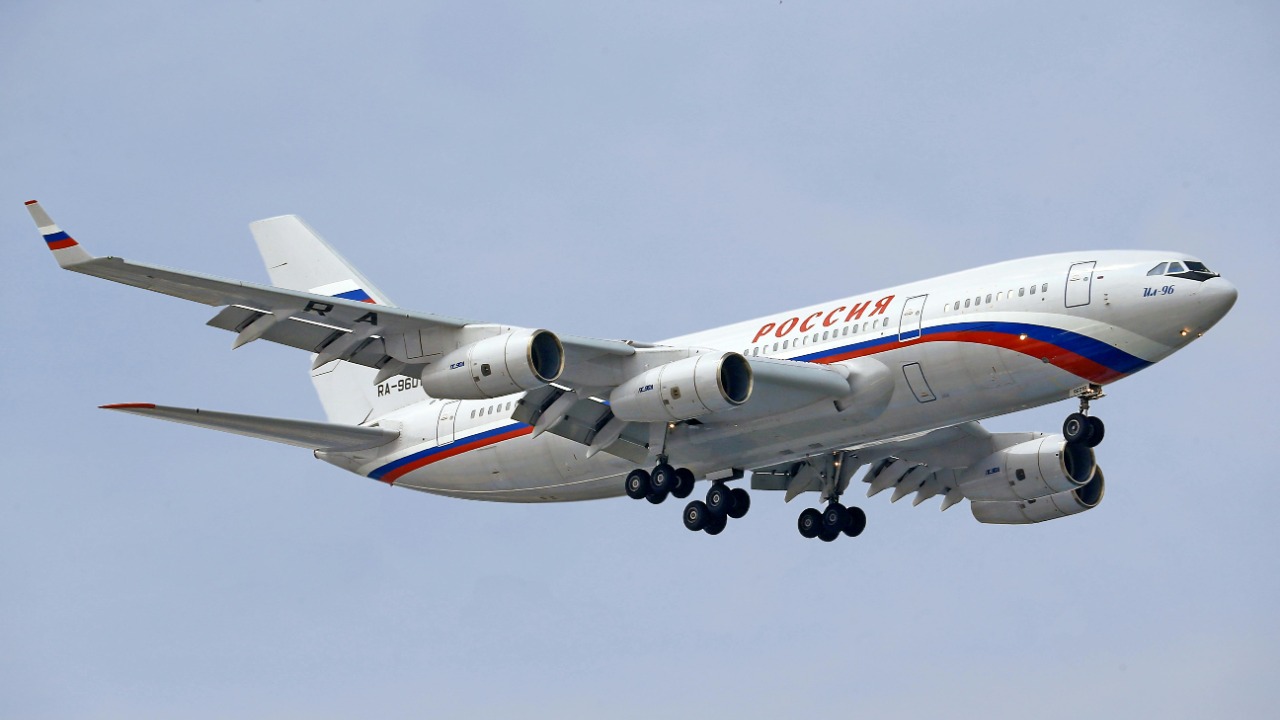
The Ilyushin Il-96-300PU serves as the airborne command center for President Putin, representing an engineering marvel in modern aviation. This aircraft is specifically designed and structured to meet the demands of a head of state. The reinforced fuselage and the use of advanced materials ensure safety and durability, allowing it to withstand various pressures and potential threats. These structural enhancements are crucial for a leader who needs to navigate complex international landscapes while ensuring personal security.
Equipped with cutting-edge avionics and navigation systems, the aircraft offers secure communication channels and precise operational capabilities. These technological advancements are not just about luxury but are essential for maintaining a strategic advantage. The extensive range and fuel efficiency of the Il-96-300PU enable long-haul flights without the need for frequent refueling stops, making it a practical choice for global travel. The aircraft’s capabilities reflect Russia’s commitment to maintaining a robust and independent presence on the world stage.
Luxurious Interiors: Comfort Meets Functionality
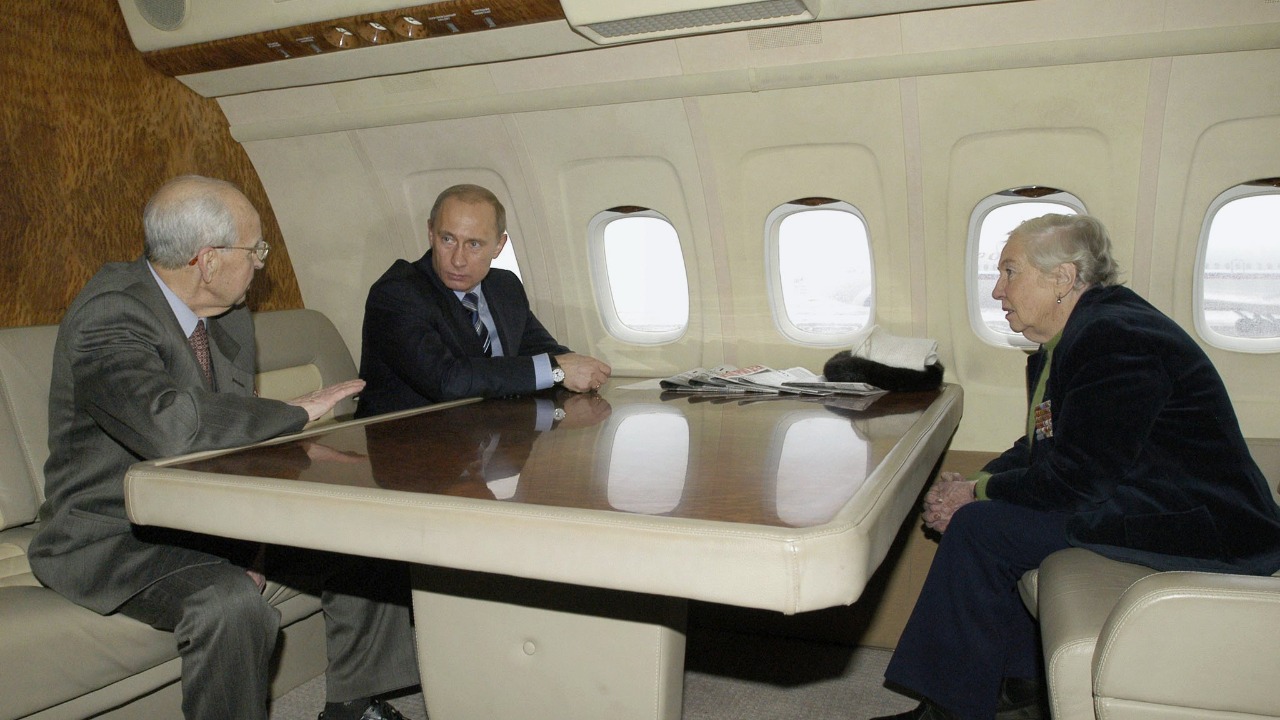
The interior of “Russian Force One” is nothing short of opulent, designed to provide comfort and functionality for President Putin during long flights. The presidential suite includes a private bedroom, office, and conference room, all adorned with high-end materials and furnishings. These spaces are designed to ensure that the president can rest, work, and conduct meetings efficiently, maintaining productivity even thousands of feet above the ground.
Beyond the presidential suite, the aircraft boasts a range of amenities and facilities. A fully equipped gym allows for physical exercise, while a dining area provides gourmet meals during flights. Additionally, the medical facilities on board ensure that any health concerns can be promptly addressed. These features are not mere luxuries but are integral to ensuring the well-being of the president and his entourage, allowing them to perform their duties without interruption.
Security and Defense: A Flying Fortress
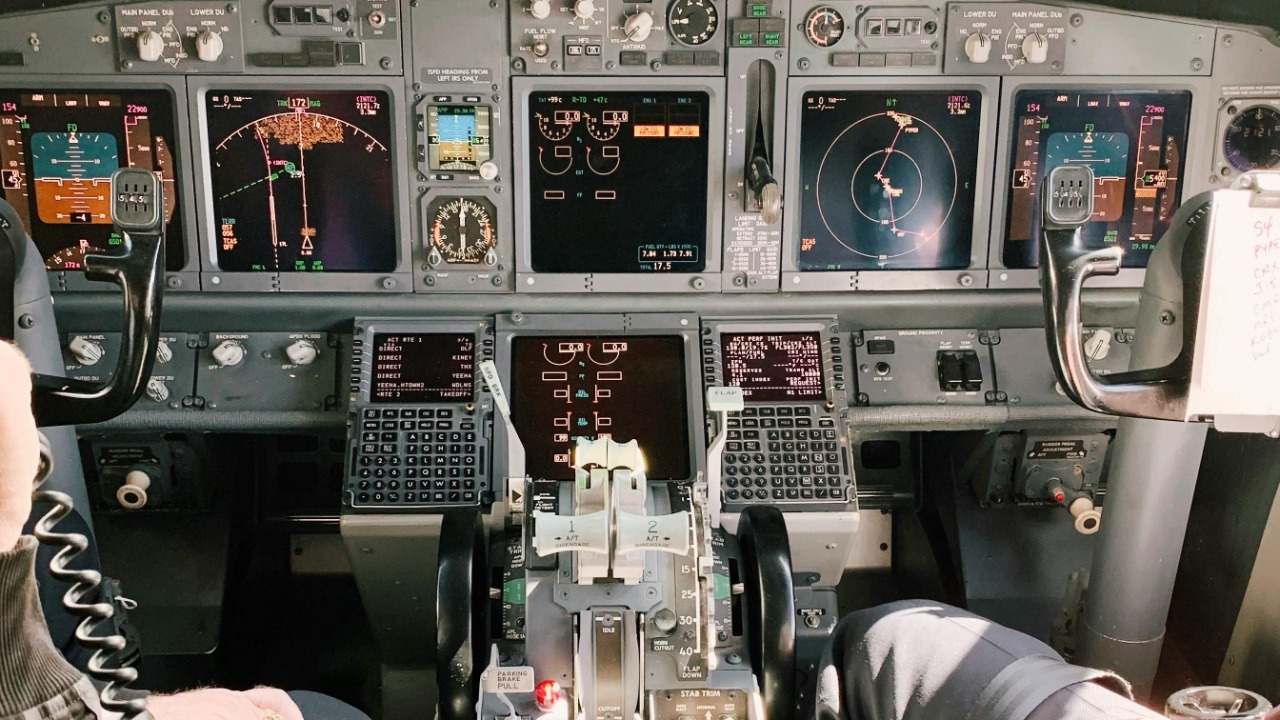
Security is paramount for any head of state, and “Russian Force One” is equipped with advanced defensive capabilities to protect against potential threats. The aircraft features state-of-the-art missile defense systems and electronic countermeasures, designed to neutralize any incoming danger. Its stealth features further enhance its security profile, allowing it to operate under the radar when necessary. These measures are crucial for maintaining the safety of the president during air travel.
Communication systems on board are designed for secure and reliable connections. These networks enable President Putin to stay in contact with Russian and global leaders, facilitating critical crisis management and national security operations. The ability to communicate effectively in real-time is vital for responding to international events promptly. For more insights into the strategic importance of such communication systems, consider exploring this detailed analysis.
Symbol of Power: The Political Significance
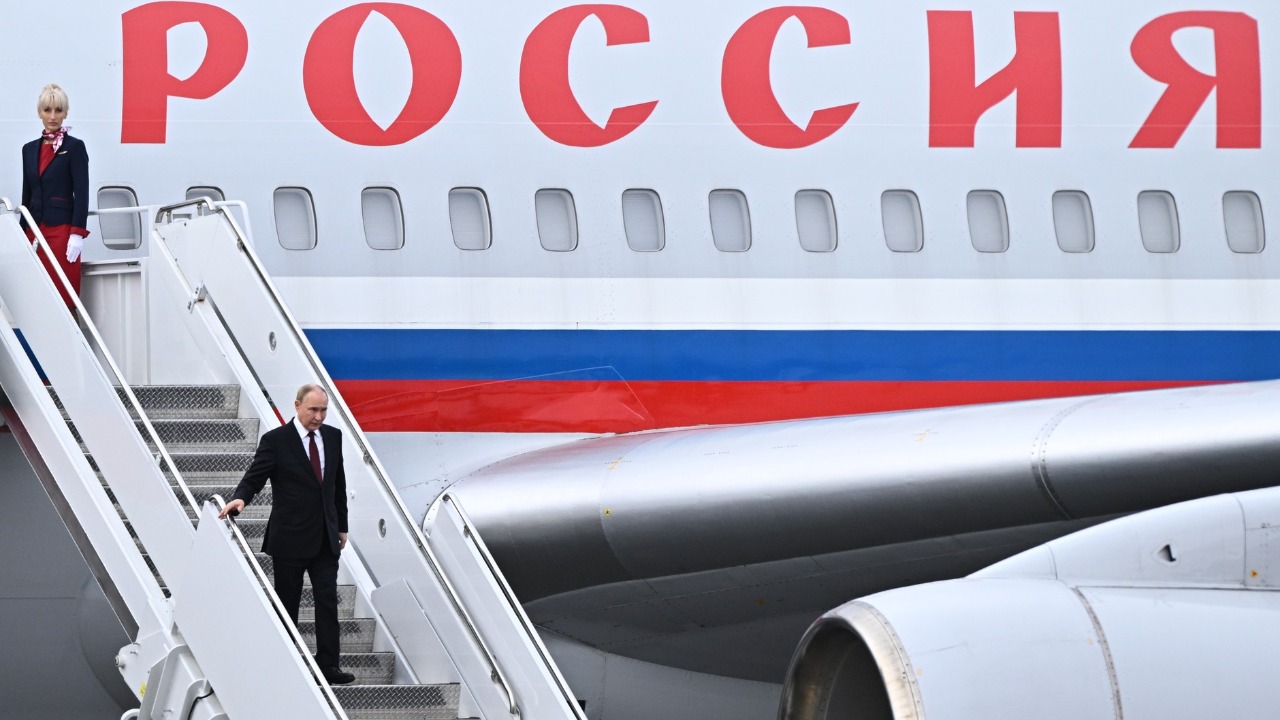
The aircraft serves as a potent symbol of Russian national pride and political influence. As a diplomatic tool, it represents the country’s technological prowess and sovereign power on the global stage. The presence of “Russian Force One” at international events is a visual statement of Russia’s aspirations and capabilities. The aircraft has played pivotal roles in diplomatic engagements, underscoring its importance in international negotiations.
Public perception of this aircraft is significant both domestically and internationally. Within Russia, it reinforces Putin’s image as a powerful leader with access to one of the most advanced flying command centers. Internationally, it projects an image of technological sophistication and strategic capability. The impact of such a symbol is profound, highlighting Russia’s place in global politics. For a deeper understanding of the geopolitical implications of such symbols, explore this research article.
Comparisons with Other World Leaders’ Aircraft
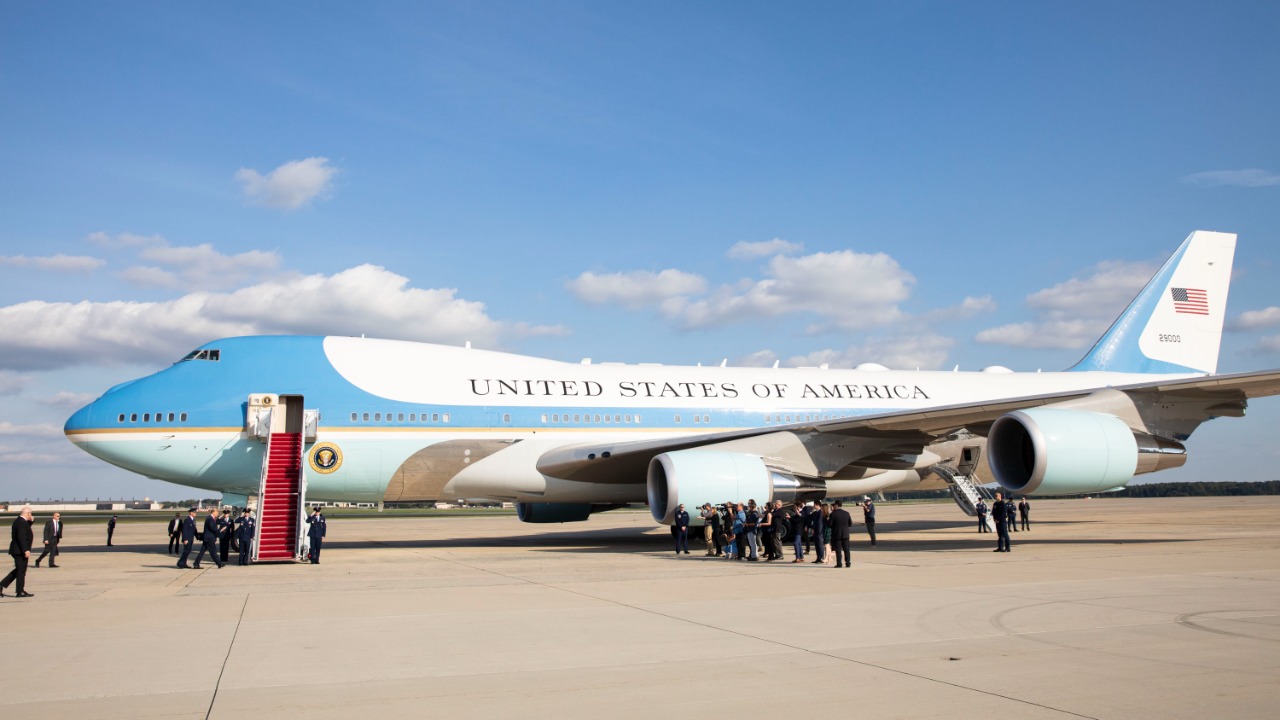
When comparing “Russian Force One” with aircraft used by leaders of other major powers, such as the US Air Force One, several key differences and similarities emerge. While both aircraft are designed to ensure the safety and functionality of their respective leaders, the design philosophies reflect different priorities. The Russian aircraft emphasizes a balance between luxury and strategic capabilities, while the American counterpart is more focused on technological superiority and defensive systems.
These state-of-the-art aircraft are more than just modes of transport; they reinforce a nation’s standing and influence in international relations. The flying command centers reflect the geopolitical aspirations of their respective nations, serving as tools of diplomacy and symbols of national pride. For further reading on the role of these aircraft in international diplomacy, consider examining this scholarly article, which delves into their strategic importance.
