Throughout history, numerous ancient civilizations have vanished, leaving behind intriguing legacies of innovation and ingenuity. From intricately planned cities to sophisticated writing systems, these lost cultures have shaped the world in ways we continue to uncover today. Let’s delve into six remarkable innovations from these bygone societies that continue to inspire awe.
Advanced Urban Planning
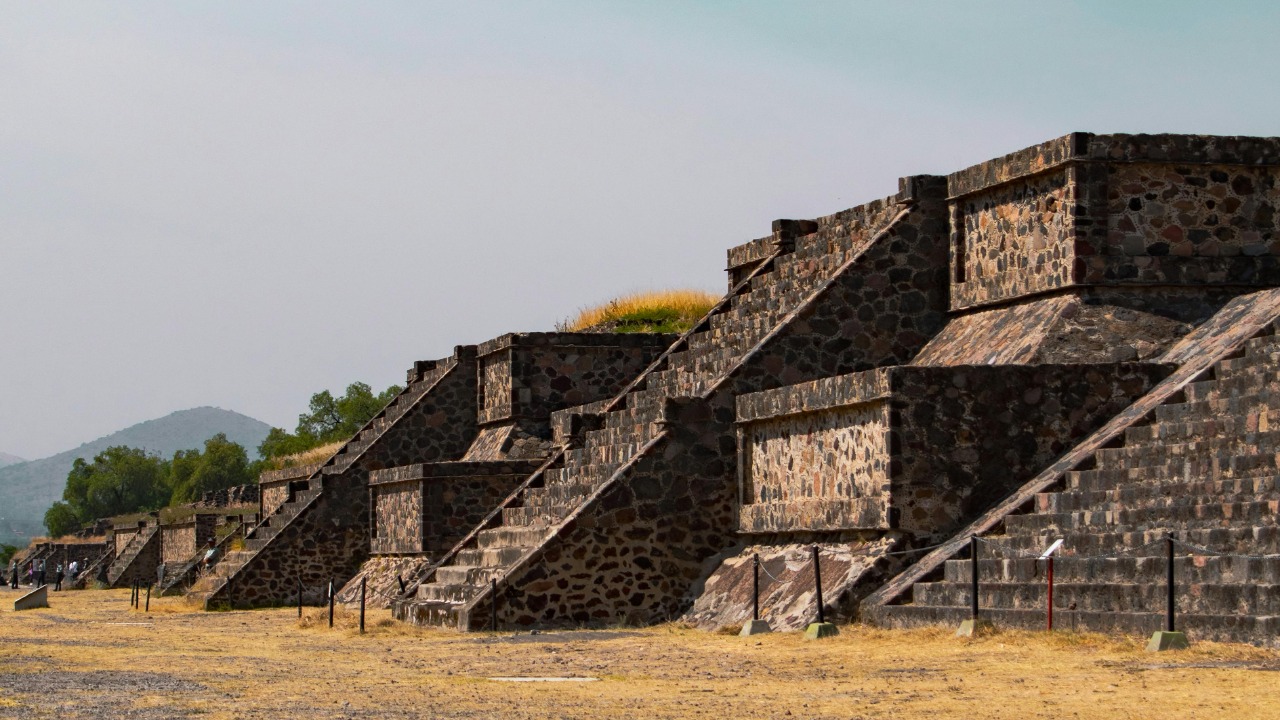
Many ancient civilizations demonstrated exceptional skills in urban planning. The city of Mohenjo-Daro, part of the Indus Valley Civilization, is a prime example. This ancient city featured a highly organized grid layout, complete with streets aligned to cardinal directions, which is considered a marvel of urban planning even today. Such advanced planning ensured efficient transportation and effective management of resources.
Similarly, the ancient city of Teotihuacan in Mexico displayed sophisticated planning. With its grand avenues and monumental structures, Teotihuacan was designed to accommodate a large population. These well-planned urban landscapes show the advanced understanding of spatial organization and civil engineering among these ancient societies.
Sophisticated Water Management Systems

Water management was a crucial aspect of survival for ancient civilizations, and their innovations in this area were truly remarkable. The Romans, for instance, are renowned for their aqueduct systems, which transported water over long distances to urban centers. These aqueducts showcased the Romans’ engineering prowess and played a vital role in the growth and sustainability of their cities.
In contrast, the Nabataeans of Petra developed an intricate network of dams, cisterns, and channels to manage their water supply in the arid desert. This system allowed them to thrive in an otherwise inhospitable environment, highlighting their ingenuity and adaptability in water management.
Early Forms of Writing and Record-Keeping
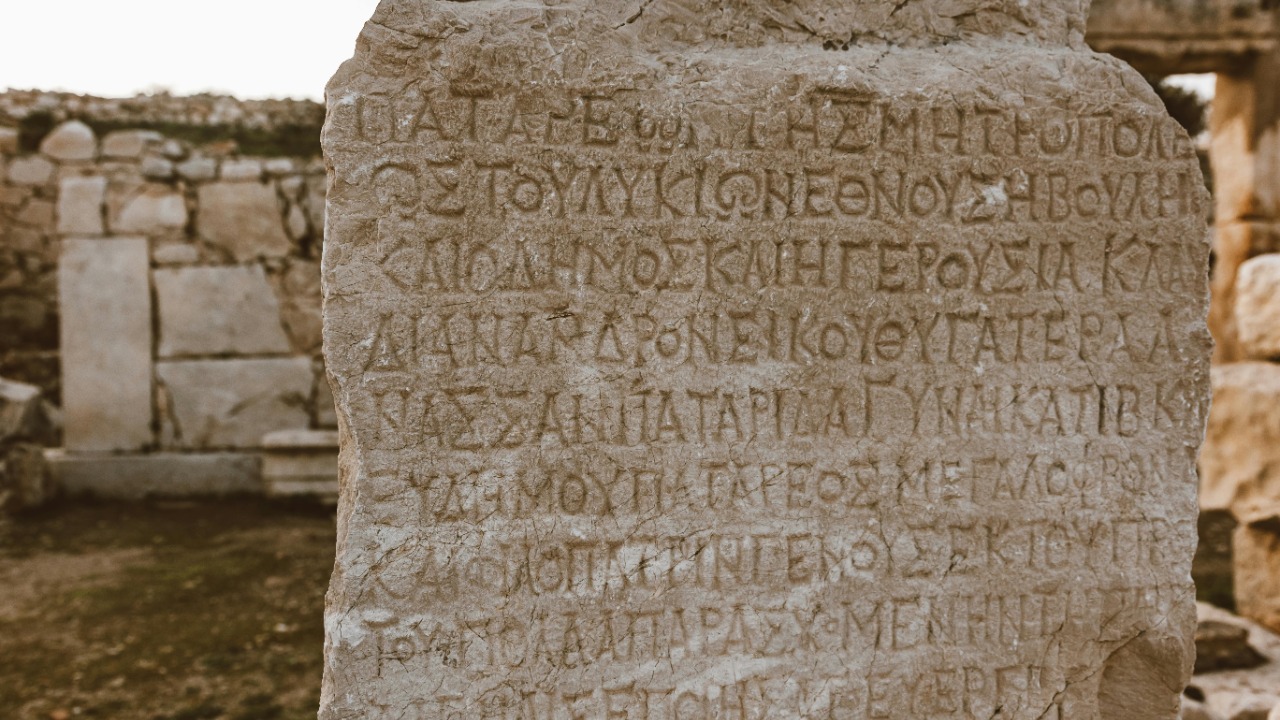
Writing and record-keeping are fundamental components of civilization, and many lost cultures developed unique systems to document their histories. The Sumerians of Mesopotamia created cuneiform, one of the earliest known writing systems. This invention was pivotal in recording laws, trade, and religious texts, laying the groundwork for future written communication.
Similarly, the ancient Egyptians developed hieroglyphics, a complex system of pictorial writing used for religious and administrative purposes. These writing systems were not only means of communication but also tools for governance and cultural expression, underscoring the intellectual achievements of these ancient peoples.
Intricate Metalworking Techniques

Metalworking was a highly advanced craft in many ancient civilizations, with techniques that continue to influence modern metallurgy. The Hittites, for example, were among the first to smelt iron, ushering in the Iron Age. Their mastery of ironwork allowed them to create superior weapons and tools, giving them a significant advantage over neighboring cultures.
The ancient Chinese were also pioneers in metalworking, particularly in the production of bronze. Their sophisticated bronze casting techniques enabled the creation of intricate ceremonial vessels and weapons, reflecting their advanced understanding of metallurgy and artistic expression.
Architectural Marvels

Architectural achievements from lost civilizations continue to captivate us with their grandeur and ingenuity. The Great Pyramid of Giza, built by the ancient Egyptians, remains an enduring symbol of architectural prowess. Its precise construction and massive scale continue to baffle historians and engineers alike.
The ancient Greeks also contributed significantly to architecture, with structures like the Parthenon exemplifying their mastery of design and symmetry. These architectural feats not only served practical purposes but also embodied the cultural and religious values of their creators, leaving a lasting impact on architectural history.
Complex Trade Networks
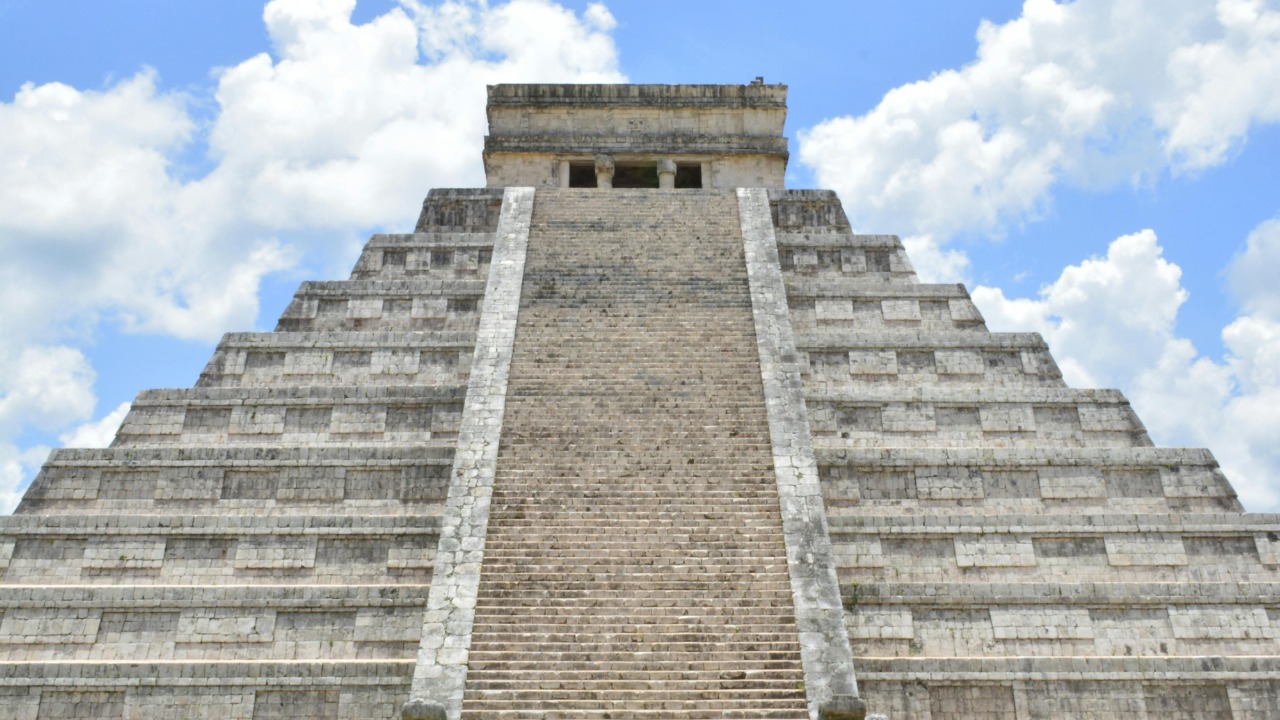
Trade was a vital component of ancient economies, and many civilizations established complex networks that facilitated the exchange of goods, ideas, and technologies. The Silk Road is a prime example, connecting the East and West and enabling the exchange of silk, spices, and other valuable commodities. This network fostered cultural interactions that had lasting global impacts.
Similarly, the Maya civilization developed extensive trade routes across Mesoamerica, exchanging goods such as jade, obsidian, and cacao. These networks not only supported economic prosperity but also contributed to the spread of cultural practices and technological innovations across regions.
