The inflatable F-35 decoy, a groundbreaking military tool, is designed to mimic stealth jets, mislead missiles, and drain enemy firepower. This innovative decoy can be deployed in just 10 minutes, tricking incoming threats on the battlefield by replicating the visual and potentially radar signatures of the real F-35 fighter jet. This forces adversaries to expend resources on false targets, marking a significant shift in defensive tactics. Interesting Engineering reports on the rapid setup and potential game-changing impact of this technology.
Development and Origins of the Inflatable Decoy
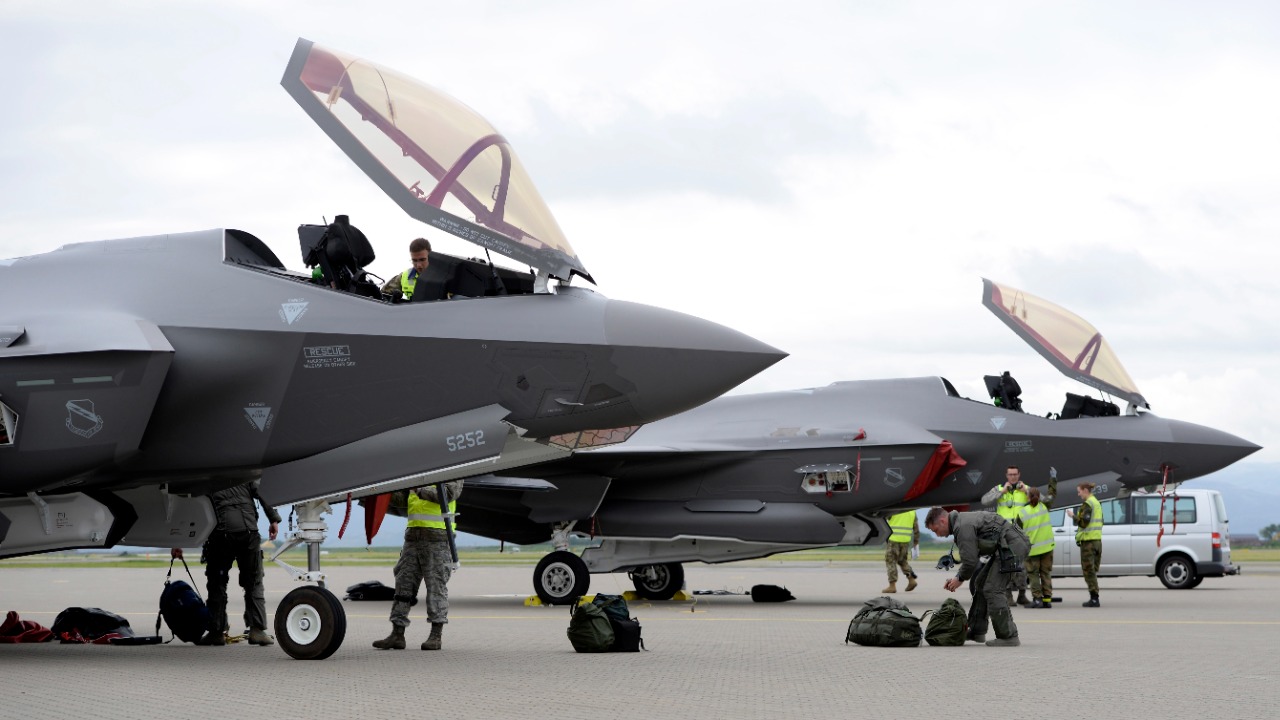
The engineering behind the inflatable F-35 decoy is a marvel of modern military technology. The decoy is designed to accurately mimic the F-35’s shape and size, creating a visual deception that can fool enemy detection systems. The development of this technology involved rigorous testing phases and the collaboration of various organizations, leading to its refinement and eventual deployment.
The strategic need for such decoys in modern warfare cannot be overstated. High-value assets like actual F-35 jets are prime targets on the battlefield. The use of decoys can protect these assets by diverting enemy attention and firepower, thereby increasing the survivability of the real jets and their pilots.
The inflatable F-35 decoy is a product of extensive research and development. The idea of using inflatable decoys in warfare is not new; it dates back to World War II when the Allies used inflatable tanks and artillery to deceive the Axis powers. However, the modern inflatable F-35 decoy is a significant advancement over these early models, incorporating cutting-edge materials and design techniques to more accurately mimic the F-35’s unique characteristics. The development process involved a series of prototypes, each one improving on the last, until the final product was ready for deployment.
One of the key challenges in developing the inflatable F-35 decoy was achieving a high level of realism. This required a deep understanding of the F-35’s design and performance characteristics, as well as the ability to replicate these features in an inflatable format. The development team worked closely with F-35 manufacturers and operators to ensure that the decoy would be convincing enough to fool enemy detection systems. The result is a decoy that is not only visually similar to the F-35, but also mimics its radar and infrared signatures.
Rapid Deployment Mechanics
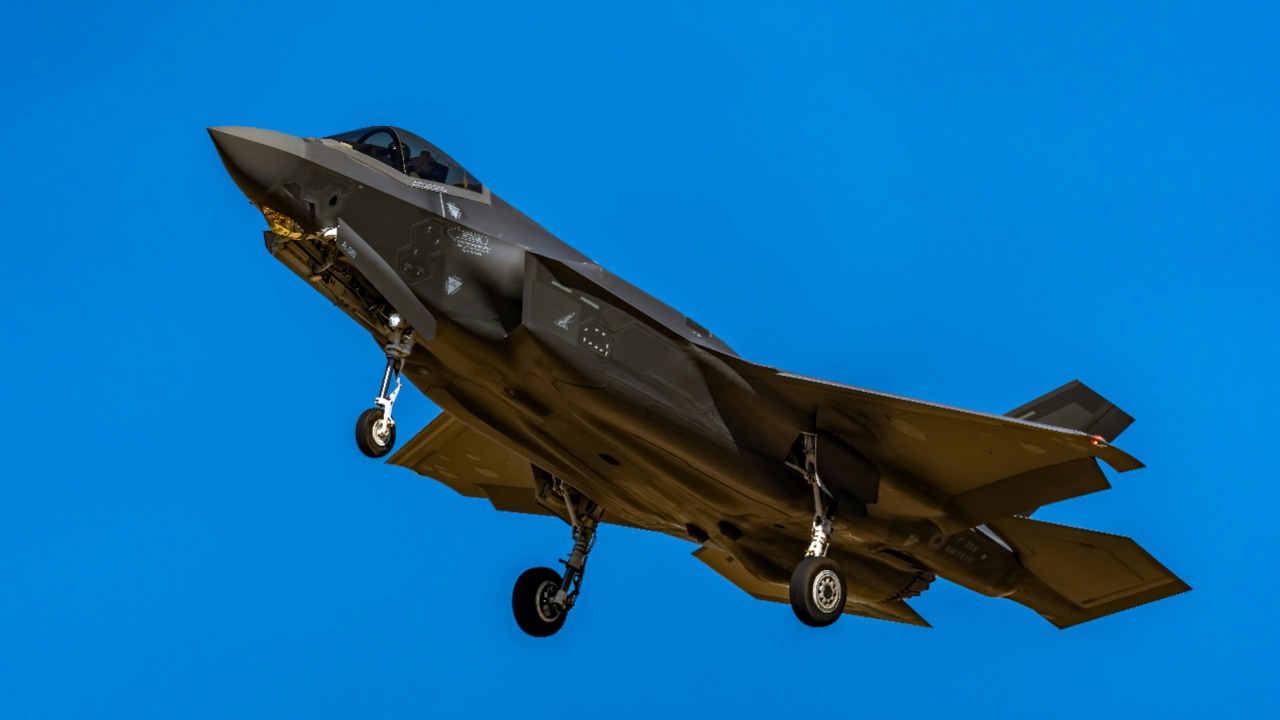
The inflatable F-35 decoy boasts a rapid deployment process. In just 10 minutes, the decoy can be inflated and positioned, ready to deceive enemy radar and visual detection systems. This quick setup is achieved without the need for specialized tools, making it a practical solution for dynamic combat scenarios.
The materials and equipment required for the decoy’s deployment are portable and easy to handle. This allows for seamless integration with existing military logistics, ensuring that the decoys can be deployed immediately when needed.
The inflatable F-35 decoy’s rapid deployment capability is a testament to its ingenious design. The decoy is packed into a compact, lightweight package that can be easily transported to the deployment site. Once there, it can be quickly inflated using a portable air pump. The decoy’s design allows it to maintain its shape and structural integrity even under adverse weather conditions, ensuring that it remains convincing to enemy detection systems.
The rapid deployment of the inflatable F-35 decoy is not just about speed, but also about ease of use. The decoy can be deployed by a small team with minimal training, making it a versatile tool that can be used in a wide range of scenarios. The deployment process has been streamlined to eliminate unnecessary steps and reduce the potential for errors. This ensures that the decoy can be deployed quickly and effectively, even under the pressures of combat.
Mimicking Stealth Characteristics
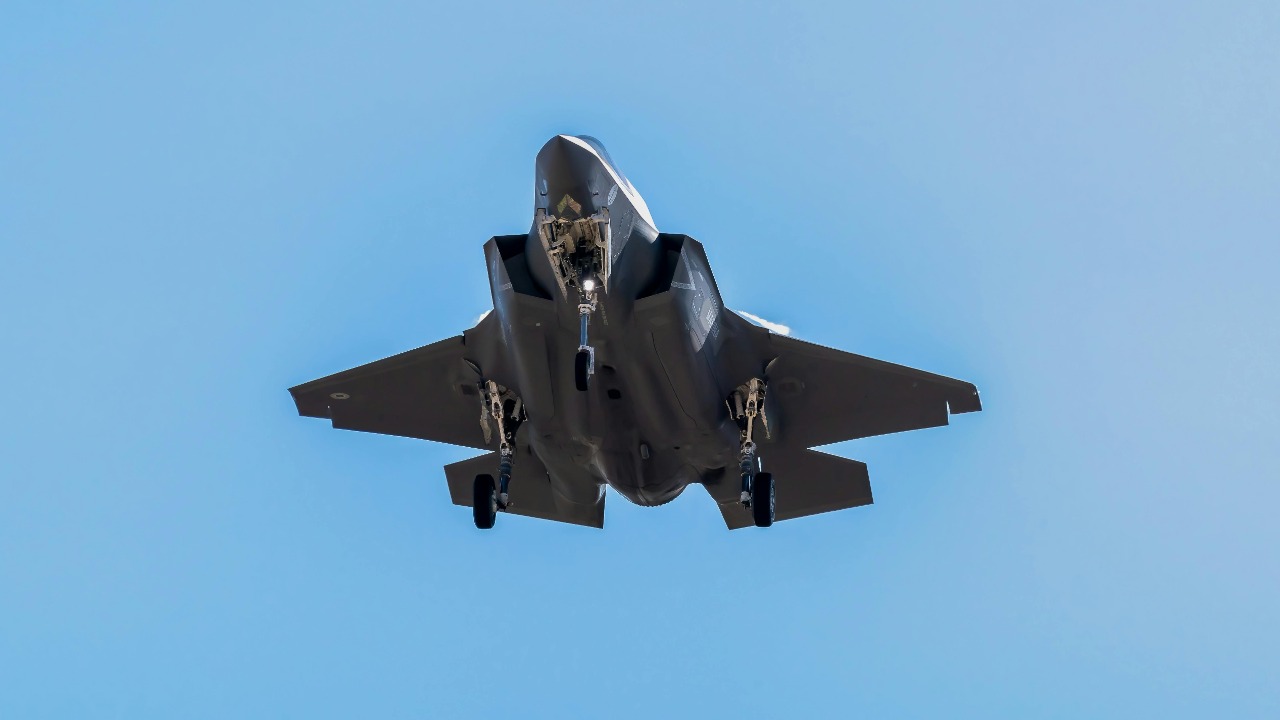
The inflatable decoy is designed to replicate the F-35’s stealth profile, fooling both visual and potentially infrared detection systems. Specialized fabrics or coatings are used to enhance the illusion of a real stealth jet from a distance. This level of deception is crucial in diverting enemy attention and resources away from actual F-35 jets.
However, like any technology, the inflatable decoy has its limitations. It may be vulnerable to close-range scrutiny, and measures must be taken to mitigate this. Despite these potential vulnerabilities, the decoy’s ability to mimic the F-35’s stealth characteristics makes it a valuable tool in modern warfare.
The inflatable F-35 decoy’s ability to mimic the stealth characteristics of the F-35 is a key aspect of its effectiveness. The decoy’s design incorporates features that replicate the F-35’s unique shape and surface materials, which are designed to absorb and scatter radar signals. This makes the decoy appear to be a real F-35 on radar screens, diverting enemy attention and resources away from actual F-35 jets.
While the inflatable F-35 decoy is primarily designed to fool radar systems, it also incorporates features that mimic the F-35’s visual and infrared characteristics. The decoy’s surface is coated with a material that reflects light in a similar way to the F-35’s skin, making it appear visually similar to the real jet. The decoy can also emit heat, mimicking the F-35’s infrared signature. These features make the decoy convincing to a wide range of detection systems, increasing its effectiveness in diverting enemy attention and resources.
Misleading Missiles and Enemy Firepower
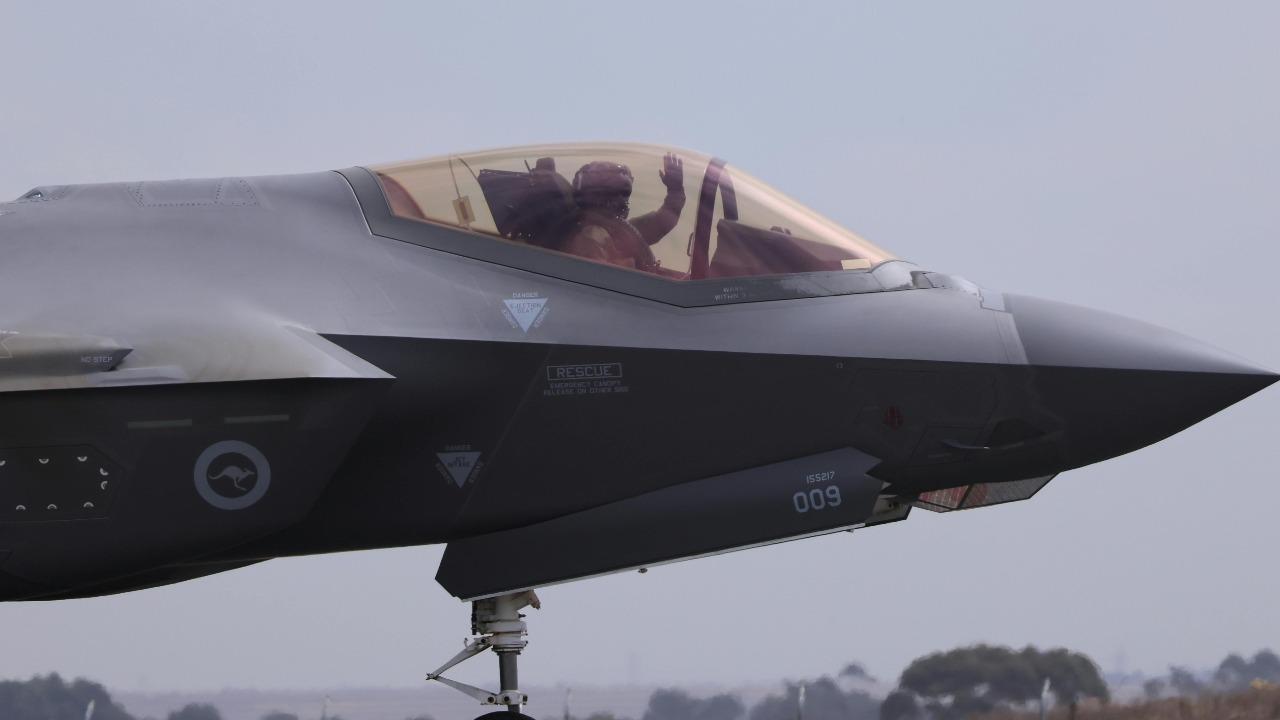
The primary role of the inflatable F-35 decoy is to divert surface-to-air or air-to-air missiles by presenting a convincing false target. By doing so, it can effectively drain enemy missile stockpiles and radar resources, reducing the threat to actual F-35 jets.
In scenarios where multiple decoys are deployed, the potential to exhaust enemy resources is even greater. However, the effectiveness of the decoys against advanced guidance systems in real-world engagements remains to be seen.
The inflatable F-35 decoy’s primary role is to mislead enemy missiles and firepower, but it also has secondary roles that contribute to its overall effectiveness. For example, the decoy can be used to create confusion and uncertainty among enemy forces, disrupting their decision-making processes and delaying their responses. The decoy can also be used to gather intelligence, by drawing enemy fire and revealing their positions and capabilities.
The inflatable F-35 decoy’s effectiveness in misleading missiles and enemy firepower is dependent on its ability to convincingly mimic the F-35’s signatures. This includes not only the jet’s visual and radar signatures, but also its infrared and acoustic signatures. By accurately replicating these signatures, the decoy can fool a wide range of enemy detection and targeting systems, increasing the likelihood that enemy missiles and firepower will be directed at the decoy rather than the real F-35 jets.
Operational Advantages in Combat

The use of inflatable decoys offers significant cost benefits. Instead of risking multimillion-dollar F-35 aircraft, inexpensive inflatables can be used to confuse and distract enemy forces. This not only protects valuable assets but also conserves resources.
The decoys can also be used tactically to protect airfields or convoys. By scattering decoys, attackers can be confused and their attacks diverted. The integration of these decoys with other decoy systems or electronic warfare can create layered defenses, further enhancing their effectiveness.
The inflatable F-35 decoy offers several operational advantages in combat. One of the most significant is its ability to extend the operational lifespan of actual F-35 jets. By diverting enemy attention and resources away from the real jets, the decoy can help to reduce wear and tear on the jets, extending their operational lifespan and reducing maintenance costs. The decoy can also help to reduce the risk of pilot injury or loss of life, by reducing the likelihood that the real jets will be targeted by enemy fire.
Another operational advantage of the inflatable F-35 decoy is its flexibility. The decoy can be deployed in a wide range of scenarios, from large-scale battles to covert operations. It can be used in conjunction with other decoys and electronic warfare systems to create complex deception strategies, increasing the likelihood of achieving tactical and strategic objectives. The decoy’s lightweight and compact design also make it easy to transport and deploy, adding to its operational flexibility.
Future Implications and Enhancements
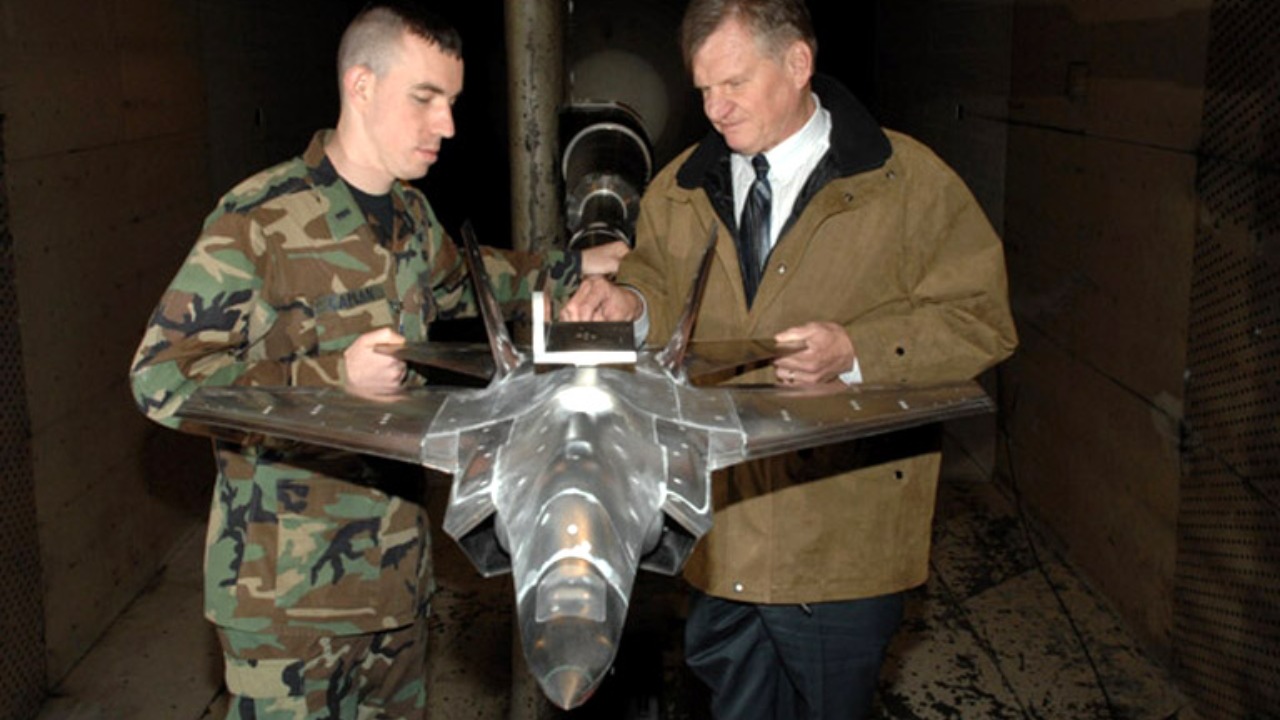
Looking to the future, there is potential for further enhancements to the inflatable F-35 decoy. Upgrades could include adding heat signatures or radar reflectors to improve missile deception. However, these possibilities remain speculative at this point.
The public reveal of this technology on October 3, 2025, marks a milestone in its development and potential adoption. The inflatable F-35 decoy could have far-reaching impacts on aerial warfare doctrines, particularly in terms of resource asymmetry against superior foes.
The inflatable F-35 decoy has significant potential for future enhancements. One area of potential improvement is the decoy’s ability to mimic the F-35’s electronic emissions. By incorporating technology that can replicate the F-35’s radio and data link emissions, the decoy could become even more convincing to enemy detection systems. This would increase the decoy’s effectiveness in diverting enemy attention and resources, further enhancing its value as a defensive tool.
The inflatable F-35 decoy could also have significant implications for future warfare doctrines. By demonstrating the effectiveness of deception strategies in modern warfare, the decoy could encourage the development of new tactics and technologies that leverage deception to achieve tactical and strategic objectives. This could lead to a shift in warfare doctrines, with greater emphasis placed on deception and psychological warfare.
