The prehistoric caves of India are a treasure trove of more than just archaeological artifacts. They bear witness to the early human fascination with the cosmos. Recent discoveries have brought to light rock paintings that could very well be the oldest known depictions of a supernova, estimated to be around 5,000 years old.
The Discovery of the Cave Paintings

The rock paintings were discovered in the Burzahom archaeological site in the Kashmir region of India. This discovery was made by a team of Indian and German researchers who were intrigued by the enigmatic symbols and figures etched onto the cave walls. The caves themselves have been a source of numerous archaeological findings, including tools, pottery, and remains of ancient human settlements.
The discovery of these paintings holds immense significance in both archaeology and astronomy. They provide insight into the understanding and interpretation of celestial events by ancient societies. The cave paintings also offer a rare glimpse into the cultural and spiritual dimensions of these societies, further enriching our understanding of human history.
Interpretation of the Paintings
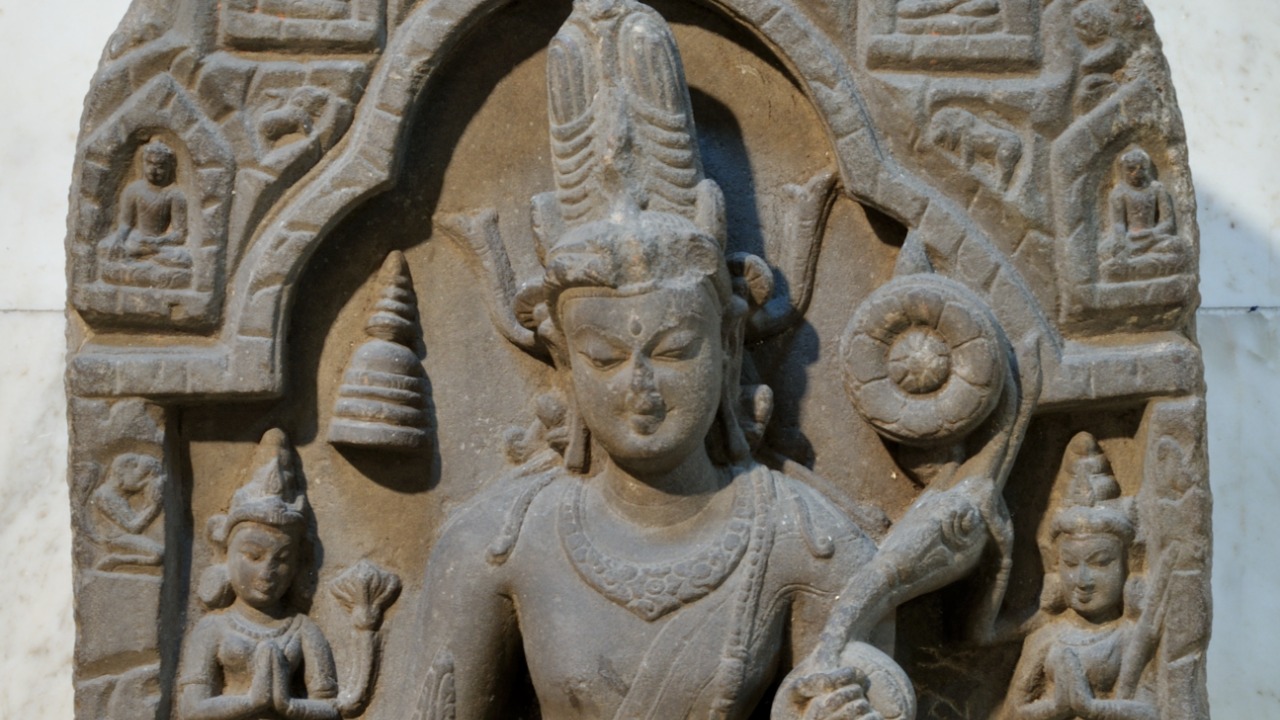
The rock art discovered in the Burzahom site is rich in detail and complexity. The paintings depict various figures, symbols and, most notably, a distinct astronomical event. Among these figures is a pair of bright objects in the sky, with rays of light emanating from them. This has led to the theory that the paintings may represent a supernova event, a powerful and rare celestial occurrence.
The notion that these paintings depict a supernova is reinforced by comparing them with other ancient astronomical depictions worldwide. Around the same period, similar depictions of star-like figures were found in rock art across different cultures, suggesting a global observance of significant celestial events.
The Supernova HB9
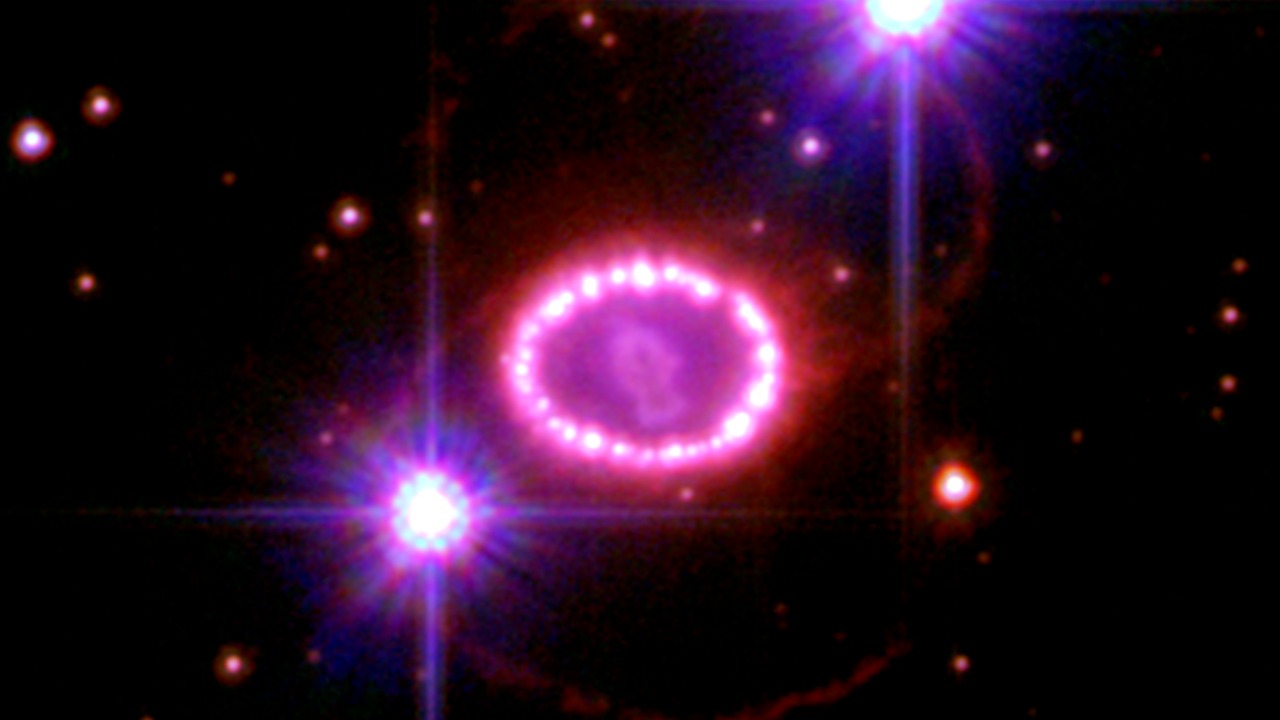
A supernova is a dramatic event where a star explodes, releasing an enormous amount of light and energy. The supernova HB9 is believed to have occurred around 4,600 years ago. Researchers have found a correlation between the timing of this event and the estimated age of the cave paintings. It’s believed that the event was so significant that it was recorded by the people of the time in the form of these cave paintings.
This correlation is not only fascinating from an astronomical perspective but also offers insights into the significance of such events in ancient societies. It suggests that the people of the time had a deep understanding of celestial events and their implications.
Controversy Surrounding the Findings

While the interpretation of the paintings as a depiction of a supernova is widely accepted, there are differing viewpoints within the academic community. Some argue that the paintings could represent other celestial events like comets or meteors, which were also significant astronomical phenomena observed by ancient societies.
The debate underscores the need for further research and verification. While the correlation between the paintings and the supernova HB9 is compelling, more evidence is required to conclusively establish this link. The debate also highlights the importance of multidisciplinary approaches in archaeological research, combining astronomy, history, and art to understand our past.
The Role of Astronomy in Ancient Cultures
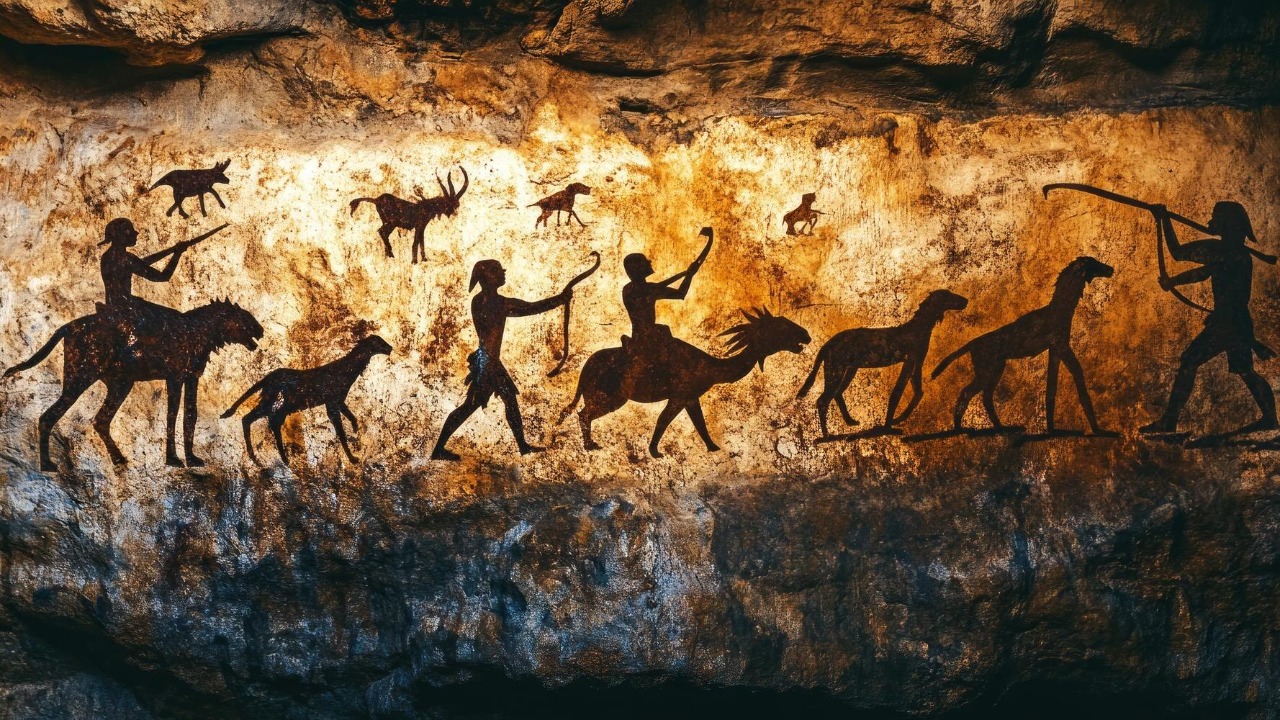
Astronomy played a crucial role in ancient societies, not just in India, but around the world. Ancient cultures used their understanding of the cosmos to navigate, tell time, and even plan agricultural activities. The cave paintings in India are a testament to this deep-rooted connection between ancient societies and the cosmos.
There is also ample evidence of astronomical knowledge in other ancient Indian artworks and scriptures. The Rigveda, one of the oldest known texts in the world, contains numerous references to celestial bodies and events. Similarly, other cultures such as the ancient Egyptians and the Mayans also had an advanced understanding of astronomy, as evidenced by their respective artworks and architectural designs. This universal fascination with the cosmos is a testament to human curiosity and the quest for understanding our place in the universe.
