Recent studies of ice core samples have uncovered significant evidence of an atmospheric collapse that occurred approximately 12,000 years ago. This era, known as the Younger Dryas, was marked by dramatic climate shifts that left a lasting impact on the planet. By analyzing these ancient ice records, scientists are unraveling the mysteries of this period and its implications for understanding climate change today.
The Discovery of Ice Cores

Ice cores are cylindrical samples extracted from ice sheets and glaciers that serve as invaluable time capsules for climate research. These cores contain layers of ice that have accumulated over millennia, trapping air bubbles, dust, and other particles that provide a detailed record of past atmospheric conditions. As such, they offer a direct window into historical climates, allowing scientists to infer temperature, precipitation, and atmospheric composition from different time periods.
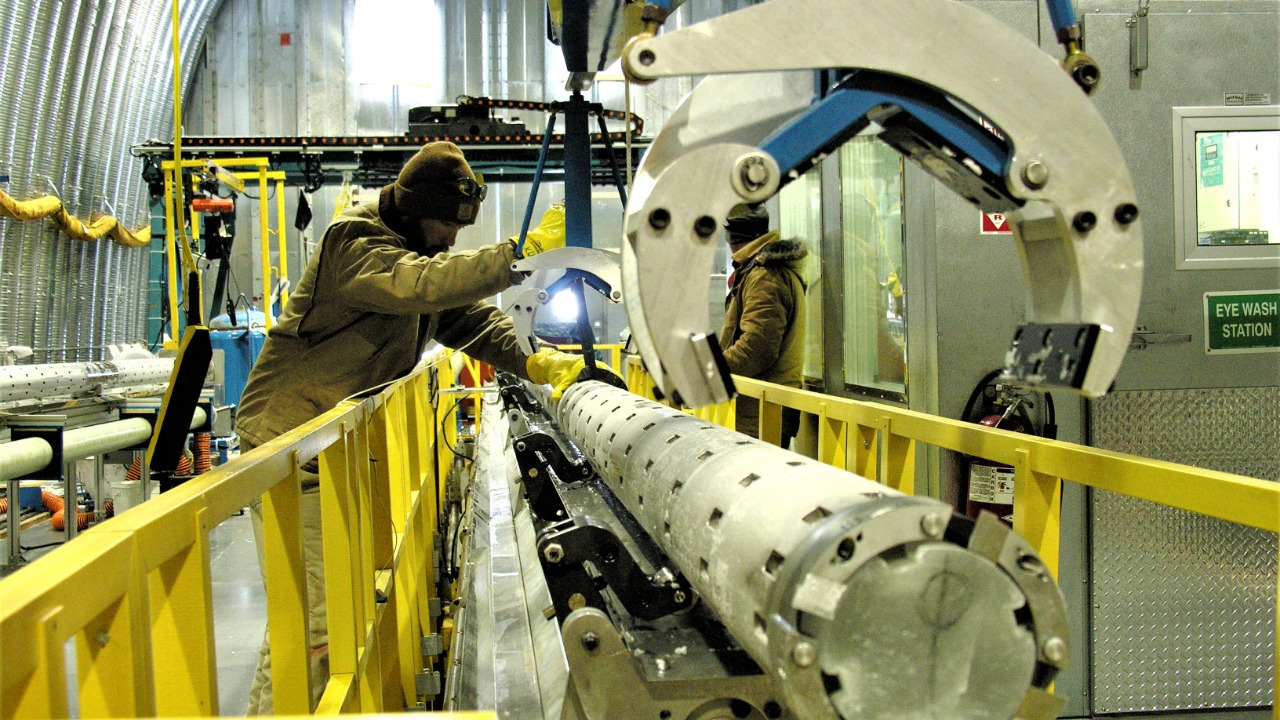
The process of extracting and analyzing ice cores involves drilling deep into the ice sheets, often reaching depths of several kilometers. Advanced drilling technology is used to retrieve these cores without contaminating the samples. Once extracted, the cores are carefully analyzed in laboratories, where scientists examine the various layers to gather data on past climates. Techniques such as isotope analysis and gas chromatography help identify the chemical signatures preserved within the ice, offering insights into temperature fluctuations, greenhouse gas concentrations, and other climatic variables.
Atmospheric Collapse 12,000 Years Ago

Recent studies have revealed compelling evidence from ice cores that points to a sudden atmospheric collapse during the Younger Dryas period. This event is characterized by chemical and isotopic markers that indicate a rapid and dramatic shift in climate. Ice core records show a sudden drop in temperatures and the presence of dust layers, suggesting increased aridity and changes in wind patterns.
This atmospheric collapse had profound impacts on global climate systems. The abrupt cooling disrupted ocean currents, leading to changes in weather systems and precipitation patterns. The exact causes of this event remain a topic of ongoing research, with theories ranging from freshwater influxes into the North Atlantic to volcanic eruptions and extraterrestrial impacts. Understanding these triggers is crucial for comprehending the complex interplay of factors that can lead to rapid climate changes.
Implications for Modern Climate Science
The study of past climate changes, like the Younger Dryas, offers valuable lessons for today’s climate challenges. By understanding how the Earth’s climate system has responded to dramatic shifts in the past, scientists can improve current climate models and predictions. These historical data points help refine our understanding of climate dynamics, enhancing our ability to anticipate and prepare for future changes.
Ice cores continue to play a vital role in climate research. They provide a long-term perspective that complements modern observational data, allowing researchers to detect patterns and trends that may not be evident in shorter timeframes. By integrating ice core findings with satellite data and other sources, scientists can develop a more comprehensive understanding of the factors driving climate change and better inform policy decisions aimed at mitigating its impacts.
The Younger Dryas and Human Civilization
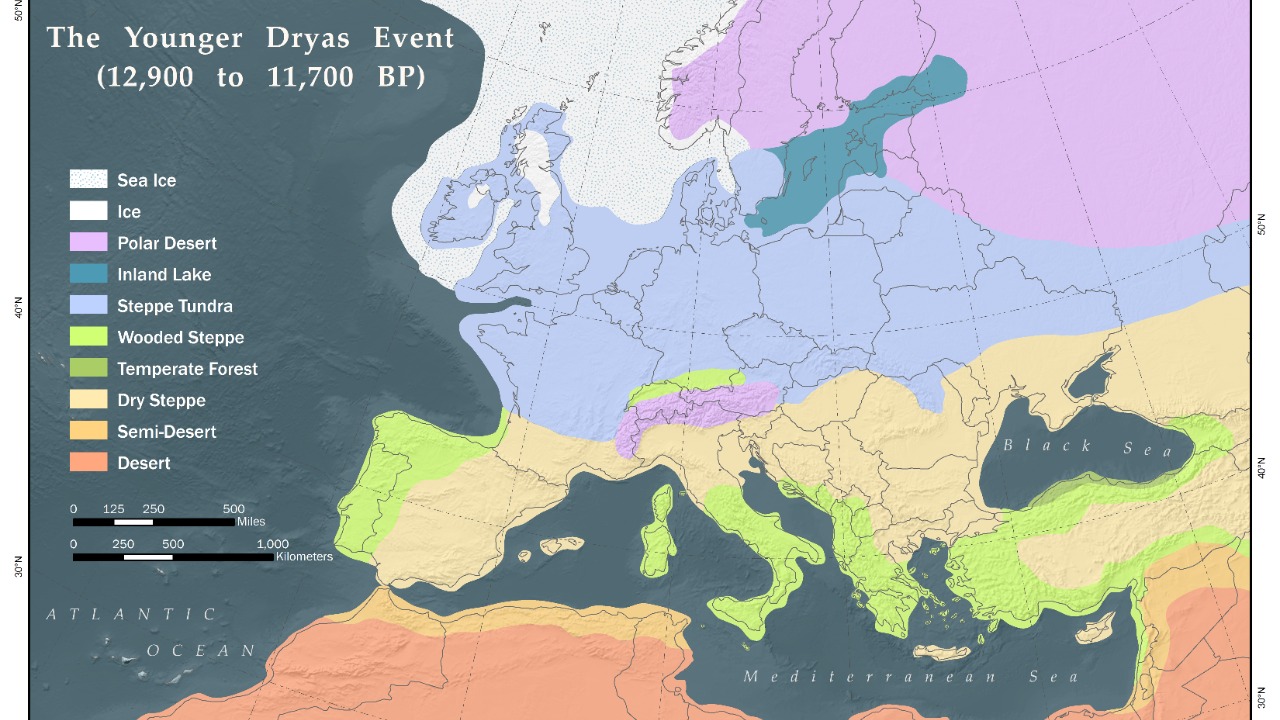
The Younger Dryas period had significant implications for early human societies. As the climate shifted, these populations faced new challenges related to food security, migration, and settlement patterns. Some researchers argue that the abrupt cooling may have spurred human innovation, leading to the development of agriculture as communities sought to adapt to changing conditions. This period of climatic stress likely influenced the course of human history, shaping the development of civilizations around the world.
Ancient societies demonstrated remarkable adaptive strategies and resilience in the face of these challenges. By examining how these communities survived and thrived during periods of environmental stress, modern societies can draw valuable lessons in resilience and adaptability. Understanding how past populations coped with climate changes can inform contemporary approaches to sustainable development and disaster preparedness.
Future Directions in Ice Core Research
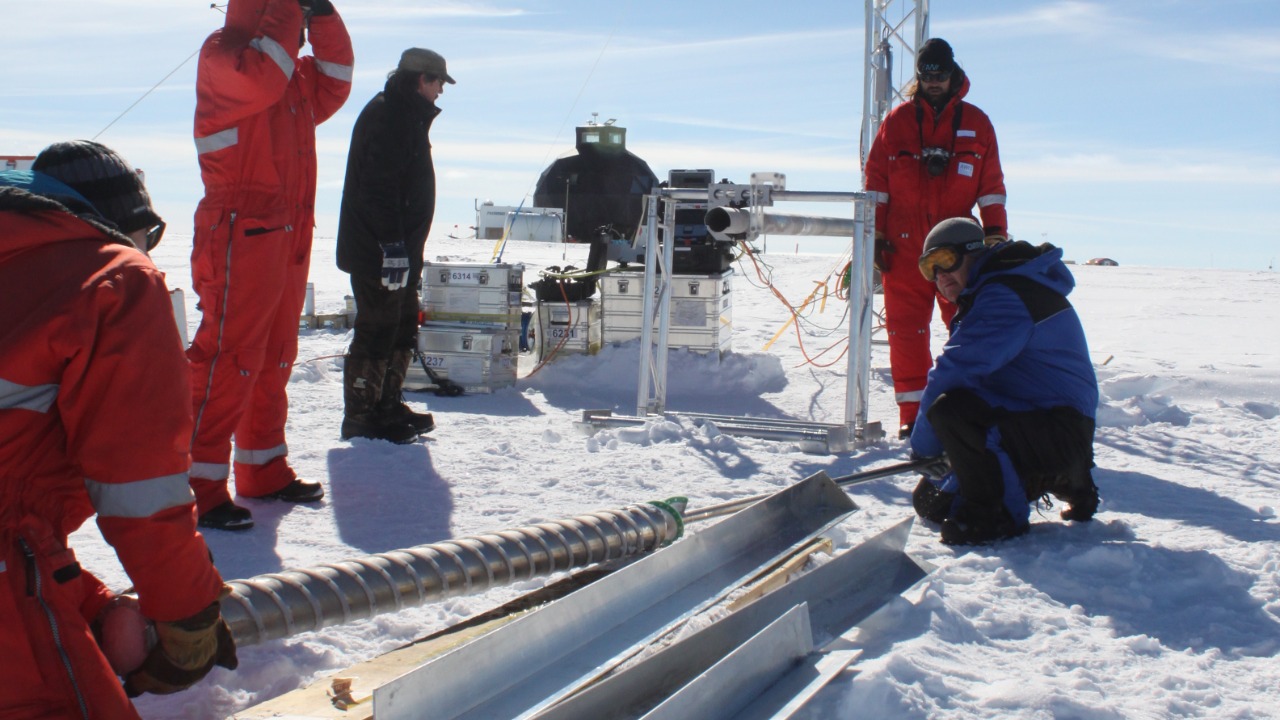
The field of ice core research is constantly evolving, with technological advancements paving the way for new discoveries. Recent innovations in drilling and analytical techniques have made it possible to extract longer and more detailed ice cores, providing a richer and more nuanced understanding of past climates. These advancements hold the promise of uncovering previously hidden details about Earth’s climatic history, offering new insights into the forces that drive climate change.
Expanding the scope of ice core studies presents both challenges and opportunities. Researchers are increasingly looking to extract cores from a wider range of locations, including tropical and alpine glaciers, to gain a more comprehensive picture of global climate patterns. These efforts could reveal new information about regional climate variability and its impacts on ecosystems and societies. As the field continues to grow, collaboration between scientists, policymakers, and communities will be essential to ensure that the insights gained from ice core research are effectively applied to address the pressing climate challenges of our time.
