In a remarkable discovery, a 75,000-year-old cave in Norway has revealed a treasure trove of Ice Age animal remains, offering a rare snapshot of a vanished Arctic world and a complex Ice Age community that once thrived there. This find provides invaluable insights into the prehistoric conditions and biodiversity of the region, shedding light on the interactions between ancient species and their environment.
The Discovery Site in Norway
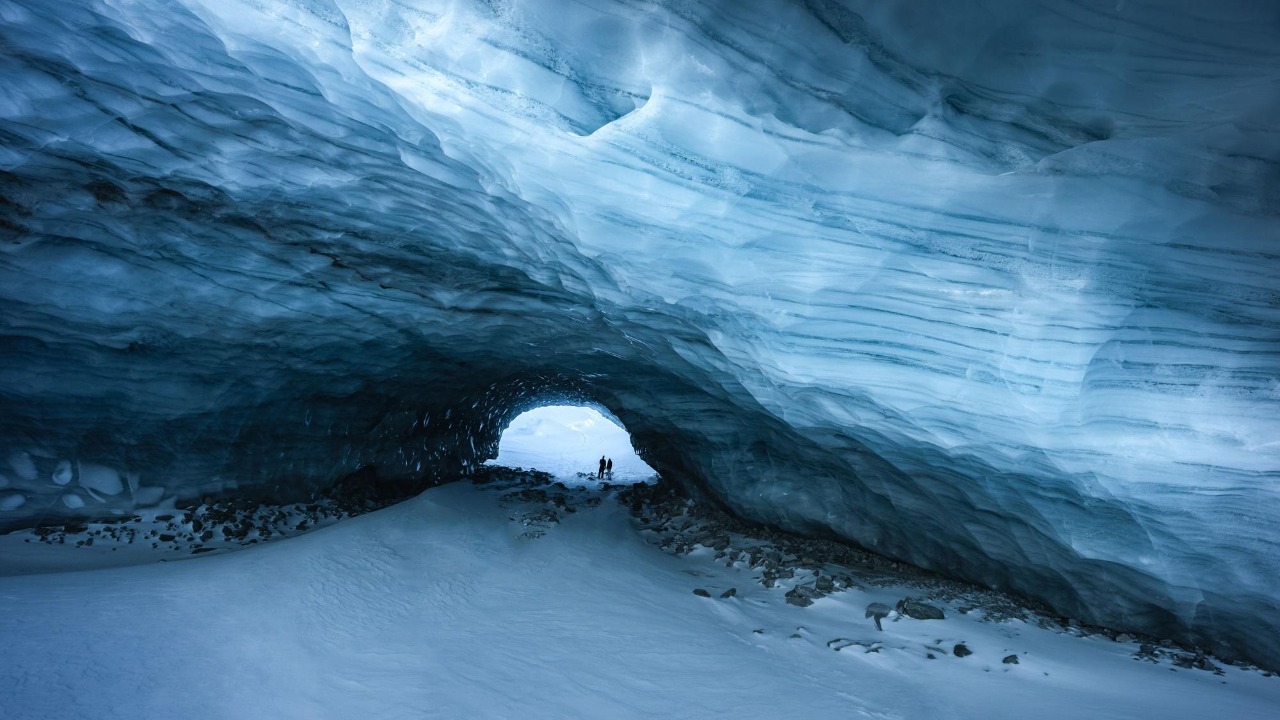
The cave, located in the Arctic region of Norway, serves as a time capsule preserving the remnants of a lost world from the Ice Age. Its Arctic setting is crucial, as it offers a unique glimpse into the environmental conditions that prevailed 75,000 years ago. The cave’s preservation of these remains is a testament to the harsh yet life-sustaining conditions of the prehistoric Arctic landscape (Indian Defence Review).
The significance of the site’s age cannot be overstated. At 75,000 years old, the cave provides a detailed snapshot of prehistoric conditions, allowing researchers to piece together the ecological dynamics of the time. This discovery not only enriches our understanding of the Ice Age but also highlights the resilience and adaptability of life in extreme environments (Discover Magazine).
The Ice Age Animal Remains
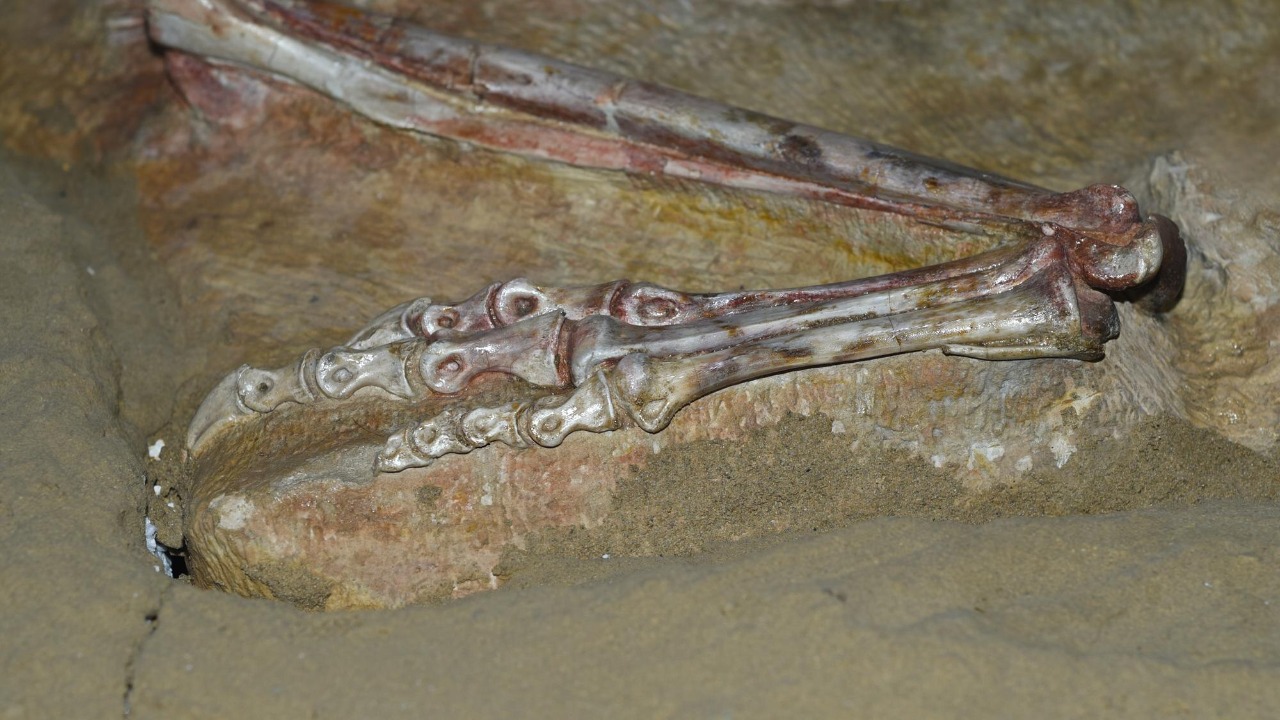
The cave’s treasure trove of Ice Age animal remains includes a diverse array of species that once roamed the Arctic. These remains are pivotal in unveiling a lost world, providing concrete evidence of the biodiversity that existed in Norway’s prehistoric Arctic environment. The discovery includes bones and other artifacts that paint a vivid picture of the ecosystem and the species that inhabited it (Discover Magazine).
These 75,000-year-old remains are not just relics of the past; they are key artifacts that offer insights into the complex interactions between the Ice Age community and their environment. The evidence suggests a sophisticated network of life, where various species coexisted and adapted to the challenges of the Arctic climate (Indian Defence Review).
Insights into the Vanished Arctic World

The remains found in the cave provide a rare snapshot of a vanished Arctic world, offering a window into the biodiversity that once thrived in this harsh landscape. The evidence gathered from these remains highlights the ecological richness of the prehistoric Norwegian landscape, revealing a complex web of life that has long since disappeared (The Debrief).
Through the analysis of these remains, researchers can reconstruct the lost Arctic world, gaining insights into the environmental dynamics and species interactions that characterized the region 75,000 years ago. This discovery not only enhances our understanding of the past but also informs current studies on climate change and its impact on Arctic ecosystems (Indian Defence Review).
Moreover, the discovery of these remains allows scientists to delve deeper into the climatic conditions that prevailed during the Ice Age. By examining isotopic compositions and other chemical signatures in the bones, researchers can infer temperature fluctuations and seasonal changes that affected the Arctic environment. This information is crucial for understanding how ancient species adapted to survive in such a challenging climate, providing a clearer picture of the evolutionary pressures they faced (The Debrief).
Additionally, the cave’s findings contribute to our knowledge of migration patterns and population dynamics of Ice Age species. The presence of certain animal remains suggests that these species might have traveled vast distances in search of food and suitable habitats, indicating a level of mobility and adaptability that was previously underestimated. This aspect of the research highlights the interconnectedness of Ice Age ecosystems and the role of the Arctic as a critical habitat for diverse species (Indian Defence Review).
Implications for Ice Age Research
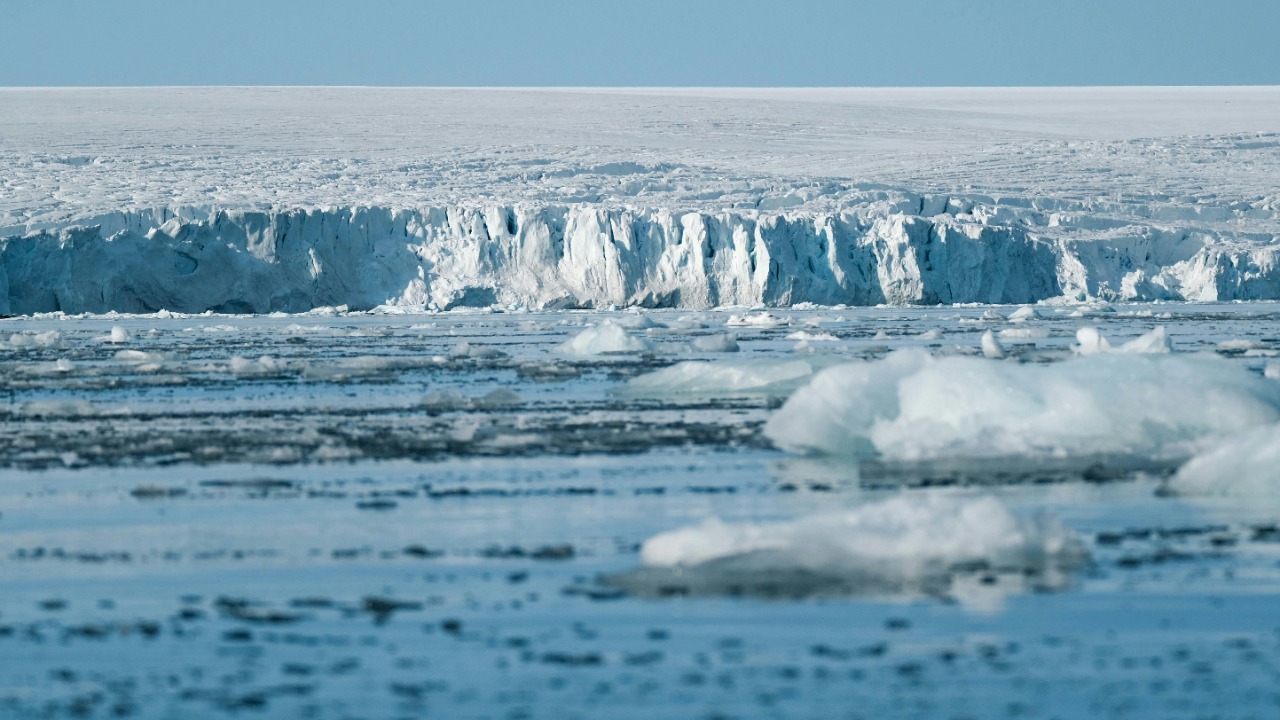
The findings from the 75,000-year-old cave in Norway have significant implications for Ice Age research, revealing a complex community that thrived in the Arctic. This discovery provides a broader snapshot of a lost world, offering valuable data that can be used to understand the environmental dynamics of the Ice Age and the adaptations of species to extreme conditions (The Debrief).
The Norway-based discovery is a crucial piece in the puzzle of Ice Age research, shedding light on the interactions between species and their environment. It underscores the importance of preserving and studying such sites to gain a deeper understanding of our planet’s history and the forces that have shaped its current state (Indian Defence Review).
Furthermore, the data obtained from this site can be used to refine models of Ice Age climate and environmental conditions. By integrating these findings with other archaeological and paleontological data, scientists can develop more accurate reconstructions of past climates, which are essential for predicting future climate scenarios. This research underscores the importance of interdisciplinary approaches in understanding the complexities of Earth’s climatic history (Discover Magazine).
The implications extend beyond academic research, as these insights can inform conservation strategies in the Arctic. Understanding how species historically adapted to climate changes can guide current efforts to protect Arctic biodiversity in the face of modern climate challenges. This discovery serves as a reminder of the resilience of life and the ongoing need to preserve the delicate balance of Arctic ecosystems (Indian Defence Review).
