Despite a global downturn in the hydrogen vehicle market, Hyundai Motor continues to invest in hydrogen energy, reinforcing its commitment towards sustainable mobility solutions. This decision comes at a time when other automakers are pulling back from fuel cell vehicle development due to a slump in sales.
Recent Trends in Global Hydrogen Vehicle Sales
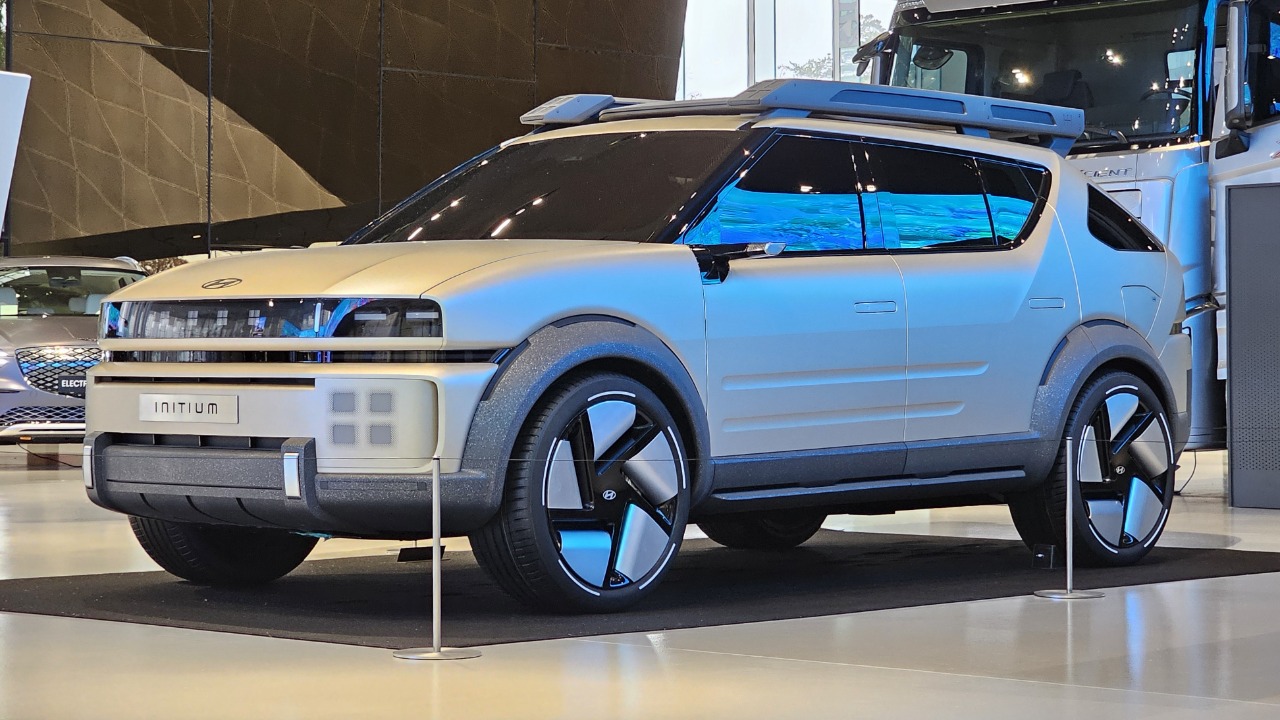
In Q1 2023, the global hydrogen vehicle market experienced a significant decline in sales. This downturn was attributed to a variety of factors, including technological challenges, infrastructure readiness, and market acceptance. These hurdles have made it difficult for hydrogen vehicles to gain traction in the global market, despite their potential for sustainable mobility solutions. Fuel Cells Works provides an in-depth analysis of these contributing factors.
South Korea, home to Hyundai Motor, has also seen a slump in hydrogen vehicle sales. From January to April 2025, sales of these vehicles significantly decreased, reflecting the broader global trend. This decline provides insight into the domestic market dynamics and the challenges faced by hydrogen vehicles in gaining market acceptance. The Korea Times provides further details on this trend.
Hyundai’s Stance on Hydrogen Investments
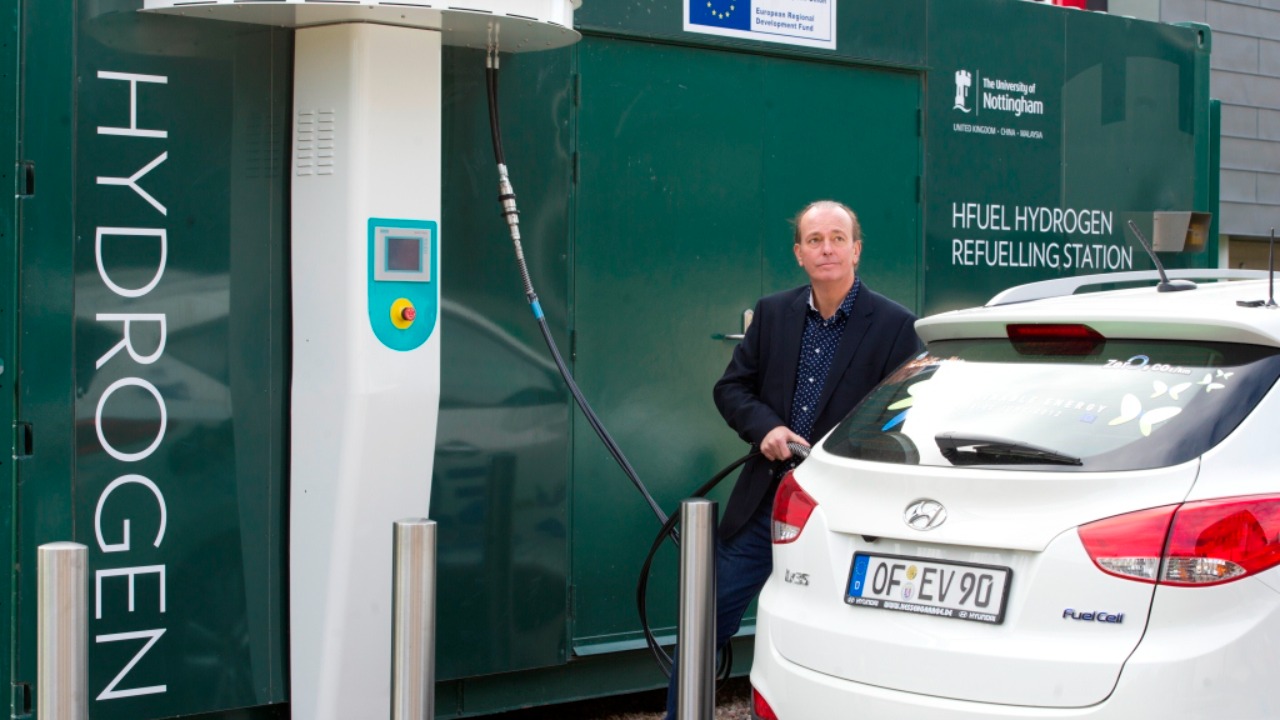
Despite the sales slump, Hyundai Motor continues to invest in hydrogen energy. This decision signifies the company’s dedication to sustainable mobility solutions and its belief in the potential of hydrogen as a fuel. Hyundai’s continued investment in this sector, even amid a downturn, demonstrates its commitment to the development of hydrogen vehicles. Digitimes provides more information on Hyundai’s stance.
Hyundai’s strategy and outlook on hydrogen as a fuel are optimistic. The company believes in the importance and potential of hydrogen, viewing it as a promising solution for sustainable mobility. This perspective is detailed in an article by Financial Times.
Hyundai’s commitment to hydrogen energy is not just a statement of intent, but is backed by tangible actions. The company has been actively investing in research and development to overcome the technological challenges that have hindered the widespread adoption of hydrogen vehicles. Hyundai’s efforts are aimed at improving the efficiency and reliability of hydrogen fuel cells, which are key components of these vehicles. The company’s research is also focused on reducing the cost of these fuel cells, which is a major barrier to market acceptance. Digitimes provides more information on Hyundai’s research and development efforts.
Furthermore, Hyundai is not just investing in the technology, but also in the infrastructure required to support hydrogen vehicles. The company is working on developing hydrogen refueling stations, which are crucial for the practicality and convenience of these vehicles. Hyundai’s investment in infrastructure demonstrates its comprehensive approach to promoting hydrogen vehicles, addressing not just the vehicles themselves, but also the ecosystem that supports them. Financial Times provides further details on Hyundai’s infrastructure investments.
The Future of Hydrogen Fuel Cell Vehicle Development
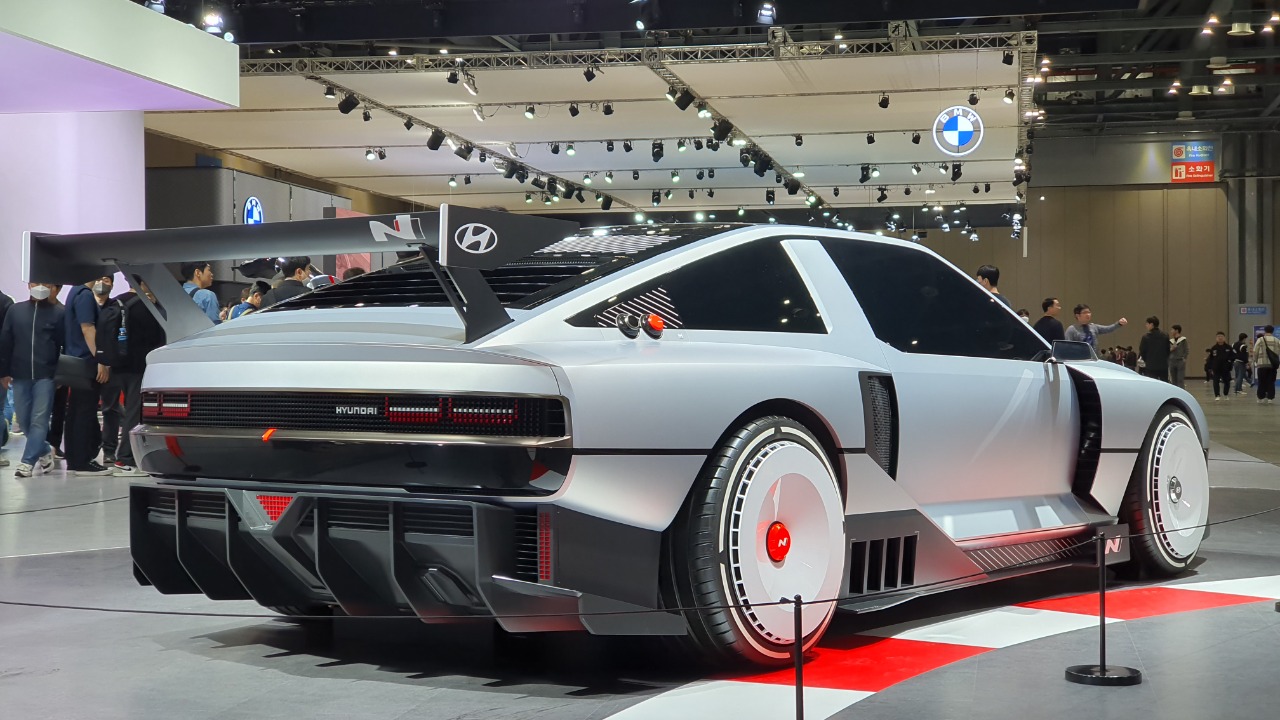
While Hyundai continues to invest in hydrogen energy, other automakers are pulling back from hydrogen fuel cell vehicle development. This contrast highlights Hyundai’s unique approach and commitment to hydrogen vehicles. Auto News discusses the withdrawal of other automakers from this sector.
Looking ahead, the future of the hydrogen vehicle market will likely be shaped by Hyundai’s sustained investment. Despite the current challenges, the company’s commitment could lead to advancements in technology and infrastructure that boost market acceptance of hydrogen vehicles. The potential future trends and developments in the hydrogen vehicle market are explored in the Financial Times.
Hyundai’s continued investment in hydrogen energy and fuel cell vehicle development could potentially influence other automakers to reconsider their stance on this technology. Hyundai’s commitment sends a strong message to the industry about the viability of hydrogen vehicles, which could encourage other companies to invest in this sector. This could lead to a resurgence in the development of hydrogen vehicles, reversing the current trend of withdrawal. Auto News discusses the potential impact of Hyundai’s commitment on the industry.
Moreover, Hyundai’s sustained investment could lead to significant advancements in hydrogen vehicle technology and infrastructure. These advancements could address the current challenges facing the market, such as the high cost of fuel cells and the lack of refueling infrastructure. This could boost the market acceptance of hydrogen vehicles and drive their sales. The potential impact of Hyundai’s investment on the future of the hydrogen vehicle market is explored in the Financial Times.
