Hyundai is embarking on an ambitious project to revolutionize the shipping industry by developing a nuclear-powered container ship. This innovative vessel will utilize small modular reactors (SMRs) for propulsion, promising significant advancements in efficiency and sustainability. Hyundai’s initiative to integrate nuclear technology into maritime operations could transform the global shipping landscape, setting new standards for environmental responsibility.
The Vision Behind Nuclear-Powered Shipping
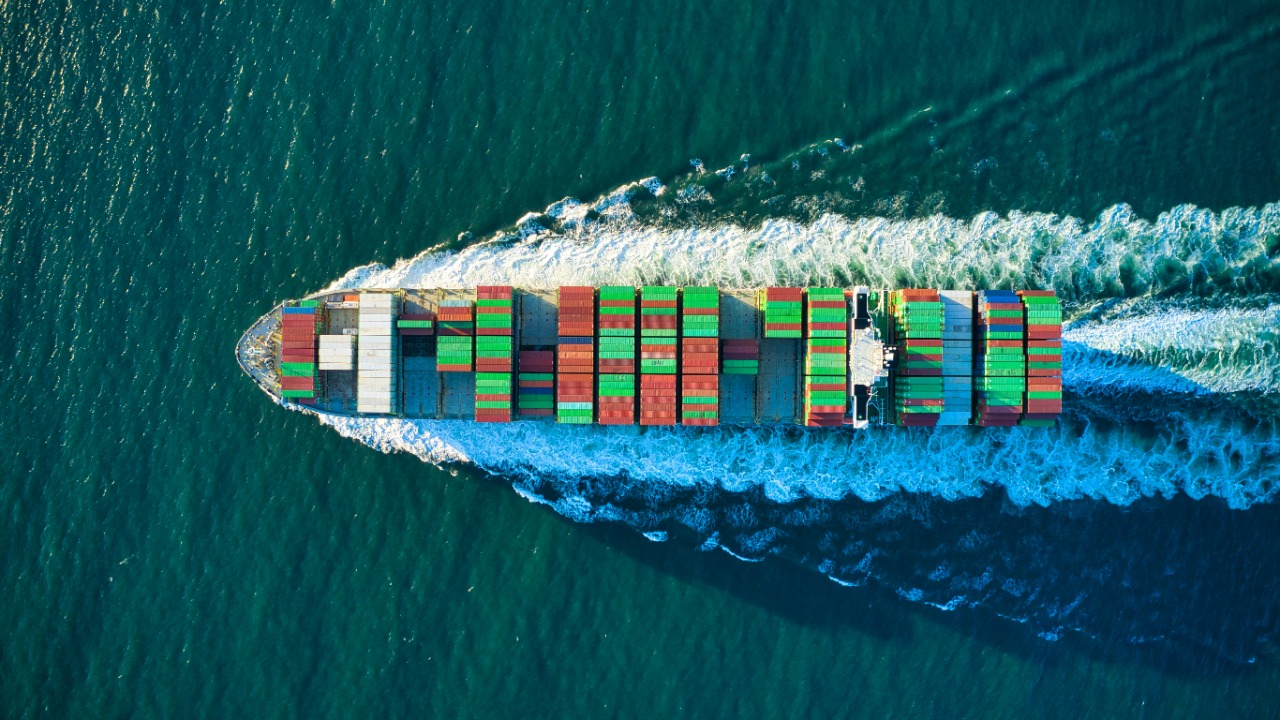
Hyundai’s commitment to innovation is evident in its strategic decision to explore nuclear-powered solutions for the maritime industry. By choosing to develop a container ship powered by small modular reactors, Hyundai aims to lead the charge in creating a more sustainable shipping future. This bold move aligns with their broader strategy to push the boundaries of technological advancement and address the pressing issue of carbon emissions. The company’s vision extends beyond mere technological adoption; it represents a shift towards environmentally friendly practices that could reshape the industry as a whole.
One of the most compelling aspects of this initiative is the potential environmental benefits. Traditional fossil fuel-powered ships significantly contribute to carbon emissions, which are a major concern in the fight against climate change. By utilizing small modular reactors, Hyundai’s nuclear-powered vessels promise to reduce these emissions dramatically. This reduction is not only beneficial for the environment but also positions Hyundai as a forward-thinking leader who is committed to sustainable practices in a rapidly changing world.
How Small Modular Reactors Work

Small modular reactors (SMRs) are a game-changer in the field of nuclear technology. Unlike traditional nuclear reactors, SMRs are compact, factory-fabricated units that can be easily transported and assembled. They operate using the same basic principles of nuclear fission but on a smaller, more manageable scale. This technology allows for increased flexibility and scalability, making it particularly suitable for maritime applications. The compact size of SMRs also means they can be integrated into a ship’s design without requiring significant structural changes.
In the maritime context, the advantages of SMRs are manifold. One key benefit is enhanced safety. SMRs incorporate advanced safety features that minimize the risk of accidents, and their modular nature allows for incremental deployment, reducing upfront costs. Additionally, the use of nuclear power in shipping can lead to significant operational cost savings. By reducing reliance on expensive fossil fuels, shipping companies can achieve greater cost-efficiency and stability in their operations, ultimately benefiting consumers through lower shipping costs.
Challenges and Controversies
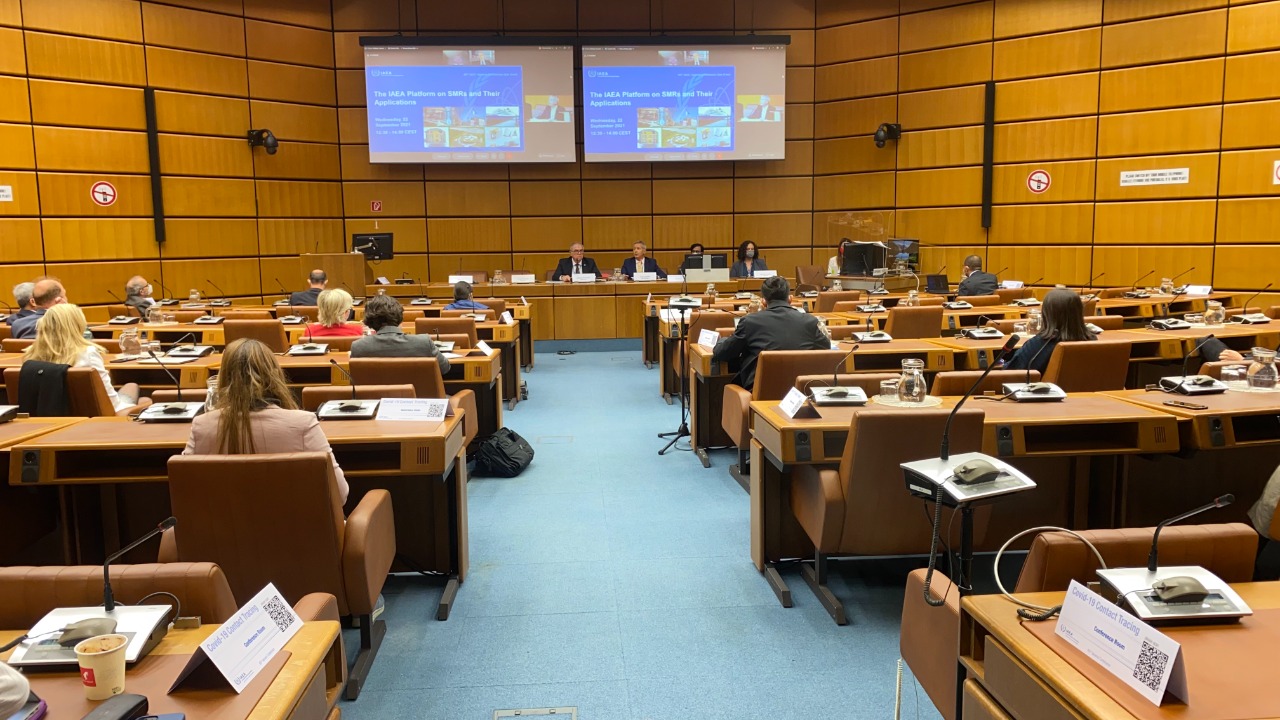
While the potential of nuclear-powered shipping is immense, there are several challenges and controversies to navigate. One major hurdle is the complex international regulatory landscape. Integrating nuclear technology into commercial shipping requires navigating a web of regulations that vary from country to country. This includes ensuring compliance with safety standards, obtaining necessary permits, and addressing potential environmental impact concerns. The path to widespread adoption of nuclear-powered ships will likely require significant collaboration between industry leaders, governments, and regulatory bodies.
Public perception and safety concerns also pose significant challenges. The idea of nuclear-powered vessels may raise alarms for some, given historical incidents associated with nuclear technology. However, Hyundai is taking extensive measures to address these concerns and ensure the safety of their ships. The company is likely to implement rigorous safety protocols and engage in transparent communication with the public to alleviate fears. By demonstrating the safety and reliability of SMRs, Hyundai aims to build trust and pave the way for broader acceptance of this innovative technology.
Impact on the Shipping Industry
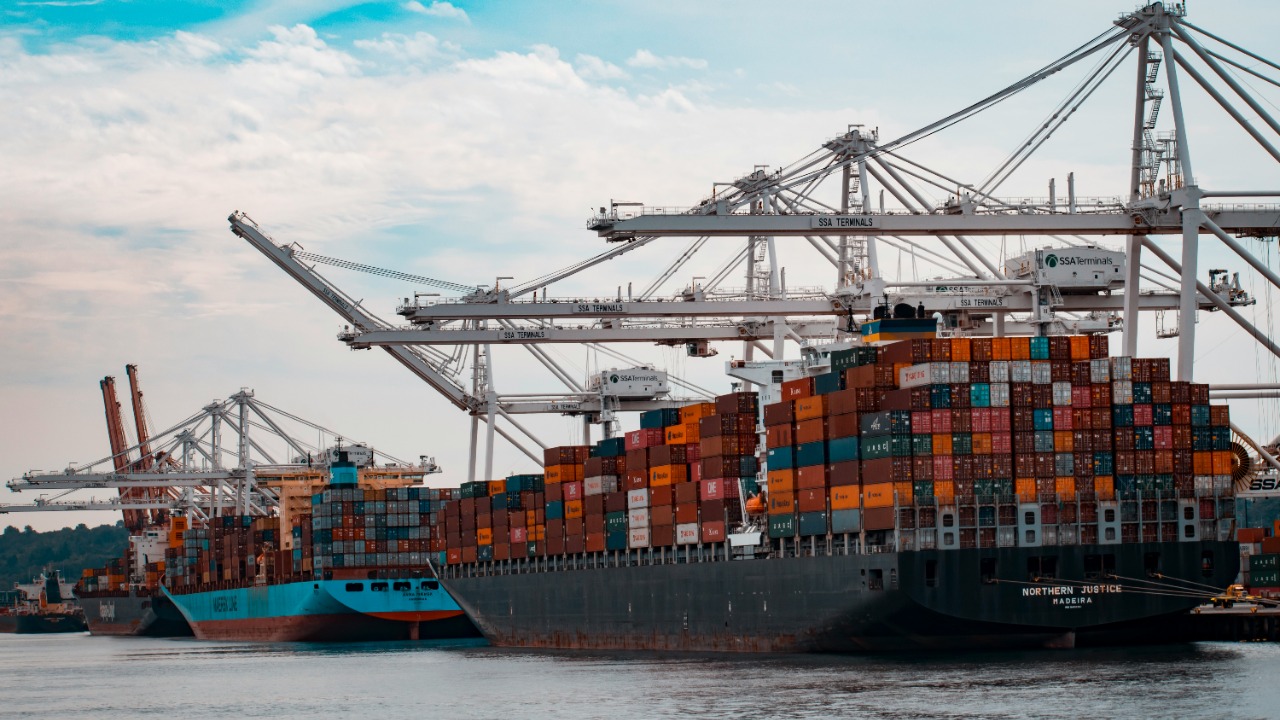
The integration of nuclear power into shipping has the potential to transform the industry by increasing efficiency and cost-effectiveness. Nuclear-powered ships could significantly reduce fuel costs, which are one of the biggest expenses in maritime operations. This cost reduction, coupled with increased operational efficiency, could lead to a more competitive shipping landscape. Companies that adopt nuclear technology may gain a significant advantage over those that continue to rely on traditional fossil fuels.
The industry response to Hyundai’s initiative has been mixed. While some competitors may be skeptical, others see it as an opportunity to innovate and remain competitive. Stakeholders in the shipping industry are closely watching how Hyundai’s nuclear-powered ships perform and the ripple effects they may have on global shipping logistics. If successful, this initiative could prompt a wave of similar projects, further driving the adoption of nuclear technology across the industry.
Future Prospects and Innovations
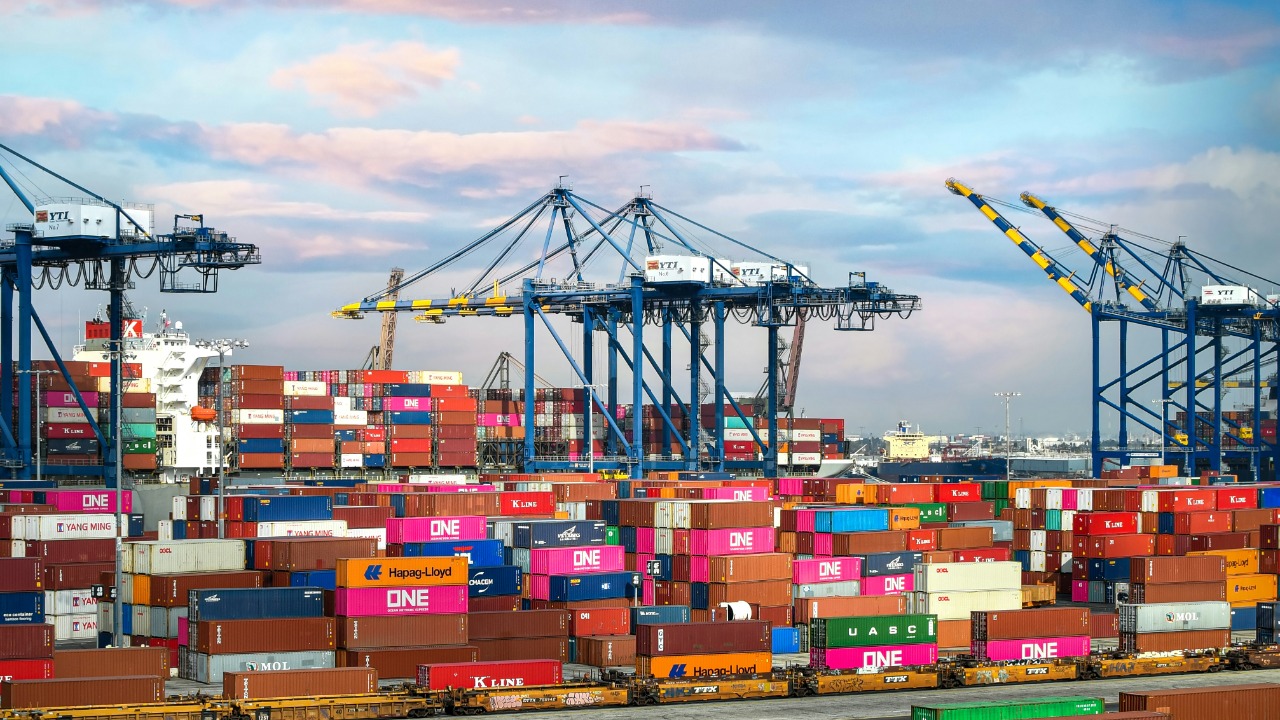
The potential for expanding nuclear technology in maritime applications extends beyond container ships. There is a possibility for broader adoption of nuclear propulsion in other types of vessels, such as cruise ships and tankers. This expansion could lead to a more sustainable maritime industry as a whole, reducing the overall environmental impact of global shipping operations. As nuclear technology continues to evolve, it may open up new opportunities for innovation and collaboration within the industry.
Hyundai’s long-term vision for nuclear technology is ambitious, yet grounded in a commitment to sustainability and innovation. The company’s plans likely include continued research and development to improve the efficiency and safety of their nuclear-powered vessels. By investing in this groundbreaking technology, Hyundai is setting the stage for a future where nuclear power plays a central role in maritime operations. This aligns with their broader strategy to remain at the forefront of technological advancement and to lead the industry towards a more sustainable future.
As Hyundai takes this bold step towards the future of shipping, the world watches with anticipation. The successful implementation of nuclear-powered container ships could redefine the standards of maritime engineering and pave the way for a cleaner, more efficient shipping industry. For more updates, follow Hyundai’s journey on Instagram or on Facebook.
