Imagine soaring from London to Tokyo in less time than it takes to watch a movie. Thanks to the advent of hypersonic jets, such rapid intercontinental travel could soon become a reality. Let’s dive into this exciting development and its potential to revolutionize the way we fly.
The Hypersonic Jet Explained
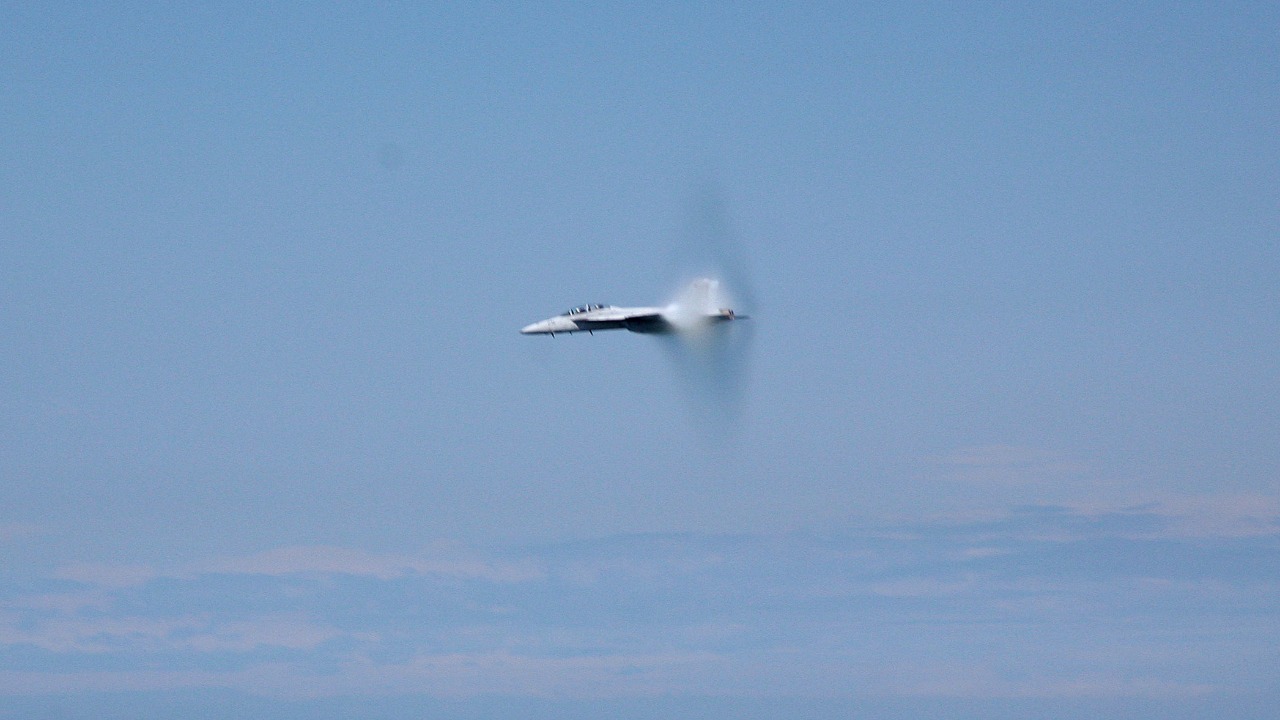
Unlike conventional aircraft, hypersonic jets are designed to reach speeds over five times the speed of sound, a feat made possible by their unique design and cutting-edge propulsion systems. The technology behind these ultra-fast jets involves scramjet engines, which utilize the speed of the aircraft to compress incoming air before combustion, allowing them to operate at extremely high speeds. For a more detailed explanation, you can watch this video.
These extraordinary speeds allow hypersonic jets to cover vast distances in record time. For instance, the 9,506-kilometer journey from London to Tokyo, which typically takes around 12 hours on a conventional airliner, could be completed in a mere hour and a half aboard a hypersonic jet. This level of speed and efficiency is unprecedented in commercial aviation.
The London to Tokyo Flight

The inaugural London to Tokyo hypersonic flight is set to be a historic event. Traveling at altitudes of up to 60,000 feet and speeds exceeding Mach 5, passengers aboard this flight will experience air travel like never before. While detailed specifics about the flight are currently under wraps, it is expected to mark a significant milestone in aviation history.
As for the passenger experience, hypersonic travel will be unlike any current form of air transport. Due to the extreme speeds, passengers may experience higher G-forces during takeoff and landing, and the view from the windows will be different as well, with the sky transitioning from blue to black due to the high altitude. Nonetheless, aviation experts assure that safety and comfort are top priorities in the design and operation of hypersonic jets.
Challenges and Solutions

Developing a hypersonic jet is not without its challenges. High-speed flight generates intense heat, requiring advanced materials for heat resistance. Additionally, the sonic boom produced by supersonic flight is another issue that needs to be addressed, as it can cause significant disturbance on the ground. For a more in-depth look at these challenges, check out this research paper.
Fortunately, engineers and scientists are hard at work devising solutions to these problems. Advanced materials like heat-resistant ceramics are being explored for use in aircraft construction, while innovative flight paths and aircraft designs are being investigated to minimize the impact of sonic booms. The progress in these areas is promising, suggesting that hypersonic travel could become a reality sooner than we think.
The Impact on Global Travel
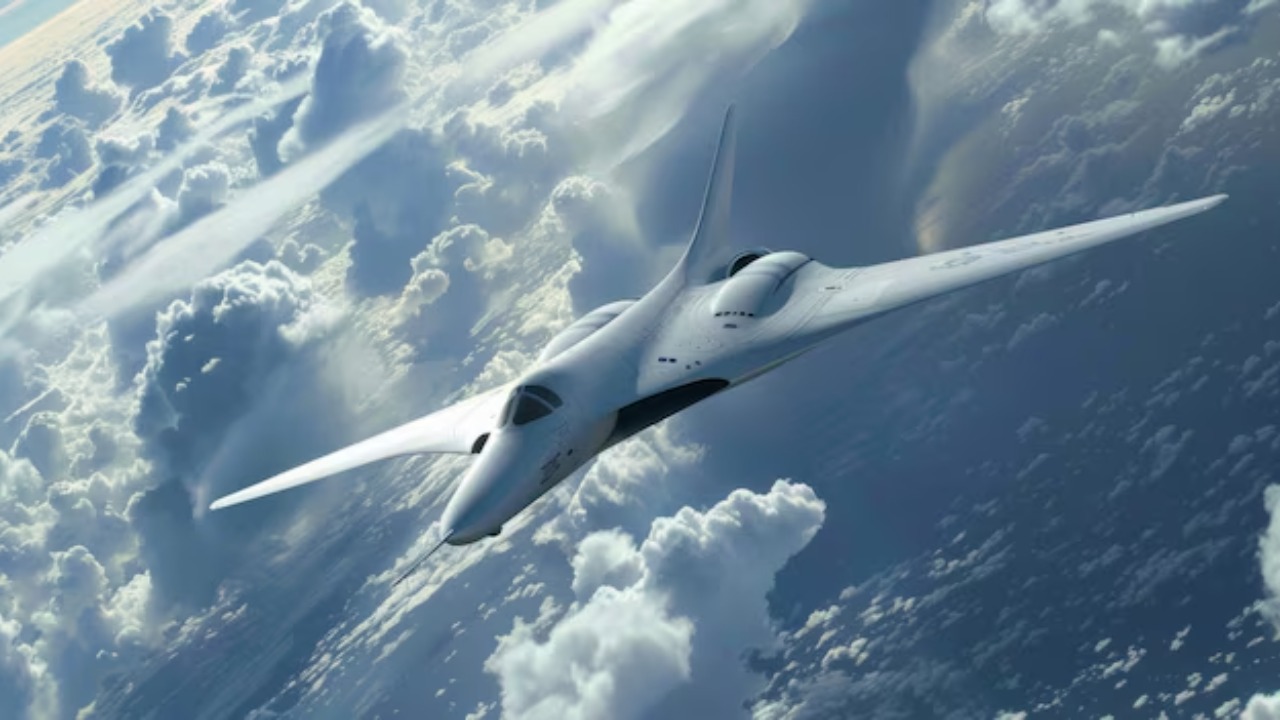
The introduction of hypersonic jets promises to drastically reduce travel time. This could have a profound impact on international business, making it easier and quicker for executives to travel for meetings and site visits. Leisure travelers stand to benefit as well, with far-off destinations becoming more accessible than ever.
In addition to time savings, hypersonic travel could have significant implications for the aviation industry. As airlines compete to offer faster and more efficient services, ticket prices may become more dynamic, and the market for long-haul flights could be transformed. To get a sense of the potential changes, this news report provides some interesting insights.
The Future of Hypersonic Travel
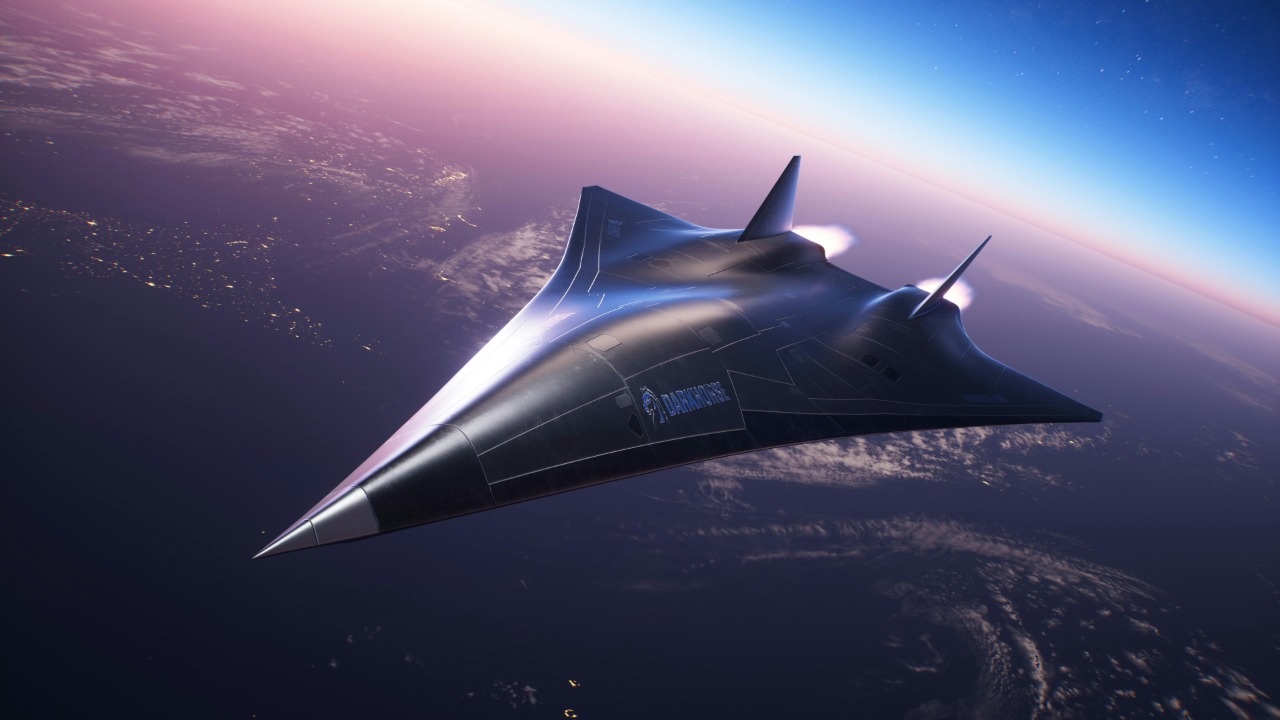
Looking ahead, the future of hypersonic travel is incredibly exciting. As technology advances, we can expect to see improvements in speed, efficiency, and passenger comfort. Furthermore, as hypersonic travel becomes more commonplace, we can anticipate the introduction of new routes, connecting cities and continents like never before.
Of course, the advent of hypersonic travel will also bring broader implications for society and the environment. While the speed and convenience are undeniably attractive, it will be crucial to consider the environmental impact of such high-speed travel, especially in terms of carbon emissions and noise pollution. However, with ongoing research and development, there is hope that sustainable solutions can be found.
