The Hyperloop, a high-speed transportation concept born from the vision of entrepreneur Elon Musk, is gradually evolving from science fiction to reality. With several companies fiercely competing, the goal is to perfect Hyperloop prototypes that could outpace airplanes, radically transforming the future of transportation.
Understanding the Hyperloop Concept
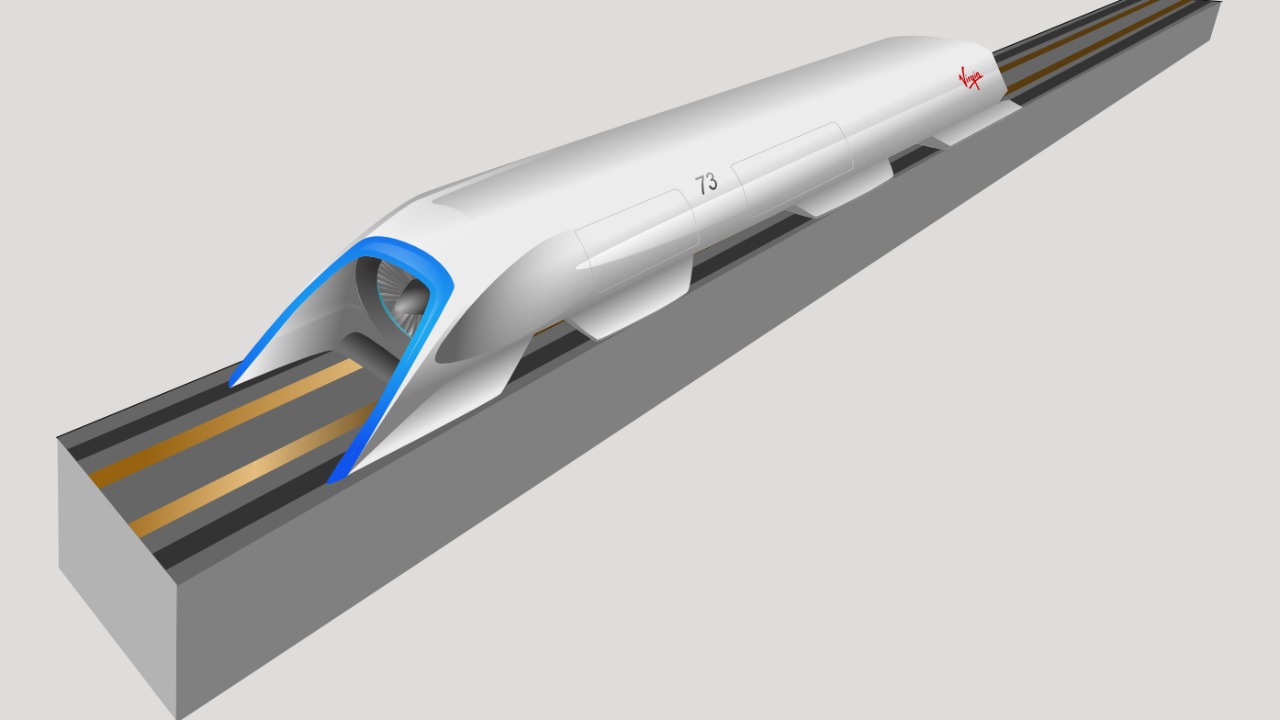
The Hyperloop, initially proposed by Elon Musk, is a ground transportation concept that promises high-speed travel in a near-vacuum environment. The basic idea is to transport passengers in capsules or “pods”, which glide at high speeds through a network of low-pressure tubes. These pods would levitate above the track, eliminating friction and enabling speeds that could match or even surpass air travel. You can dive deeper into the Hyperloop concept at Wired’s comprehensive guide.
If realized fully, the Hyperloop could drastically cut travel times, reduce environmental impact, and revolutionize the way we think about distance. The potential impact on commerce, commuting, and even urban planning is profound. However, it’s worth noting that the Hyperloop, while promising, is still largely theoretical and faces significant technical, regulatory, and logistical challenges.
The Race for Hyperloop Development
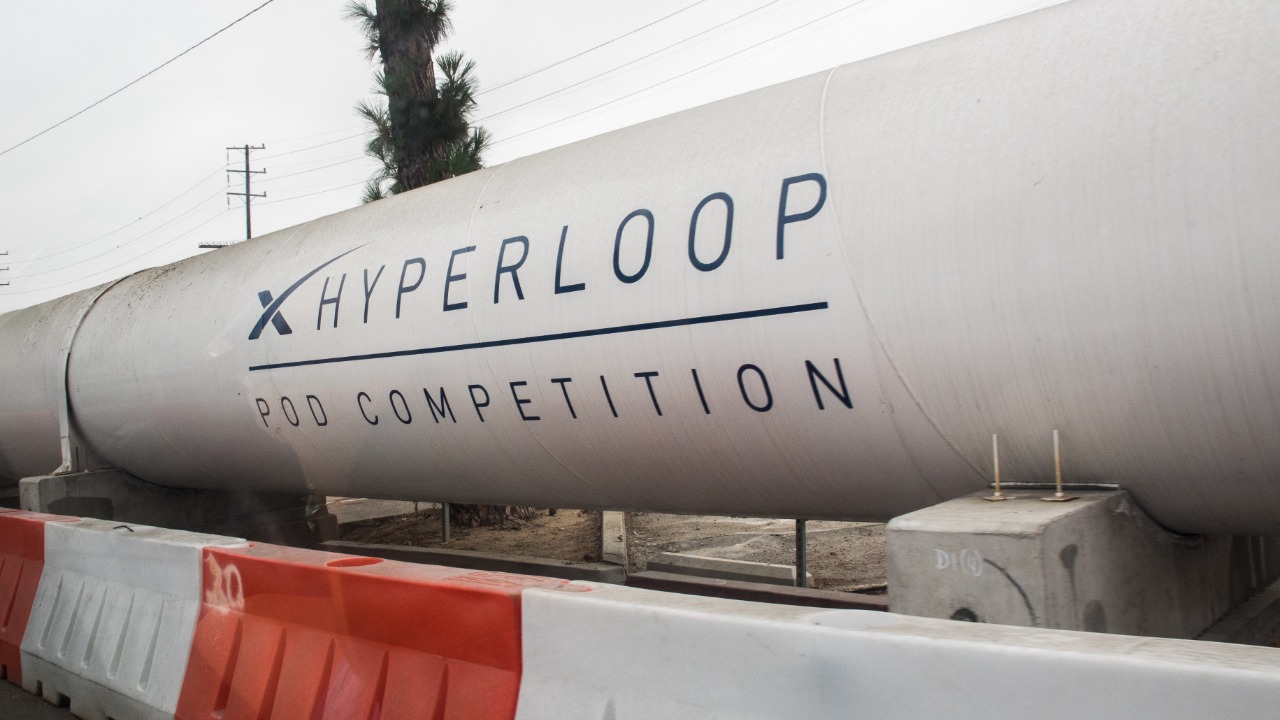
Several companies globally have taken up the challenge of turning the Hyperloop concept into reality. These include Virgin Hyperloop, Hardt Hyperloop, and TransPod, among others. Each is in a race to develop a viable, functioning prototype that can demonstrate the concept’s feasibility and safety. More about these companies and their progress can be found on Wikipedia’s Hyperloop page.
There have been significant milestones in Hyperloop development over the past few years. For instance, in 2018, a student team from the Technical University of Munich won the SpaceX Hyperloop Pod Competition, achieving a top speed of 290 mph (467 km/h). The details of this achievement can be found here. These advancements are promising indicators of the progress being made towards realizing the Hyperloop’s potential.
Technological Challenges and Solutions in Hyperloop Development

While the Hyperloop concept is exciting, it does not come without substantial technical challenges. These range from developing a reliable low-pressure environment for the pods to travel in, to ensuring the safety of passengers at such high speeds. Organizations are investing in research and innovative technologies to address these hurdles.
Passenger safety is a paramount concern in Hyperloop development. Companies must not only ensure the mechanical safety of the capsules but also address potential health risks associated with high-speed travel. Emergency evacuation procedures, for example, represent a significant challenge that requires careful planning and innovative solutions.
Hyperloop vs. Air Travel: The Speed Comparison

The Hyperloop’s main selling point is its proposed speed. The system is designed to transport passengers at speeds up to 760 mph (1,220 km/h), which is faster than most commercial aircraft. If these speeds can be achieved safely and efficiently, the Hyperloop could significantly disrupt the air travel industry.
However, it’s not just about the raw speed. The Hyperloop also promises a more efficient, direct mode of transportation, potentially offering door-to-door travel without the need for lengthy airport processes. This could make it a highly attractive alternative to traditional air travel.
The Future of Hyperloop: Opportunities and Hurdles
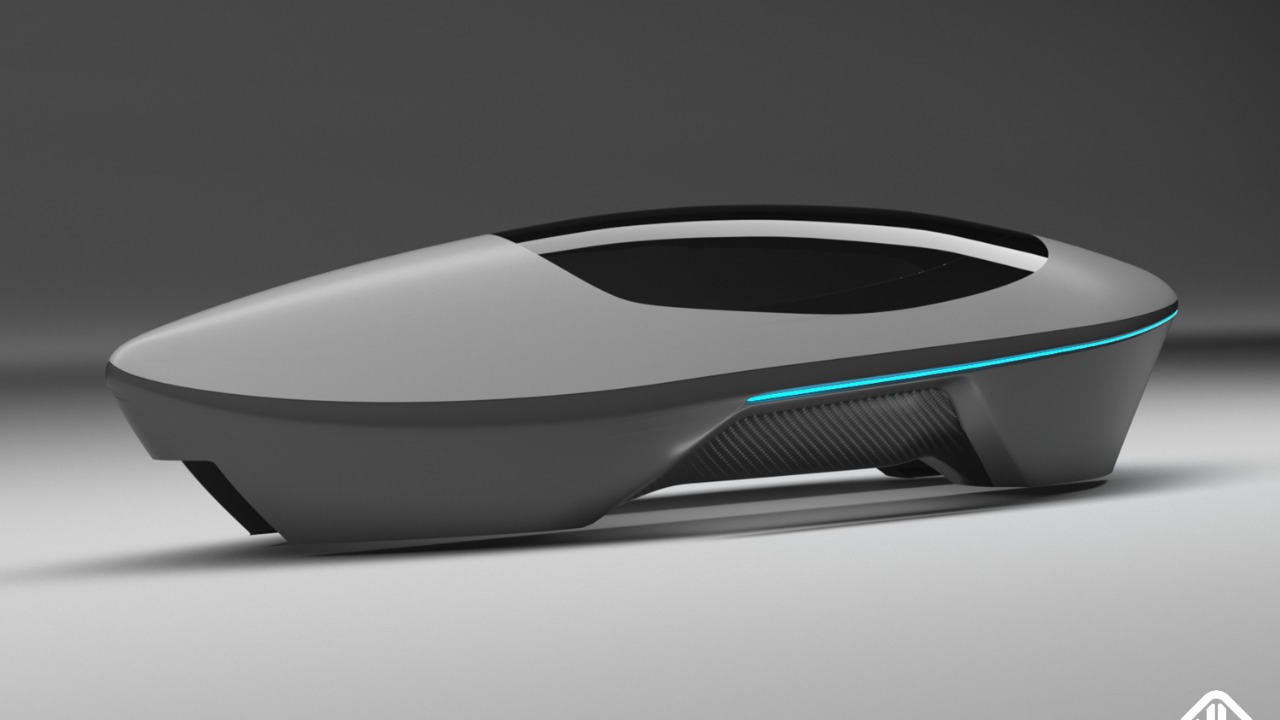
If successful, a fully operational Hyperloop system could bring numerous opportunities. It could revolutionize the concept of commuting, making it feasible to live hundreds of miles from work. The environmental benefits are also significant, as the Hyperloop is expected to be powered by renewable energy sources, making it a greener alternative to air travel.
However, the road to a functioning Hyperloop is laden with challenges. Regulatory hurdles, land acquisition issues, and public acceptance are just a few of the potential roadblocks. Moreover, the cost of building the infrastructure required for the Hyperloop could be astronomical. It remains to be seen how these challenges will be addressed. For a more detailed outlook on the future of the Hyperloop, check out Al Jazeera’s deep dive into its potential and problems.
In conclusion, the Hyperloop represents a fascinating leap forward in transportation technology. Despite the numerous challenges ahead, the race is on to make this revolutionary concept a reality. As advancements continue, we may soon see the dawn of a new era in high-speed travel.
