Archaeologists have unearthed a mammoth bone structure at the Yana RHS site in the Siberian Arctic, which is now recognized as the oldest known human-built dwelling. Constructed over 23,000 years ago during the Last Glacial Maximum, this structure surpasses the age of Egypt’s Great Pyramid by more than three times. The discovery, consisting of a circular arrangement of bones forming a hut-like enclosure about 40 feet in diameter, reshapes our understanding of human technological innovation in harsh Ice Age environments.
Discovery at the Yana RHS Site
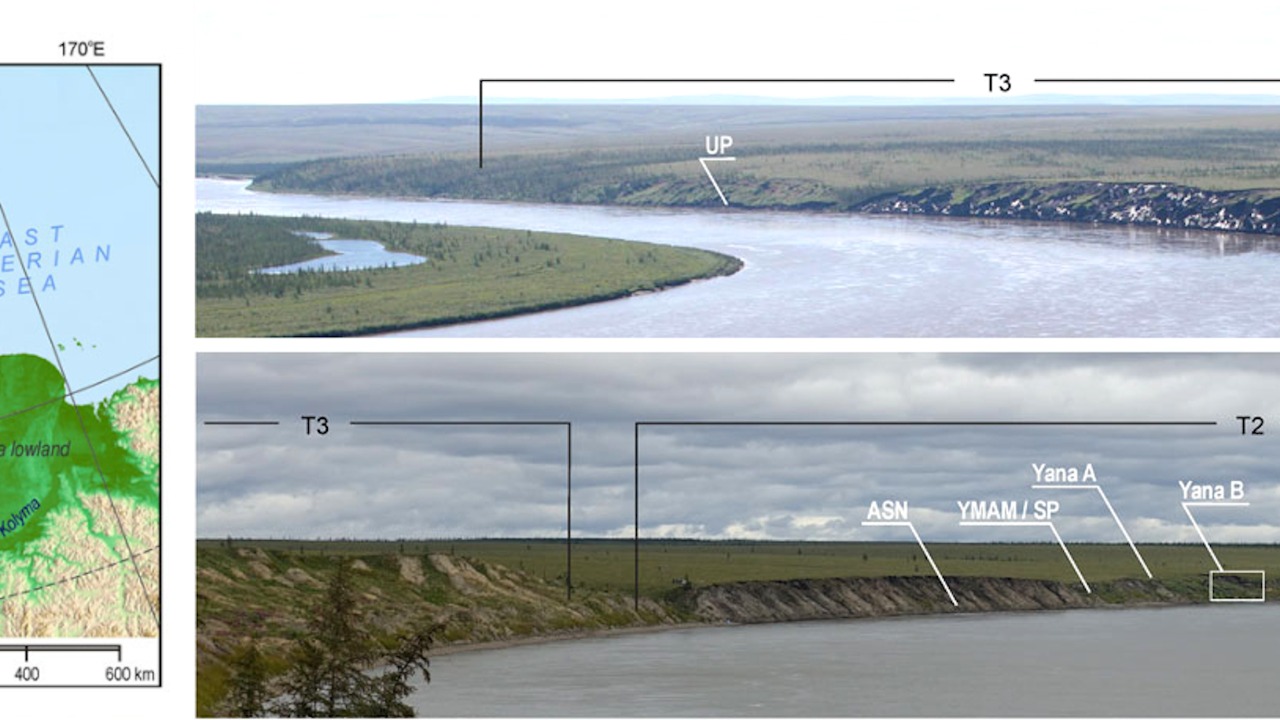
In 2019, a team from the University of Freiburg and the Russian Academy of Sciences led excavations at the Yana RHS site along the Yana River in Arctic Siberia, where they uncovered this ancient structure1. The site revealed over 50 mammoth bones deliberately arranged in a 40-foot-diameter oval, along with bones from reindeer, polar fox, and hare, indicating intentional construction rather than natural accumulation2.
Surrounding artifacts included stone tools and ivory fragments, suggesting the structure served as a seasonal dwelling for hunter-gatherers1. This discovery provides a glimpse into the lives of our ancestors during the Ice Age, demonstrating their ability to adapt and survive in extreme conditions.
Dating and Construction Techniques
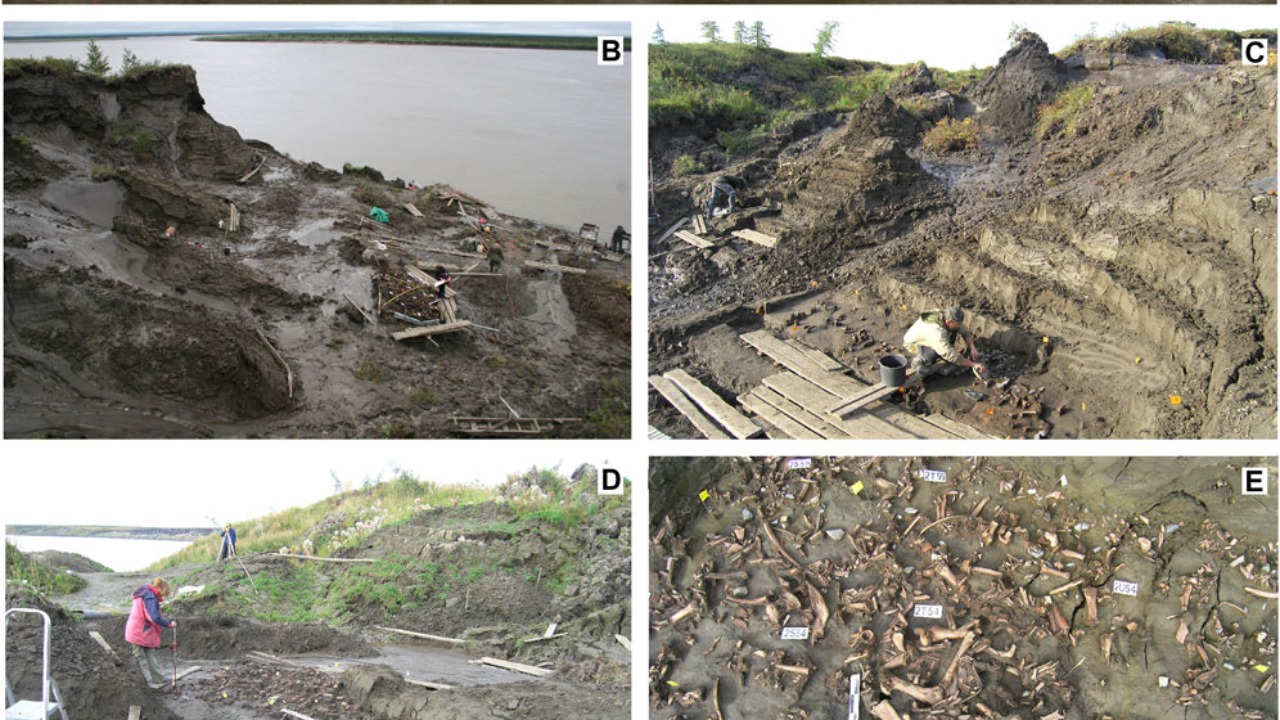
Radiocarbon dating of the mammoth bones places the structure’s construction at least 23,000 years ago, with some samples analyzed to 23,700 years before present, confirmed through accelerator mass spectrometry2. The builders used large mammoth tusks and long bones sunk into the permafrost as foundation posts, overlaid with a superstructure likely covered in animal hides or turf for insulation1.
Evidence shows the structure was possibly repaired or rebuilt once, with additional bone layers added, demonstrating repeated human occupation2. This suggests a level of permanence and stability in the lives of these early humans, challenging previous assumptions about their nomadic lifestyle.
Comparison to Ancient Egyptian Pyramids

Egypt’s Great Pyramid at Giza, built around 2580–2560 BCE or approximately 4,500 years ago, represents the pinnacle of Bronze Age engineering but is over five times younger than the Yana structure when accounting for the 23,000-year mark1. While the pyramids involved massive stone blocks and precise alignment for monumental purposes, the Siberian hut relied on organic mammoth materials in a mobile, survival-oriented context during the Ice Age2.
This temporal gap—more than three times the pyramid’s age—highlights how early Paleolithic humans in extreme cold adapted building techniques long before the monumental architecture of later civilizations1. This discovery underscores the ingenuity and resilience of our ancestors in the face of harsh environmental conditions.
Implications for Ice Age Human Adaptation
The structure’s existence at 23,000 years ago, during the peak of the Last Glacial Maximum, proves humans could engineer shelters in subarctic conditions, expanding known ranges of Homo sapiens into the Arctic Circle2. Associated faunal remains indicate a diet heavy in megafauna hunting, with the hut possibly housing small groups for weeks or months, fostering social cooperation1.
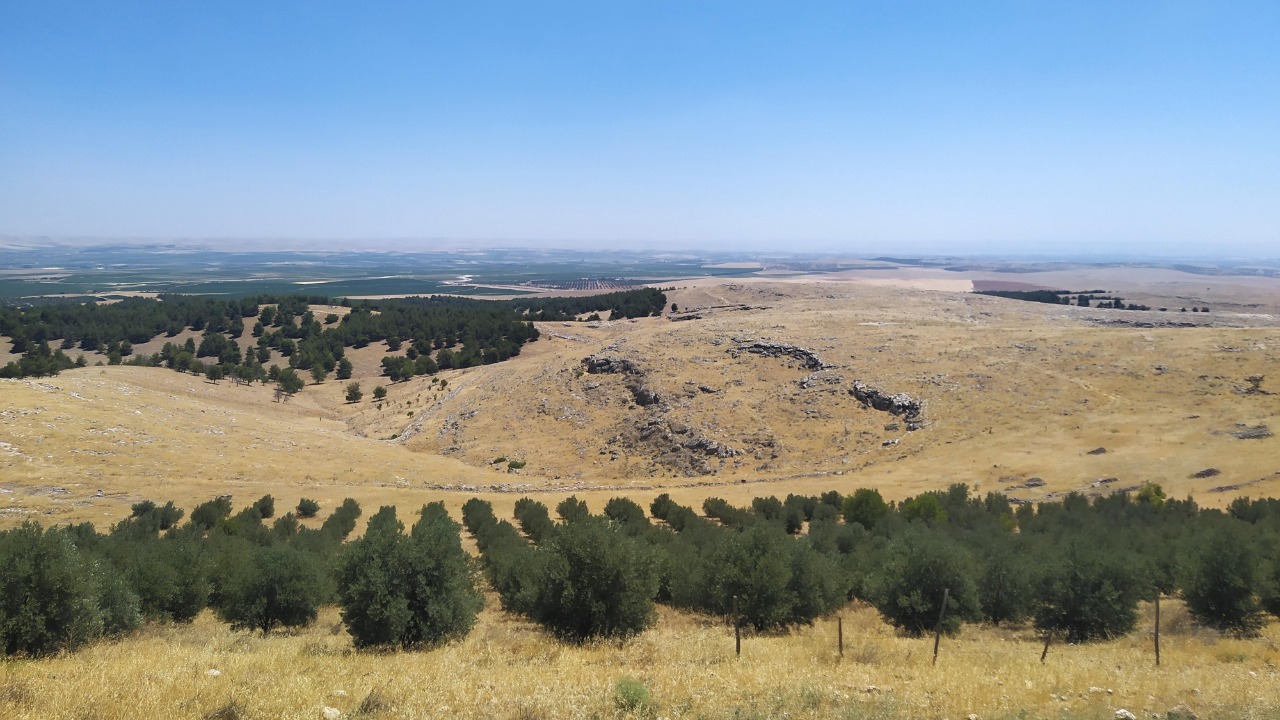
This find predates other known structures like Göbekli Tepe (circa 11,000 years old) by over 12,000 years, shifting paradigms on the origins of architecture from sedentary farming to nomadic Ice Age lifestyles2. The discovery of the Yana RHS site structure not only rewrites our understanding of human history but also underscores the adaptability and resilience of our species in the face of extreme environmental challenges.
