The concept of merging human brains with machines is no longer confined to the realm of science fiction. With rapid advancements in technology, the idea of a human-machine merger is becoming increasingly plausible, offering the potential to fundamentally transform our cognitive processes and daily lives. This exploration considers both the exciting possibilities and the profound ethical questions it raises.
The Current State of Human-Machine Integration
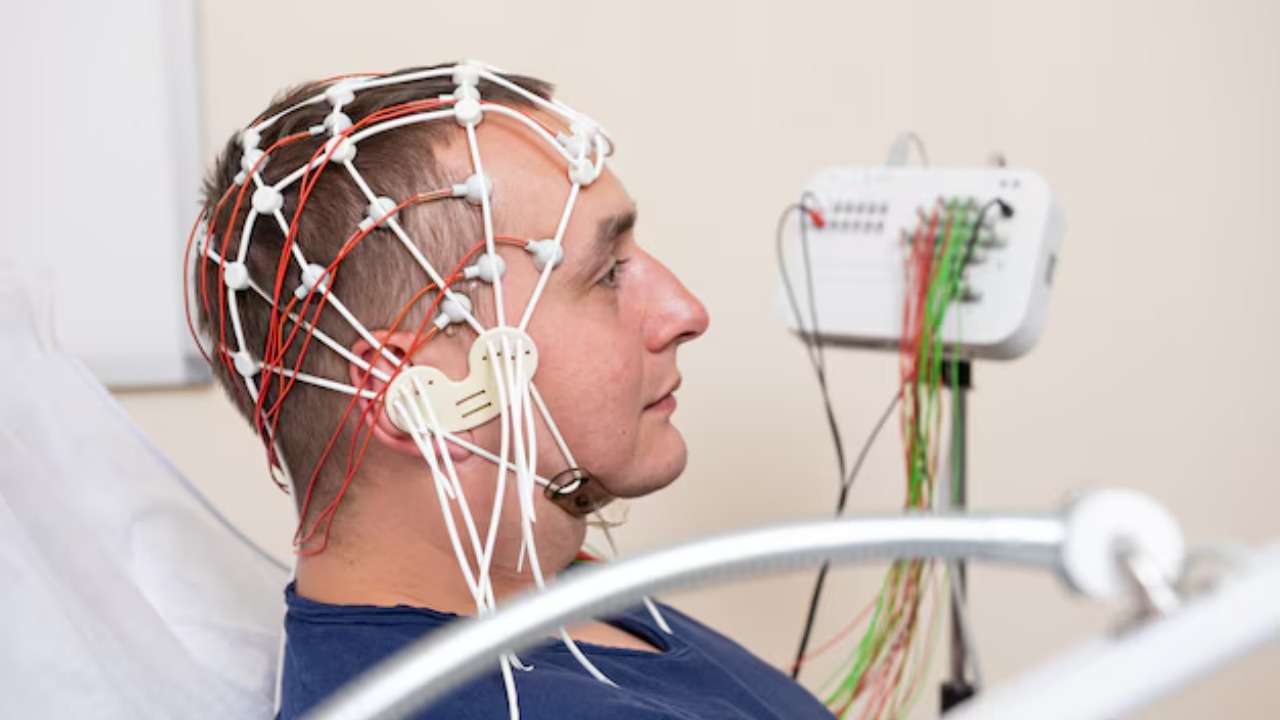
Recent technological advancements in brain-computer interfaces (BCIs) and artificial intelligence (AI) have brought us closer to a reality where humans can seamlessly integrate with machines. BCIs, which enable direct communication between the brain and external devices, are becoming more sophisticated, allowing for unprecedented control over digital systems. Tech giants like Neuralink, founded by Elon Musk, and startups like Kernel are leading the charge in developing these interfaces, focusing on applications ranging from medical treatments to cognitive enhancements. Meanwhile, AI continues to evolve rapidly, with companies like Google and OpenAI pushing the boundaries of machine learning and neural networks, making these technologies more accessible and effective in various applications.
There are already compelling real-world examples of BCIs at work in medical settings. For instance, BCIs are being used to assist individuals with paralysis, enabling them to control prosthetic limbs or computer cursors through thought alone. In addition, AI is enhancing cognitive tasks and decision-making processes across different fields. In finance, AI algorithms analyze vast datasets to provide insights and predictions, improving decision-making accuracy. In education, AI-powered platforms like Duolingo adapt to individual learning styles, enhancing memory retention and learning speed.
Potential Benefits of Human-Machine Merger
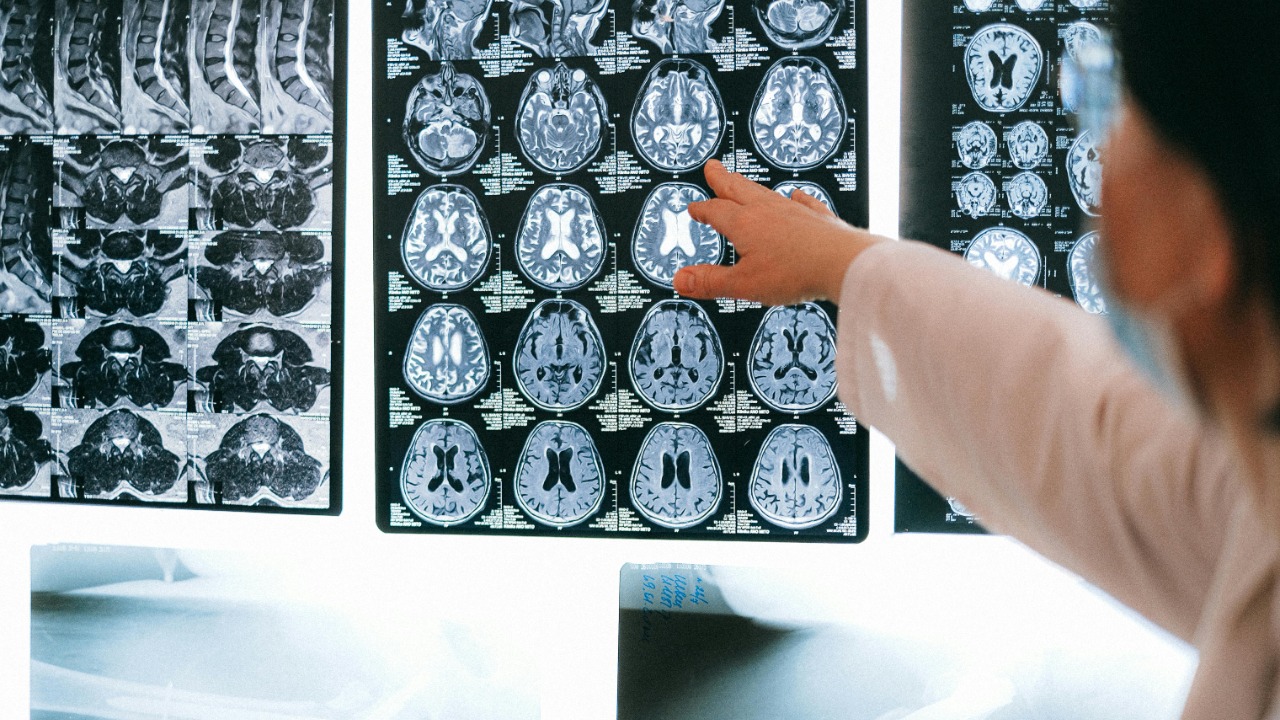
The potential benefits of merging human cognition with machines are vast and varied. One significant advantage is the enhancement of cognitive capabilities. By integrating with machines, individuals could improve their memory, learning speed, and problem-solving skills. Imagine a world where language barriers are eliminated through real-time translation or where complex calculations are performed instantaneously in the mind. This could revolutionize workforce productivity, enabling employees to tackle complex tasks more efficiently, ultimately leading to increased innovation and personal growth.
Beyond cognitive enhancements, the human-machine merger holds promise for medical breakthroughs and improved quality of life. BCIs have the potential to revolutionize healthcare by offering solutions for neurological disorders such as Parkinson’s disease or epilepsy. By providing a direct interface to the brain, BCIs could offer new treatments or even cures, significantly improving patients’ lives. Additionally, the integration of AI and BCIs could lead to advancements in mental health, offering personalized therapy and emotional well-being tools tailored to individual needs.
Ethical and Societal Implications

While the potential benefits are profound, the ethical and societal implications of human-machine integration cannot be ignored. Privacy and data security concerns are paramount, as the personal data accessed or manipulated by machines could be vulnerable to hacking or misuse. The development of new regulations and ethical guidelines is essential to protect individuals’ rights and ensure the responsible use of these technologies. The potential need for new regulations and ethical guidelines is already being discussed in various forums.
Socioeconomic disparities also pose a significant challenge. As access to human-machine technology becomes more widespread, there is a risk that these advancements could widen the gap between socioeconomic classes. Ensuring equitable access to these technologies is crucial to prevent further inequality. Initiatives to promote inclusivity and accessibility, such as government subsidies or public-private partnerships, could help bridge this gap and ensure that everyone benefits from these advancements.
The Future of Human Identity and Consciousness
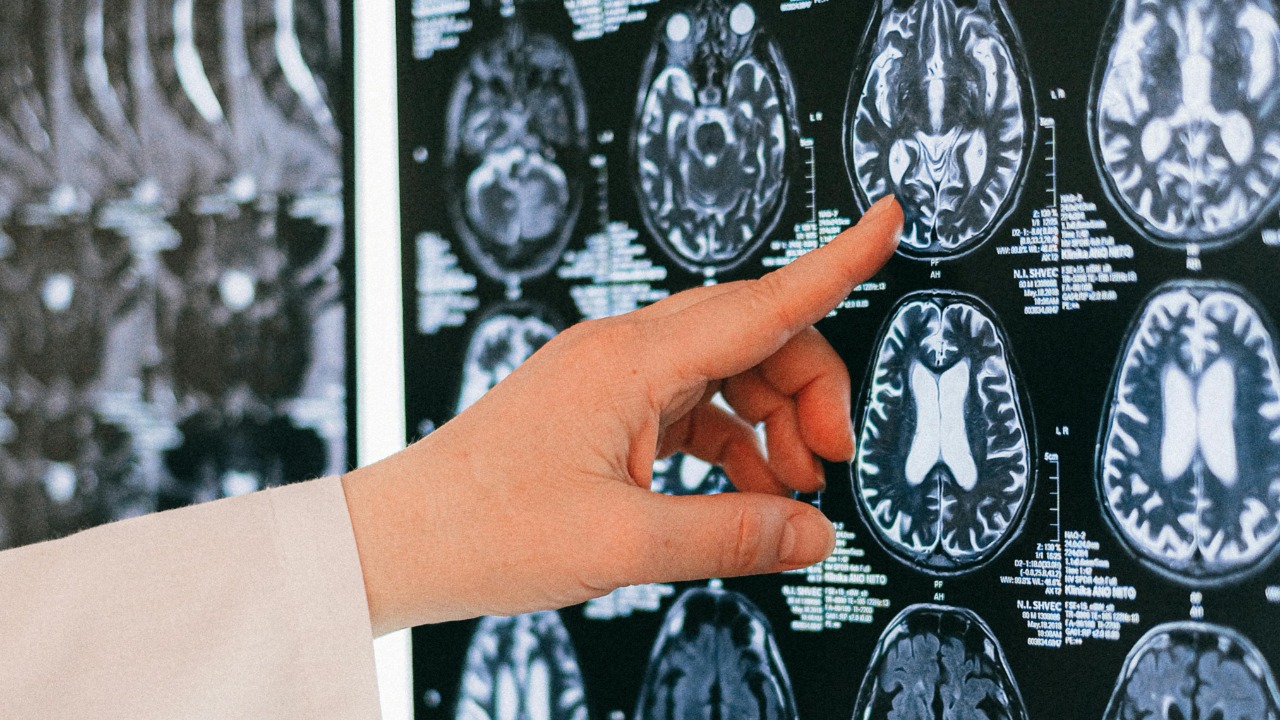
The integration of human and machine raises profound philosophical questions about identity and consciousness. As we merge with technology, we must redefine what it means to be human. Will our sense of self change as our cognitive capabilities are augmented by machines? How will cultural and societal norms evolve in response to these changes? These questions challenge our understanding of identity and require careful consideration as we move toward a future where humans and machines are inseparable.
The potential for a post-human future is also a topic of debate among futurists. Ray Kurzweil, for example, predicts the arrival of the singularity by 2045, a point at which artificial intelligence will surpass human intelligence, fundamentally altering our existence. While this vision is both exciting and daunting, it raises questions about the long-term implications for human evolution and existence. Will we become more like machines, or will machines become more like us?
Challenges and Roadblocks Ahead
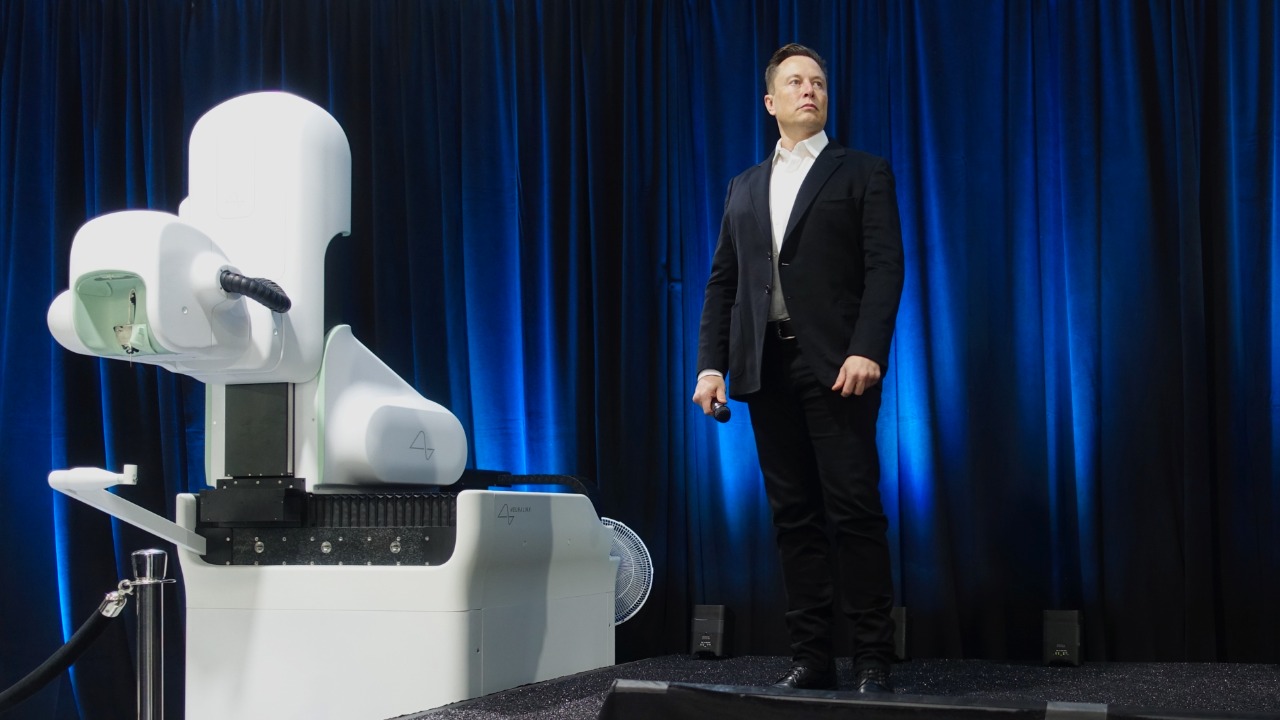
Despite the promising advancements, several technical and scientific hurdles must be overcome to achieve successful human-machine integration. Current limitations in technology, such as signal resolution and latency in BCIs, need to be addressed to ensure seamless communication between humans and machines. Ongoing research aims to enhance the precision and functionality of these interfaces, with experts predicting significant breakthroughs in the coming decades.
Public perception and acceptance also play a crucial role in the adoption of human-machine integration. Societal attitudes towards these technologies vary, with some embracing the potential benefits while others express skepticism or fear. Education and public discourse are essential in shaping future acceptance and understanding of these technologies. By fostering open conversations and addressing concerns, we can pave the way for a more informed and accepting society.
