The quest to find extraterrestrial life is an unending pursuit of science, and one aspect of this search revolves around technosignatures. Detectable from as far as 40 light-years away, Earth’s technosignature could hold vital clues in the universal hunt for alien civilizations.
Understanding Technosignatures
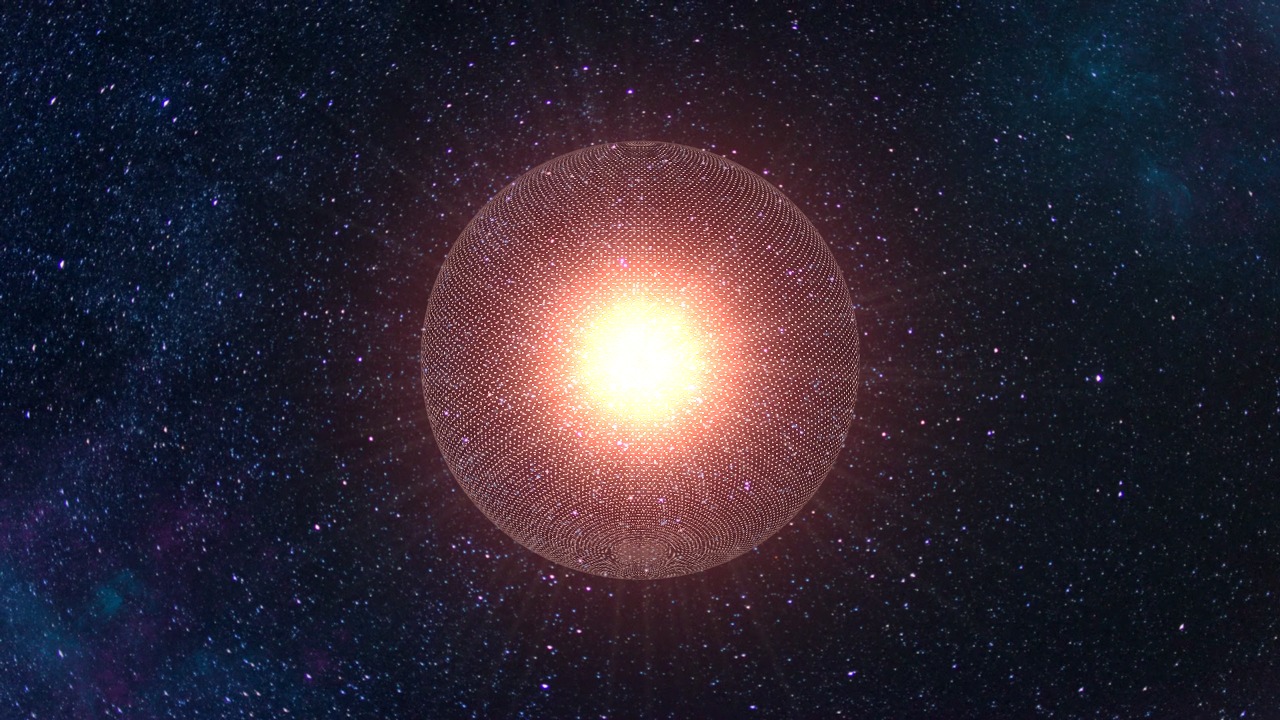
Technosignatures are signs of advanced civilizations beyond Earth. They encompass a wide range of signals such as radio waves, laser emissions, and even the presence of megastructures like Dyson spheres. Technosignatures are key in our search for extraterrestrial intelligence, offering a tangible means to identify advanced alien life forms.
The concept of Earth’s technosignature focuses on the signals we as a civilization are emitting into space. From radio waves to the chemical composition of our atmosphere, these signs could be detected by an advanced alien civilization, just as we hope to detect theirs.
The Trappist-1 Star System: A Potential Detector
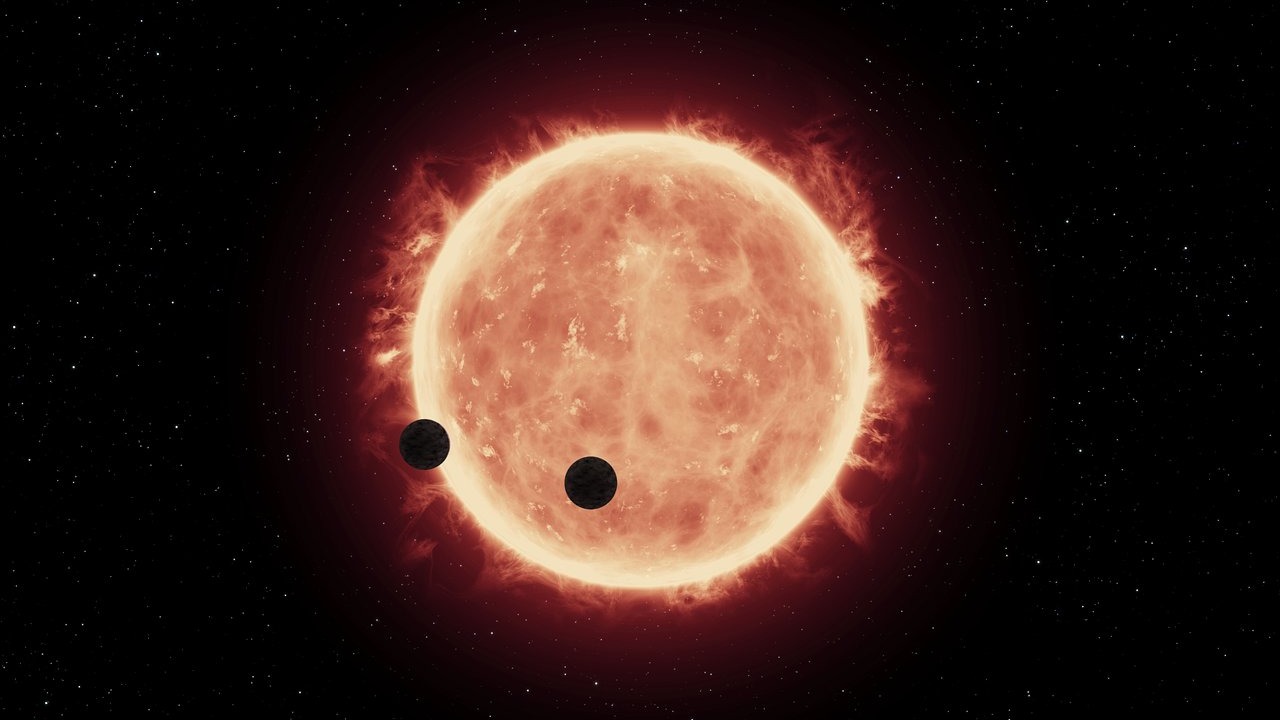
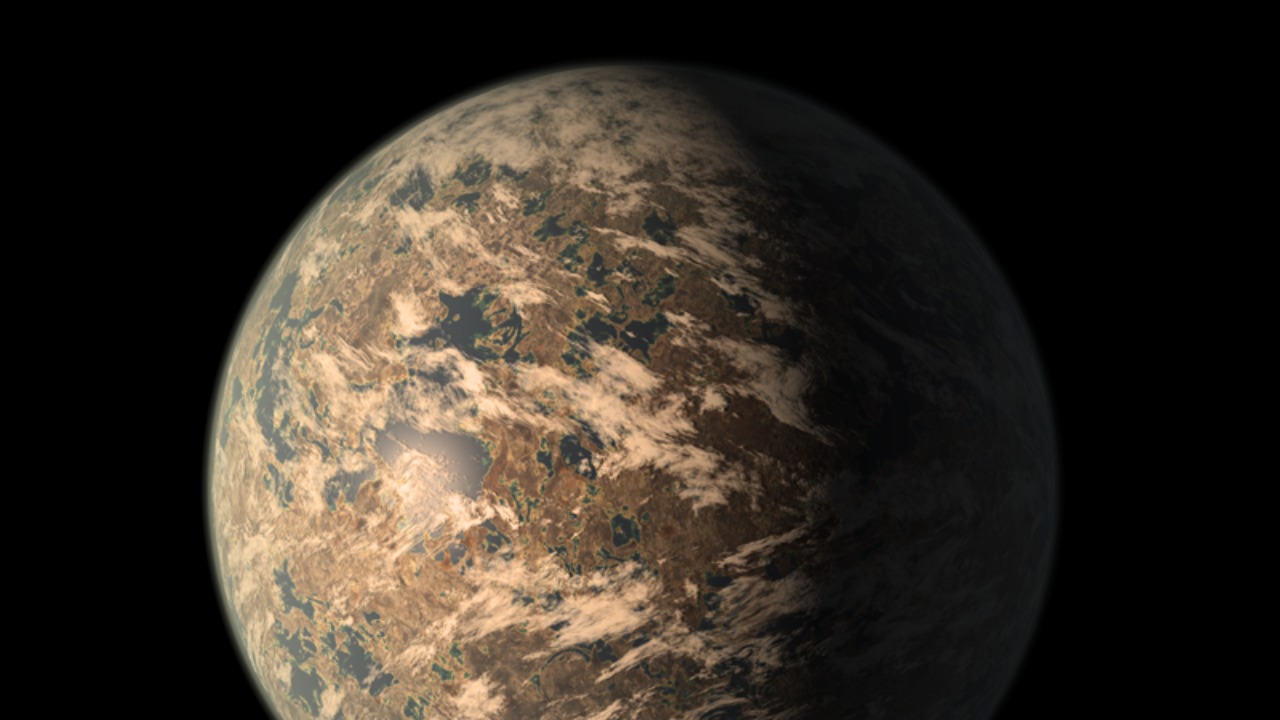
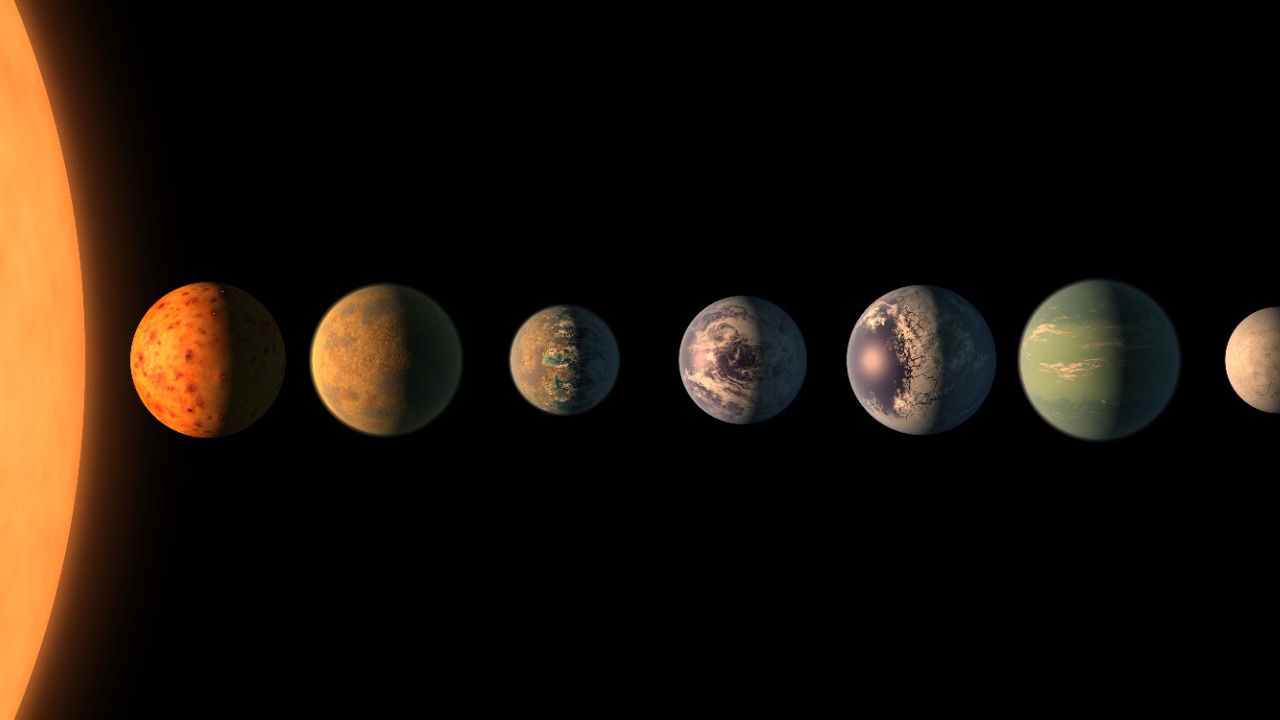
The Trappist-1 star system is a prime candidate in the search for technosignatures. Located 40 light-years away from Earth, it is a compact solar system with seven Earth-sized planets, three of which exist in the habitable zone – making them potential hosts for life as we know it.
The proximity of Trappist-1 to Earth and its potentially life-harboring planets make it a focal point in the search for technosignatures. If an advanced civilization exists in this star system, there’s a chance they might detect our technosignature, and vice versa.
Methods of Detecting Technosignatures
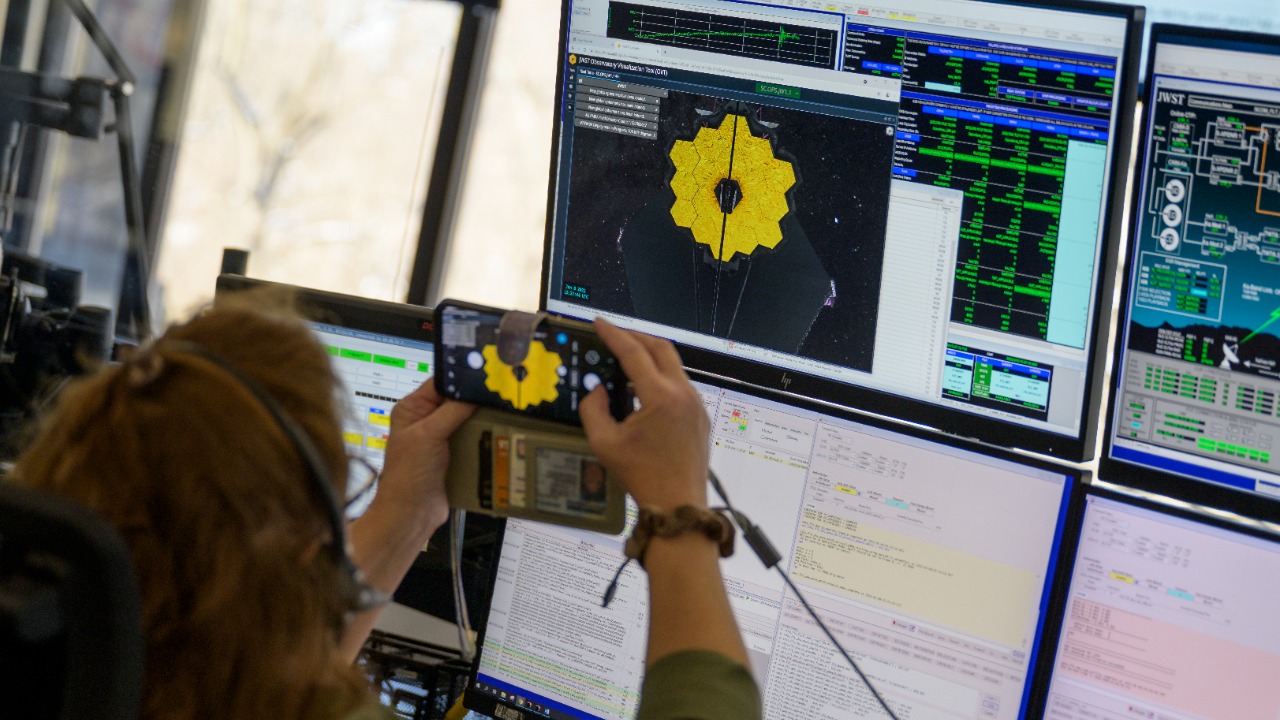
The detection of technosignatures relies on advanced telescopes and the science of spectroscopy. By analyzing the light from distant stars and planets, scientists can identify the chemical compositions of their atmospheres – a key technosignature. For instance, high levels of oxygen could be a sign of photosynthesis, an indicator of life.
Artificial lighting is another detectable signal. The use of lights during the Earth’s night-time could be seen from space, potentially alerting alien civilizations to our presence. However, this method requires extremely sensitive telescopes and is still largely theoretical.
The Possibility of Our Technosignature Being Detected
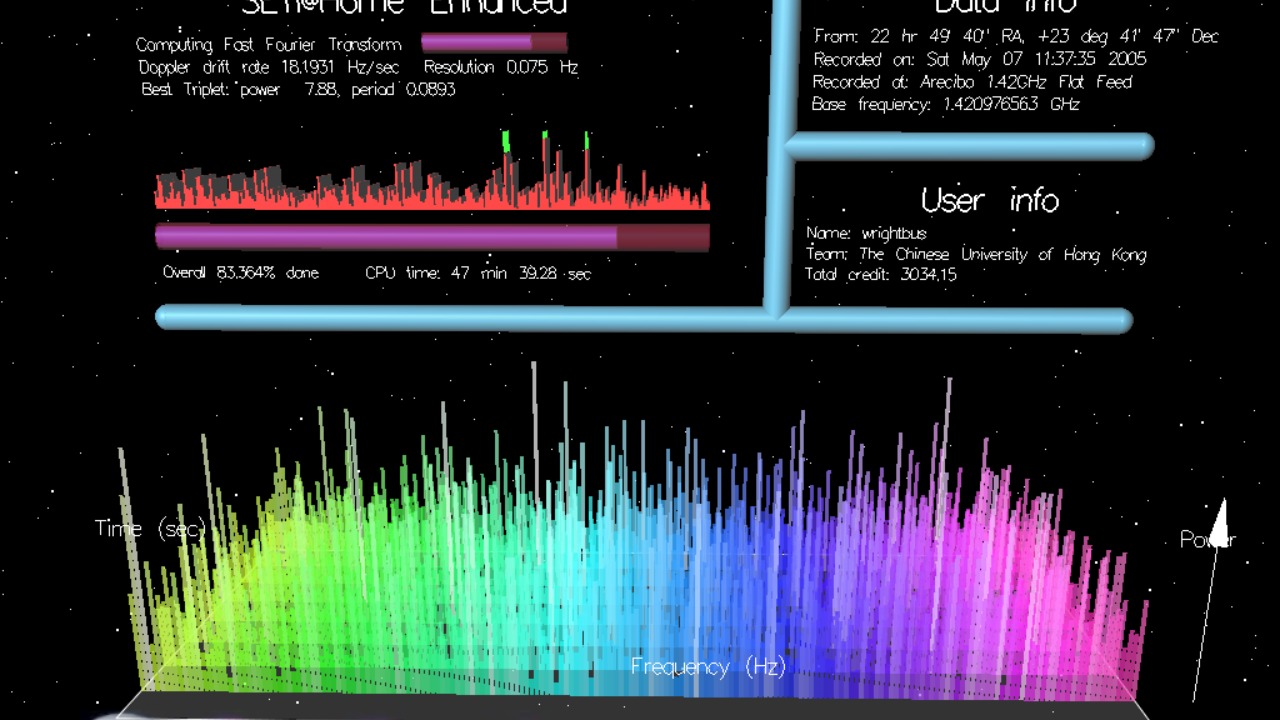
Considering the capability of aliens with human-level technology to detect us is an intriguing subject. According to SETI scientists, while it’s not impossible, it would require the extraterrestrial civilization to be relatively close and to possess highly advanced technology, akin to our most sophisticated telescopes.
The detectability of Earth’s technosignature from 40 light-years away, such as in the Trappist-1 star system, is a complex issue. Factors such as the strength and type of our signals, atmospheric interference, and even the orientation of our planet could influence this detection.
Implications for the Search for Extraterrestrial Life
Confirming the detection of Earth’s technosignature would revolutionize the search for alien life. It would not only prove that our methods are valid, but also affirm the possibility of other technologically advanced civilizations.
However, such a discovery would raise numerous challenges and ethical considerations. For example, should we actively respond, potentially revealing our existence and location to an unknown entity? These questions will shape the future direction of research in technosignature detection and astrobiology.
Case Study: Greenhouse Gases as Alien Activity Indicator
A recent study explored the idea of greenhouse gases as indicators of alien activity. It posited that high levels of certain gases could signal the presence of industrialized civilizations. This study adds a new dimension to our understanding of technosignatures and expands the parameters of our search for extraterrestrial life.
Such findings carry significant implications for the broader search for alien life. If we can identify technosignatures in the form of specific gas combinations, we could potentially narrow down the targets in our search for extraterrestrial intelligence. It’s yet another step forward in this exciting and complex journey of discovery.
