Prepare for a celestial spectacle! A leviathan asteroid, whizzing by closer to our planet than any satellite, is set to illuminate our night skies. The most exciting part? You can witness this extraordinary event from your own backyard.
The Asteroid: A Detailed Look
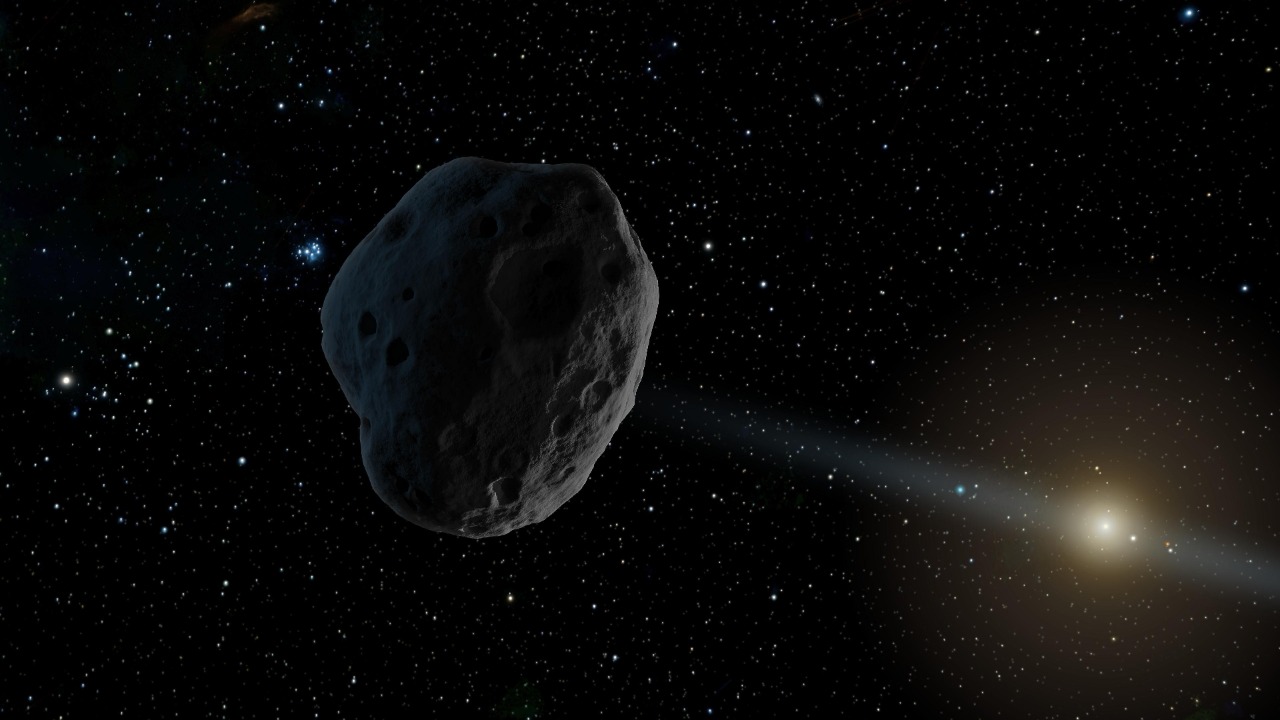
Based on the data gathered, the asteroid, known as 2001 FO32, is an impressive rock formation, nearly half a kilometer in diameter. It’s traveling at an astounding speed of around 123,000 kilometers per hour. The asteroid is composed mainly of nickel, iron, and cobalt, similar to most asteroids in our solar system.
To visualize the enormity of this asteroid, imagine 5 Great Pyramids of Giza stacked on top of each other. Events of such magnitude are incredibly rare, with the last comparable event occurring in 2004 when asteroid Toutatis made a close pass. The sheer size and proximity of 2001 FO32 make it a spectacle worth watching.
The Asteroid’s Proximity to Earth

The asteroid’s flight path will bring it closer to Earth than any satellite, approximately 2 million kilometers away, which is about five times the distance to our Moon. This proximity is due to the asteroid’s highly elliptical orbit, which occasionally intersects Earth’s orbit.
Calculating and predicting the asteroid’s trajectory involves complex mathematical models and precise observations. Scientists use radar imaging and telescopic data to determine the asteroid’s speed, size, and path. As for the potential impact on satellites and the International Space Station, while the chances are slim, NASA continually monitors the situati=on.
Viewing the Event: When and How
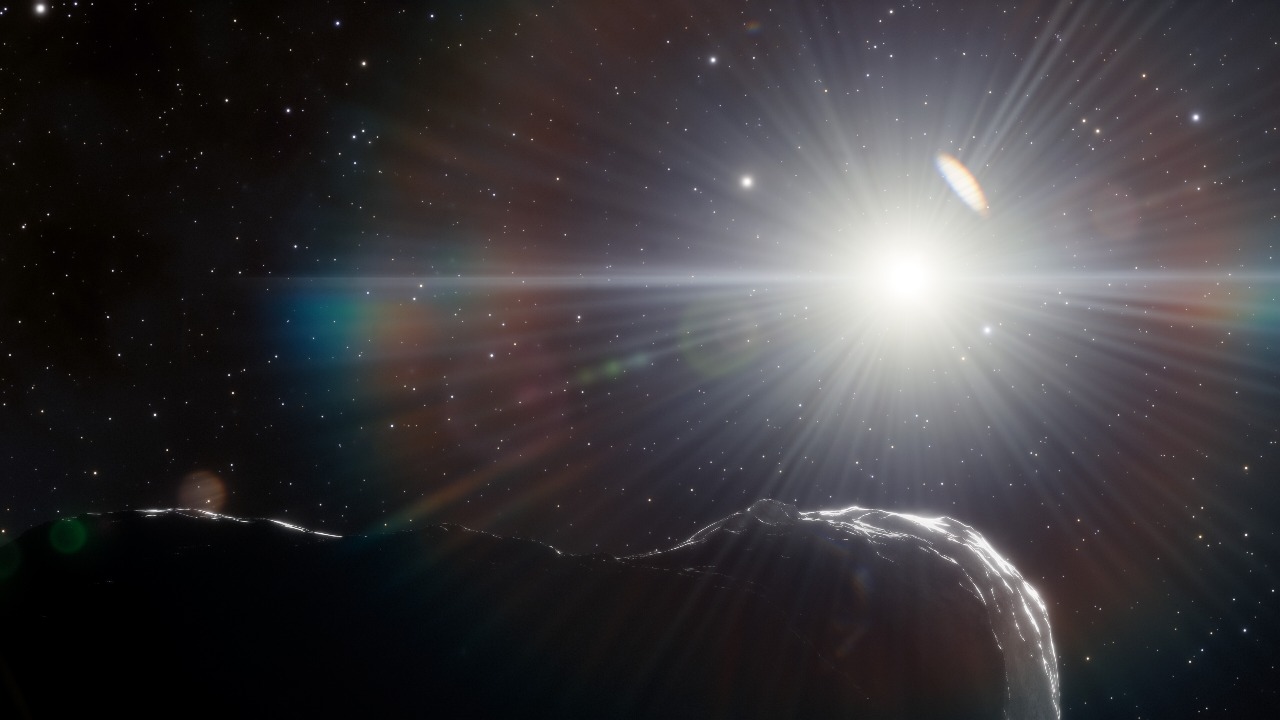
Mark your calendars! The asteroid will be visible at its closest approach on March 21, 2021. Depending on your location, the best viewing times will be in the late evening or early morning hours. However, the asteroid’s brightness will be below what the naked eye can see, so a small telescope or high-powered binoculars are recommended for viewing.
In terms of visibility, the Southern Hemisphere, particularly Australia and regions of Asia, will have the best view of the asteroid. Nonetheless, observers in other regions can still catch a glimpse of this unique event. Amateur astronomers are gearing up around the world to capture this rare occurrence.
NASA’s Role and Response

NASA’s Near-Earth Object Observations Program is keeping a close watch on this asteroid. They track and monitor such celestial bodies to assess any potential threat to our planet. In this case, NASA assures that there is no risk of collision. The asteroid will safely pass by Earth, providing a fantastic opportunity for scientists to study it up close.
Preparation for such events involves extensive global communication, data sharing, and contingency planning. NASA’s preparedness ensures that even in the unlikely event of a threat, they can respond effectively. You can read more about NASA’s approach in their published materials.
The Wonder of Celestial Events
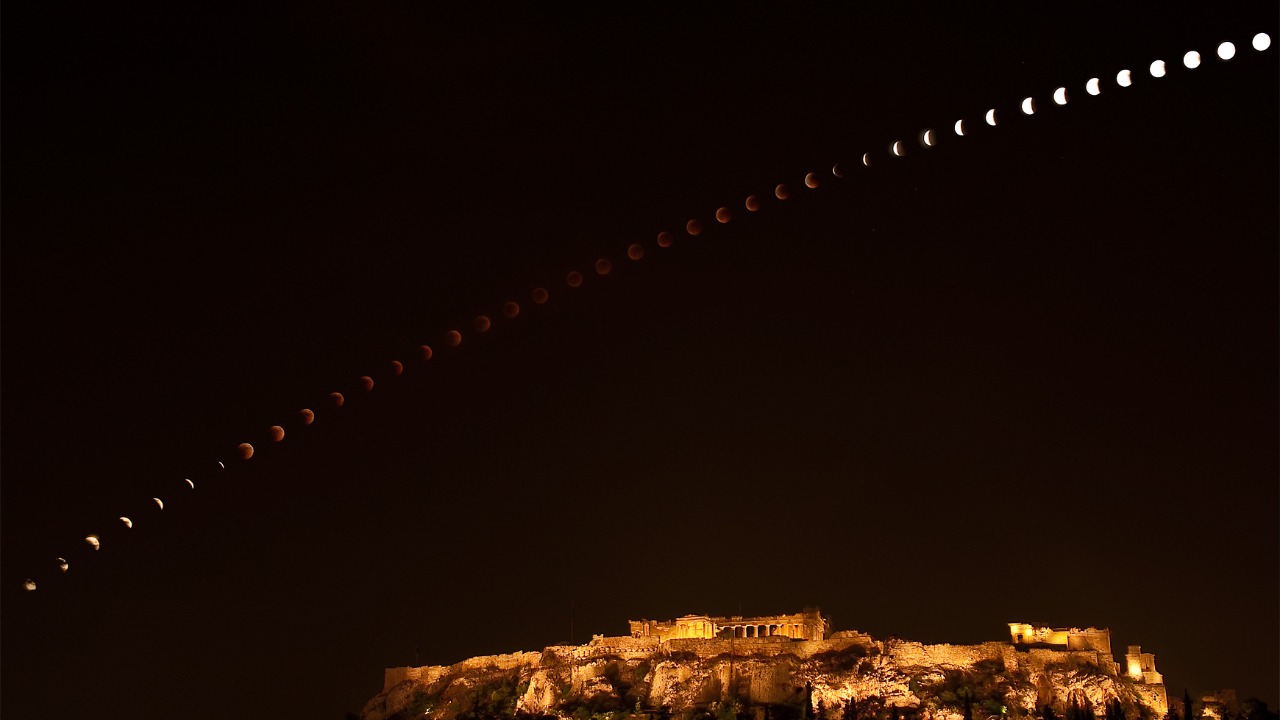
Observing celestial events like this asteroid flyby is a reminder of the vastness and wonder of the universe. It provides an opportunity for us to look up from our daily lives and gaze into the cosmos, fostering a sense of awe and curiosity.
Other upcoming celestial events include the Perseid Meteor Shower in August and the Geminid Meteor Shower in December. These events, along with the asteroid flyby, offer a fantastic opportunity for stargazers to explore the night sky. So, let’s embrace our curiosity about space and the universe. After all, as Carl Sagan once said, “We are all made of star stuff.”
