A powerful 7.7 magnitude earthquake in Myanmar has led to an unexpected archaeological discovery. The seismic event unearthed an ancient royal structure, providing a unique glimpse into the country’s rich and complex history.
The Earthquake and Its Impact
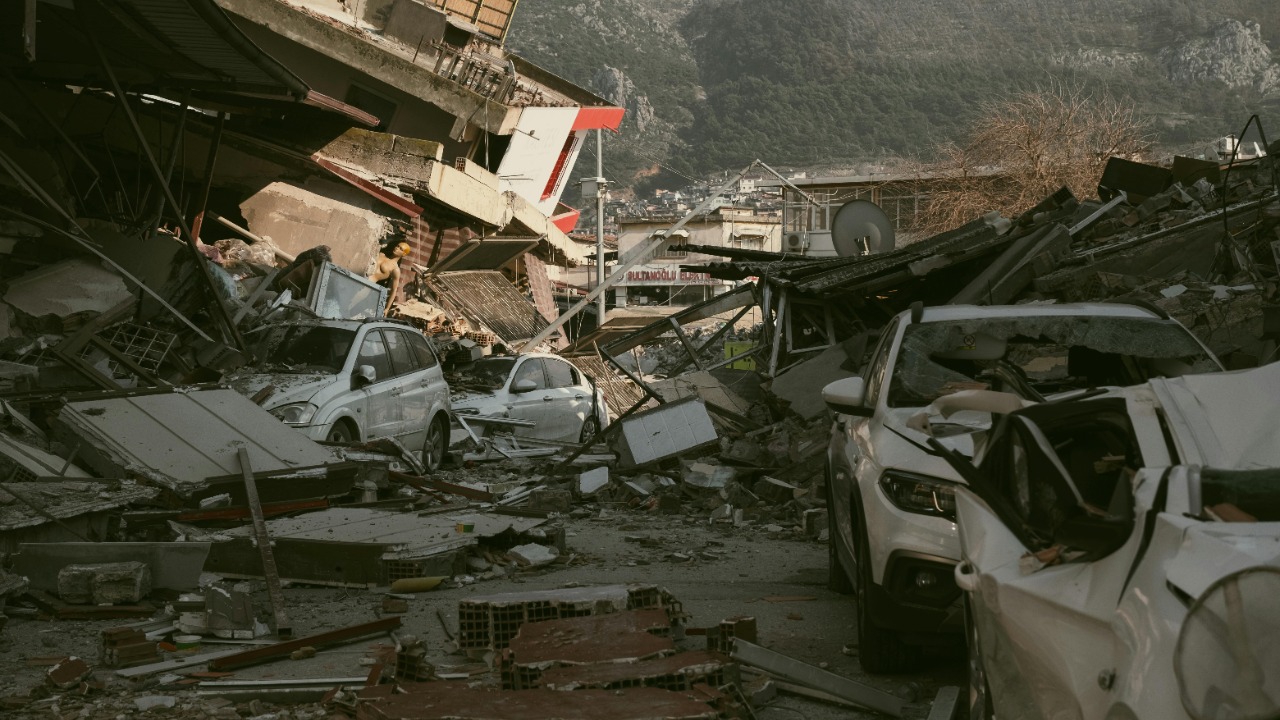
The earthquake, a significant 7.7 magnitude event, struck a specific location in Myanmar, causing substantial damage to the surrounding environment and infrastructure. The tremors were so powerful that they reshaped the landscape, exposing hidden elements of the country’s past in the process. The immediate aftermath of the earthquake was marked by a flurry of response and recovery efforts, as reported by Popular Mechanics.
Despite the devastation, the earthquake also brought to light a hidden treasure from Myanmar’s past. The seismic activity unearthed an ancient royal structure, providing a unique opportunity for archaeologists and historians to delve deeper into the country’s history.
According to Popular Mechanics, the earthquake’s epicenter was located in a remote area, which limited the human impact but amplified the geological effects. The quake’s force was such that it not only caused landslides and fissures but also lifted and shifted the ground, leading to the exposure of the ancient structure.
The earthquake’s impact on the local community was profound, with many homes and buildings damaged or destroyed. However, amidst the destruction, the earthquake also revealed a silver lining in the form of the ancient royal structure, turning a natural disaster into an opportunity for historical discovery.
Discovery of the Ancient Royal Structure

The moment of discovery was as dramatic as it was unexpected. The earthquake’s force had exposed the ancient structure, revealing it to the world for the first time in centuries. Initial observations of the structure, as reported by Archaeology.org, suggest that it is of considerable age, with architectural characteristics indicative of royal status.
The structure, despite its sudden exposure, remains in a relatively preserved state. Immediate measures were taken to protect and preserve the site, ensuring that it can be studied and understood in its full historical context.
As detailed by Archaeology.org, the structure’s architecture, including its layout and the materials used, suggests that it was built during a period when Myanmar was ruled by powerful monarchs. The structure’s grandeur and intricate designs indicate that it was likely a place of significant importance, possibly a royal palace or a ceremonial site.
Despite being buried for centuries, the structure has retained much of its original form, thanks to the protective layer of earth that shielded it from the elements. The earthquake, while destructive in many ways, served as a catalyst for this remarkable archaeological revelation.
Significance of the Ancient Structure

The discovery of the ancient royal structure has significant implications for our understanding of Myanmar’s history. As a royal structure, it likely played a central role in the political and cultural life of the time. The structure’s discovery could provide valuable insights into the country’s past, as noted by Archaeology Magazine.
Early hypotheses from archaeologists and historians suggest that the structure may have served a variety of purposes, from a royal residence to a ceremonial center. The identity of its occupants, while still a matter of speculation, is likely to be of high status, given the structure’s royal designation.
The unearthed structure, as reported by Archaeology Magazine, is a tangible link to Myanmar’s past, offering a rare opportunity to study the architectural styles, construction techniques, and cultural practices of the time. The structure’s size and complexity suggest that it was a hub of activity, possibly serving as a royal court or a place of worship.
Furthermore, the structure’s artifacts and inscriptions, if any, could provide valuable information about the political, social, and economic aspects of the era. The structure’s discovery could potentially rewrite the history of the region, shedding light on the lives of its ancient inhabitants and their royal lineage.
Next Steps in Archaeological Analysis
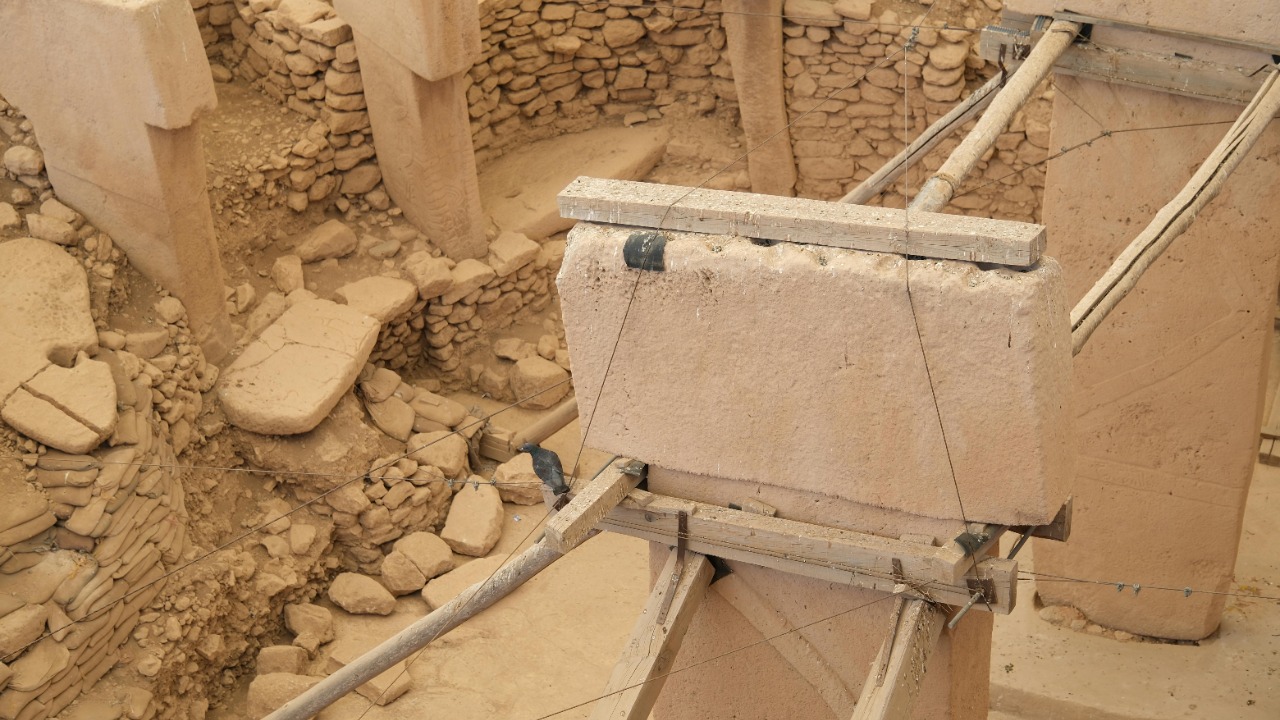
The discovery of the ancient royal structure has sparked a flurry of interest among the archaeological community. Plans are already underway for further study and analysis of the exposed structure, with a focus on understanding its historical context and significance.
Preserving the structure during the analysis process is a key consideration. The site’s sudden exposure to the elements presents a unique set of challenges, requiring careful handling and conservation efforts. Despite these challenges, the opportunity to study such a significant archaeological find is an exciting prospect for historians and archaeologists alike.
As the initial excitement surrounding the discovery subsides, the focus now shifts to a detailed study of the structure. According to Archaeology.org, archaeologists plan to conduct a thorough examination of the site, using a combination of traditional excavation methods and modern technology, such as ground-penetrating radar and 3D imaging.
Preservation efforts will also be intensified, with a team of conservators working to protect the structure from weather damage and other potential threats. The goal is to ensure that the site remains intact for future generations, serving as a testament to Myanmar’s rich and diverse history.
