The Hubble Space Telescope’s latest cosmic snapshots, captured in October 2025, are revealing profound secrets about distant galaxies and cosmic phenomena, blending stunning visuals with groundbreaking data. Simultaneously, archival Hubble images have unlocked the mystery of a rogue planet wandering through space without a star, while collaboration with the James Webb Space Telescope has resolved longstanding “Hubble trouble” regarding the universe’s expansion rate.
Hubble’s Iconic Visual Legacy
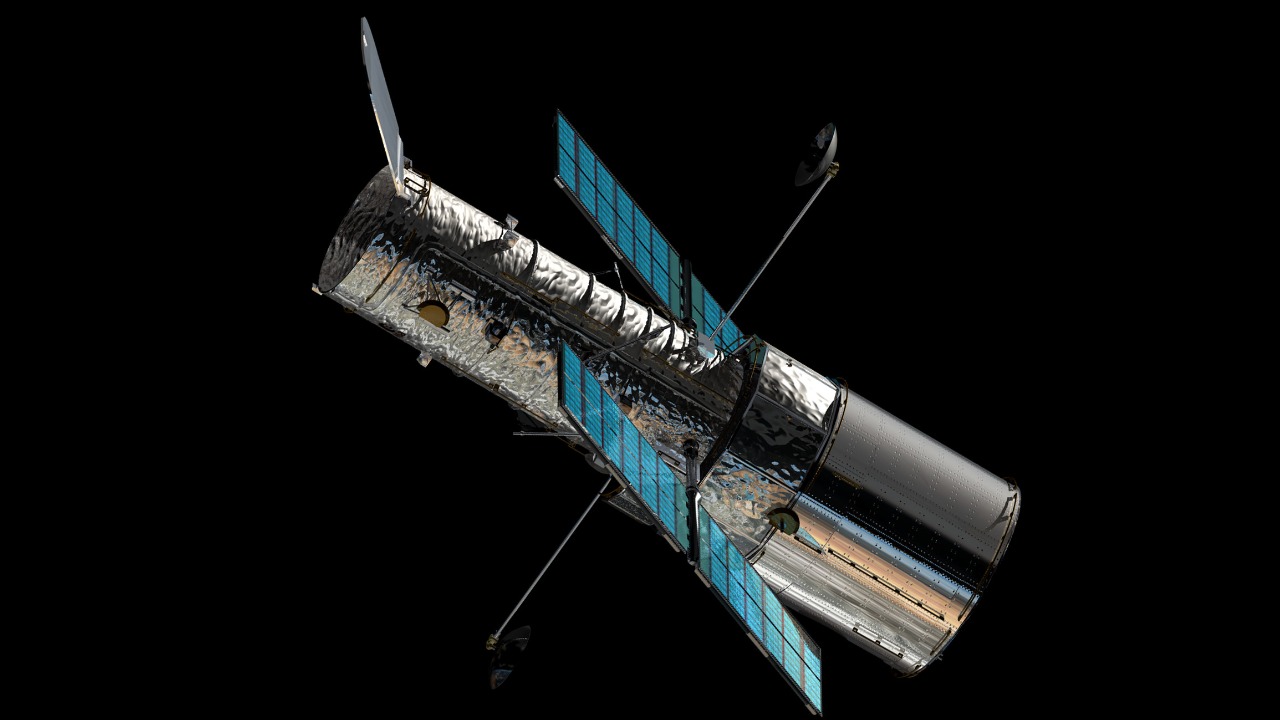
For decades, the Hubble Space Telescope has been a beacon of astronomical discovery, providing transformative visuals that have reshaped our understanding of the universe. Its high-resolution images of nebulae and star clusters have not only captivated the public but have also served as critical data for scientific research. These images, as highlighted by SSB Crack News, continue to inform studies on stellar evolution and galactic formation, underscoring Hubble’s enduring impact on astronomy.
Among Hubble’s most celebrated photographs are detailed captures of cosmic structures that showcase the telescope’s imaging prowess. These images, curated by Space.com, include breathtaking views of the Pillars of Creation and the intricate beauty of the Horsehead Nebula. Such visuals not only enhance our aesthetic appreciation of the cosmos but also provide invaluable insights into the processes that govern the life cycles of stars and galaxies.
Hubble’s legacy images continue to be a cornerstone for ongoing research. They offer a historical archive that scientists use to track changes in cosmic phenomena over time. As noted by SSB Crack News, these images are instrumental in refining models of stellar and galactic evolution, helping scientists predict future cosmic events with greater accuracy.
Resolving the Universe’s Expansion Puzzle
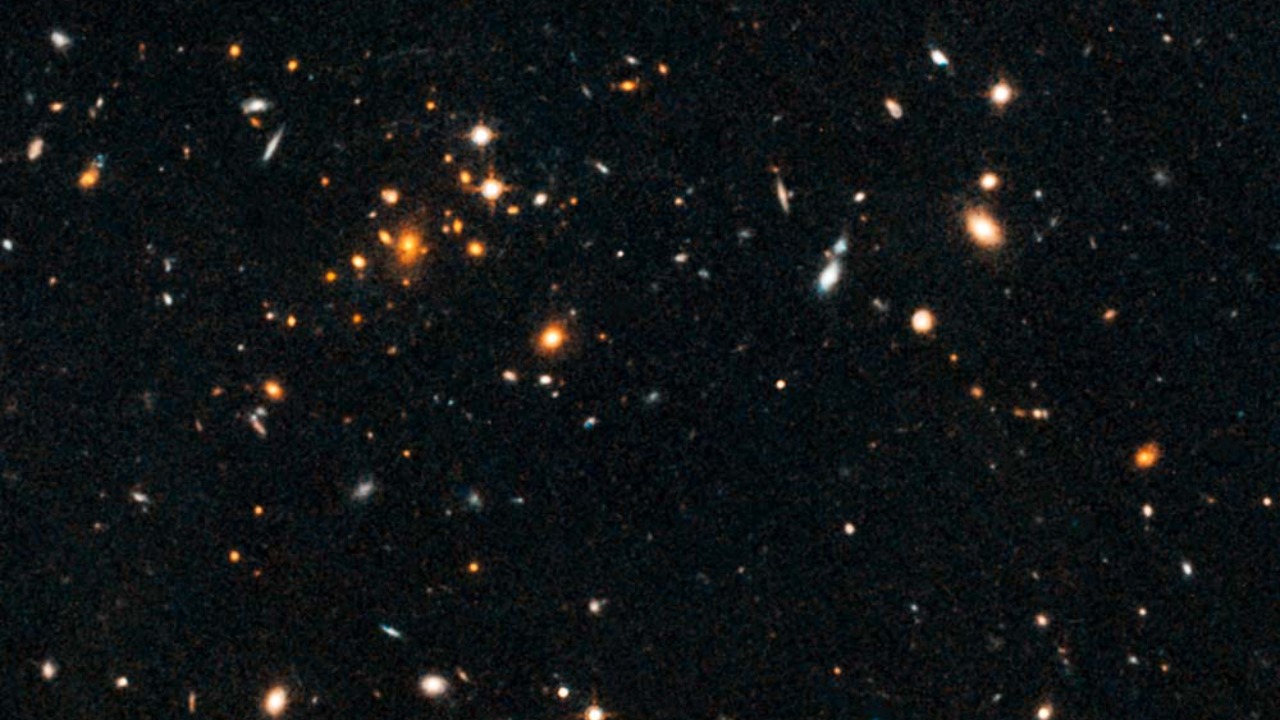
The “Hubble trouble” has long been a thorn in the side of cosmologists, with discrepancies in the measurements of the universe’s expansion rate causing significant debate. However, recent observations from the James Webb Space Telescope have confirmed Hubble’s data, as reported by SciTechDaily. This collaboration has pinpointed a more accurate expansion rate, alleviating prior tensions in cosmological models and providing a clearer picture of the universe’s growth.
The joint analysis between Hubble and Webb has not only resolved these discrepancies but also opened new avenues for understanding dark energy, the mysterious force driving the universe’s accelerated expansion. By reconciling the datasets, scientists can now refine their predictions about the universe’s future trajectory, offering deeper insights into the fundamental forces shaping our cosmos.
This breakthrough has significant implications for cosmology. It allows researchers to build more accurate models of the universe’s past and future, enhancing our understanding of how galaxies form and evolve. As SciTechDaily notes, these findings are crucial for developing theories about dark energy and its role in the universe’s fate.
Unveiling Rogue Worlds and Cosmic Oddities
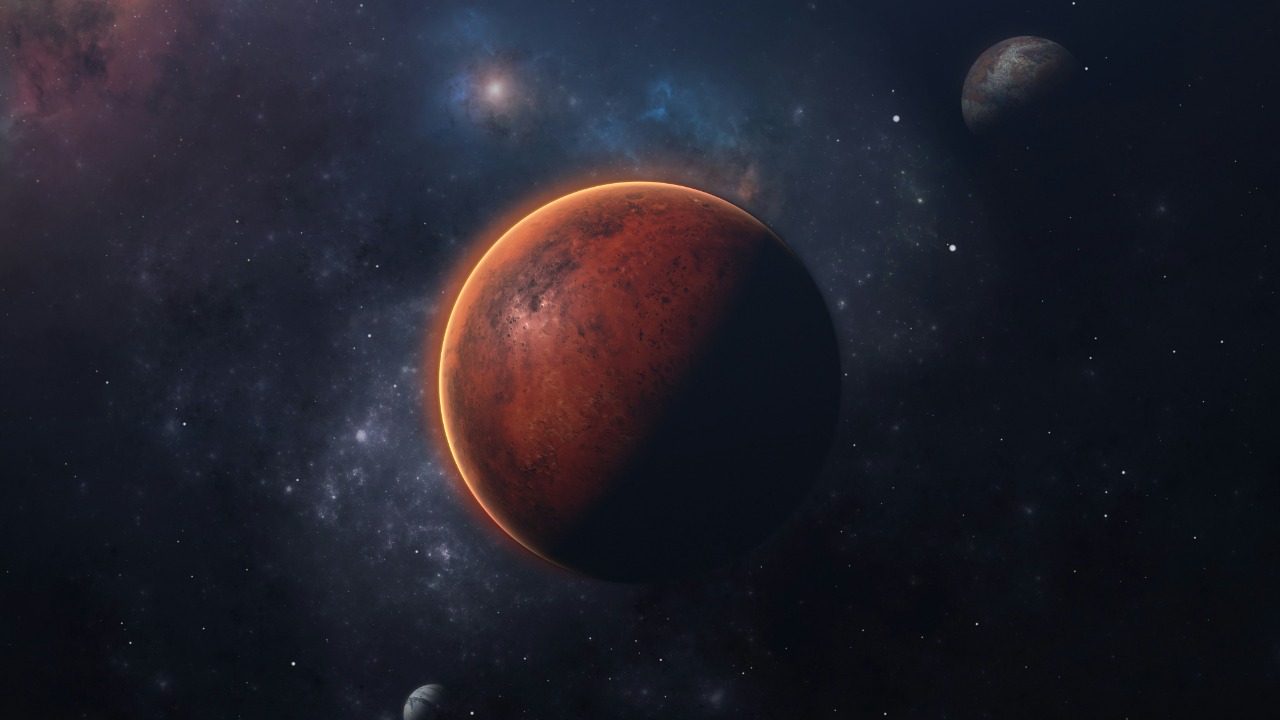
In a remarkable discovery, old Hubble photographs have revealed the existence of a rogue planet, a celestial body drifting through space without a host star. This finding, detailed by Universe Today, highlights the telescope’s ability to uncover cosmic oddities that challenge our understanding of planetary formation.
The imaging techniques used in these archival shots were crucial in detecting the planet’s isolated path through interstellar space. By analyzing the light patterns and movements captured in these images, scientists were able to identify the planet’s characteristics and trajectory, offering new insights into the dynamics of free-floating planetary bodies.
This discovery has broader implications for our understanding of planetary systems. It suggests that planets can form and exist outside traditional solar systems, prompting a reevaluation of existing models of planetary formation. As Universe Today explains, such findings could lead to new theories about the diversity and complexity of planetary systems across the universe.
October 2025’s Fresh Cosmic Revelations

The latest cosmic snapshots from October 2025 have unveiled hidden details in distant regions of the universe, such as intricate galaxy interactions. These images, reported by Daily Galaxy, integrate seamlessly with Hubble’s historical archive, providing a comprehensive view of evolutionary patterns in cosmic structures.
By combining new and old data, scientists can decode the complex processes that govern the formation and evolution of galaxies. These snapshots are instrumental in advancing our knowledge of dark matter distribution and the large-scale architecture of the universe, offering a more detailed map of the cosmic web that connects galaxies across vast distances.
The implications of these revelations are profound. They not only enhance our understanding of the universe’s structure but also inform future research directions in cosmology and astrophysics. As Daily Galaxy highlights, these insights are crucial for developing more accurate models of the universe’s past, present, and future, paving the way for new discoveries in the years to come.
