The Hubble Space Telescope has captured a galaxy with an unprecedented “mind-bending” shape that puzzles astronomers, challenging existing classification systems and theories on galactic formation. One notable example of such a mysterious structure is NGC 2775, a galaxy that defies simple classification due to its unique features.
NGC 2775: A Galactic Enigma
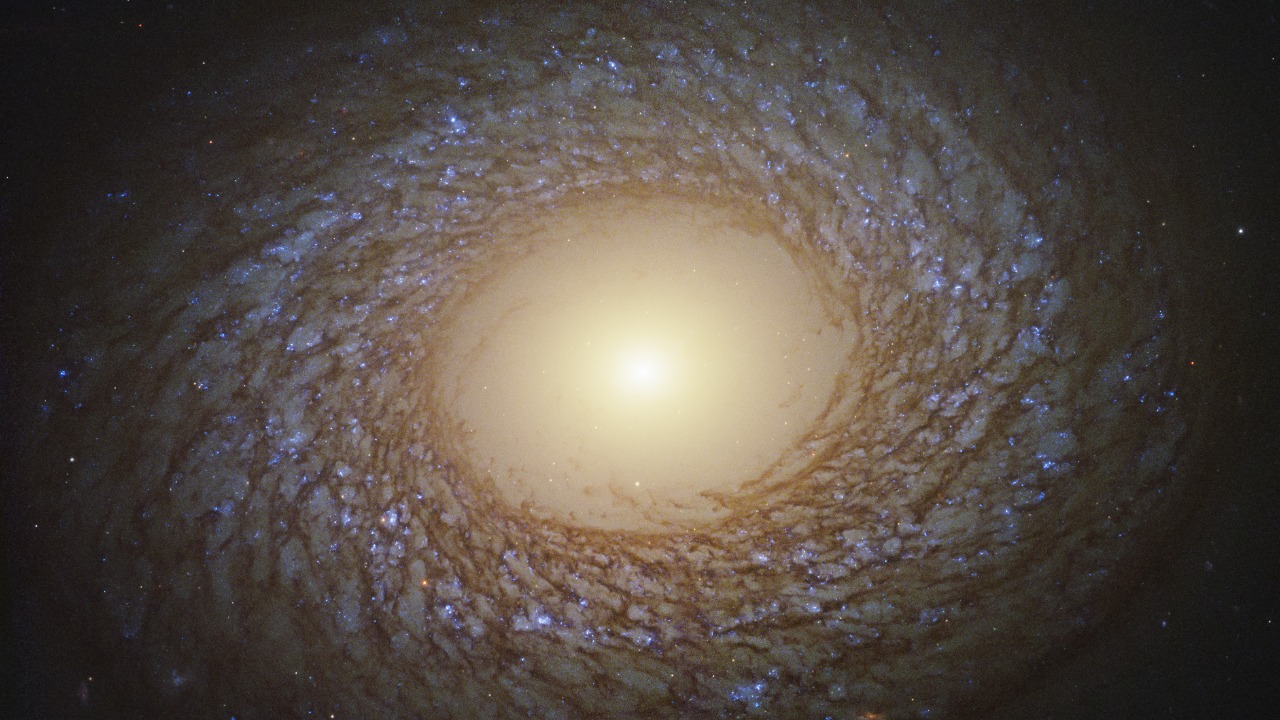
NGC 2775 stands out as a galaxy that resists straightforward classification, presenting an unusual structure that intrigues astronomers. Its distinctive features have sparked debates about how galaxies evolve and are categorized. The galaxy’s spiral arms are tightly wound, and its central bulge is unusually smooth, lacking the typical star-forming regions seen in other spiral galaxies. This combination of characteristics makes NGC 2775 a subject of intense study and discussion among astronomers, as it challenges the conventional understanding of galactic morphology.
Researchers are particularly interested in how NGC 2775 fits into the broader context of galactic evolution. The galaxy’s unique structure suggests that it may have experienced a different evolutionary path compared to more typical spiral galaxies. This has led to questions about the processes that shape galaxies and the factors that contribute to their diverse forms. As astronomers continue to study NGC 2775, they hope to gain insights into the complex dynamics that govern galaxy formation and evolution.
NGC 2775’s unique characteristics have led scientists to speculate about its past interactions with other galaxies. Some researchers propose that the galaxy’s smooth central bulge and tightly wound spiral arms could be the result of past mergers with smaller galaxies. These interactions might have stripped away the gas and dust typically found in star-forming regions, leading to the galaxy’s current appearance. Additionally, the lack of significant star formation in the central bulge suggests that NGC 2775 might have exhausted its gas supply, a phenomenon that could provide insights into the lifecycle of galaxies.
Moreover, the study of NGC 2775 offers a valuable opportunity to explore the role of dark matter in shaping galactic structures. The galaxy’s unusual morphology might be influenced by the distribution of dark matter within and around it. Understanding how dark matter interacts with visible matter in galaxies like NGC 2775 could help astronomers refine their models of galactic evolution and the universe’s overall structure. As research continues, NGC 2775 remains a focal point for astronomers seeking to unravel the mysteries of galactic formation and transformation.
Implications of the Triple-Ring Galaxy
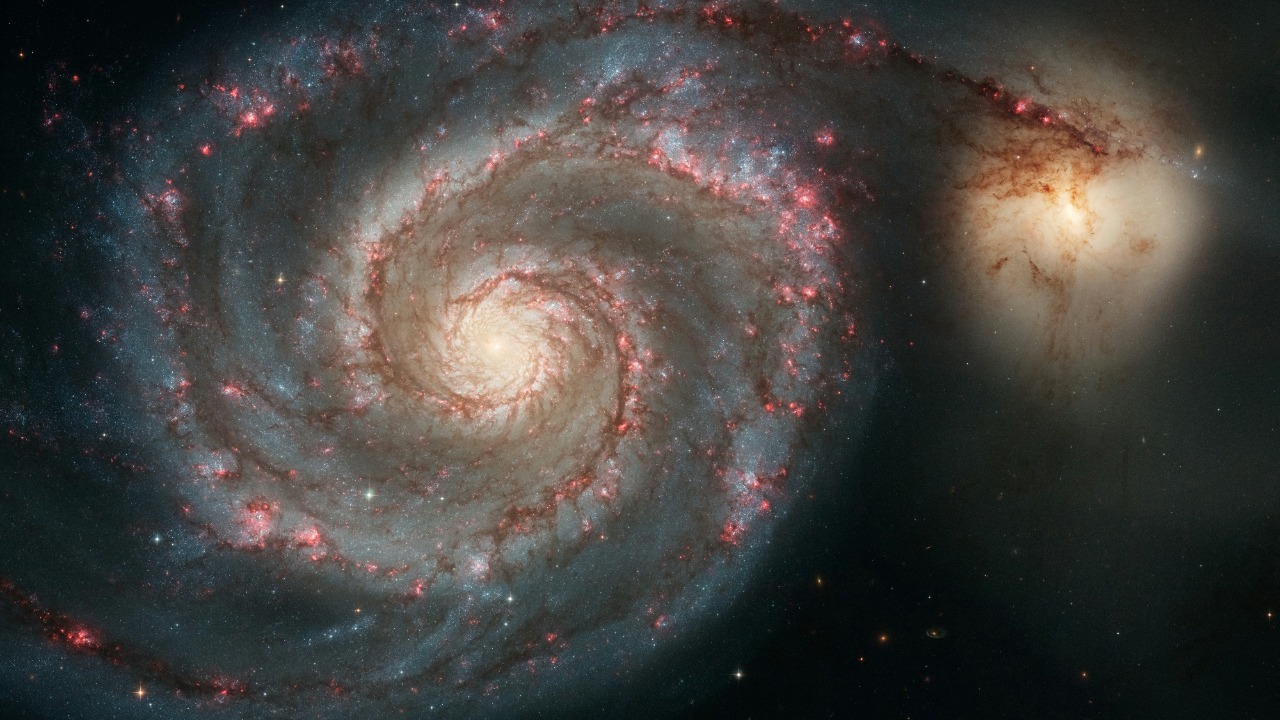
In a groundbreaking discovery, researchers identified a rare “triple-ring” galaxy, further complicating existing models of galactic formation. This galaxy, with its three distinct rings, challenges current explanations available to astronomers and prompts new questions about galactic dynamics. The presence of multiple rings suggests a complex history of interactions and mergers, which could provide valuable clues about the processes that shape galaxies over time.
The discovery of the triple-ring galaxy highlights the limitations of current galactic classification systems and underscores the need for more comprehensive models. As astronomers work to understand the origins and evolution of this unusual galaxy, they are also reevaluating the criteria used to categorize galaxies. This ongoing research has the potential to reshape our understanding of the universe and the diverse forms that galaxies can take. For more details, visit Live Science.
The triple-ring galaxy’s discovery has prompted a reevaluation of the processes that lead to ring formation in galaxies. Traditionally, rings are thought to form through interactions with other galaxies or as a result of internal processes such as bar instabilities. However, the presence of three distinct rings in this galaxy suggests a more complex history, possibly involving multiple interactions or a unique set of internal dynamics. This complexity challenges astronomers to develop new models that can account for such unusual structures.
Furthermore, the study of the triple-ring galaxy could provide insights into the role of supermassive black holes in shaping galactic features. The gravitational influence of a central black hole might contribute to the formation and maintenance of the rings, offering a potential explanation for their persistence. By examining the interplay between black holes and galactic structures, researchers hope to gain a deeper understanding of the forces that govern galaxy formation and evolution. This research not only enhances our knowledge of individual galaxies but also contributes to a broader understanding of the universe’s diverse and dynamic nature.
Hubble’s Role in Advancing Galactic Science
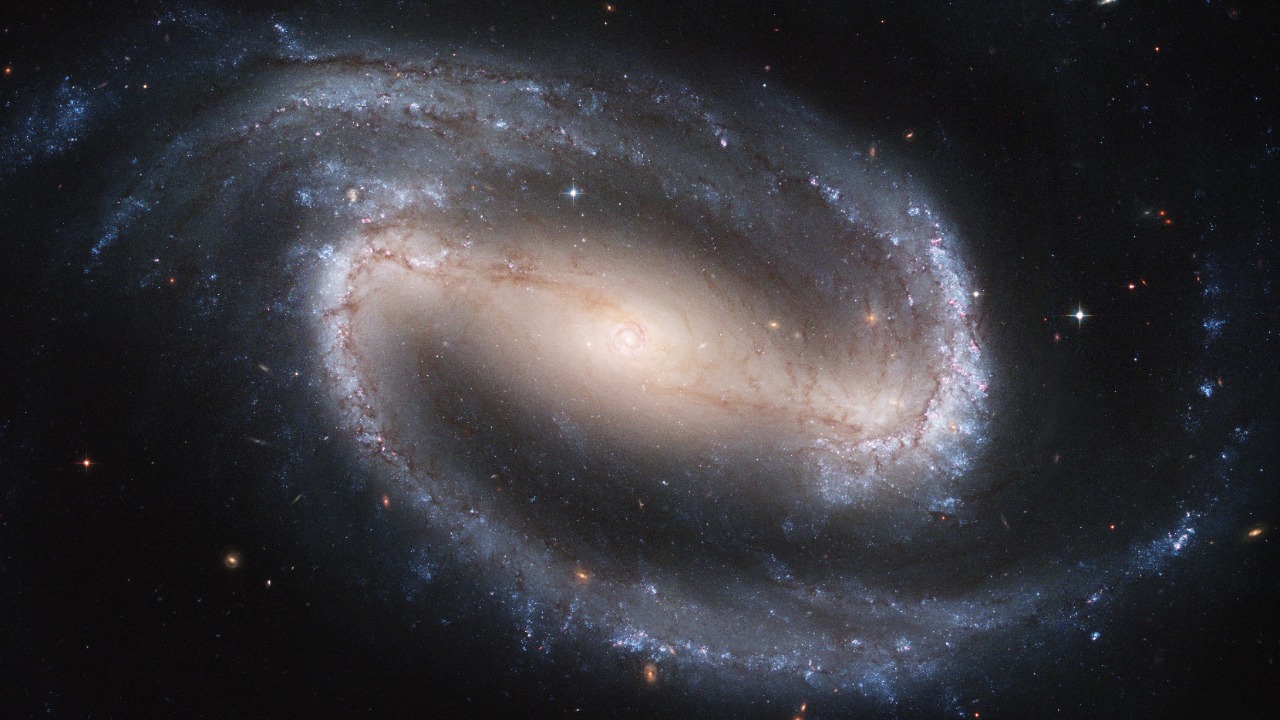
The Hubble Space Telescope continues to be instrumental in revealing complex galactic structures that defy conventional understanding. Its high-resolution images have enabled detailed study and analysis of distant galaxies, providing astronomers with unprecedented insights into the universe’s most enigmatic phenomena. Hubble’s observations have not only expanded our knowledge of existing galaxies but also uncovered new types of galactic formations that challenge established theories.
These discoveries underscore the telescope’s importance in advancing galactic science. By capturing images of galaxies like NGC 2775 and the triple-ring galaxy, Hubble has opened new avenues for research and exploration. Its contributions to the field have been invaluable, allowing scientists to explore the intricacies of galactic dynamics and the forces that shape the cosmos. For more information, see MSN.
Hubble’s ability to capture high-resolution images of distant galaxies has revolutionized our understanding of the universe. Its observations have revealed the presence of phenomena such as gravitational lensing, where the light from distant galaxies is bent around massive objects, providing a natural ‘magnifying glass’ that allows astronomers to study galaxies that would otherwise be too faint to observe. This capability has been crucial in identifying and analyzing galaxies with unusual shapes and structures, such as NGC 2775 and the triple-ring galaxy.
Additionally, Hubble’s contributions extend beyond the discovery of new galactic forms. Its data has been instrumental in refining the cosmic distance ladder, a series of methods used to determine the distances to celestial objects. By improving our understanding of these distances, Hubble has helped to calibrate other astronomical measurements, leading to more accurate estimates of the universe’s age and expansion rate. These advancements underscore the telescope’s pivotal role in shaping modern astrophysics and enhancing our comprehension of the cosmos. For more information, see MSN.
Understanding Galactic Curves and Shapes

A groundbreaking 3D map revealing the Milky Way’s perplexing curves was released, offering fresh insights into the galaxy’s structure. This map has provided astronomers with a new perspective on the Milky Way, highlighting its warped shape and the forces that may have contributed to its formation. The study of such curves is crucial for understanding the underlying forces shaping galaxies across the universe.
The 3D map has also shed light on the complex interactions between the Milky Way and its neighboring galaxies. By examining the galaxy’s curves, researchers can gain a better understanding of the gravitational forces at play and how they influence the galaxy’s evolution. This research is essential for developing more accurate models of galactic dynamics and improving our understanding of the universe’s structure. For further reading, visit Popular Science.
