Mid-air refueling is a critical component of the U.S. military’s ability to conduct long-distance bombing runs. This process extends the operational range of aircraft, allowing them to carry out missions far from their home bases. In exploring the mechanisms and strategies behind mid-air refueling, its importance to military operations, and the technical intricacies that make it possible, we can appreciate the strategic advantage it provides to modern warfare.
The Importance of Mid-Air Refueling in Military Operations
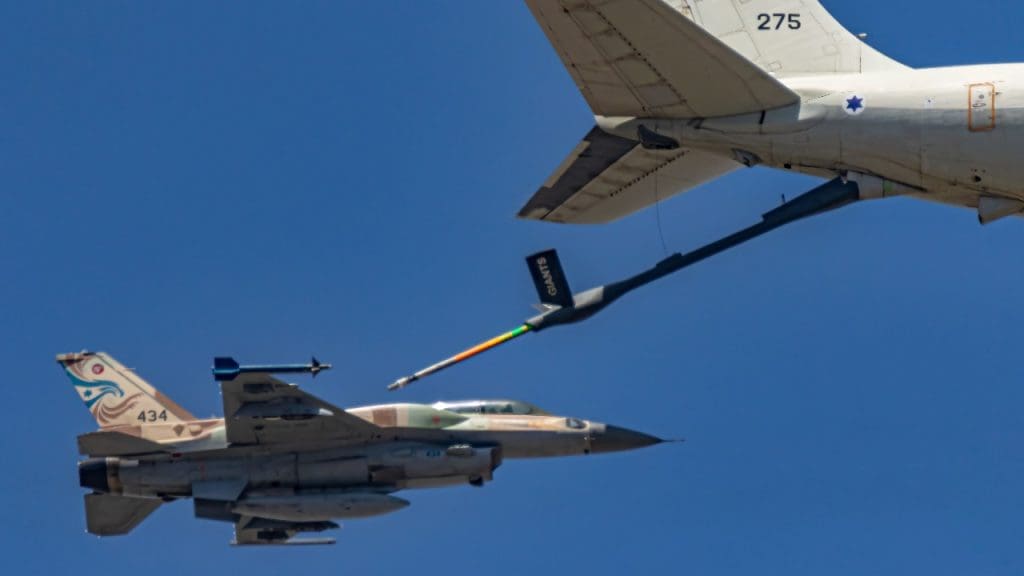
Mid-air refueling offers a significant strategic advantage by enabling aircraft to travel longer distances without the need to land. This capability allows the U.S. military to project power globally and respond swiftly to threats, enhancing its deterrence posture. By being able to refuel in the air, aircraft can undertake extended missions, ensuring that forces are not geographically constrained and can operate from secure bases far from conflict zones.
Operational flexibility is another key benefit of mid-air refueling. It allows for dynamic mission planning and execution, particularly in volatile regions where ground refueling options may be limited or unsafe. This flexibility ensures that missions can be adapted in real-time to changing scenarios, whether for strategic bombing runs or reconnaissance operations. Historically, mid-air refueling has played a pivotal role in operations such as the Berlin Airlift and more recent engagements in the Middle East.
The Mechanics of Mid-Air Refueling
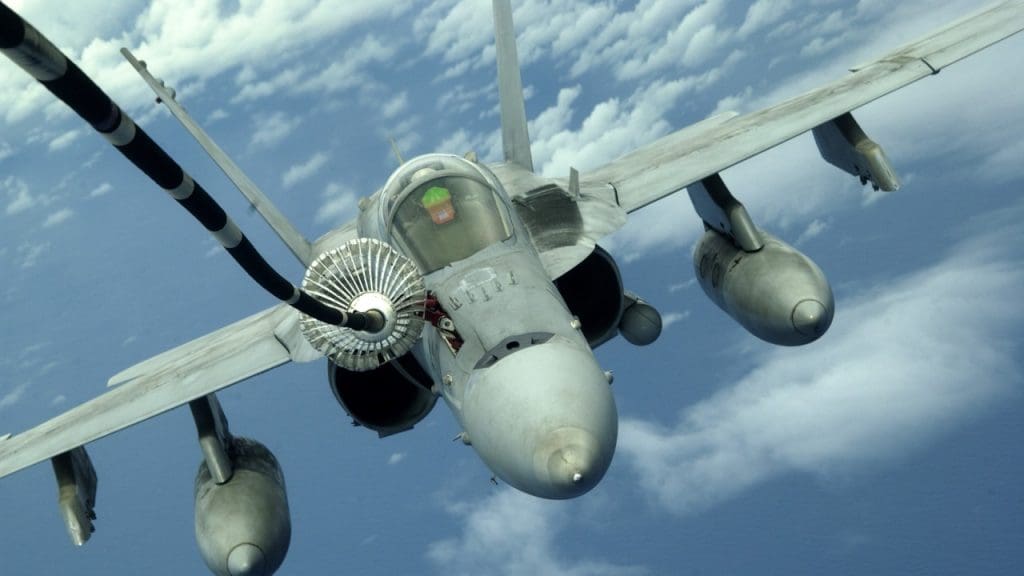
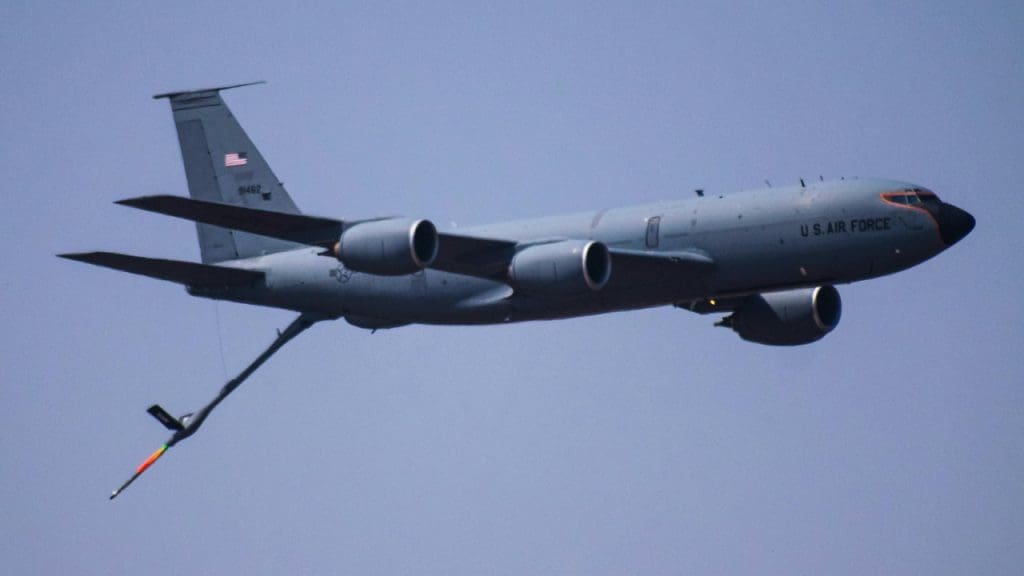
The technical process of mid-air refueling involves complex equipment and precise maneuvers. There are two primary methods: the boom method and the probe-and-drogue method. The boom method uses a rigid, telescoping tube controlled by an operator in the tanker aircraft, while the probe-and-drogue method involves a hose with a basket-like drogue at the end that the receiving aircraft connects to.
Aircraft involved in refueling operations typically include tankers like the KC-135 Stratotanker and the KC-46 Pegasus, which are equipped with the necessary refueling apparatus. These tankers are specifically designed to carry large amounts of fuel and are equipped with advanced navigation and stabilization systems to maintain precise speed and altitude during refueling. Challenges such as maintaining alignment and ensuring safety in turbulent conditions have been addressed through technological advancements and rigorous pilot training.
Training and Coordination for Successful Refueling Missions
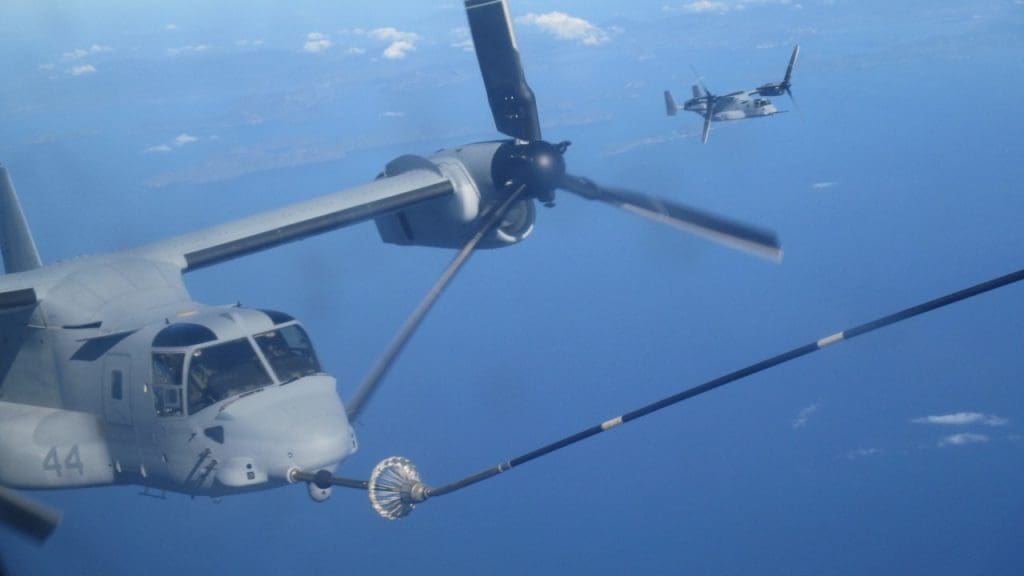
Pilot training for mid-air refueling is exceptionally rigorous, reflecting the complexity of the task. Pilots must master the art of maintaining precise control over their aircraft, often in less-than-ideal weather conditions, to successfully connect with the tanker. This training involves countless hours in simulators, as well as live practice missions to hone their skills.
Coordination between the tanker and receiving aircraft crews is paramount for a successful refueling operation. Communication is constant, with crews working closely to ensure alignment and timing are flawless. The importance of these skills is underscored during simulations and drills that replicate real-world scenarios, allowing crews to practice and refine their techniques in a controlled environment.
Operational Scenarios: Mid-Air Refueling in Action
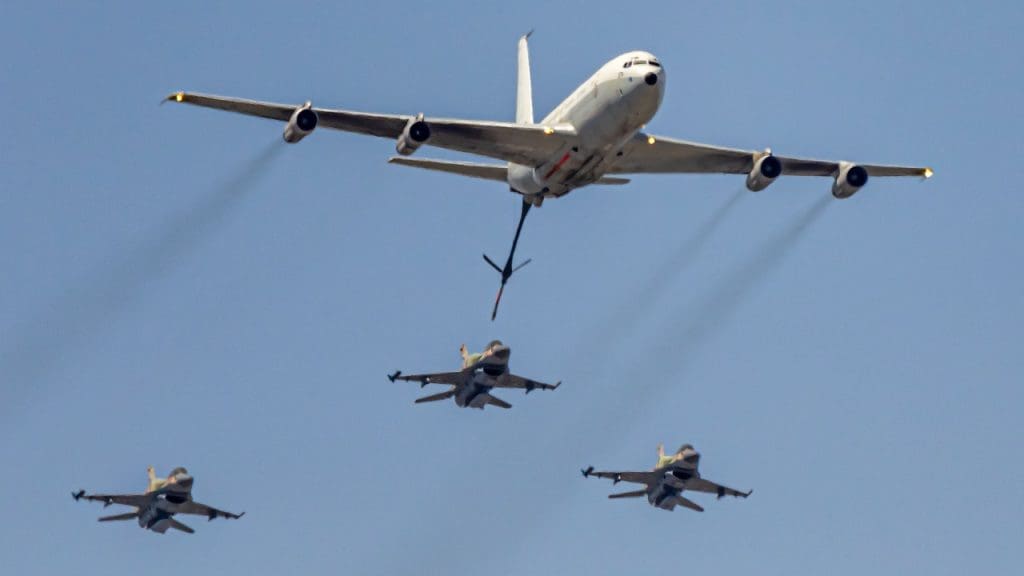
Mid-air refueling has been pivotal in numerous long-distance bombing runs, such as operations conducted in the Middle East. For example, during heightened tensions in the region, refueling allowed aircraft to conduct extended surveillance and bombing missions without needing to land, thereby maintaining a persistent presence. In strategic deterrence, refueling supports the ability of bombers to remain airborne for extended periods, providing a constant deterrent to adversaries.
Recent conflicts have further highlighted the necessity of mid-air refueling. For instance, during the tensions surrounding Iran’s missile launch sites, the U.S. military relied on refueling capabilities to maintain a strategic advantage. The deployment of aircraft such as the B-2 Spirit from Guam amid the Iran conflict underscored the crucial role of refueling in ensuring mission success.
Future Developments and Innovations in Air Refueling
Looking to the future, technological advances are set to further enhance mid-air refueling capabilities. Emerging technologies, such as autonomous refueling systems, promise to increase the efficiency and safety of refueling operations. These innovations could reduce the need for human intervention, allowing for more seamless and adaptable refueling processes.
The global implications of advancements in refueling technology are significant, not only for the U.S. military but also for its allies. Enhanced refueling capabilities could improve the operational reach and effectiveness of allied forces, fostering greater collaboration in international military efforts. Efforts to make mid-air refueling more sustainable and efficient are also underway, with a focus on reducing fuel consumption and minimizing environmental impact. As these technologies continue to evolve, they will undoubtedly shape the future of military aviation and strategic operations globally.
