
In today’s digital age, the internet is rife with opportunities for scams. From phishing emails to counterfeit websites, knowing how to identify and avoid these threats is crucial. Understanding the tactics scammers use and being vigilant can protect your personal information and financial well-being.
Recognizing Common Scam Tactics
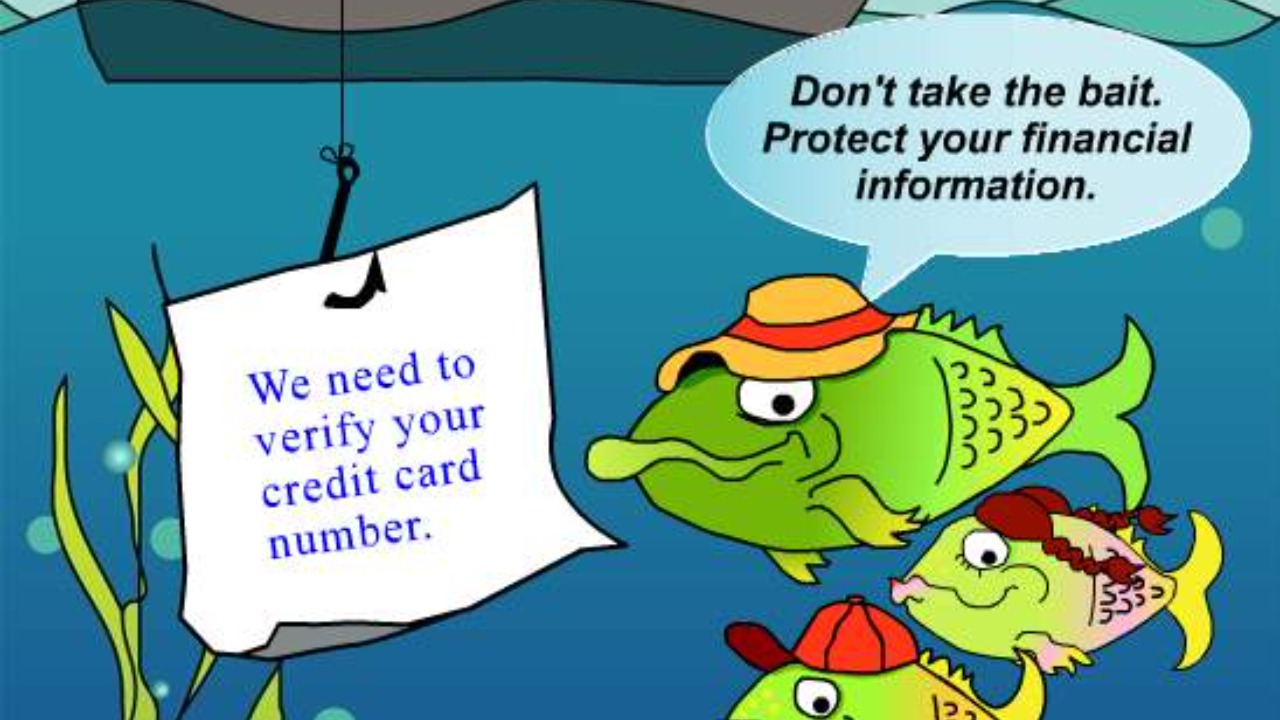
Phishing scams are one of the most prevalent threats online. These scams typically involve fraudulent emails or messages that appear to be from a legitimate source, such as a bank or a well-known company. The goal is to trick you into providing sensitive information like passwords or credit card numbers. Be wary of unsolicited emails that urge you to act quickly or click on suspicious links. Always verify the sender’s email address and look for signs of impersonation.
Fake websites are designed to mimic legitimate ones, often using similar layouts and logos. These counterfeit sites aim to deceive visitors into entering personal information, believing they are on a trusted platform. To spot these scams, check for inconsistencies in the URL, such as misspellings or unfamiliar domain extensions. Additionally, look for security indicators, such as a padlock icon in the address bar, to ensure the site is secure before entering any information.
Social media platforms like Facebook, Instagram, and Twitter are also rife with scams. These can take the form of fake accounts, fraudulent giveaways, or phishing links disguised as news articles. It’s essential to scrutinize any offers or messages you receive and to verify the authenticity of the profiles you interact with. For more insights on preventing social media scams, visit Quora’s discussion on social media scams.
Verifying Legitimacy Before Clicking

Before clicking on any link, it’s crucial to inspect the URL and email addresses for any signs of fraud. Scammers often use URLs that appear similar to legitimate ones but contain subtle differences. Hover over links to reveal the actual URL, and ensure it matches the legitimate website’s domain. Similarly, scrutinize email addresses for inconsistencies or deviations from official company domains.
Using security tools can further protect you from scams. Browser extensions and software designed to detect and block malicious websites can be a valuable line of defense. These tools often come with features that alert you to potential threats, allowing you to browse with greater confidence. For example, Amazon provides tips on avoiding scams specific to their platform, which you can explore here.
If you receive a suspicious communication, consider contacting the company directly through their official channels. This step is crucial in verifying the legitimacy of any requests for personal information. Legitimate companies will never pressure you into providing sensitive details over email or through unofficial means.
Safeguarding Personal Information

Protecting your personal data is essential in reducing the risk of identity theft. Implement strong, unique passwords for each of your accounts and enable two-factor authentication where available. Regularly update your security settings and be cautious about the information you share online.
When making online transactions, use trusted payment methods and platforms that offer buyer protection. Avoid entering payment details on unfamiliar or insecure websites. Opt for services like PayPal or credit cards that provide an additional layer of security.
Be aware of social engineering tactics, where scammers manipulate individuals into divulging confidential information. This can occur through phone calls, emails, or social media interactions. Stay informed about the latest scams and techniques used by cybercriminals to protect yourself effectively. For more on recognizing these tactics, explore this detailed study on social engineering.
Staying Informed and Educated

Keeping up with the latest scams is essential in staying protected. Follow reputable sources and cybersecurity blogs that report on new and evolving threats. This proactive approach can help you recognize scams before they affect you.
Participating in cybersecurity workshops and training programs can enhance your scam detection skills. These educational opportunities provide valuable insights into the tactics used by scammers and how to counteract them effectively.
Encourage the sharing of scam experiences and prevention tips among peers and communities. By fostering an informed community, you can collectively reduce the risk of falling victim to scams. For a personal perspective on avoiding scams, consider this book that delves into the topic.
Responding to a Suspected Scam

If you suspect a scam, report it to the relevant authorities and organizations. This step is crucial in preventing others from falling victim to the same scheme. Many countries have dedicated agencies for handling cybercrime reports, making it easier to take action.
If you believe your information has been compromised, act quickly to mitigate the damage. Change your passwords, notify your bank or credit card provider, and monitor your accounts for any unauthorized activity. This prompt response can help minimize the impact of a scam.
Seeking support from resources and networks dedicated to scam victims can be invaluable. These organizations provide guidance, advice, and emotional support to help you navigate the aftermath of a scam. For example, the U.S. Immigration and Customs Enforcement provides resources on protecting yourself from romance scams.
