
Electric vehicle (EV) batteries have a limited lifespan, and with the increasing number of EVs on the road, the need for effective recycling solutions is growing. Proper recycling not only helps in managing waste but also recovers valuable materials, reducing the demand for new mining activities. This exploration delves into the steps and methods involved in recycling old EV batteries, ensuring both environmental sustainability and economic efficiency.
Understanding EV Battery Composition
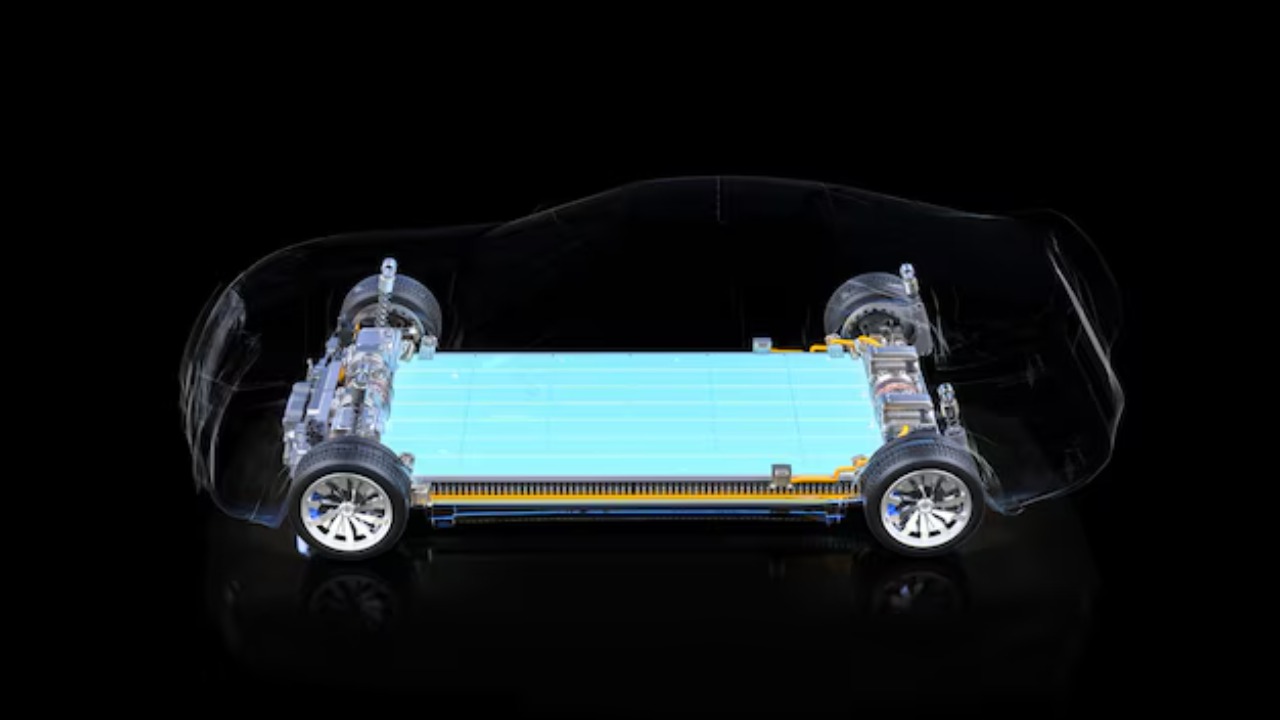
There are several types of EV batteries, with the most common being lithium-ion and nickel-metal hydride. Lithium-ion batteries are prevalent due to their high energy density and efficiency, which makes them ideal for EVs. Their chemical makeup includes elements such as lithium, cobalt, nickel, and manganese. Nickel-metal hydride batteries, though less common, are used in some hybrid vehicles and consist of a nickel and hydrogen composition.
The key components and materials in these batteries are valuable resources that can be recovered during the recycling process. Lithium, cobalt, nickel, and manganese are essential for manufacturing new batteries, and their recovery is crucial in reducing the dependency on mining. However, recycling these batteries poses significant challenges, primarily due to the complexity of separating and extracting these materials safely and efficiently. Safety concerns, technological barriers, and economic feasibility are some of the issues that recycling facilities must address.
The Recycling Process Explained
The recycling process begins with the collection and transportation of old EV batteries. This involves a logistical network that gathers batteries from consumers and transports them to recycling facilities. The collection process is critical to ensure that batteries are handled safely and that they reach the facilities in a condition suitable for recycling.
Once at the facility, the batteries undergo dismantling and initial processing. This step involves safely dismantling the batteries to access the cells and prepare them for material recovery. Innovative techniques are employed to extract valuable metals like lithium, cobalt, and nickel. Material extraction and purification processes are crucial to ensure that these metals are refined to a high standard, allowing them to be reused in the production of new batteries or other applications.
Environmental and Economic Impacts
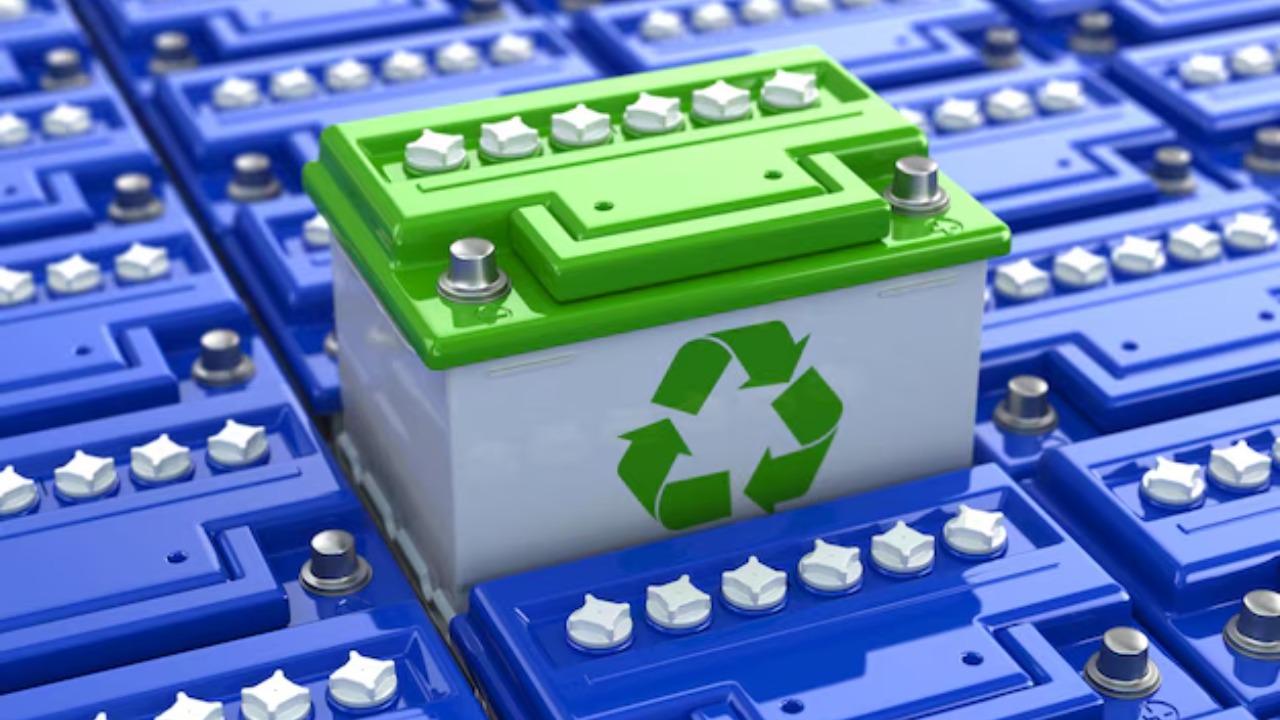
Recycling EV batteries significantly reduces the environmental footprint associated with raw material extraction. By recovering essential materials, the need for new mining operations is minimized, which in turn lowers greenhouse gas emissions and reduces habitat disruption. Recycling also decreases the amount of hazardous waste that might otherwise end up in landfills.
Economically, the benefits of recycling are substantial. The recovery of valuable materials can lead to cost savings for manufacturers and contribute to job creation within the recycling industry. However, the industry faces challenges, such as the high cost of recycling technology and the need for better infrastructure. Potential solutions include technological advancements and supportive government policies that incentivize battery recycling and investment in recycling infrastructure.
Innovations in EV Battery Recycling

Advanced recycling technologies are continuously evolving, improving the efficiency and effectiveness of recycling processes. For instance, new hydrometallurgical and pyrometallurgical methods are being developed to increase the recovery rates of valuable metals. Moreover, second-life applications for old EV batteries are being explored, where batteries are repurposed for energy storage solutions in homes and businesses before they are eventually recycled.
Policy and regulation play a crucial role in promoting innovation and investment in battery recycling infrastructure. Government initiatives and international agreements can drive the industry towards more sustainable practices, ensuring that recycling becomes an integral part of the EV lifecycle. For a deeper understanding of how policies can influence battery recycling, you can refer to this comprehensive study.
The Future of EV Battery Recycling
As the number of electric vehicles continues to rise, scaling up recycling infrastructure is imperative to meet the growing demand. Expanding facilities and investing in new technologies will be essential to handle the increasing volume of batteries reaching the end of their lifecycle. Global collaboration is also important, as it can help standardize recycling practices and facilitate the sharing of technological advancements across borders.
Consumer awareness and participation are vital in promoting responsible disposal and recycling of EV batteries. Educating consumers about the importance of recycling and how to properly dispose of old batteries can enhance the efficiency of recycling programs. For insight into consumer roles in battery recycling, visit this informative article.
The future of EV battery recycling is promising, with continued advancements in technology and policy supporting a sustainable and economically viable industry. To explore more about the journey of EV batteries from use to recycling, check out this detailed overview.
