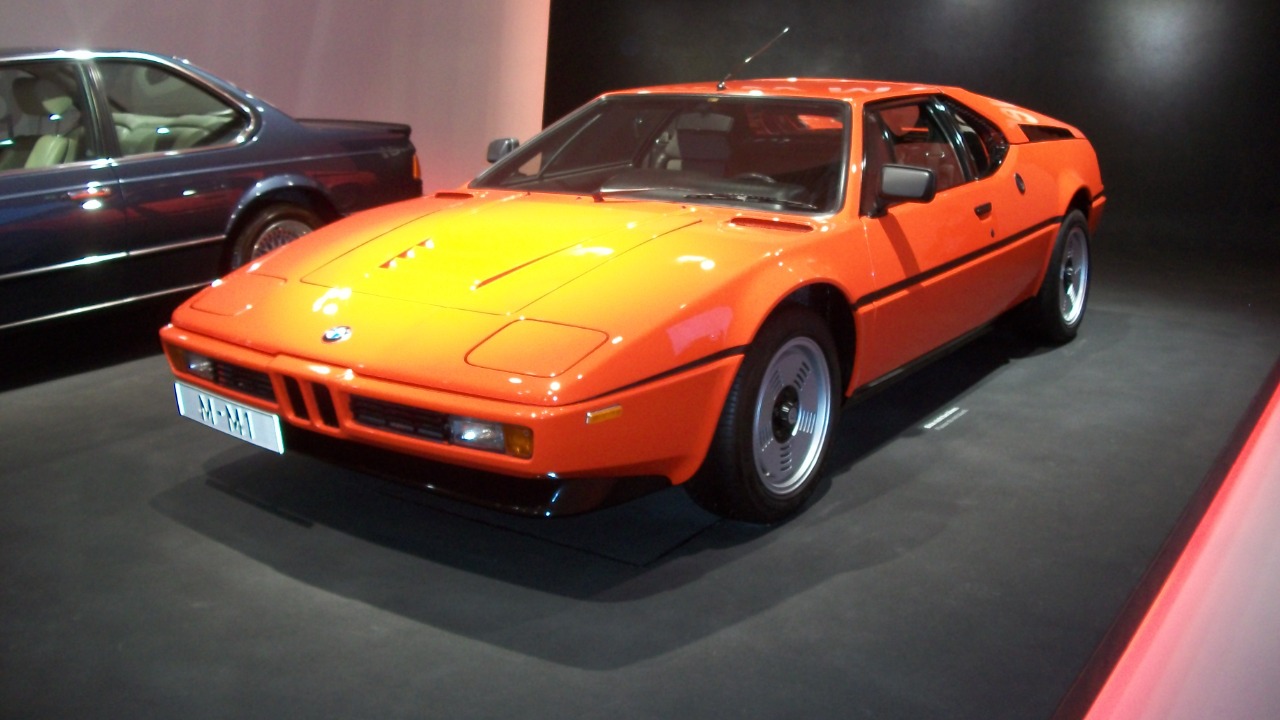

The BMW M1, BMW’s first supercar, emerged from a tumultuous collaboration in the late 1970s, resulting in a limited production run of just 453 units. This rarity has made the M1 a prized collector’s item, with auction prices often exceeding $1 million for well-preserved examples. While recent rumors of a new BMW M supercar have been debunked, the M1’s legacy remains significant as BMW shifts focus toward electric performance models like the Neue Klasse EV coupe, which has been spotted in testing. Despite Lamborghini’s claim that the Miura was the first true supercar, the M1’s unique status as a homologated racing machine and a pure driver’s car sets it apart.
The Origins of the BMW M1 Project
The BMW M1 project began in 1971 when BMW commissioned Lamborghini to develop a mid-engine supercar to homologate the M88 turbo engine for racing. However, contract disputes led BMW to take over production in-house by 1975. This shift was crucial as it allowed BMW to maintain control over the project, although it also introduced significant challenges. The production was eventually moved to BMW’s Dingolfing plant, where only 453 units were built between 1978 and 1981, including 270 street versions and 183 race-prepared Group 5 cars [source].
Design played a pivotal role in the M1’s development, with Giorgetto Giugiaro of Italdesign crafting its angular wedge shape. This design drew inspiration from Lamborghini’s LP500 prototype but was adapted to fit BMW’s vision of a road-legal racer. The M1’s distinctive look not only set it apart from other vehicles of its time but also contributed to its enduring appeal among collectors and enthusiasts [source].
Engineering and Performance Specs
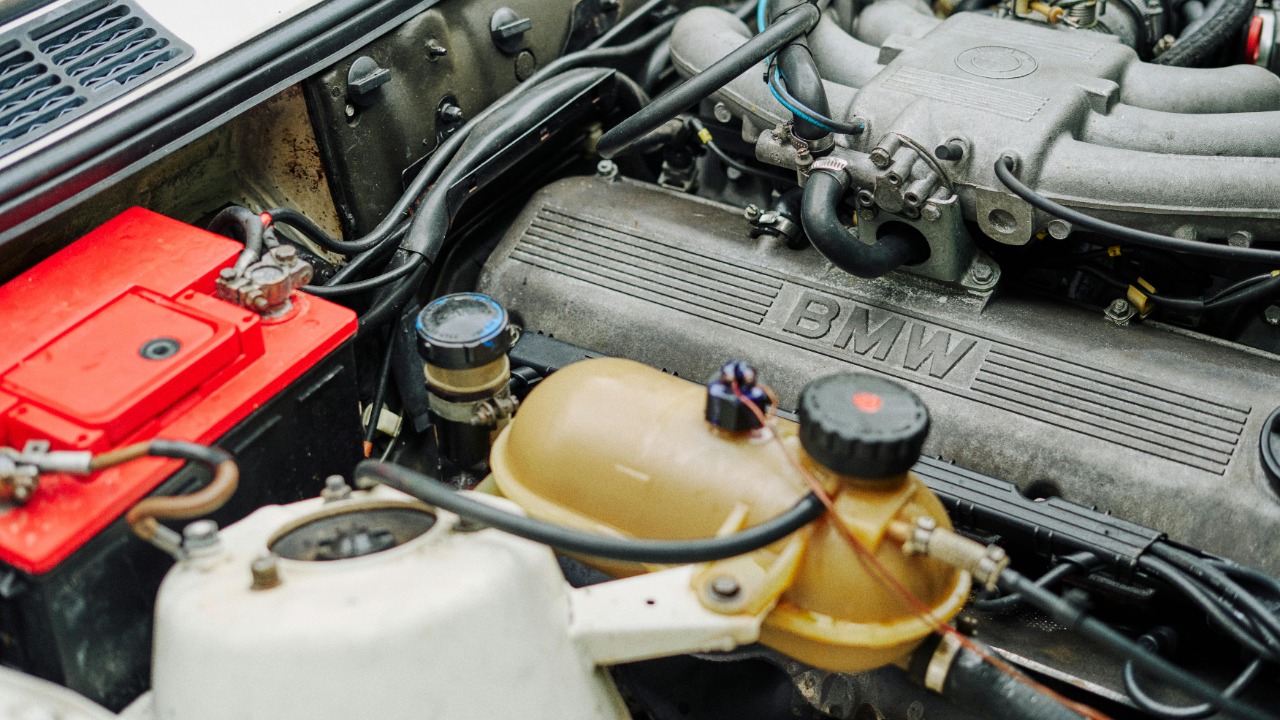
At the heart of the BMW M1 lies the 3.5-liter inline-six M88 engine, which produces 273 horsepower. This engine is mid-mounted for optimal balance and is paired with a 5-speed Getrag manual transmission and independent suspension. These mechanical features underscore the M1’s reputation as a driver’s car, offering a blend of power and precision that was ahead of its time [source].
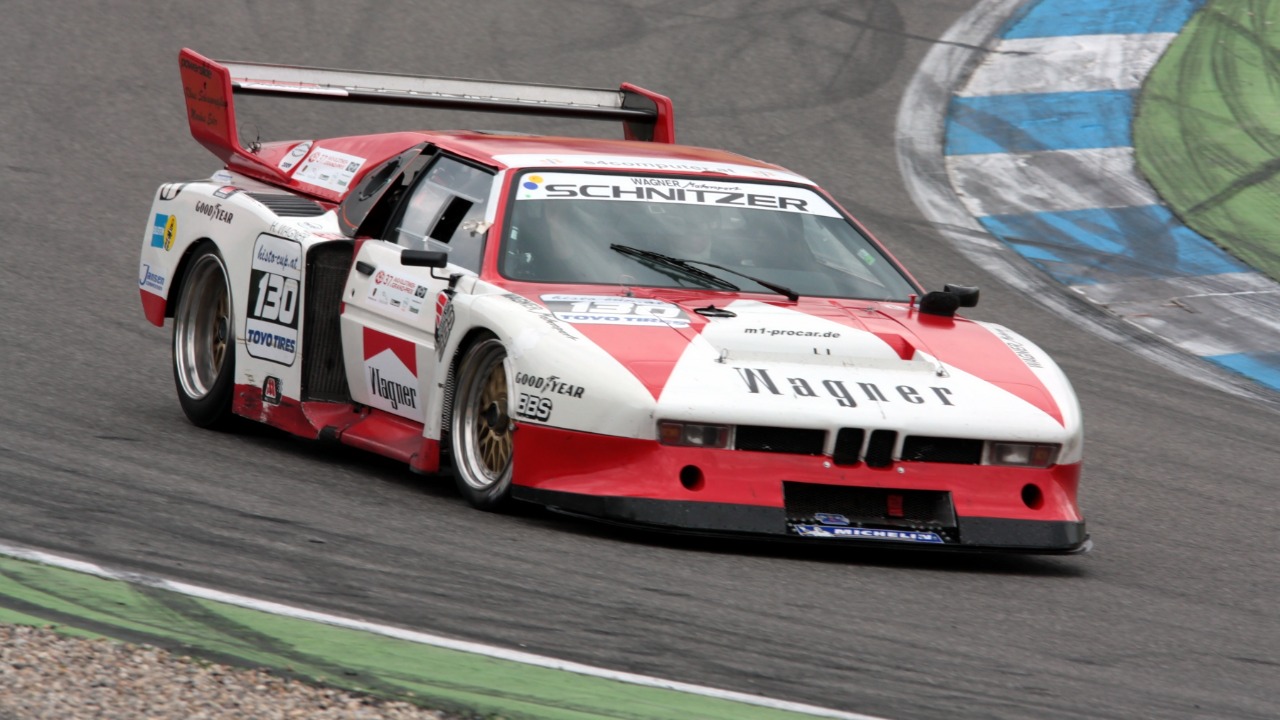
The M1’s racing variants, particularly those in the M1 Procar series from 1979 to 1980, showcased its performance potential. Turbocharged versions of the M1 reached up to 850 horsepower for Group 5 competition, influencing the ethos of BMW’s later M division. The M1’s 0-60 mph time of around 5.4 seconds and a top speed of 162 mph were competitive with contemporaries, reinforcing its status as BMW’s first true driver’s car before the brand expanded into broader performance models [source].
The M1’s Racing Legacy and Cultural Impact
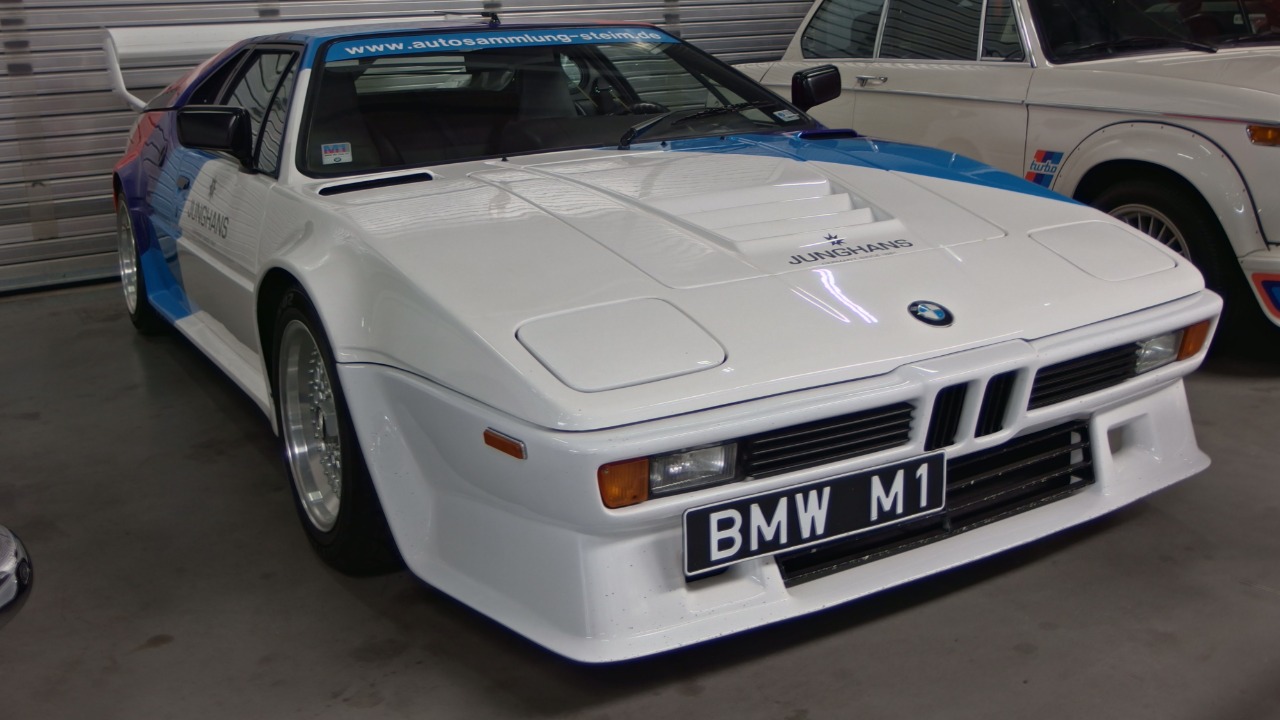
The BMW M1’s racing legacy is highlighted by the Procar championship, which took place as a support series for Formula 1 races from 1979 to 1980. This series featured renowned drivers like Niki Lauda and Nelson Piquet, showcasing the M1’s handling prowess despite some reliability issues. The Procar series not only elevated the M1’s status in the racing world but also helped cement its place in automotive history [source].
Beyond racing, the M1 influenced BMW’s M badge and inspired non-racing variants like the 1981 M1 E26 turbo concept. Although recent rumors of a modern M supercar revival have been debunked, the M1’s impact on BMW’s performance lineage remains significant [source]. The M1 also made appearances in popular media, such as the 1999 film “The Thomas Crown Affair,” which helped boost its pop culture status as a symbol of 1980s excess [source].
Current Market Value and Collectibility
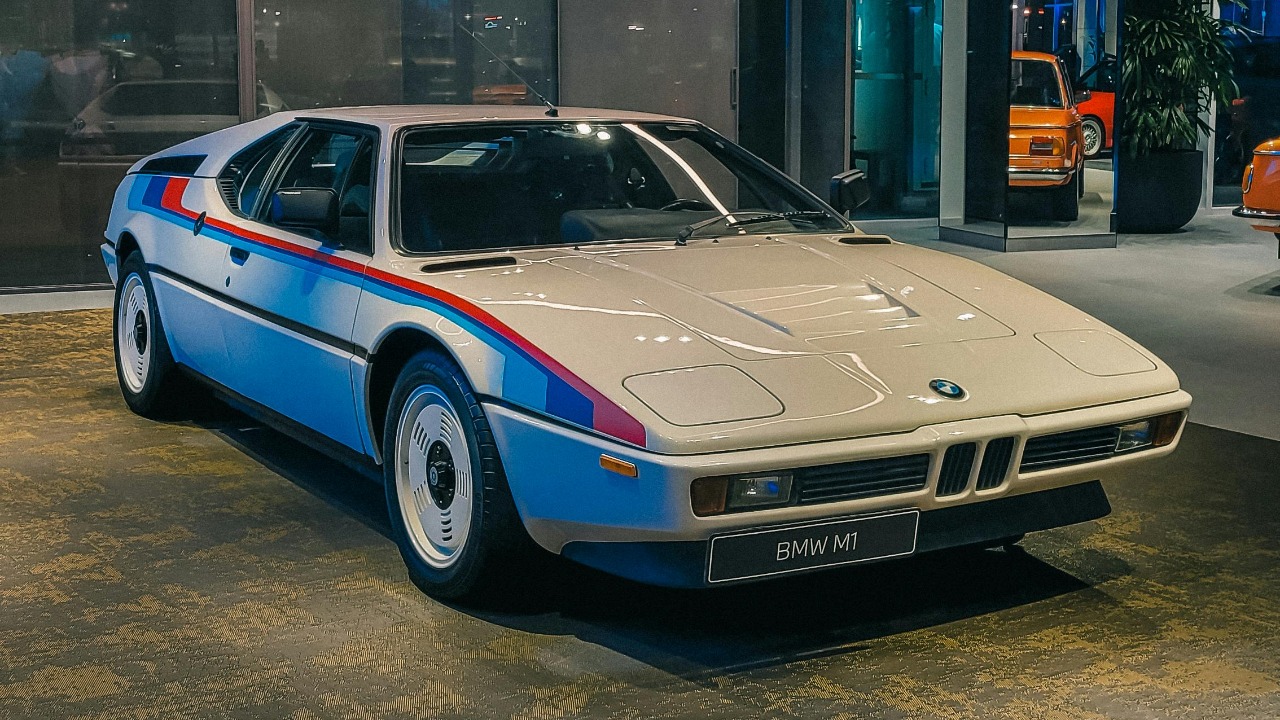
The BMW M1’s current market value reflects its rarity and desirability among collectors. A notable auction result in 2023 saw a low-mileage 1979 M1 sell for $2.55 million at RM Sotheby’s, highlighting the rising demand for original examples [source]. Factors driving these values include the limited number of surviving units, with fewer than 400 believed to exist today, and the condition premiums for matching-numbers cars.
As BMW transitions away from pure internal-combustion driver’s cars, the M1’s investment potential remains strong. Entry-level restored M1s start at around $800,000, while race-prepped versions can exceed $3 million. This trend is juxtaposed with BMW’s exploration of electric performance models, such as the 2025 Neue Klasse coupe, which may redefine the brand’s supercar future [source]. The M1’s enduring appeal and historical significance ensure its place as a cornerstone of BMW’s legacy in the automotive world.