Aircraft carriers are pivotal in modern naval warfare, relying on sophisticated catapult systems to launch fighter jets swiftly and efficiently. China’s Fujian aircraft carrier has recently tested its catapult launch system, marking a significant advancement in its naval capabilities. Meanwhile, the US Navy continues to refine its Electromagnetic Aircraft Launch System (EMALS), demonstrating its capabilities in various tests.
Catapult Launch Systems Explained
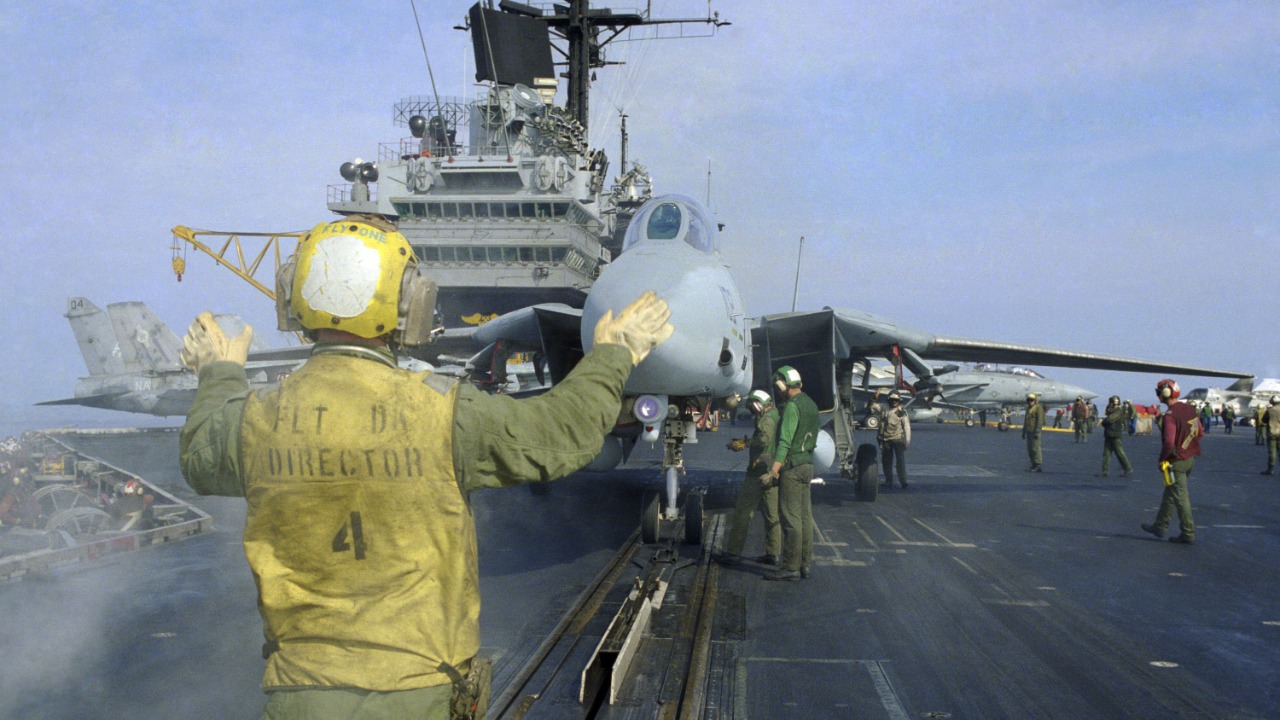
Catapult launch systems are essential for accelerating aircraft to takeoff speed on the limited deck space of an aircraft carrier. Traditional steam catapults use steam pressure to propel aircraft, while the newer electromagnetic systems, like EMALS, employ magnetic fields for the same purpose. These systems are crucial for enabling high sortie rates, allowing carriers to launch multiple aircraft in quick succession.
The efficiency of these systems depends on several factors, including the weight of the aircraft, available deck space, and the coordination of the crew. Heavier aircraft require more energy to launch, which can affect the overall launch rate. Additionally, the layout of the carrier deck and the skill of the crew in managing aircraft movements are critical in maximizing launch efficiency. For more details on these factors, see the Yahoo News article.
US Navy’s EMALS Technology
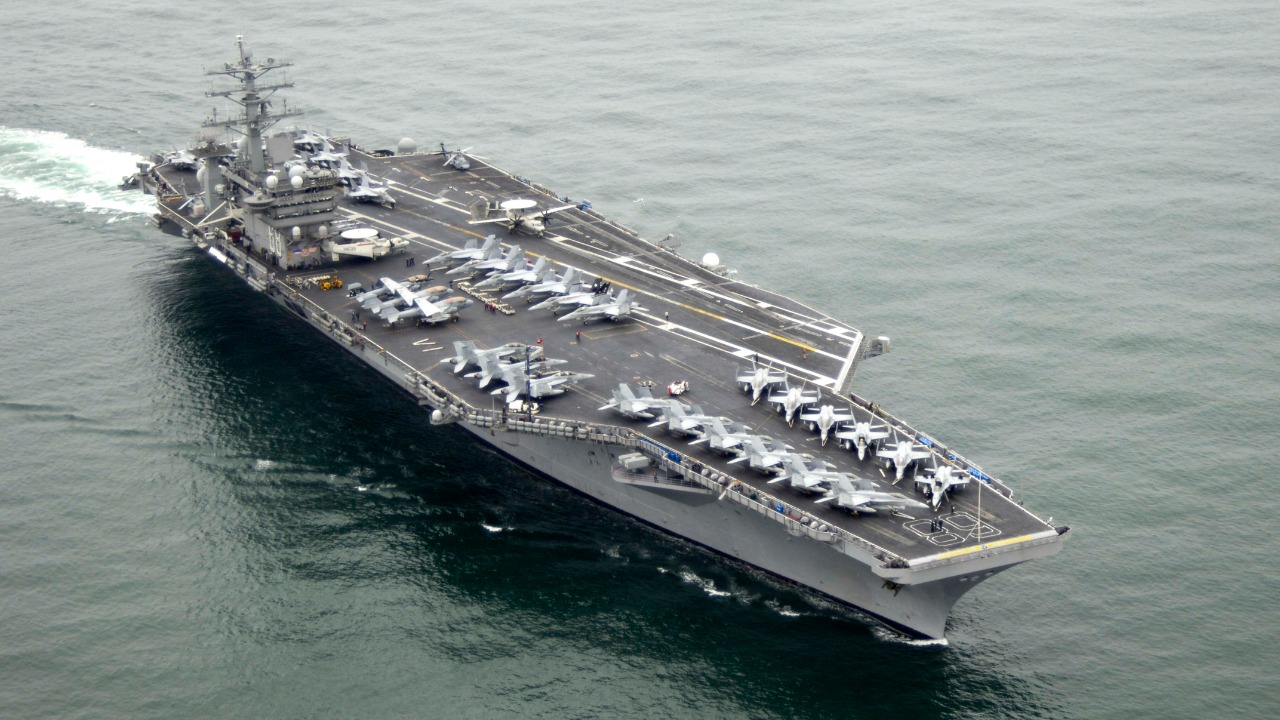
The US Navy’s Electromagnetic Aircraft Launch System (EMALS) represents a significant technological leap over traditional steam catapults. EMALS offers greater precision and reduced wear on aircraft, which is crucial for maintaining operational readiness. The system has undergone extensive testing, including simulated launches and integration with the Gerald R. Ford class carriers, as detailed in We Are The Mighty.
EMALS supports sustained launch cycles for various aircraft, including the F/A-18 Super Hornets. This capability ensures that the US Navy can maintain a high tempo of operations, launching aircraft quickly and efficiently. The precision of EMALS also reduces the risk of damage to aircraft, extending their operational lifespan and enhancing the overall effectiveness of carrier strike groups.
EMALS is designed to be more energy-efficient and flexible compared to steam catapults, allowing for a broader range of aircraft to be launched, including lighter unmanned aerial vehicles (UAVs) and heavier manned aircraft. This adaptability is crucial as the US Navy integrates more diverse aircraft into its fleet, ensuring that carriers can support a wide array of missions. The system’s modular design also facilitates easier maintenance and upgrades, which can be performed without significant downtime, thereby enhancing the operational availability of the carriers.
Moreover, EMALS has been engineered to reduce the physical stress on both the aircraft and the carrier deck. This reduction in stress not only extends the lifespan of the aircraft but also minimizes the wear and tear on the carrier itself, leading to lower long-term maintenance costs. The system’s ability to precisely control the launch speed and force applied to each aircraft ensures that even the most delicate equipment can be safely deployed, which is a significant advantage in modern naval operations where versatility and rapid response are paramount.
China’s Fujian Carrier Advancements
The Fujian aircraft carrier is a milestone for China’s naval capabilities, being the first to feature an electromagnetic catapult system. This marks a departure from the ski-jump designs used on earlier carriers like the Liaoning and Shandong. The successful test of the Fujian’s catapult launch system, announced by China, signifies a major step forward in its ability to project power at sea. More information can be found in the South China Morning Post.
The Fujian’s advancements suggest it could launch aircraft such as the J-15 and future stealth fighters at rates comparable to US carriers. This capability enhances China’s strategic options and underscores its growing naval prowess. The integration of electromagnetic catapults is a clear indication of China’s commitment to modernizing its naval forces and expanding its operational reach.
Factors Affecting Launch Rates
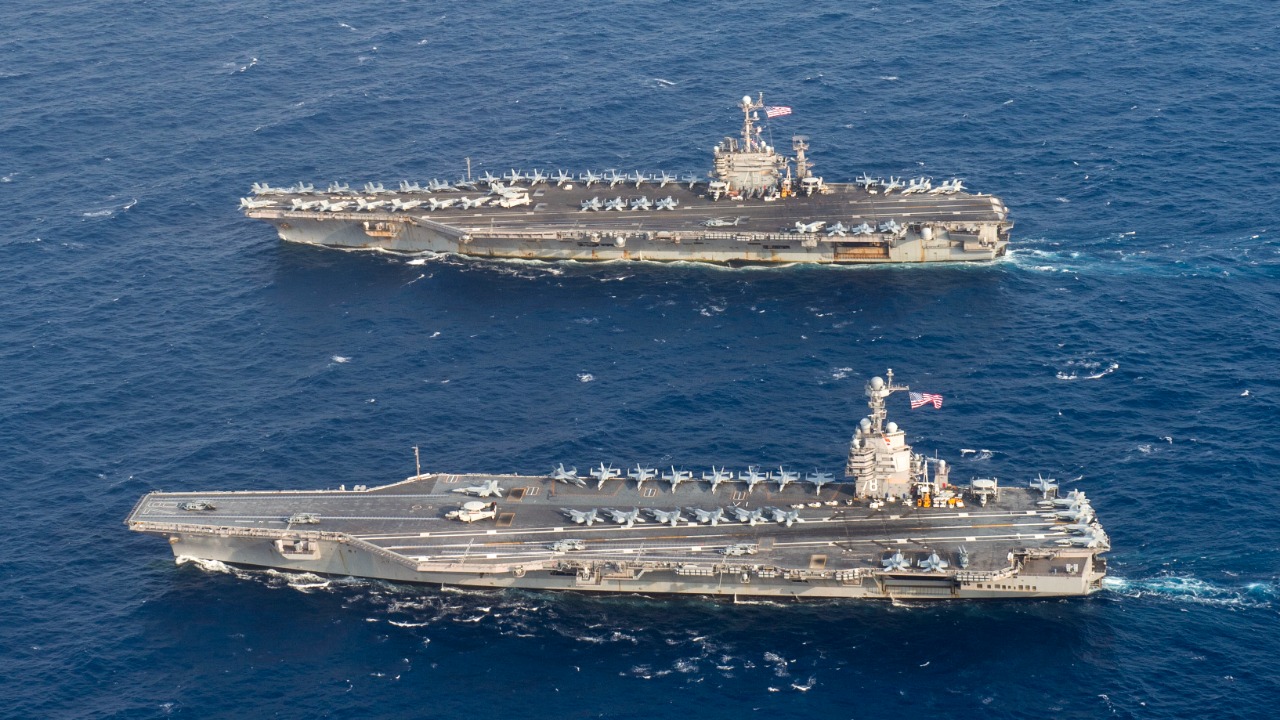
The number of planes an aircraft carrier can launch per minute is influenced by several operational factors. Deck cycles, which include taxiing, hook-up, and recovery operations, play a crucial role in determining launch rates. Under ideal conditions, a Nimitz-class or Ford-class carrier can theoretically launch 4-6 aircraft per minute. However, real-world constraints such as weather and maintenance can significantly impact these numbers.
Ongoing evaluations of carrier capabilities continue to assess these launch capacities. As of October 5, 2025, these assessments are crucial for understanding the operational limits and potential of modern carriers. The ability to launch aircraft rapidly is a key factor in maintaining air superiority and ensuring the effectiveness of carrier strike groups in various operational scenarios.
Another critical factor influencing launch rates is the technological sophistication of the launch system itself. Advanced systems like EMALS offer more consistent and reliable performance, which can significantly enhance sortie rates. The integration of automated systems for aircraft handling and launch preparation can further streamline operations, reducing the time required between launches. This automation is particularly beneficial in high-stress combat scenarios where rapid deployment of aircraft is essential.
Environmental conditions, such as sea state and wind speed, also play a significant role in determining launch efficiency. Carriers must often adjust their heading and speed to optimize launch conditions, which can affect overall sortie rates. Additionally, the experience and training of the crew are vital in maximizing the efficiency of launch operations. Well-trained personnel can quickly adapt to changing conditions and maintain high operational tempos, ensuring that the carrier can project power effectively in any situation.
Global Comparisons and Future Outlook
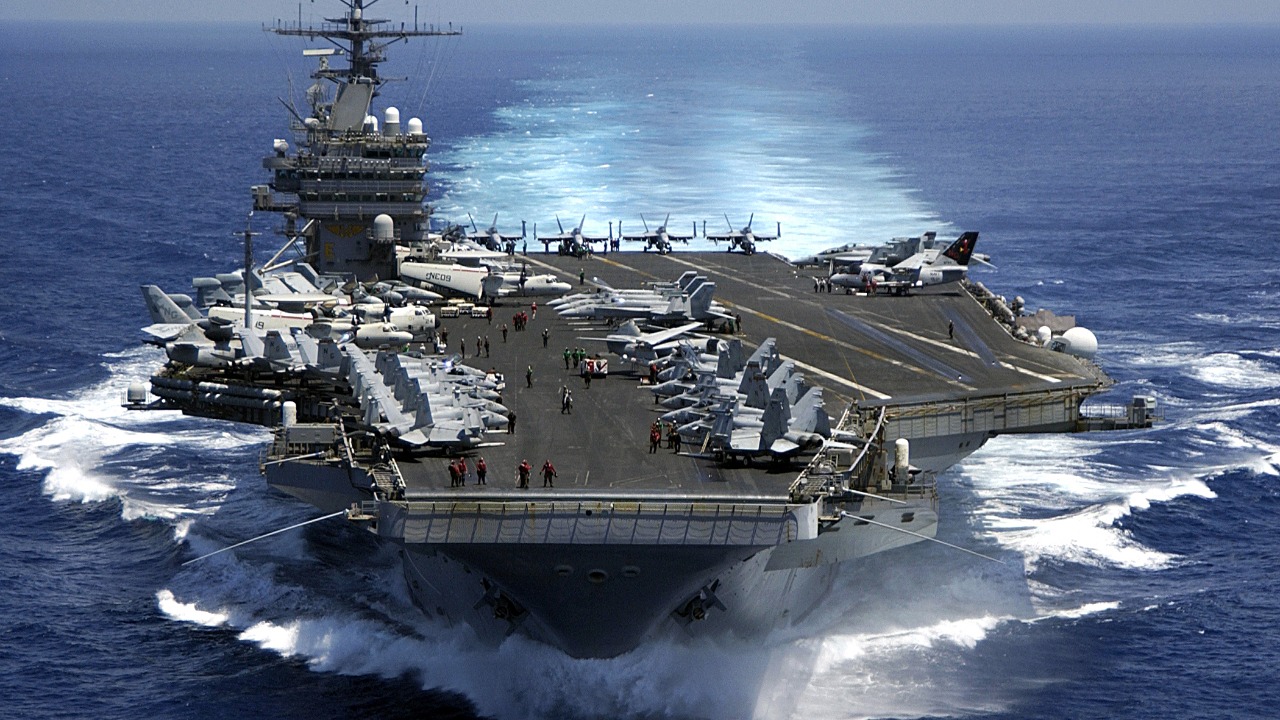
Comparing the launch systems of the US and Chinese carriers highlights the technological edge provided by EMALS. Since its testing began, EMALS has positioned the US Navy at the forefront of electromagnetic launch technology. The Fujian’s recent catapult test is a significant milestone for China, indicating its growing capabilities in naval power projection.
Looking ahead, the potential launch rates for next-generation carriers will likely be influenced by the continued refinement of these systems. Verified performances from current systems provide a baseline for future advancements. As both the US and China continue to develop their carrier technologies, the strategic landscape of naval warfare will undoubtedly evolve, driven by these technological innovations.
Globally, the development of electromagnetic launch systems is seen as a pivotal shift in naval capabilities. While the US leads with its operational EMALS, other nations are closely observing these advancements to inform their own naval strategies. The successful implementation of EMALS on the Gerald R. Ford class carriers sets a benchmark for future carrier designs worldwide, influencing how other navies approach the modernization of their fleets.
In the future, the evolution of these technologies will likely focus on further enhancing energy efficiency and reducing the environmental impact of carrier operations. As nations strive to achieve greater autonomy and sustainability in their naval forces, innovations in launch technology will play a crucial role. The ongoing competition between the US and China in this domain underscores the strategic importance of maintaining technological superiority in naval warfare, with both countries investing heavily in research and development to secure their positions on the global stage.
