
The RMS Titanic, once a symbol of human ingenuity and luxury, now rests over two miles beneath the North Atlantic Ocean. Since its discovery in 1985, the shipwreck has been a source of fascination and research, but it is rapidly deteriorating. Understanding the factors contributing to the Titanic’s decay is crucial to estimating how long it might last before disintegrating completely.
The Current State of the Titanic Wreck
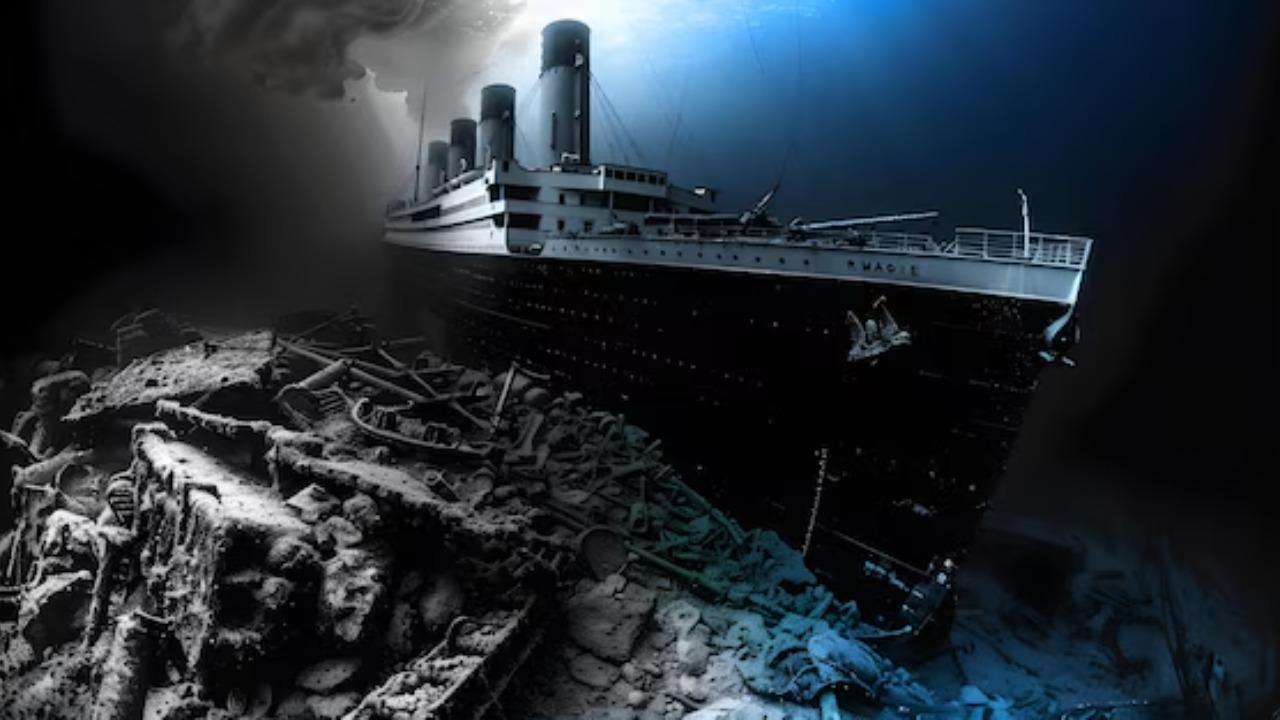
Recent explorations and photographs reveal the Titanic’s current condition, showing a vessel that is slowly succumbing to the forces of nature. Key areas, such as the bow and the iconic grand staircase, are notably deteriorating. The bow, once proud and majestic, now resembles a ghostly outline of its former self, while the grand staircase, a symbol of opulence, is barely recognizable. The ship’s metal framework is collapsing, and large sections have already disintegrated.
Technological advances have played a pivotal role in documenting the wreck’s state. High-resolution cameras, remotely operated vehicles (ROVs), and submersibles have allowed researchers to capture detailed images of the decaying structure. These technologies have provided invaluable insights into the rate and extent of deterioration. The use of 3D modeling and photogrammetry is also helping scientists and historians preserve the memory of the Titanic in a digital format, ensuring that future generations can continue to learn from this iconic shipwreck.
Factors Accelerating the Decay
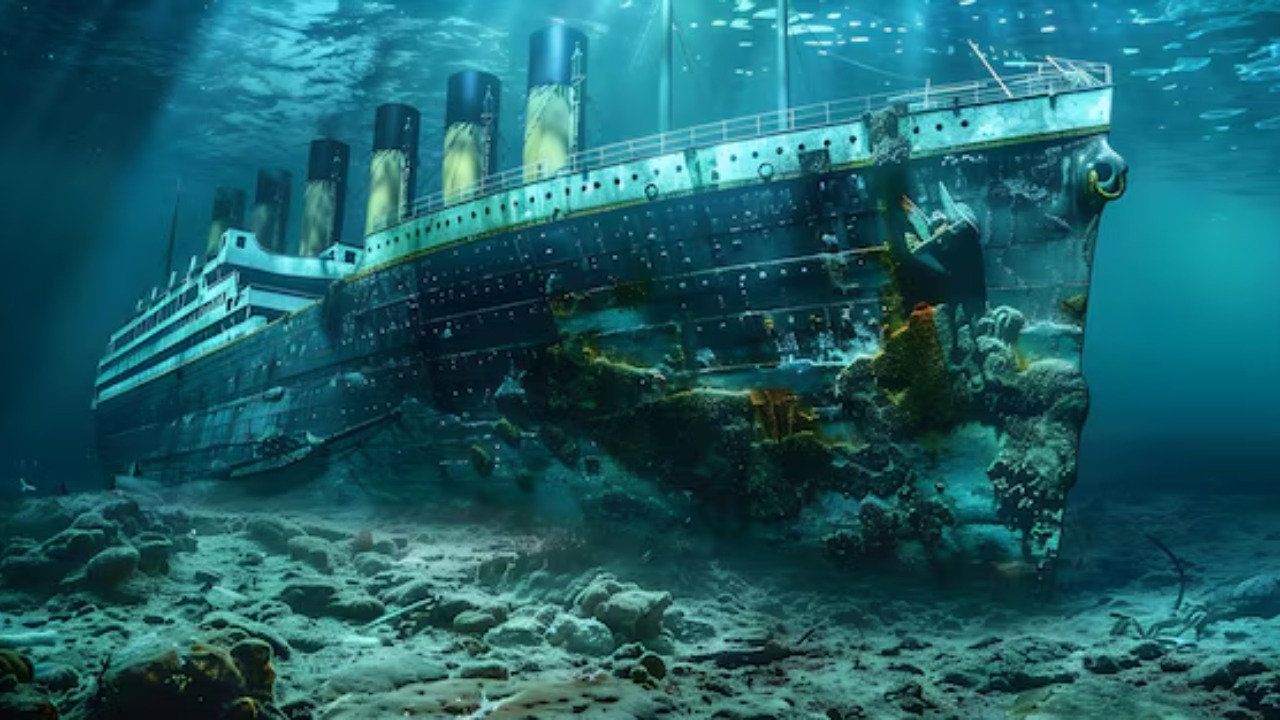
A significant factor in the Titanic’s deterioration is the presence of iron-eating bacteria, such as Halomonas titanicae. These microorganisms consume the ship’s metal, producing rusticles, which are stalactite-like formations of rust. This biological activity significantly compromises the structural integrity of the wreck. The role of these bacteria was highlighted when scientists discovered that they were responsible for consuming the Titanic’s iron at an alarming rate. For more information on these bacteria, visit The Sun.
The deep-sea currents of the Atlantic Ocean also impact the Titanic’s decay. These currents erode the ship’s structure, while environmental conditions such as temperature and pressure further contribute to its degradation. Human activities, including unauthorized visits and artifact removal, have exacerbated the wreck’s deterioration. Despite international agreements aimed at protecting the site, some individuals and organizations have disturbed the Titanic’s resting place, accelerating its decline.
Scientific Predictions on the Wreck’s Longevity
Experts have provided various estimates regarding how long the Titanic might last before it completely disintegrates. Some scientists predict that the wreck could vanish in as little as a few decades, while others suggest it may endure for a century. These predictions are based on comparisons with other historical shipwrecks and their rates of decay. For example, the wreck of the RMS Lusitania provides a reference point for understanding the potential longevity of the Titanic.
Preservation efforts and international agreements play a crucial role in extending the wreck’s lifespan. These efforts focus on limiting human interference and promoting responsible exploration. The Daily Mail reports on the shocking photos that reveal the Titanic’s collapse, further emphasizing the need for preservation. The preservation of the Titanic is not only about protecting a shipwreck but also about preserving a significant piece of history.
Cultural and Historical Significance of the Titanic Wreck
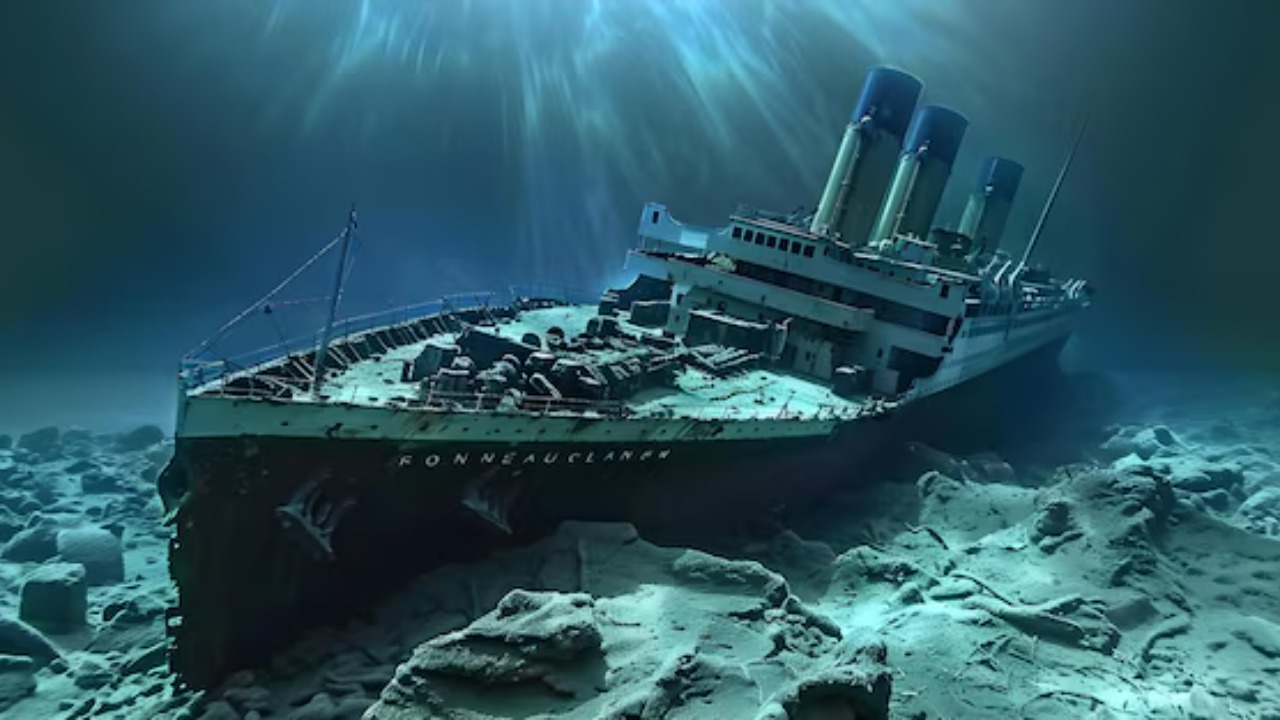
The Titanic remains an indelible part of history, capturing the imagination of people worldwide. Its story, from its construction to its tragic sinking, has been retold in books, documentaries, and films. The Titanic’s cultural significance extends beyond its physical remains, influencing maritime safety regulations and serving as a poignant reminder of human vulnerability. Ethical considerations and debates surrounding the preservation versus natural decay of the wreck highlight the complexities of maintaining such a historically significant site.
The Titanic serves as a site of memory and a focal point for discussions on maritime history. Its preservation raises questions about how we remember and honor those who perished. The wreck is a testament to the advancements and failures of early 20th-century engineering and continues to offer lessons for future generations. The Smithsonian Magazine provides insights into the latest photographs revealing the decay of the Titanic, underscoring its ongoing significance.
Future Prospects for Exploration and Study
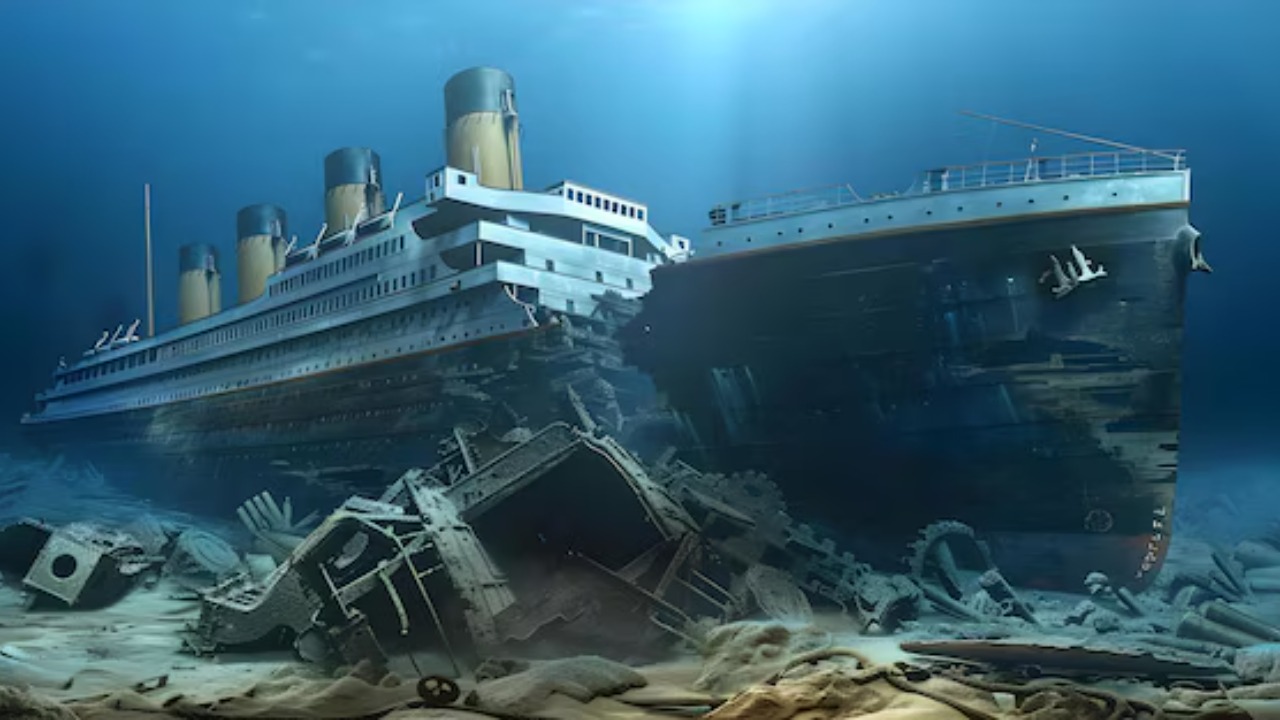
The future of Titanic exploration holds promise and challenges. Advances in technology will likely enable more detailed studies of the wreck, uncovering new insights into the ship’s final moments. These discoveries could reshape our understanding of the Titanic’s sinking and contribute to maritime history. However, balancing exploration with preservation efforts remains a critical concern. Ensuring that future expeditions do not accelerate the wreck’s decay is essential for maintaining its historical integrity.
Opportunities for studying the Titanic are vast, but they must be approached with caution and respect. International collaboration and adherence to preservation agreements will be crucial in managing future exploration endeavors. As we look to the future, the Titanic’s legacy will continue to inspire and challenge us, urging a careful balance between discovery and preservation.
