The 1700s marked a time of exploration and expansion, with ships playing a crucial role in connecting continents and facilitating trade. Voyages across the oceans were perilous and time-consuming, with journeys influenced by a variety of factors. Understanding the duration of these voyages offers insight into the challenges and achievements of maritime travel during this era.
Technological and Navigational Advances
The 18th century was a period of significant technological advancement in ship design. The introduction of ships with more streamlined hulls and improved sails allowed for faster and more efficient travel across the oceans. These advancements meant that ships could cover longer distances without the need for frequent stops, reducing the time spent at sea and the risks associated with extended voyages.
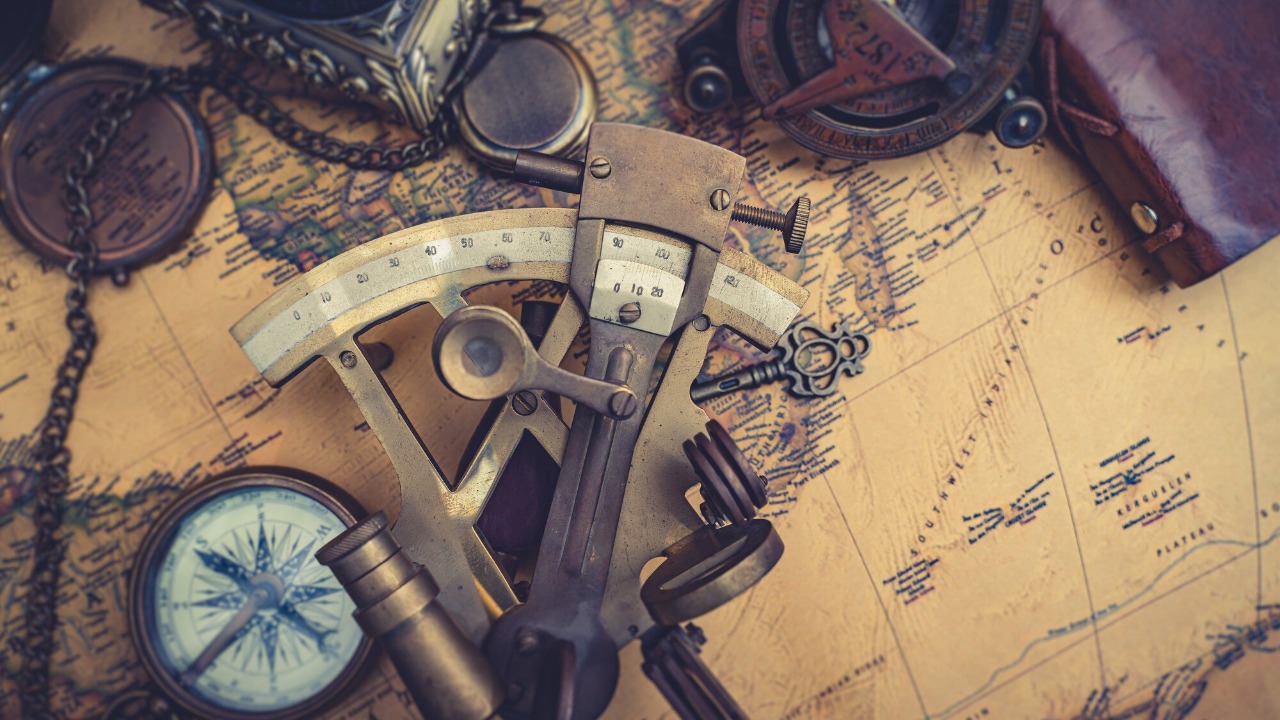
Navigational tools also saw considerable improvements during this time. The development of more precise instruments, such as the marine chronometer and sextant, allowed sailors to determine their position with greater accuracy. This enabled captains to plot more direct routes, avoiding potential hazards and making better use of favorable winds and currents. Additionally, understanding wind patterns and ocean currents allowed for more predictable and efficient sailing routes, contributing to the reduction of voyage times.
Common Routes and Their Challenges
Transatlantic voyages were among the most common routes during the 1700s, with ships frequently traveling between Europe and the Americas. The duration of these journeys could vary greatly, typically taking between six weeks to three months, depending on conditions. For instance, the Gulf Stream played a crucial role in shortening the return trip from America to Europe by providing a natural current that boosted speed.
Despite technological advances, ocean crossings were fraught with challenges. Ships faced unpredictable weather, including violent storms that could delay progress or cause significant damage. Additionally, piracy posed a constant threat to maritime trade, with many ships being boarded and plundered. Some voyages became historical case studies, highlighting the specific challenges of ocean travel in the 18th century.
Factors Affecting Voyage Duration
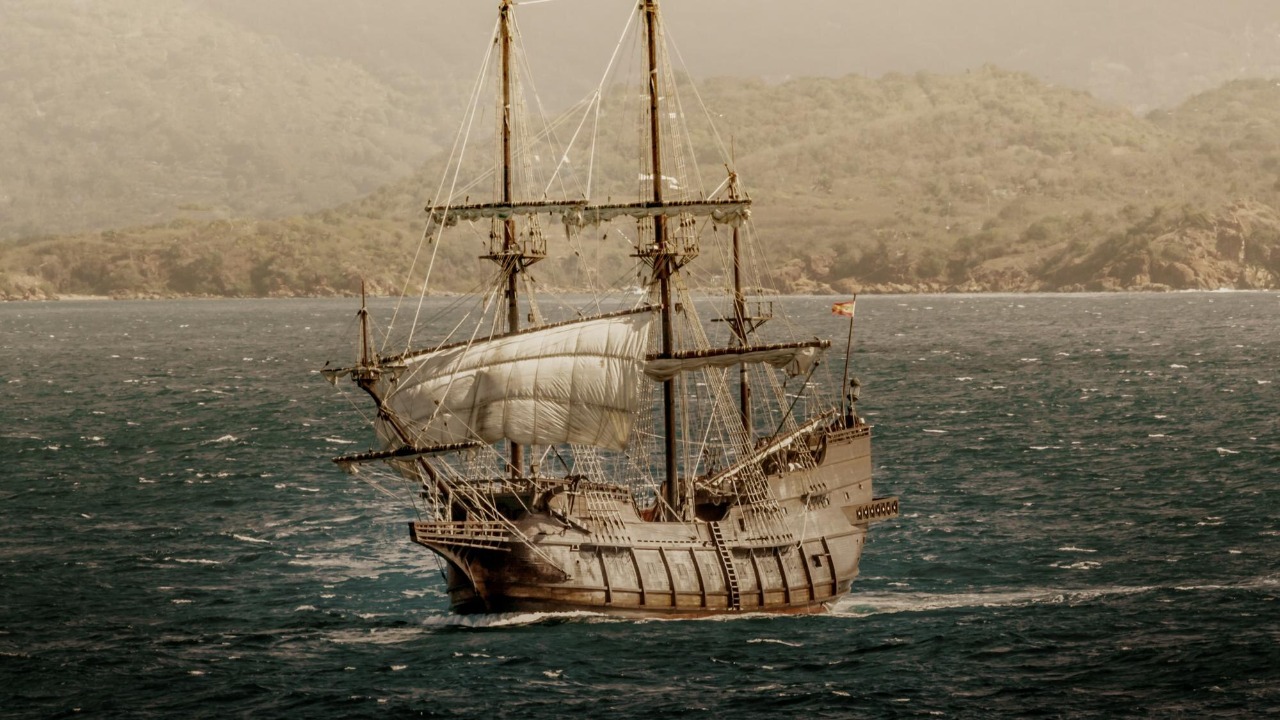
Several factors influenced how long a sea journey would take in the 1700s. The size of the ship and the weight of its cargo were significant determinants of speed and efficiency. Larger ships with heavier loads typically traveled more slowly, as they required more time to gain momentum and were less responsive to wind and currents.
The experience and skill level of the crew also played a crucial role in determining journey times. Skilled navigators and seasoned sailors could optimize routes and make better use of prevailing winds, thus reducing travel time. Political and economic factors further influenced maritime travel routes, with certain areas becoming more popular due to trade demands or geopolitical considerations.
Notable Expeditions and Their Historical Impact
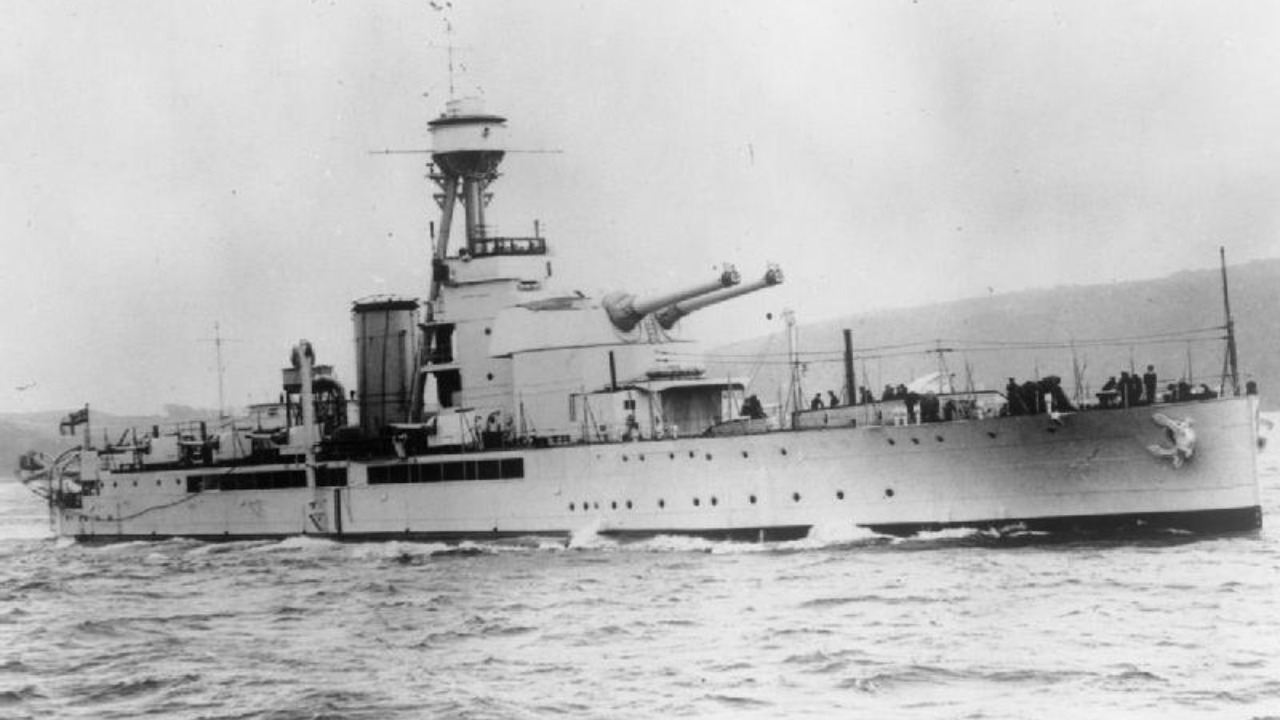
One of the most famous voyages of the 18th century was the ill-fated journey of the HMS Terror, which played a significant role in naval history. The expedition was part of a broader exploration effort to discover the Northwest Passage, a route that promised to revolutionize trade between Europe and Asia. Although it ended in tragedy, the voyage highlighted the dangers and challenges of exploring uncharted waters.
Maritime exploration during this period was instrumental in expanding European empires, as it allowed for the discovery and colonization of new territories. These expeditions not only altered global trade networks but also had profound effects on indigenous populations, often leading to cultural upheaval and displacement.
Legacy of 18th-Century Ocean Travel
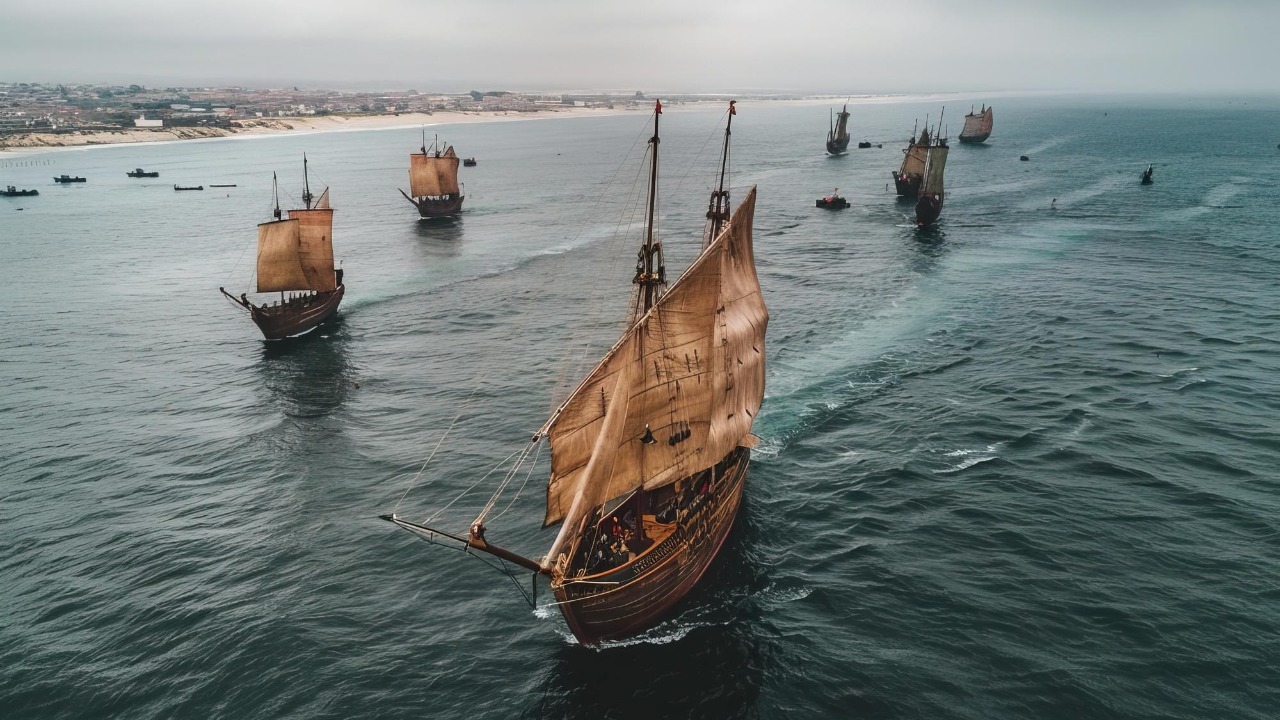
The maritime practices of the 18th century laid a strong foundation for future advancements in ocean travel. The innovations in ship design and navigation during this period paved the way for more efficient and safer sea voyages in the centuries to follow. Additionally, the extensive maritime networks established during this time facilitated cultural and economic exchanges that shaped the modern world.
Reflecting on the lessons learned from historical ocean crossings, one can appreciate the importance of adaptability and resilience in overcoming the challenges of sea travel. These voyages not only expanded the horizons of the known world but also underscored the interconnectedness of different cultures and economies, a legacy that continues to resonate today.
