DNA can survive for extraordinary lengths of time, with research suggesting it can last up to a million years or more, although environmental conditions greatly influence its preservation. This remarkable longevity allows scientists to extract and analyze DNA from ancient remains, such as the successful testing of DNA from King Richard III’s remains discovered in 2012. The ability to study ancient DNA opens new avenues for understanding the evolutionary history of species and has transformed archaeological practices, offering new insights into the diets, diseases, and migrations of ancient populations.
Factors Influencing DNA Preservation
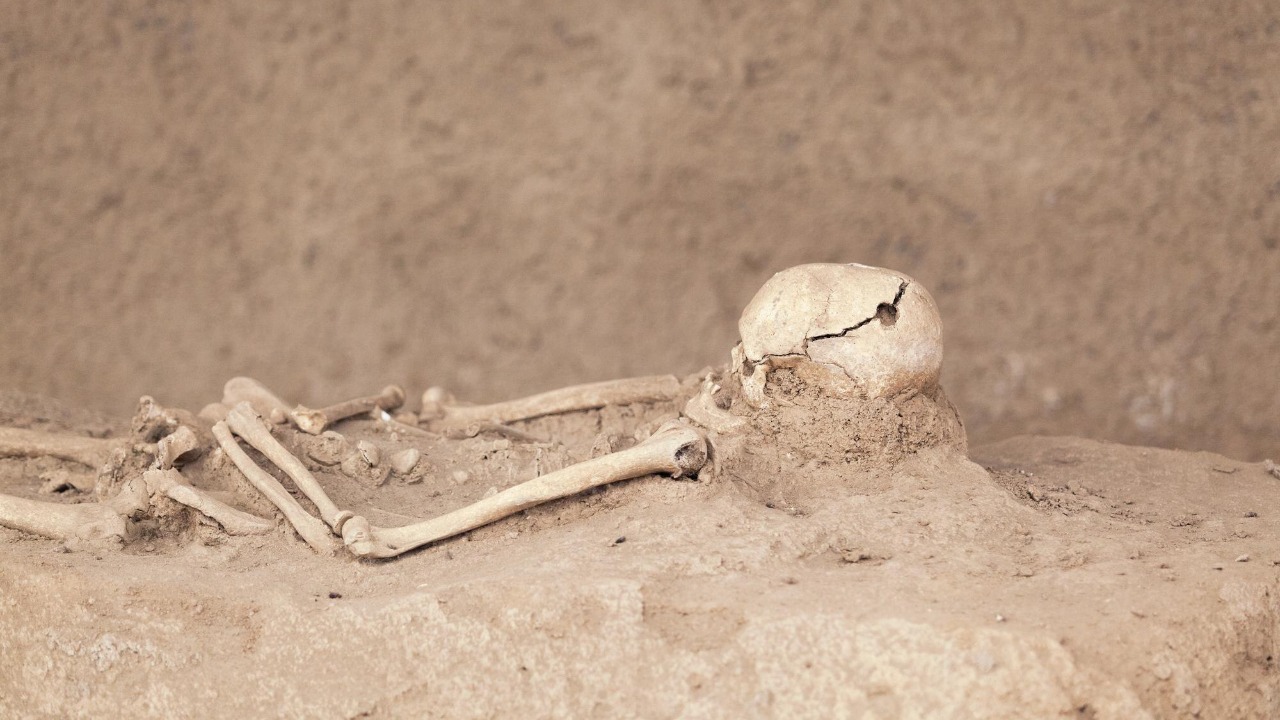
The longevity of DNA is significantly affected by environmental conditions, such as temperature and humidity. DNA tends to degrade more rapidly in warm, moist environments, whereas cooler and drier conditions can help preserve it for longer periods. For instance, DNA preserved in permafrost or dry caves can remain intact for thousands of years, providing valuable genetic information from ancient times. These environmental factors are crucial for scientists attempting to extract viable DNA from archaeological sites, as they determine the likelihood of successful DNA recovery and analysis (Live Science).
In addition to environmental conditions, the type of material in which DNA is preserved also plays a critical role in its survival. Bones and teeth are particularly good at protecting DNA over time due to their dense structure, which shields the genetic material from external elements. This protective quality makes them ideal sources for extracting ancient DNA, as demonstrated by the successful analysis of DNA from King Richard III’s remains. The discovery of his remains in a Leicester car park in 2012 highlighted the potential for DNA to last for centuries under favorable conditions (NBC News).
Moreover, the chemical composition of the surrounding environment can impact DNA preservation. For example, acidic soils can accelerate DNA degradation, while alkaline conditions may help preserve it. The presence of certain minerals can also influence DNA stability, either by promoting preservation or by contributing to its breakdown. Understanding these chemical interactions is crucial for archaeologists and paleontologists as they select sites for excavation and plan their analyses (Live Science).
Famous Cases of Long-Lasting DNA
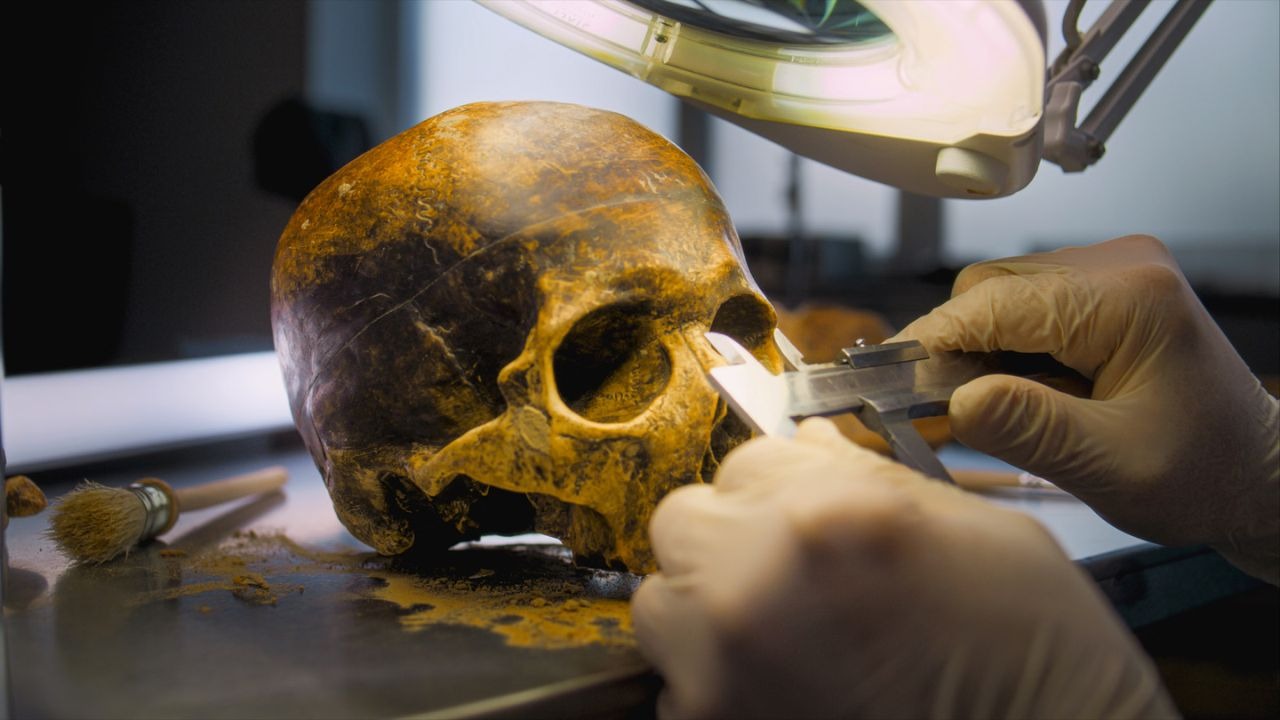
The analysis of DNA from King Richard III is a prime example of how DNA can endure through the ages. His remains, discovered in 2012, provided a unique opportunity for scientists to study the genetic material of a historical figure from the 15th century. The successful extraction and analysis of his DNA not only confirmed the identity of the remains but also demonstrated the potential for DNA to survive for over 500 years under the right conditions. This case underscores the importance of environmental factors and the type of material in which DNA is preserved (Slate).
Studies suggest that DNA can last up to a million years, providing insights into the possibility of analyzing even older specimens. This remarkable longevity has opened up new possibilities for studying the evolutionary history of species and understanding the genetic makeup of ancient populations. The ability to extract and analyze DNA from such ancient specimens allows scientists to piece together the puzzle of our past, offering a glimpse into the lives of creatures that roamed the Earth long before humans appeared (NBC News).
Another notable case is the discovery of Neanderthal DNA, which has provided profound insights into human evolution. The sequencing of Neanderthal genomes has revealed interbreeding events between Neanderthals and modern humans, contributing to our understanding of human ancestry and genetic diversity. This breakthrough was made possible by the recovery of DNA from bones that were tens of thousands of years old, demonstrating the potential for ancient DNA to reshape our knowledge of human history (Slate).
Challenges in DNA Preservation
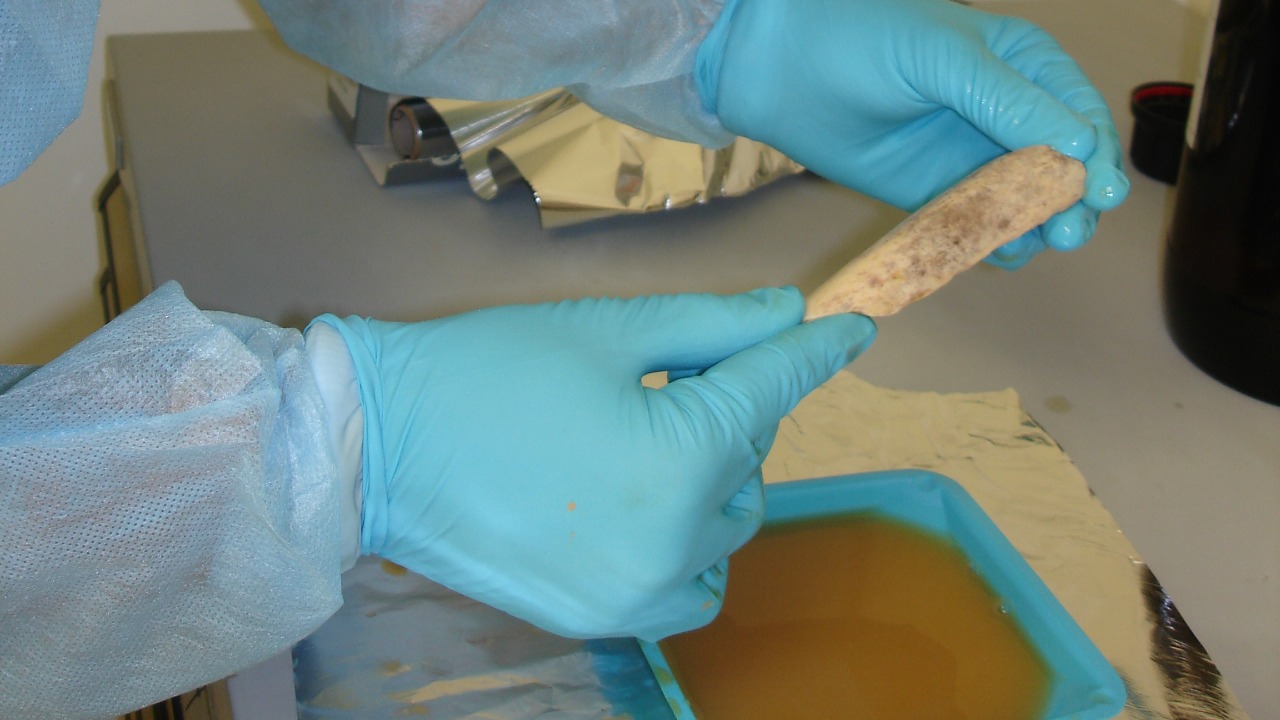
Despite the potential for DNA to last for millennia, the degradation of DNA over time poses significant challenges for scientists. As DNA breaks down, it becomes more fragmented and difficult to analyze, complicating efforts to extract meaningful genetic information from ancient specimens. This degradation is influenced by various factors, including environmental conditions and the age of the specimen, making it a complex task for researchers to obtain viable DNA samples (Live Science).
Another major challenge in DNA preservation is the risk of contamination from modern DNA. When handling ancient samples, even the slightest contamination can compromise the integrity of the genetic material, leading to inaccurate results. To mitigate this risk, scientists must adhere to stringent laboratory procedures, including the use of clean rooms and specialized equipment, to ensure that the DNA extracted is truly ancient and not tainted by modern sources (Slate).
In addition to contamination, the presence of inhibitors in the soil or surrounding materials can further complicate DNA extraction. These inhibitors can interfere with the chemical reactions necessary for amplifying and analyzing DNA, making it difficult to obtain clear results. Researchers must often employ specialized techniques to remove these inhibitors, adding another layer of complexity to the study of ancient DNA. This challenge underscores the importance of developing advanced methodologies to enhance the reliability of DNA analysis from ancient samples (Live Science).
Implications for Archaeology and Paleontology
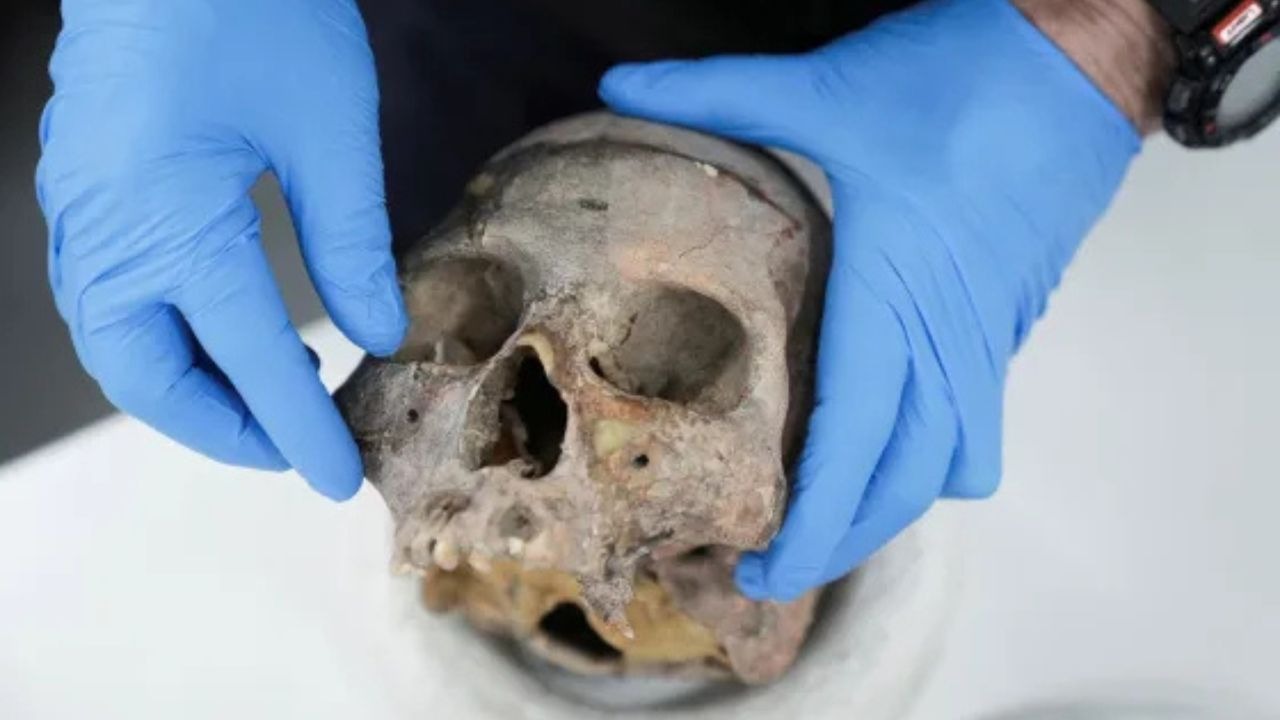
The ability to study ancient DNA has revolutionized the fields of archaeology and paleontology, providing new insights into the evolutionary history of species. By analyzing the genetic material of ancient specimens, scientists can trace the lineage of species, uncovering information about their origins, adaptations, and migrations. This genetic data complements traditional archaeological methods, offering a more comprehensive understanding of the past (Live Science).
DNA analysis has also transformed archaeological practices by offering new perspectives on the diets, diseases, and migrations of ancient populations. By examining the genetic material of ancient humans and their contemporaries, researchers can reconstruct the lifestyles and health conditions of past societies. This information not only enriches our understanding of human history but also provides valuable insights into the factors that have shaped our evolution and development over time (NBC News).
Furthermore, the integration of DNA analysis with other scientific techniques, such as radiocarbon dating and isotopic analysis, allows for a more nuanced reconstruction of past environments and ecosystems. By combining genetic data with these methods, scientists can better understand how ancient populations interacted with their surroundings, adapted to changing climates, and responded to environmental pressures. This interdisciplinary approach enriches our comprehension of the complex dynamics that have shaped life on Earth over millennia (NBC News).
