India is making significant strides in the realm of space exploration, positioning itself as a formidable force in the global space race. With a blend of innovative technology, strategic partnerships, and cost-effective missions, India is poised to take on a leadership role in space exploration. The key factors contributing to India’s ascent in the space sector include historical achievements, technological innovations, and strategic collaborations.
India’s Space Ambitions: A Historical Overview
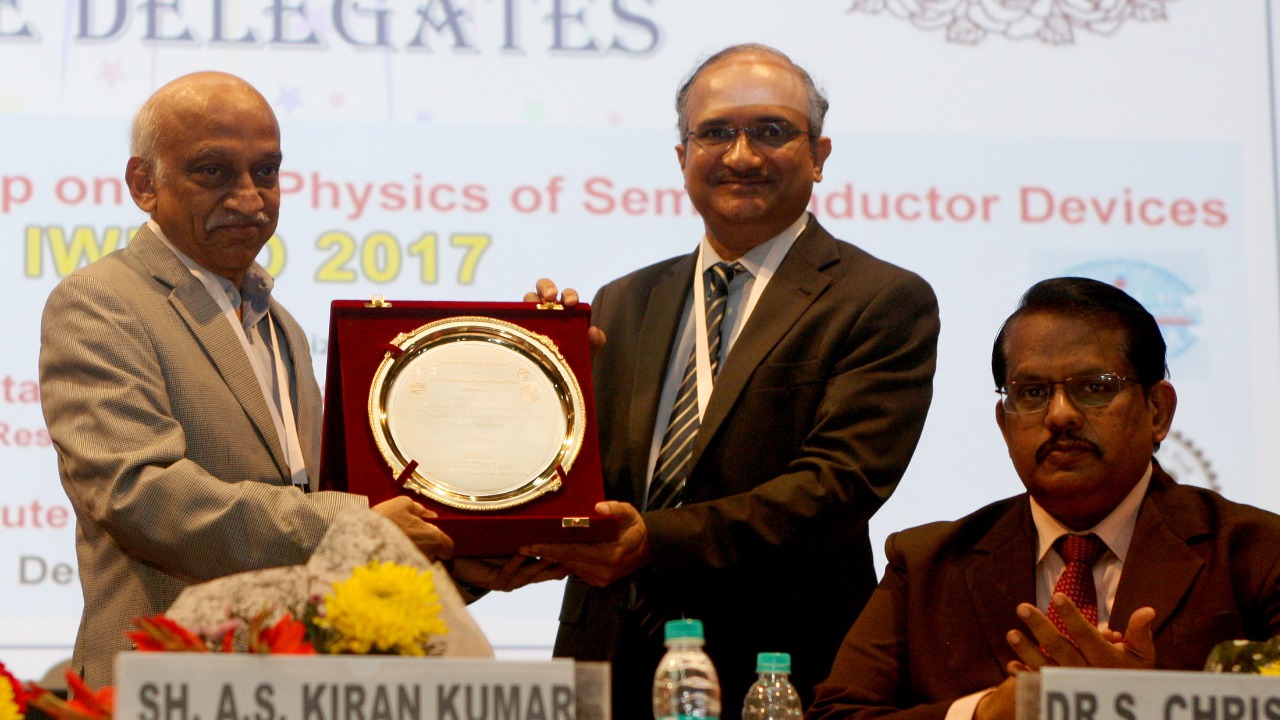
The Indian Space Research Organisation (ISRO) was founded in 1969, marking the beginning of India’s journey into space. The early days were characterized by modest resources and ambitious goals, as the organization embarked on missions to demonstrate its capabilities. One of the first significant achievements was the launch of Aryabhata, India’s first satellite, in 1975. This milestone laid the foundation for future successes and set the stage for India to become a notable player in space exploration.
Among the key milestones in India’s space exploration are the Chandrayaan and Mangalyaan missions. Chandrayaan-1, launched in 2008, was India’s first mission to the Moon and played a crucial role in the discovery of water molecules on the lunar surface. The Mars Orbiter Mission, known as Mangalyaan, was launched in 2013 and made India the first Asian nation to reach Martian orbit. These missions have significantly enhanced India’s global standing and demonstrated its growing capabilities.
The vision of key figures such as Dr. Vikram Sarabhai and Dr. APJ Abdul Kalam has been instrumental in shaping India’s space ambitions. Dr. Sarabhai, often regarded as the father of the Indian space program, emphasized the importance of harnessing space technology for national development. Dr. Kalam, a former President of India and an aerospace scientist, played a pivotal role in advancing the nation’s missile and space programs, leaving a lasting legacy for future generations.
Technological Innovations and Cost-Effectiveness
India’s approach to space exploration is characterized by its emphasis on cost-effectiveness. By developing innovative solutions, ISRO has been able to conduct successful missions at a fraction of the cost incurred by other space-faring nations. For instance, the Mangalyaan mission cost approximately $74 million, making it one of the most affordable Mars missions ever undertaken.
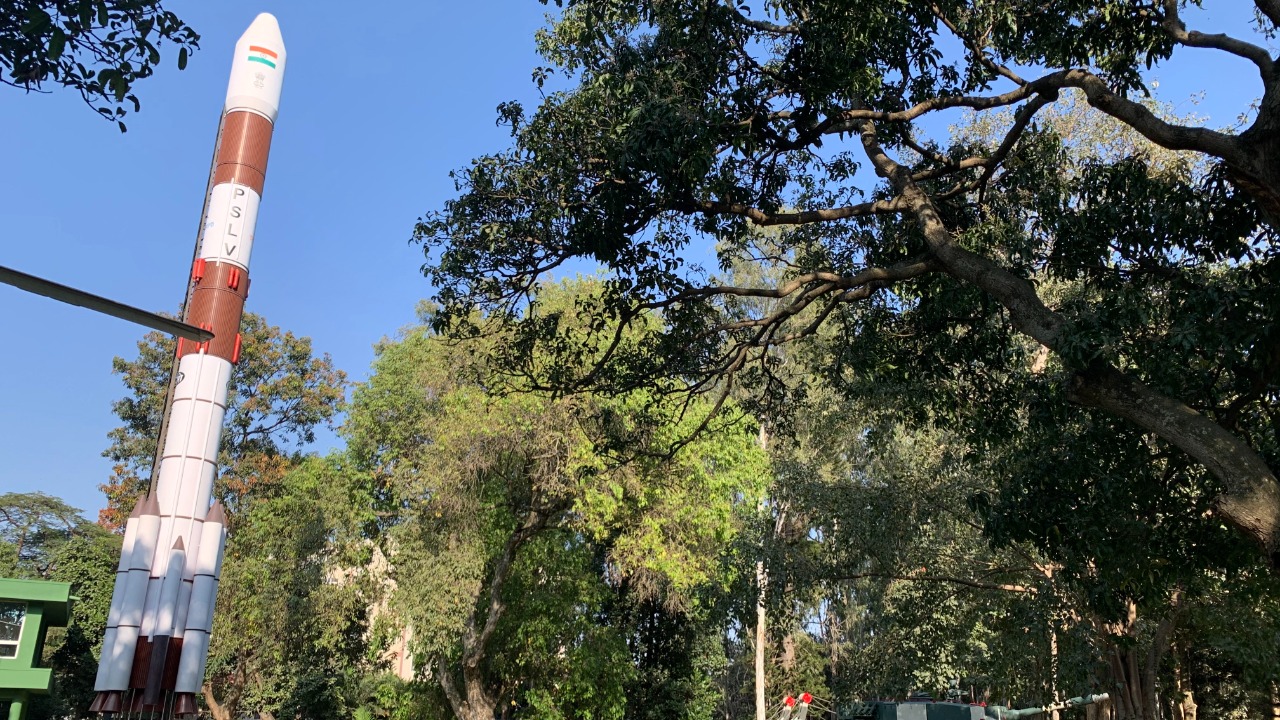
The development of indigenous technologies has been a cornerstone of India’s space program. The Polar Satellite Launch Vehicle (PSLV) and the Geosynchronous Satellite Launch Vehicle (GSLV) are prime examples of India’s capability to design and deploy reliable launch systems. These vehicles have been used to launch a variety of payloads, including satellites for communication, weather observation, and scientific research.
The role of the private sector and startups in India’s space ecosystem is growing rapidly. Companies like Skyroot Aerospace and Agnikul Cosmos are contributing to innovation by developing new technologies and offering launch services. This increased involvement of private players is expected to accelerate India’s progress in space exploration and create new opportunities for collaboration and growth.
Strategic Partnerships and International Collaborations

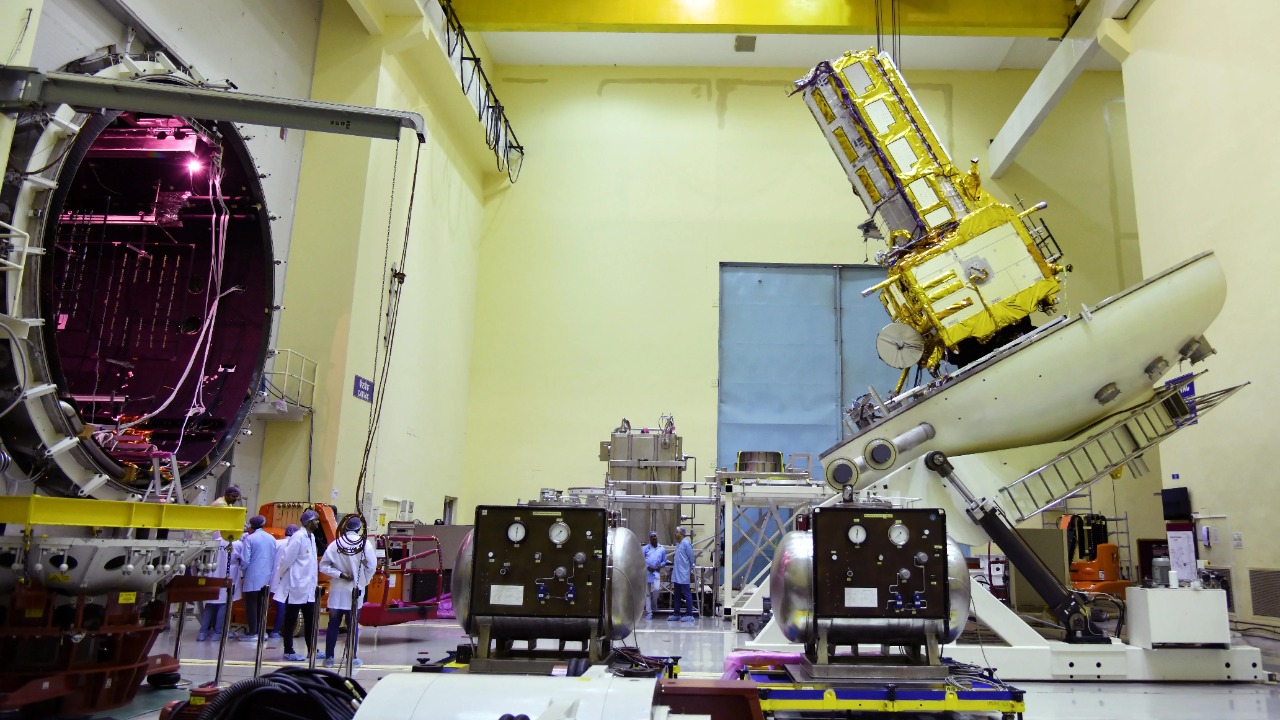
India’s collaborations with global space agencies have been a key factor in its success in the space sector. Partnerships with organizations such as NASA and the European Space Agency (ESA) have facilitated joint missions and technology exchange. For example, ISRO and NASA have collaborated on the NISAR (NASA-ISRO Synthetic Aperture Radar) mission, which aims to study Earth’s ecosystem and contribute to disaster management efforts.
India also plays a significant role in South-South cooperation in space, assisting other developing nations in building their space capabilities. By providing satellite launch services and sharing technology, India is helping these countries access the benefits of space technology, thereby enhancing its diplomatic influence and fostering international ties.
Expanding diplomatic influence through space diplomacy is another area where India is making strides. By leveraging its space capabilities, India is strengthening its global presence and forging strategic partnerships. These efforts are not only enhancing India’s standing on the world stage but also contributing to its economic and technological growth.
The Future of Indian Human Spaceflight
The Gaganyaan Mission is one of India’s most ambitious space endeavors, aiming to send astronauts to space. Scheduled for launch in the near future, this program is a significant step towards establishing India as a leader in human spaceflight. The mission’s objectives include demonstrating India’s capability to conduct crewed missions and advancing its scientific research in space.
Training and preparation for astronauts are critical components of the Gaganyaan Mission. ISRO has collaborated with international partners to develop comprehensive training programs for Indian astronauts. These programs focus on equipping them with the skills and knowledge required for space travel, ensuring their safety and success.
The potential impact of human spaceflight missions on Indian society is immense. Successful missions can inspire a new generation of scientists and engineers, driving interest in STEM fields. Additionally, the scientific research conducted during these missions can lead to advancements in various sectors, contributing to India’s economic and technological progress.
Challenges and Opportunities Ahead
India faces several challenges in its pursuit of space exploration, including technical and budgetary constraints. Developing advanced technologies, securing adequate funding, and building necessary infrastructure are some of the hurdles that need to be addressed. However, India’s innovative approach and strategic planning are key to overcoming these obstacles and achieving its space ambitions.
Balancing national priorities with space ambitions is an ongoing debate in India. While space exploration offers significant benefits, there are pressing domestic issues that require attention and resources. It is crucial to strike a balance between investing in space technology and addressing the needs of the population to ensure sustainable growth and development.
Leveraging space for economic growth presents numerous opportunities for India. Advances in space technology can drive progress in sectors such as telecommunications, agriculture, and disaster management. By harnessing the potential of space, India can stimulate economic growth, create jobs, and improve the quality of life for its citizens.
