The B-2 Spirit bomber stands as a testament to modern engineering prowess, renowned for its stealth capabilities and pivotal role in global military operations. A critical aspect of the B-2’s dominance is its remarkable range, allowing it to execute missions without the need for mid-air refueling. Understanding the elements that contribute to the B-2’s extensive range unveils its operational effectiveness and strategic importance.
The Design and Capabilities of the B-2 Bomber
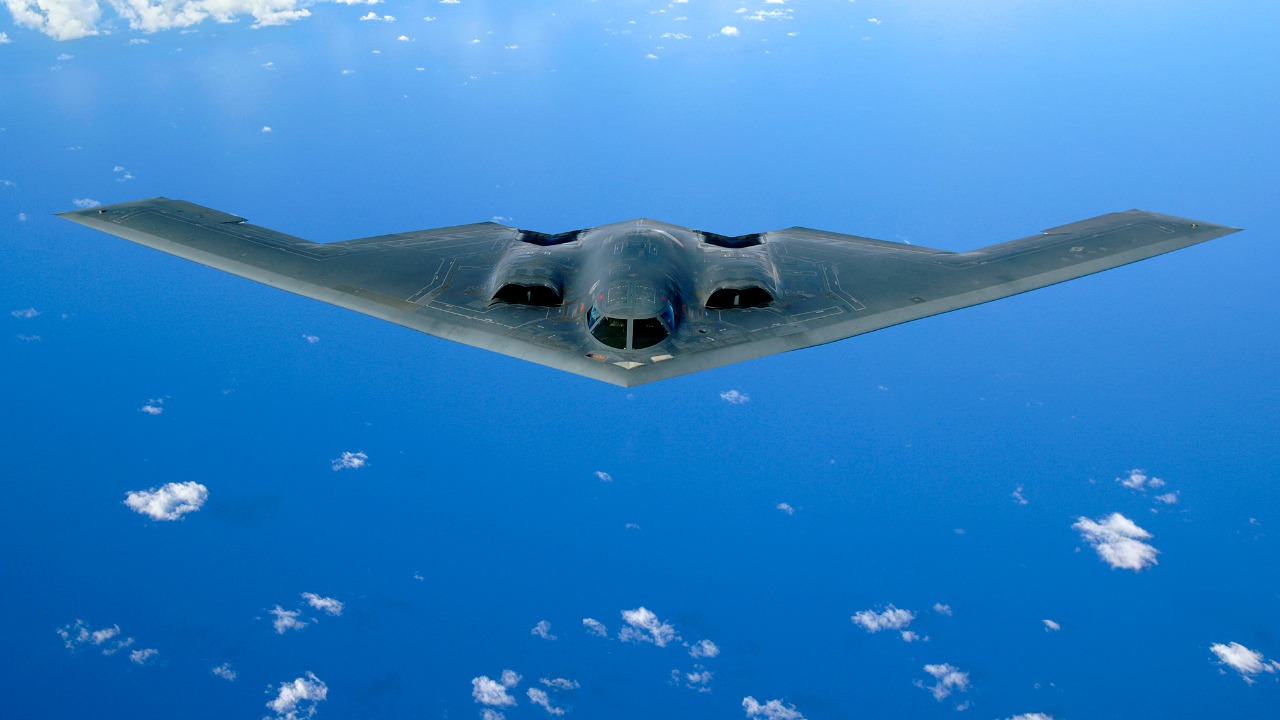
The B-2 Spirit’s design features a distinctive flying wing shape, which plays a crucial role in its stealth and efficiency. This design minimizes radar cross-section, making it difficult for enemy radar systems to detect. The aircraft is constructed from advanced composite materials that further enhance its radar evasion capabilities. These materials also contribute to the bomber’s overall lightweight structure, improving fuel efficiency and extending its range.
Advanced avionics and propulsion systems are integral to the B-2’s long operational range. The bomber is equipped with cutting-edge technology that optimizes navigation, targeting, and communication, allowing it to operate effectively in diverse conditions. The propulsion system, comprising four General Electric F118-GE-100 engines, provides the necessary thrust while maintaining fuel efficiency, a critical factor in achieving extended range missions.
The stealth features of the B-2 are further augmented by low observable technologies, allowing it to penetrate heavily defended enemy airspace undetected. This capability not only increases the aircraft’s survivability but also enhances its ability to carry out strategic missions with minimal risk.
Operational Range and Limitations
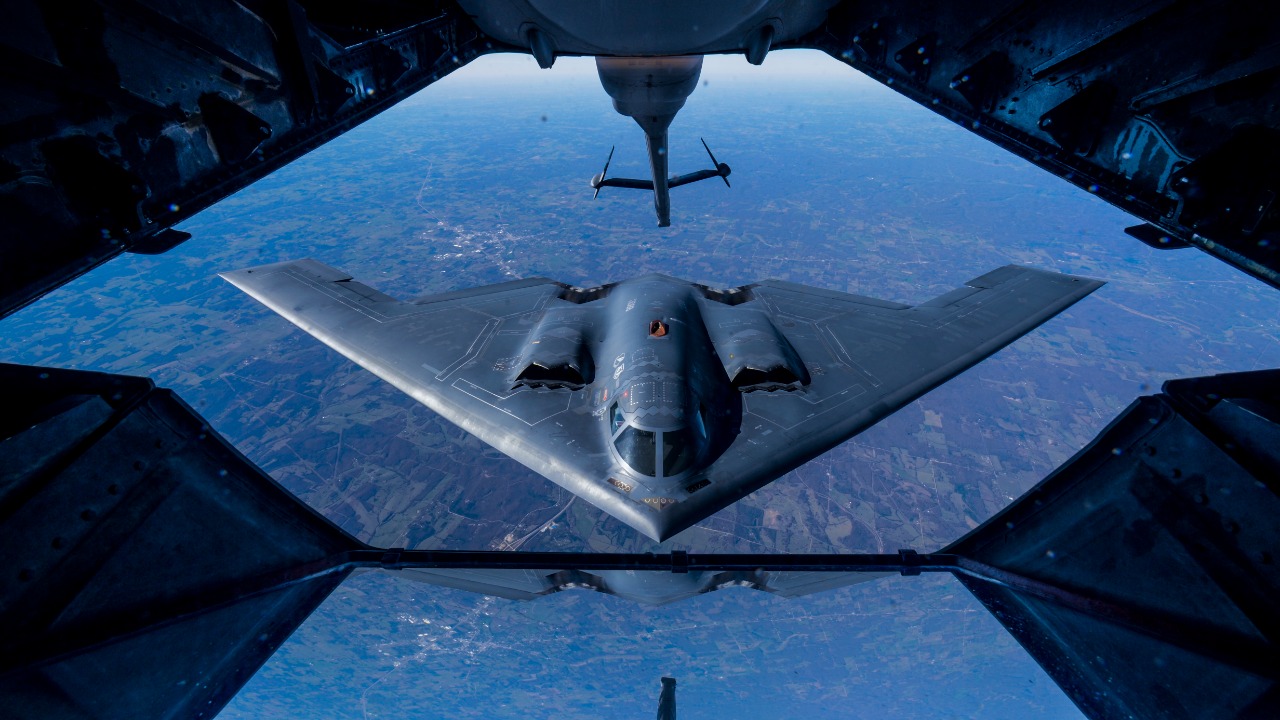
The B-2 Spirit can travel an impressive maximum range of approximately 6,000 nautical miles (11,112 kilometers) without refueling, according to SlashGear. This extensive range enables the bomber to undertake long-distance missions without the need for mid-air refueling, a significant tactical advantage in global military operations.
Several factors can affect the B-2’s operational range, including payload, weather conditions, and mission profile. A heavier payload may reduce the maximum range due to increased fuel consumption. Similarly, adverse weather conditions can impact flight efficiency, leading to reduced range. The mission profile, including altitude and speed, also plays a role in determining how far the B-2 can travel on a single tank of fuel.
When compared to other military aircraft, the B-2’s range is notably superior, highlighting its strategic value. While other bombers and fighter jets require more frequent refueling stops, the B-2’s extended range allows it to conduct missions without reliance on forward bases, offering greater flexibility and operational independence.
Strategic Importance of Long-Range Missions
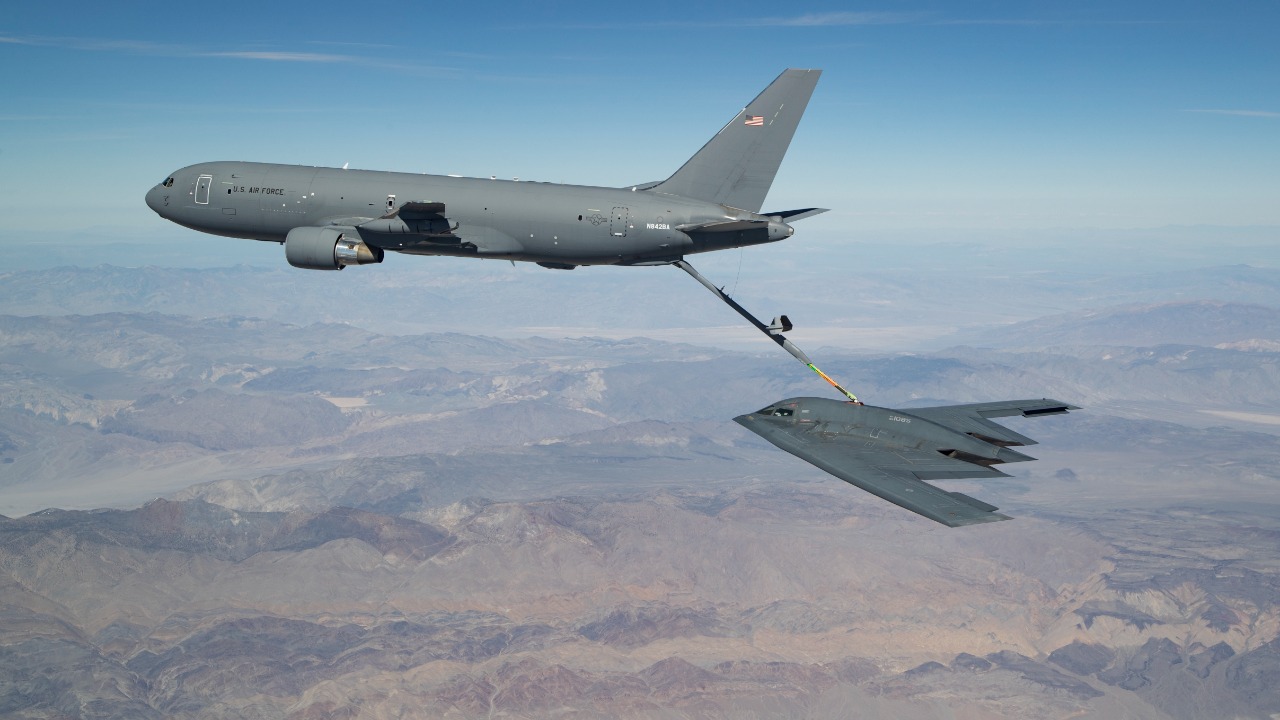
The global reach afforded by the B-2’s range is a cornerstone of U.S. military strategy, enabling power projection across the globe. This capability allows the U.S. to respond swiftly to emerging threats without the need for forward-deployed forces, reducing logistical complexities and enhancing strategic agility.
The B-2’s extended range also grants it a high degree of mission flexibility. It can undertake various mission types, including precision strikes, reconnaissance, and deterrence operations. The ability to conduct such missions from afar minimizes the risk to personnel and assets while maximizing the element of surprise.
The bomber’s capabilities significantly influence U.S. military tactics and planning. The extended range allows for strategic planning that encompasses global scenarios, ensuring the U.S. maintains a decisive edge in aerial warfare.
Historical Missions and Their Implications
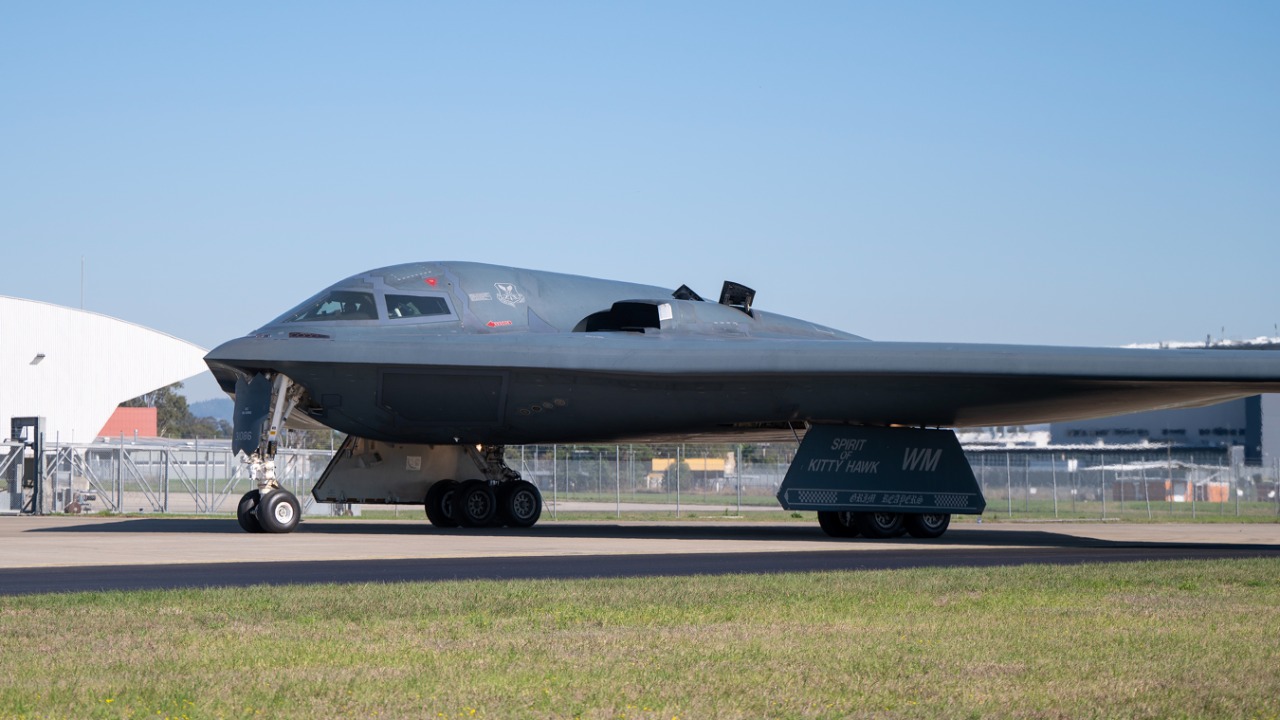
Notable deployments of the B-2 highlight its strategic impact, such as its role in strikes in the Middle East. These missions underscore the bomber’s ability to deliver precision strikes over long distances, effectively neutralizing high-value targets while minimizing collateral damage.
Lessons learned from these missions have provided valuable operational insights. The B-2’s performance in various scenarios has helped refine tactics and improve mission planning. These experiences contribute to evolving military strategies, ensuring that the U.S. remains prepared for future challenges.
Public perception and media coverage of the B-2’s missions also play a role in shaping its legacy. The bomber’s effectiveness and stealth capabilities often capture public interest, as seen in the media coverage of its missions. This coverage influences public understanding of military operations and the strategic importance of assets like the B-2.
Future Developments and Technological Advancements
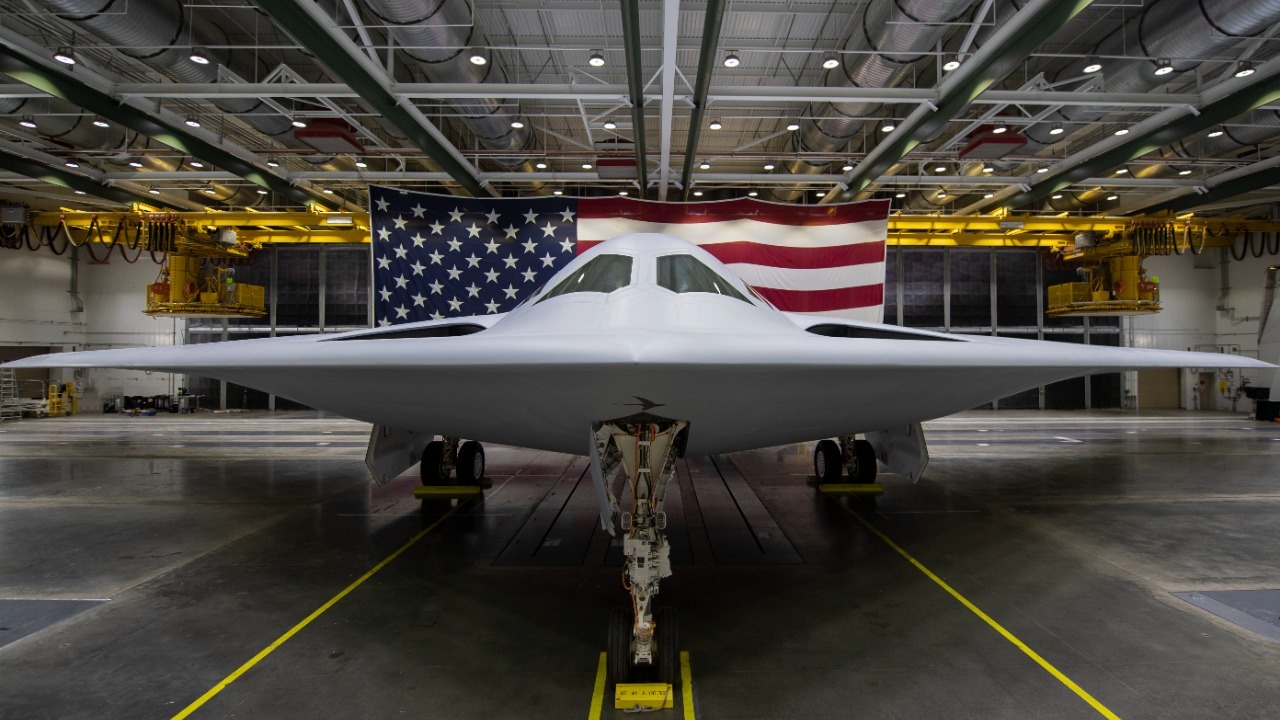
Ongoing upgrades are essential to maintaining the B-2’s operational edge. These upgrades focus on enhancing its range and capabilities through technological advancements. Initiatives include modernizing avionics, improving stealth features, and upgrading propulsion systems to further extend the aircraft’s operational reach.
Emerging technologies hold the potential to revolutionize the B-2’s capabilities. Research into next-generation materials, propulsion systems, and avionics could significantly boost the bomber’s range and efficiency, as discussed in various defense technology reports. These advancements could redefine the scope of aerial warfare, offering unprecedented capabilities for future military operations.
As the B-2 continues to evolve, its strategic outlook remains a focal point for defense policies. The bomber’s enhanced capabilities are expected to shape the future of aerial warfare, influencing both national and international defense strategies. The B-2 Spirit, with its unparalleled range and stealth, will likely continue to play a pivotal role in ensuring global security and maintaining a strategic advantage for the U.S. military.
