
The Tesla Bot, initially introduced as a futuristic concept by Elon Musk, has evolved into a pivotal component in his expansive technological vision. With advancements in AI and robotics, the Tesla Bot represents a strategic tool that complements Musk’s broader goals, including the optimization of Tesla’s Full Self-Driving (FSD) technology and the advancement of artificial intelligence capabilities.
The Evolution of the Tesla Bot
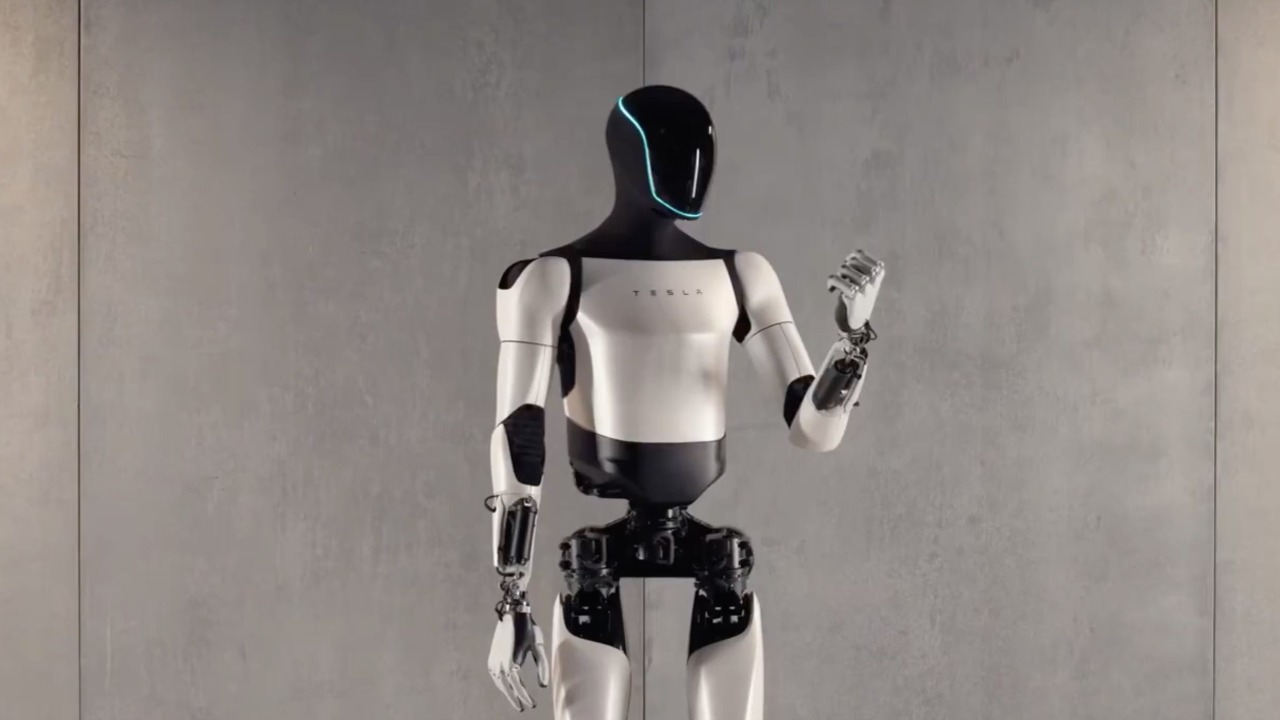
The Tesla Bot’s journey began in August 2021 when Elon Musk unveiled it during Tesla’s AI Day. The initial concept, which depicted a sleek humanoid robot, captured the public’s imagination but also sparked skepticism. Many questioned whether Musk’s ambitious vision could become a reality, with some critics dismissing it as a mere publicity stunt. Nevertheless, the idea of a robot designed to perform mundane tasks resonated with the public’s fascination with advanced technology.
Since its introduction, the Tesla Bot has seen significant development milestones. One of the key advancements has been the enhancement of its artificial intelligence capabilities, allowing it to perform tasks with increasing complexity. The bot’s hardware has also evolved, with improvements in its sensors and actuators to enable more fluid movements and interactions. This progress underscores Tesla’s commitment to making the bot a viable product that aligns with Musk’s overarching goals for AI and automation.
The integration of the Tesla Bot with Tesla’s broader mission is apparent. By leveraging the same AI architecture that powers Tesla’s vehicles, the bot is not only a standalone innovation but a complement to Musk’s vision of a fully automated world. The Tesla Bot shares technological underpinnings with the company’s Full Self-Driving (FSD) software, creating a synergy that accelerates the development of both projects. This alignment highlights the bot’s role in advancing Musk’s goal of creating a future where AI and humans coexist harmoniously.
Technological Synergy with Tesla’s AI Initiatives
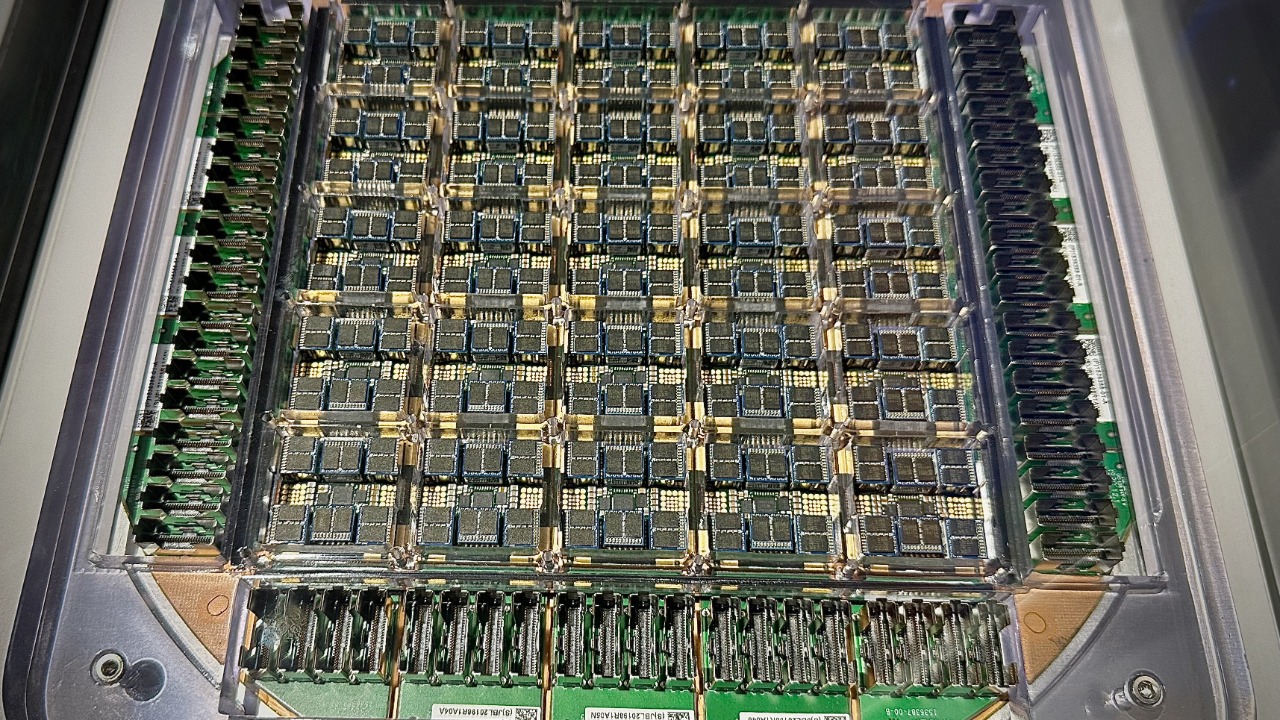
A crucial element of the Tesla Bot’s development is its integration with the Dojo supercomputer. The Dojo is a powerful AI training platform that accelerates the learning process for Tesla’s neural networks. By utilizing Dojo’s capabilities, the Tesla Bot can quickly adapt and improve its performance, making it more efficient and capable of handling complex tasks. This integration exemplifies how Tesla leverages its existing technological infrastructure to enhance the bot’s capabilities.
The Tesla Bot also plays a significant role in enhancing the Full Self-Driving project. By sharing AI advancements between the bot and Tesla’s vehicles, improvements in one area can translate to benefits in the other. For example, the bot’s ability to navigate and interact with its environment provides valuable data that can be used to refine the FSD software. This cross-pollination of technology demonstrates the strategic importance of the Tesla Bot in Tesla’s broader AI initiatives.
One strategic move has been the reassignment of Dojo engineers to focus on the Tesla Bot and AI development. This decision underscores Tesla’s commitment to prioritizing the bot’s evolution as a key component of its AI strategy. By reallocating resources, Tesla ensures that the bot receives the necessary attention and expertise to achieve its full potential, further solidifying its role in Musk’s grand vision.
Impact on Industry and Society
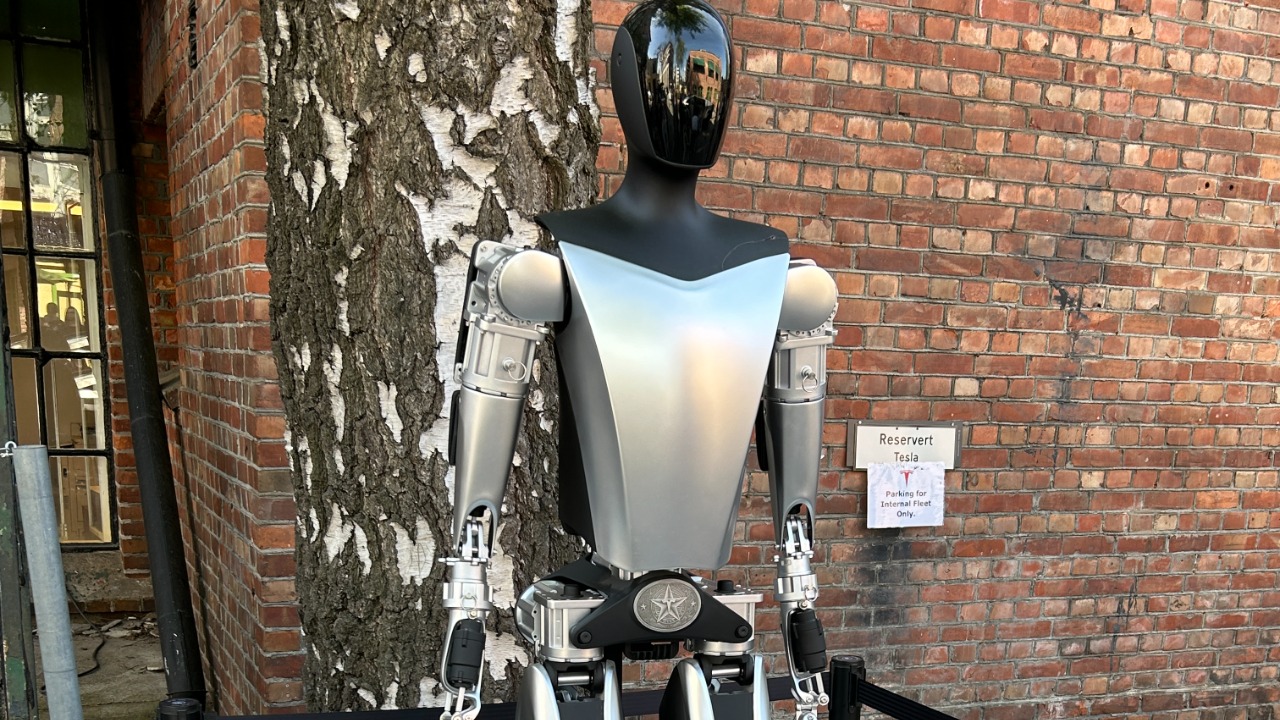
The deployment of the Tesla Bot has the potential to transform various industries and the labor market. In sectors such as manufacturing, logistics, and retail, the bot could take on repetitive and physically demanding tasks, allowing human workers to focus on more complex and creative roles. This shift could lead to increased efficiency and productivity, but it also raises questions about the future of employment and the need for workforce retraining.
Ethical and societal considerations are integral to the discussion surrounding humanoid robots. The Tesla Bot’s ability to interact with humans and perform tasks autonomously prompts debates about privacy, security, and the ethical implications of AI-driven machines. Ensuring that the bot is used responsibly and ethically is a challenge that Tesla must address to gain public trust and acceptance.
Furthermore, the Tesla Bot opens up opportunities for collaboration with other sectors. Its versatility makes it an attractive solution for industries like healthcare, where it could assist in patient care and rehabilitation. In logistics, the bot could streamline operations and reduce labor costs. These potential collaborations highlight the bot’s ability to extend its impact beyond Tesla’s core business, fostering innovation across multiple fields.
Challenges and Criticisms
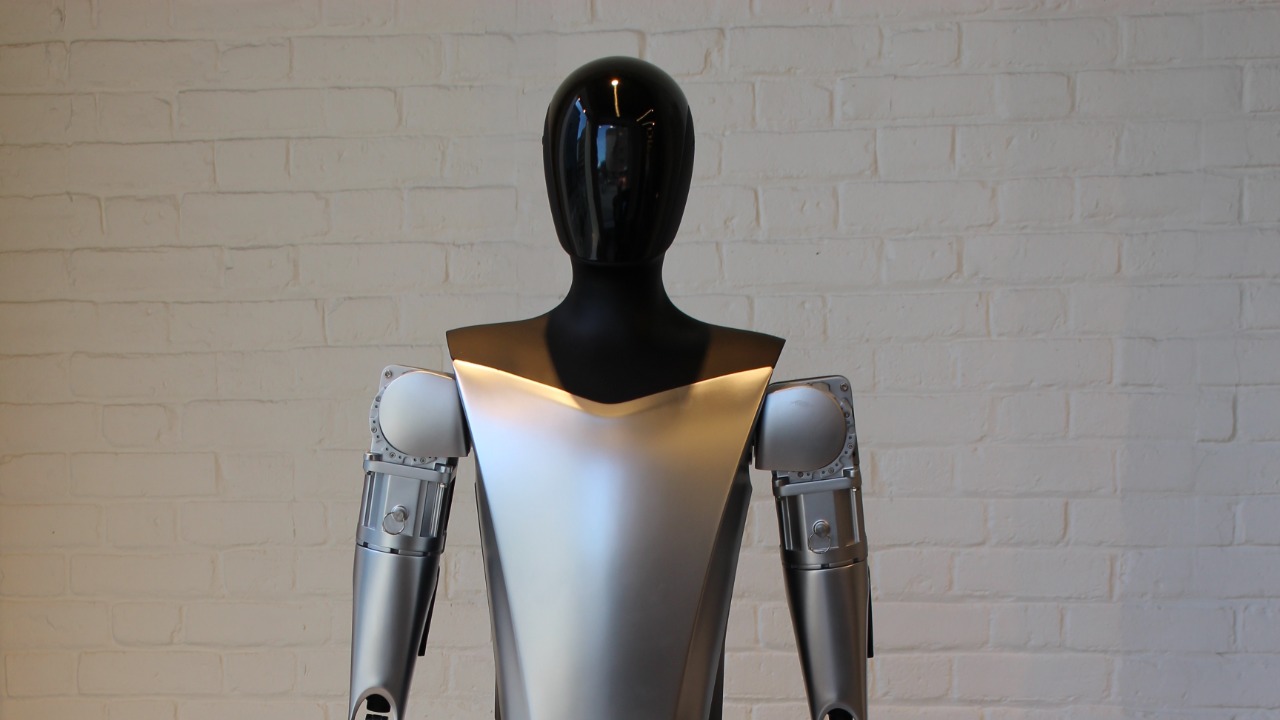
Despite its potential, the Tesla Bot faces several technical and logistical challenges. Perfecting the bot’s functionality requires overcoming hurdles in areas such as machine learning, sensor technology, and energy efficiency. Ensuring that the bot can perform tasks safely and reliably is paramount, especially in environments where human interaction is involved. These challenges necessitate ongoing research and development to refine the bot’s capabilities.
Skepticism and public perception continue to be significant obstacles. Critics question the feasibility of creating a humanoid robot that can seamlessly integrate into daily life. Concerns about potential job displacement and the ethical use of AI contribute to the skepticism surrounding the Tesla Bot. Addressing these concerns requires transparent communication from Tesla and a commitment to responsible AI development.
Regulatory and safety considerations are crucial factors in the widespread deployment of humanoid robots. As the Tesla Bot moves closer to commercialization, navigating the regulatory landscape becomes increasingly important. Ensuring compliance with safety standards and addressing potential risks is essential to gaining approval from regulatory bodies and instilling confidence in consumers.
Elon Musk’s Vision for the Future
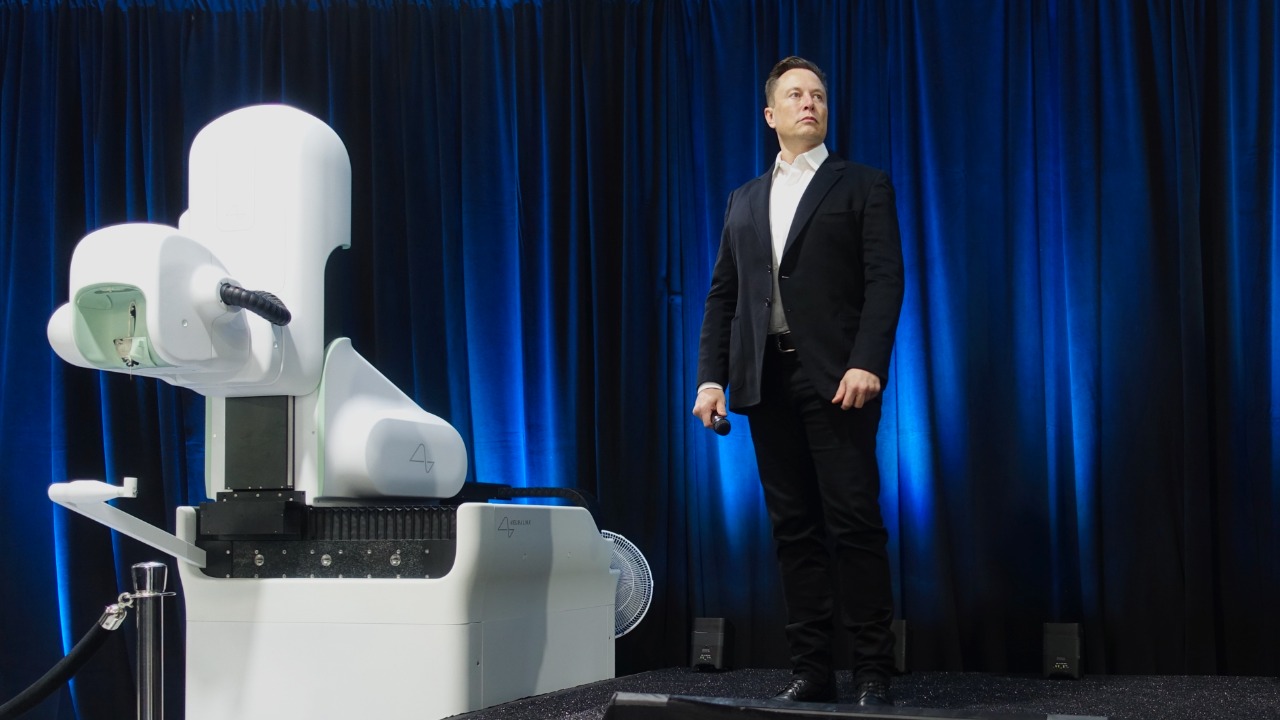
Elon Musk’s vision for the Tesla Bot extends beyond its immediate capabilities. In the long term, Musk envisions a future where the bot becomes an integral part of society, enhancing human productivity and quality of life. By automating routine tasks, the bot could free up human time for more creative and fulfilling pursuits, contributing to a more balanced and efficient society.
The Tesla Bot also presents opportunities for integration with other Musk-led ventures. For example, its advanced AI and robotics capabilities could complement SpaceX’s space exploration efforts, potentially assisting in tasks such as maintenance and assembly on space missions. Likewise, the bot’s ability to interface with Neuralink’s brain-machine interfaces could lead to innovative applications in healthcare and rehabilitation.
In a broader context, the Tesla Bot fits into the grander scheme of technological innovation driven by Musk’s vision. By pushing the boundaries of AI and robotics, the bot contributes to the ongoing evolution of technology that aims to solve complex challenges and improve human life. As the Tesla Bot continues to develop, it exemplifies the potential of technology to drive progress and reshape the future.
