The Moai statues of Easter Island, some weighing up to 82 tons, have long puzzled researchers regarding their transportation across the rugged terrain of Rapa Nui. A new study reveals that these statues were “walked” upright using ropes pulled by teams of workers, a method that did not require sledges, logs, or toppling. This approach, tested through experimental archaeology, demonstrates how the statues could pivot and shuffle forward in a rocking motion, covering distances of up to 11 miles from quarry sites to coastal platforms. These findings challenge long-held assumptions about ancient Polynesian engineering on the isolated island located 2,300 miles off Chile’s coast (Daily Galaxy; SSB Crack).
The Enigma of Moai Transportation
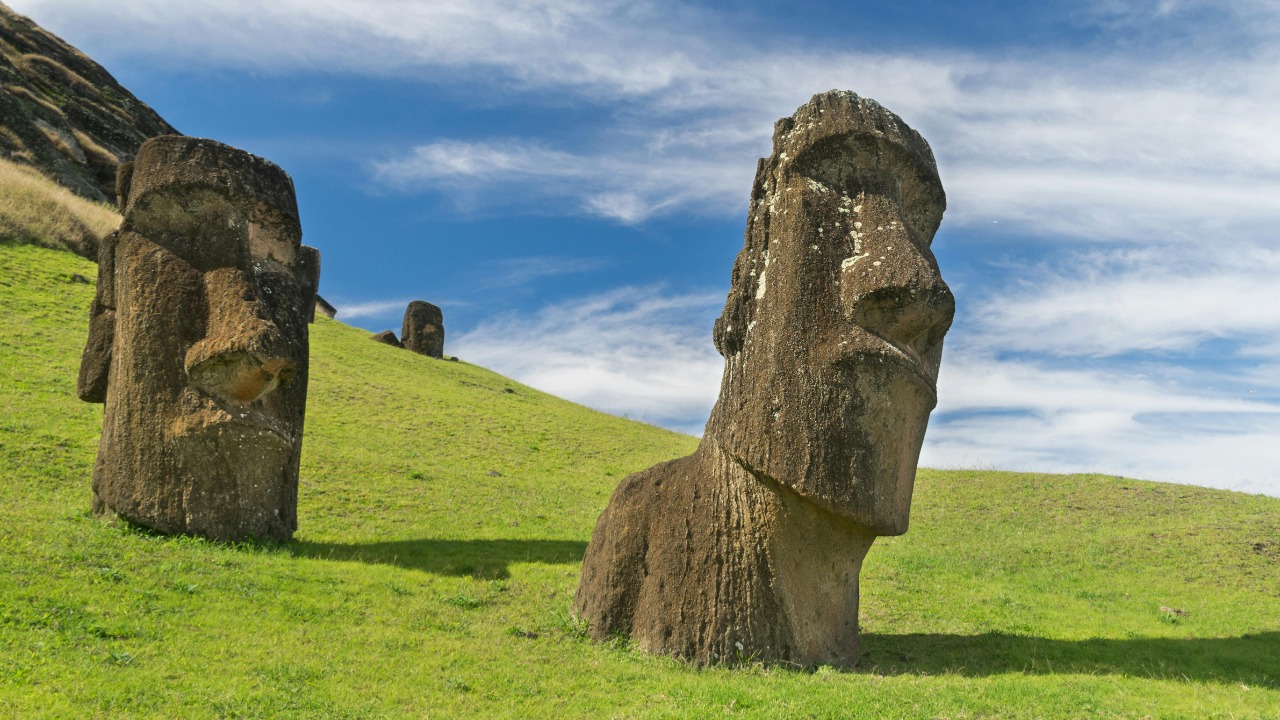
The historical puzzle of how over 900 monolithic statues, carved from volcanic tuff at the Rano Raraku quarry, were moved to ahu platforms has intrigued researchers for decades. The absence of evidence for widespread deforestation for rollers or sledges adds to the mystery. Previous theories suggested the use of wooden sledges or human-powered dragging, but these fail to account for the statues’ stability and the lack of tool marks or wear patterns on the island’s soil (Daily Galaxy).
The Moai hold significant cultural importance as ancestral figures erected by the Rapa Nui people starting around 1200 CE. This cultural significance necessitated a non-destructive transport method to preserve their integrity. The new study’s findings suggest that the statues’ transportation was not only a feat of engineering but also a reflection of the Rapa Nui’s respect for their ancestors and environment (SSB Crack).
Experimental Evidence for Walking
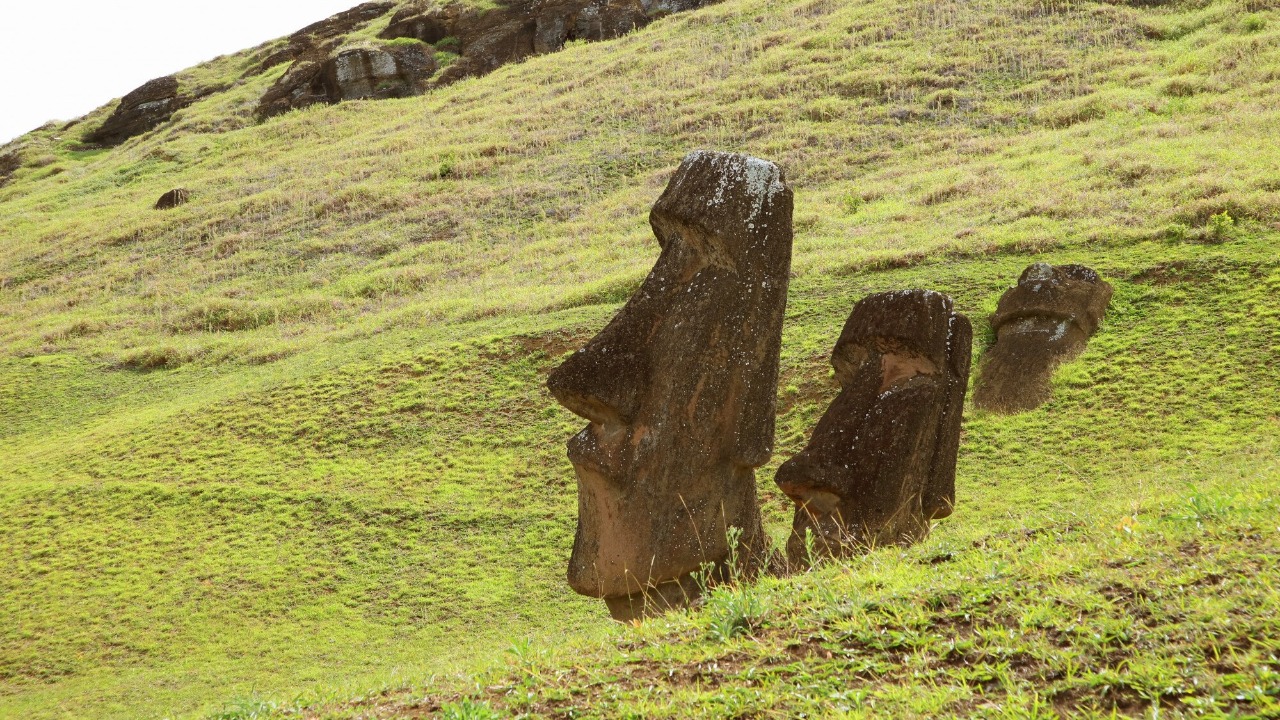
In 2012, archaeologists Terry Hunt and Carl Lipo conducted field experiments that provided compelling evidence for the “walking” method. They successfully moved a 10-ton replica Moai 100 yards using 18 people with three ropes, mimicking a bobbing gait. This experiment demonstrated the feasibility of the statues’ transportation without the need for extensive resources or infrastructure (SSB Crack).
The physics behind this method is fascinating. The statues’ low center of gravity and curved bases allowed for incremental forward steps of 3-5 inches per pull, preventing them from tipping over uneven ground. This technique not only ensured the statues’ stability but also aligned with petroglyphs depicting figures carrying Moai on their backs as symbolic representations (Daily Galaxy).
Video and photographic documentation from these tests show the statue’s upright posture throughout movement, reinforcing the plausibility of this method. The experiments align with oral histories from Rapa Nui descendants, which describe “making the statues walk,” suggesting a labor-efficient communal practice that was both practical and culturally significant (SSB Crack).
Archaeological Corroboration
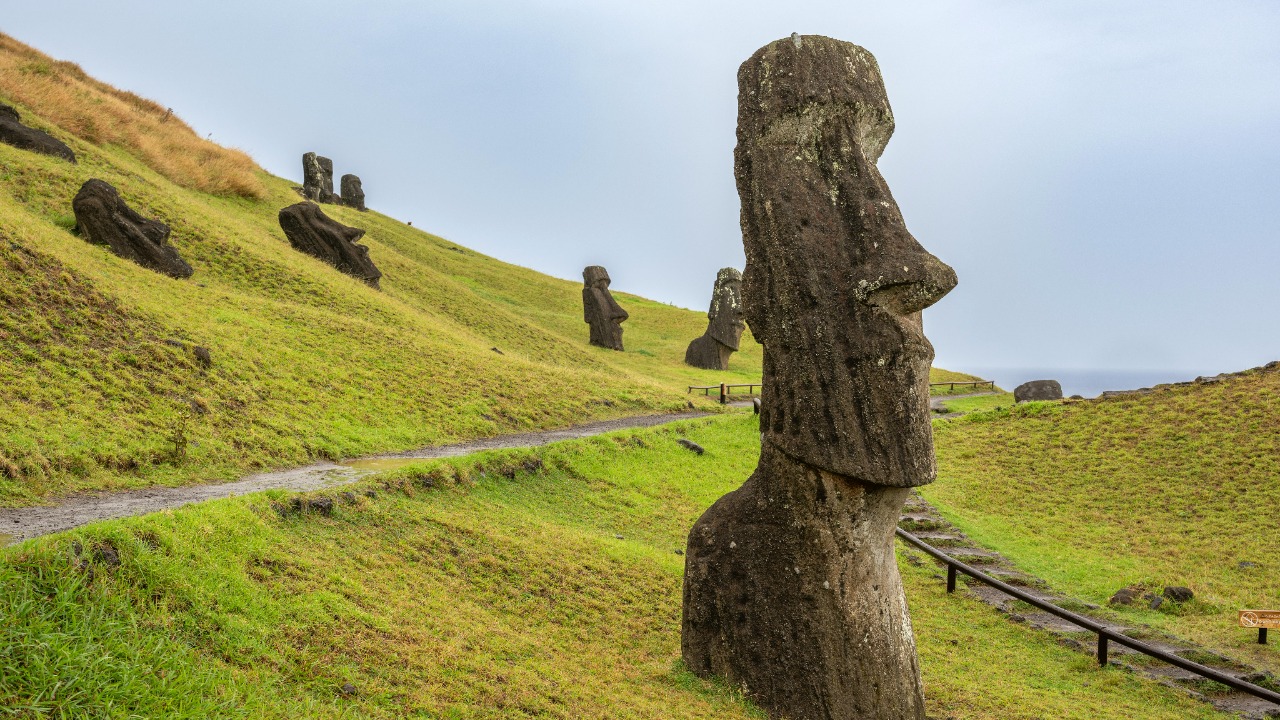
On-site evidence from Rapa Nui supports the rope-based transport method. Unfinished statues abandoned in walking positions near roads and the absence of large timber remnants suggest that the Rapa Nui people did not rely on logging-intensive alternatives. This evidence aligns with the experimental findings and provides a clearer picture of the island’s historical practices (Daily Galaxy).
Soil and rock analyses around statue paths reveal minimal erosion or ruts, consistent with upright shuffling rather than sliding or rolling. This finding further corroborates the walking method, indicating that the Rapa Nui employed a sophisticated technique that minimized environmental impact while achieving their monumental construction goals (SSB Crack).
Implications for Ancient Rapa Nui Society
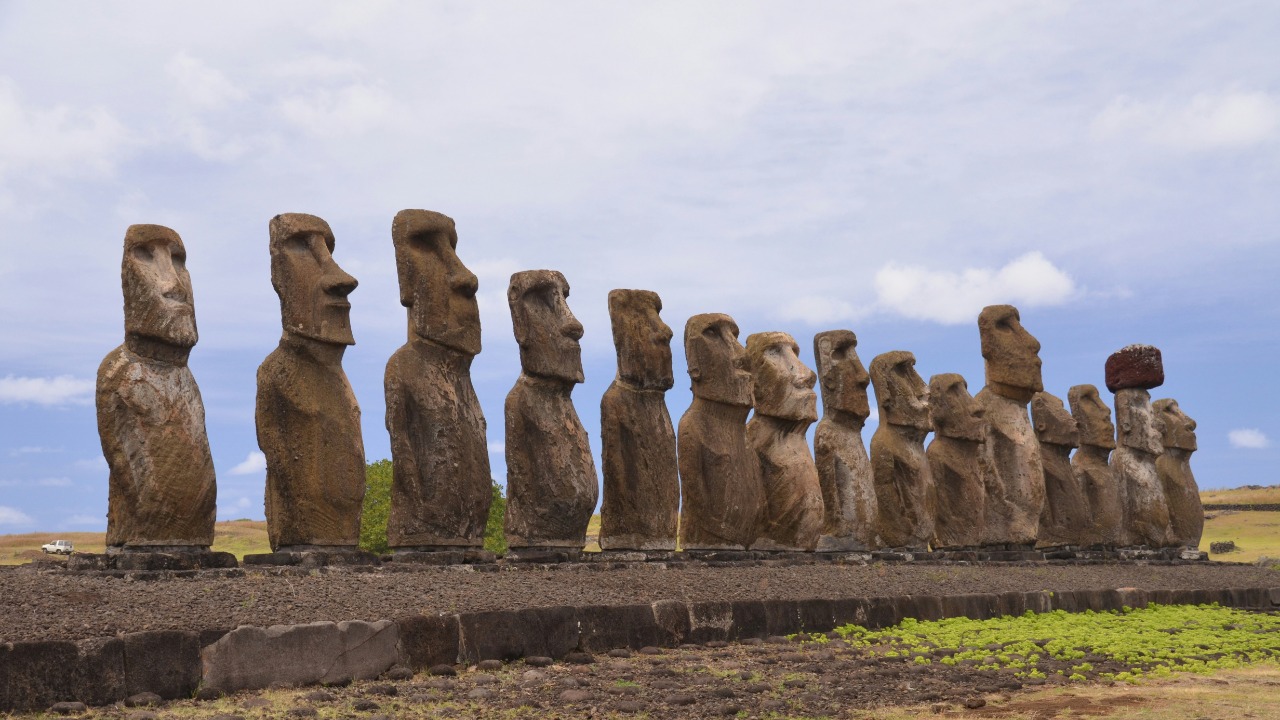
The walking method implies a sophisticated, resource-conserving society capable of mobilizing groups of 15-20 people per statue, reducing ecological strain on the island’s limited forests. This approach not only highlights the ingenuity of the Rapa Nui people but also challenges previous assumptions about their societal collapse, suggesting that European contact in 1722 played a more significant role than overexploitation from transport (Daily Galaxy).
These findings have broader implications for Polynesian archaeology, as the technique may apply to other Pacific Island megaliths. By reframing Rapa Nui ingenuity without myths of supernatural aid, this study contributes to a more nuanced understanding of ancient engineering and cultural practices across the region (SSB Crack).
