Electronic ink, most commonly known as e-ink, has been around for quite a while now. However, it’s only recently that this technology has gained momentum and made its way into our daily lives. Significant improvements and advancements are continually being made to revolutionize and integrate these e-ink devices into our everyday activities.
A Brief History of E-ink Technology
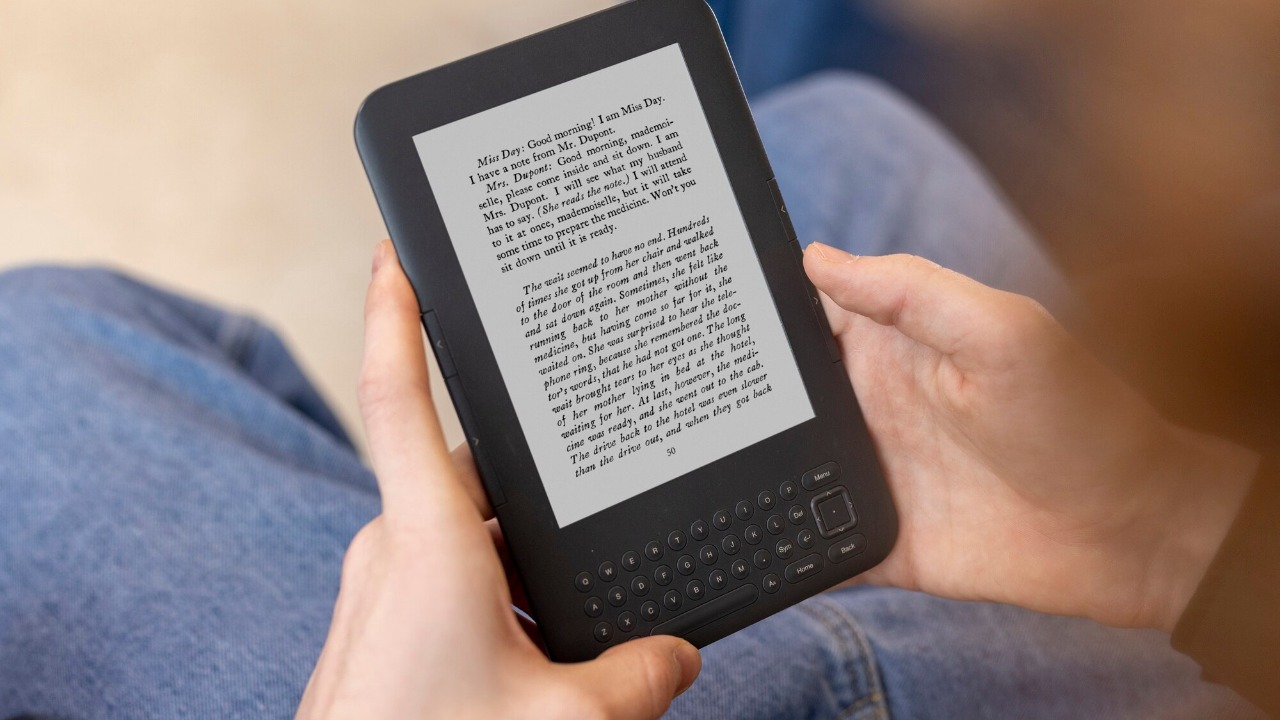
E-ink technology was first developed and popularized for its use in e-readers, such as the Barnes & Noble Nook. The main advantage of e-ink over traditional LCD or LED screens is its paper-like appearance and readability, which reduces eye strain. Over the years, technological advancements have allowed e-ink to become more versatile and user-friendly, paving the way for its use in a wider variety of devices.
From its initial use in e-readers, e-ink technology has evolved significantly. Technological advancements have led to the development of flexible and color e-ink displays, opening up a plethora of new applications for the technology. This progress has made e-ink more adaptable, paving the way for its integration into various devices and applications.
Current Applications of E-ink Devices
Today, e-ink technology is used in a wide range of devices, including e-readers, smartwatches, and digital signage. E-ink screens offer a number of advantages over traditional displays. They are energy-efficient as they only consume power when the display is updated. These screens are also easily readable under direct sunlight, making them ideal for outdoor use.
Moreover, e-ink devices cause less strain on the eyes compared to conventional backlit screens, making them highly suitable for devices meant for prolonged use. For instance, e-readers like Kindle and Nook have become popular among avid readers as they mimic the appearance of printed paper and provide a comfortable reading experience even for extended periods.
How E-ink Technology is Transforming Paperless Writing

One of the most significant advancements in e-ink technology is its application in the realm of paperless writing. E-ink tablets, such as the reMarkable and the Boox, are reinventing the concept of writing and sketching without paper. These devices provide a writing experience that closely mimics that of writing on paper, making them popular in various sectors like education, business, and personal use.
These e-ink tablets are particularly beneficial in environments where paper use needs to be minimized or eliminated. They are also ideal for people who want to digitize their notes or sketches without losing the familiarity and simplicity of pen and paper. Furthermore, the use of e-ink tablets can help reduce clutter and improve organization as all notes are stored digitally in one place.
Future of E-ink: More than Just E-readers

E-ink technology is not limited to e-readers and tablets. It is gradually finding its way into more diverse applications. For example, e-ink is now being used to develop smart home devices, wearable tech, and many more innovative products. The low power consumption, lightweight, and flexible nature of e-ink displays makes them ideal for these applications.
As the development of e-ink technology continues, we can expect to see even more interesting and innovative uses. Researchers are already working on developing color e-ink displays and improving the refresh rate of these screens. These advancements will open up a myriad of new possibilities for the use of e-ink in the future.
E-ink in Daily Life: Is it Prevailing?

E-ink devices are becoming more prevalent in our daily lives. They are now being used not just for reading, but also for taking notes, navigating, and even as digital signage. This trend can be attributed to the unique benefits of e-ink displays, such as their readability in sunlight, low power consumption, and the comfort they offer to the eyes.
However, widespread use of e-ink technology is not without challenges. There are still limitations to be addressed, such as the slower refresh rate of e-ink displays compared to traditional screens and the lack of vibrant color displays. Despite these challenges, the benefits of e-ink and its potential for future applications make it a promising technology that is increasingly becoming a part of our daily lives.
