The Defense Advanced Research Projects Agency (DARPA) is at the forefront of technological innovation in military aviation, playing a pivotal role in shaping the future of next-generation fighter jets. By leveraging cutting-edge research and development, DARPA is pushing the boundaries of what is possible in aerospace technology, ensuring that the United States maintains its air superiority in the years to come.
The Role of DARPA in Military Innovation

DARPA, established in 1958 in response to the launch of Sputnik, has consistently been a driving force in defense technology. Its mission is to make pivotal investments in breakthrough technologies for national security. Over the decades, DARPA has been instrumental in developing technologies that have become foundational in modern military systems, including stealth technology and precision-guided munitions.
Key achievements of DARPA that have set the stage for next-generation fighter development include advancements in unmanned aerial vehicles (UAVs) and the integration of artificial intelligence into defense systems. DARPA collaborates closely with the Air Force and other military branches, ensuring that its innovations are seamlessly integrated into the armed forces’ operational capabilities.
Technological Advancements in Next-Gen Fighters
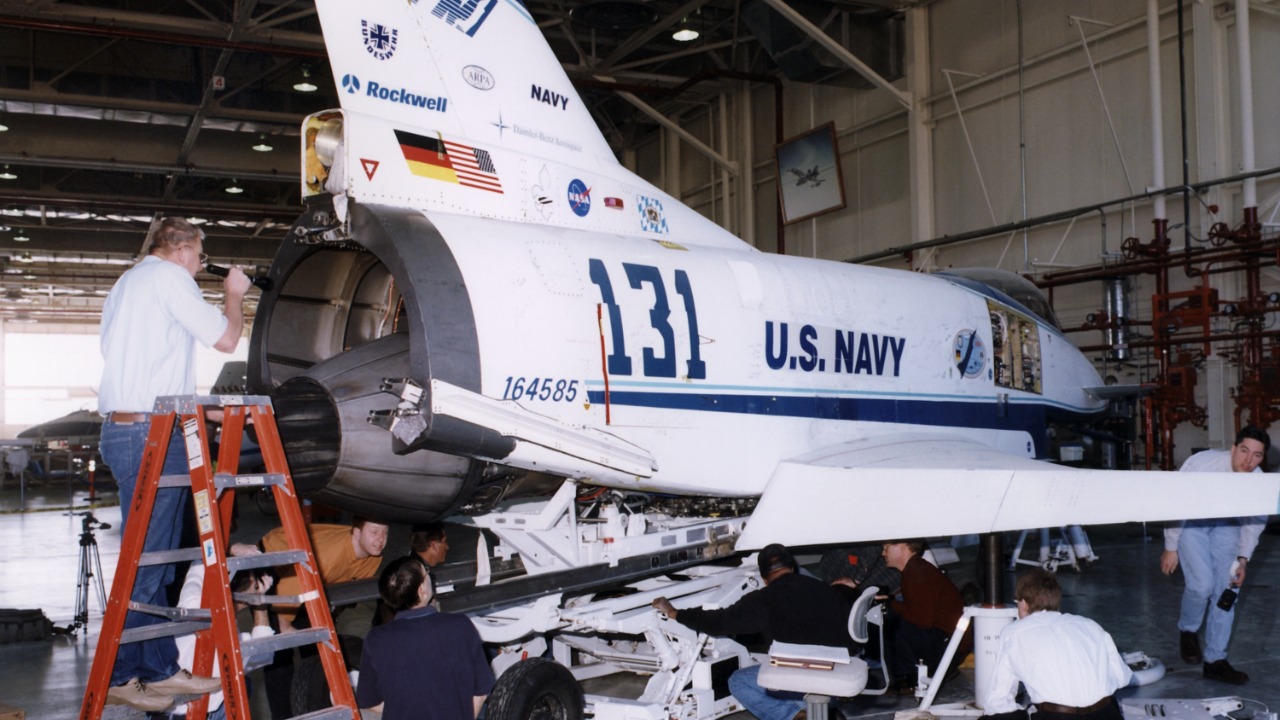
The development of advanced propulsion systems and adaptive engines is a significant focus for DARPA. These advancements are poised to enhance the speed, range, and efficiency of future fighter jets. For instance, adaptive cycle engines are being designed to switch modes for increased fuel efficiency or enhanced thrust, depending on the mission requirements. This capability is crucial for maintaining air superiority in diverse combat scenarios.
Innovations in stealth technology and radar evasion are also key areas where DARPA is making strides. By focusing on materials that absorb radar waves and developing shapes that reduce radar cross-section, DARPA is ensuring that next-generation fighters remain undetectable to enemy radar systems. Additionally, the integration of artificial intelligence and autonomous systems is revolutionizing how these aircraft operate, enabling them to perform complex tasks with minimal human intervention.
The Impact of DARPA’s Ancillary Six Program
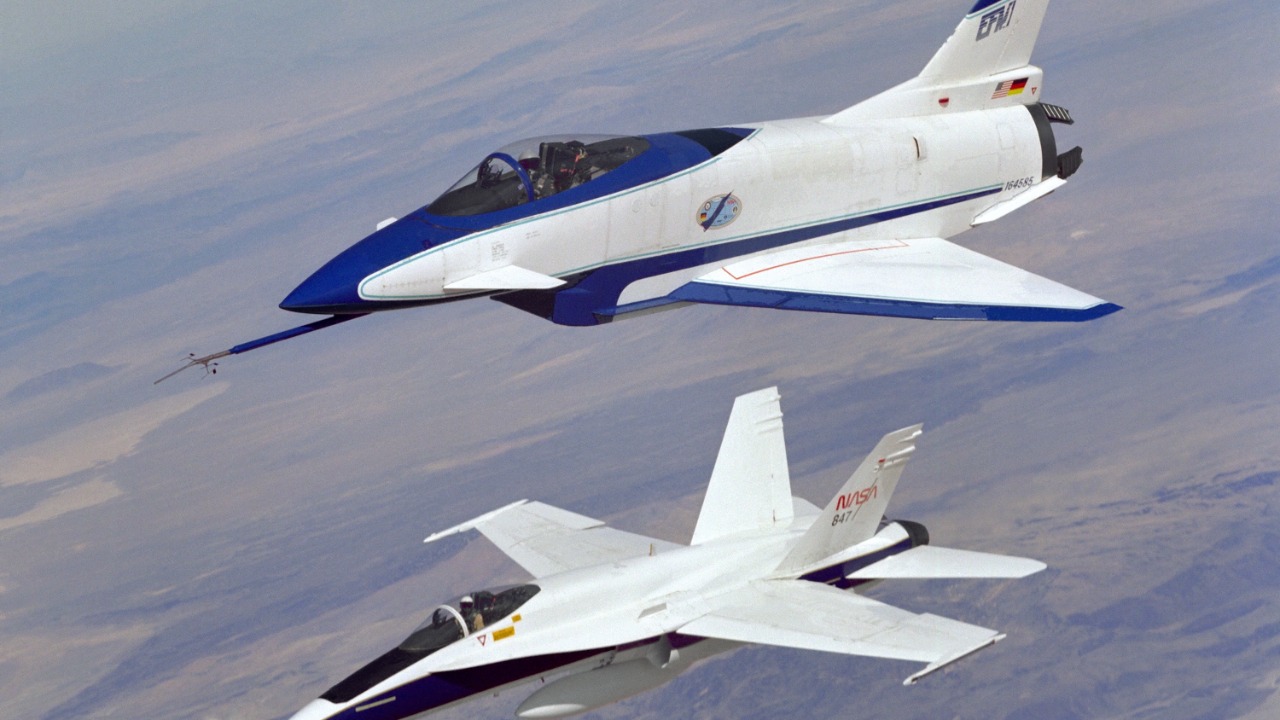
The Ancillary Six program is a groundbreaking initiative by DARPA aimed at revolutionizing fighter jet designs by 2026. This program focuses on experimental prototypes that incorporate cutting-edge technologies and innovative design concepts. The goal is to explore new avenues for aircraft performance, survivability, and adaptability in future combat environments.
Through the Ancillary Six initiative, DARPA is conducting test flights and developing experimental prototypes that push the boundaries of current fighter jet capabilities. The program’s significance lies in its potential to redefine the parameters of aerial combat, ensuring that the United States remains at the forefront of military aviation technology.
Next-Generation Fighter Models and Capabilities
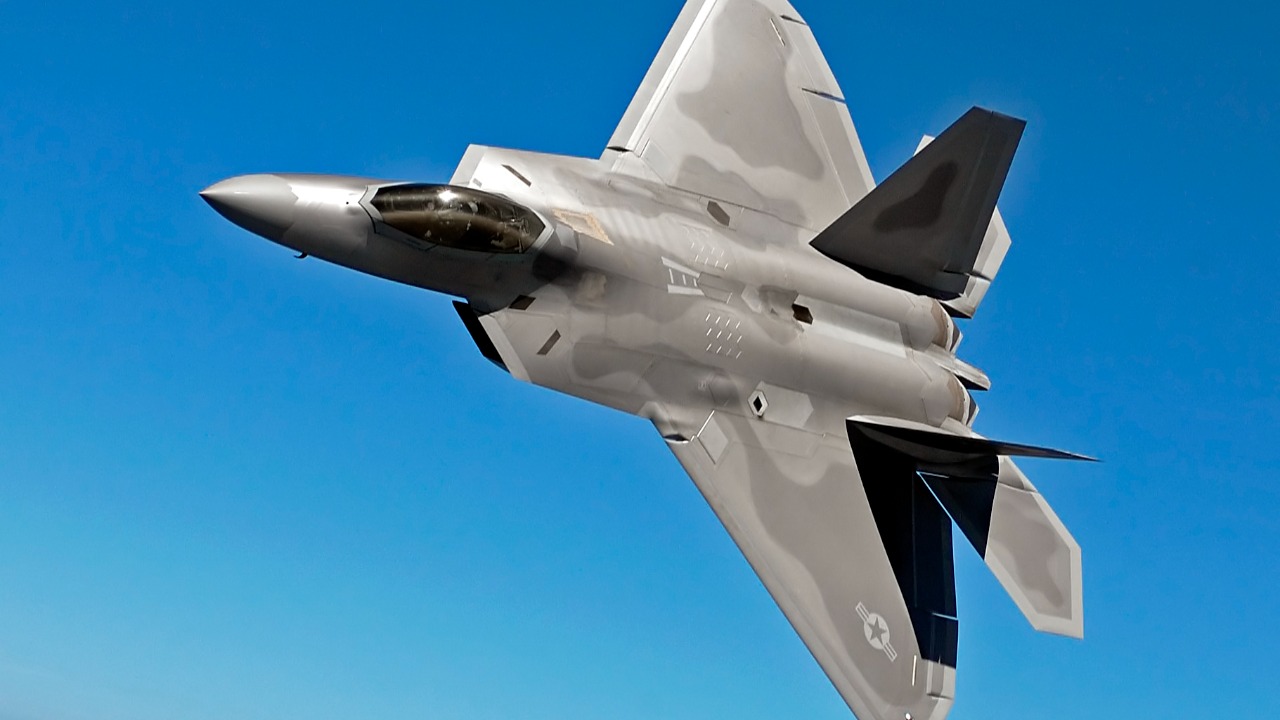
Among the proposed models for next-generation fighters, the F-47 stands out as a potential game-changer. This model, along with updates to existing platforms like the F-22, represents the future of aerial combat. The F-47 is designed to incorporate the latest advancements in stealth, propulsion, and avionics, ensuring it meets the evolving demands of modern warfare.
Enhancements in combat capabilities and multi-role functionalities are central to the development of these new models. The role of modular design and customization allows for greater flexibility, enabling each aircraft to be tailored to specific mission requirements. This approach not only extends the operational lifespan of the aircraft but also enhances its strategic value in a rapidly changing global security landscape. More details on the F-47 and F-22 updates can be found here.
Challenges and Considerations in Next-Gen Fighter Development
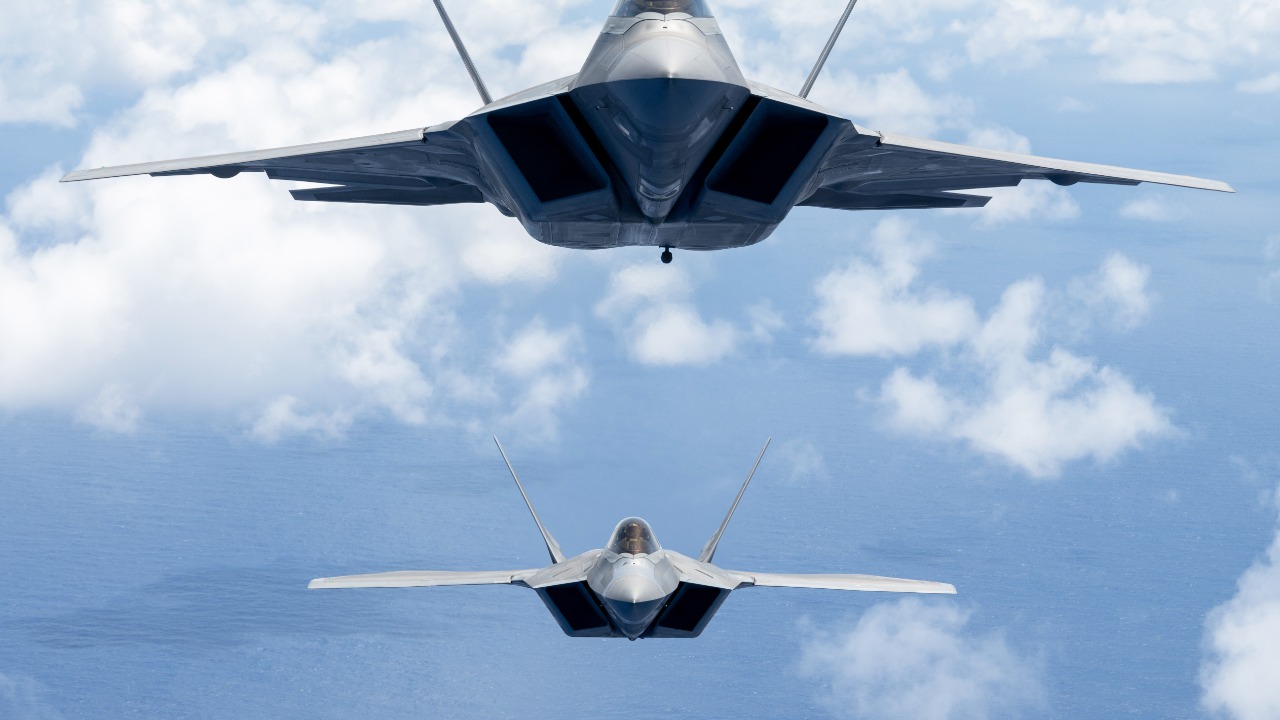
Developing advanced fighters is fraught with technical and logistical challenges. From integrating new technologies to ensuring interoperability with existing systems, the process is complex and requires meticulous planning. One of the primary challenges is balancing cost, innovation, and strategic requirements to ensure that the final product meets the needs of the military while remaining financially viable.
International competition and collaboration also play a crucial role in shaping the development of next-generation fighters. As other nations invest in their military aviation capabilities, the United States must navigate the complexities of global defense dynamics. Ensuring that DARPA’s innovations remain cutting-edge requires not only technological prowess but also strategic foresight and international cooperation.
Future Prospects and Strategic Importance
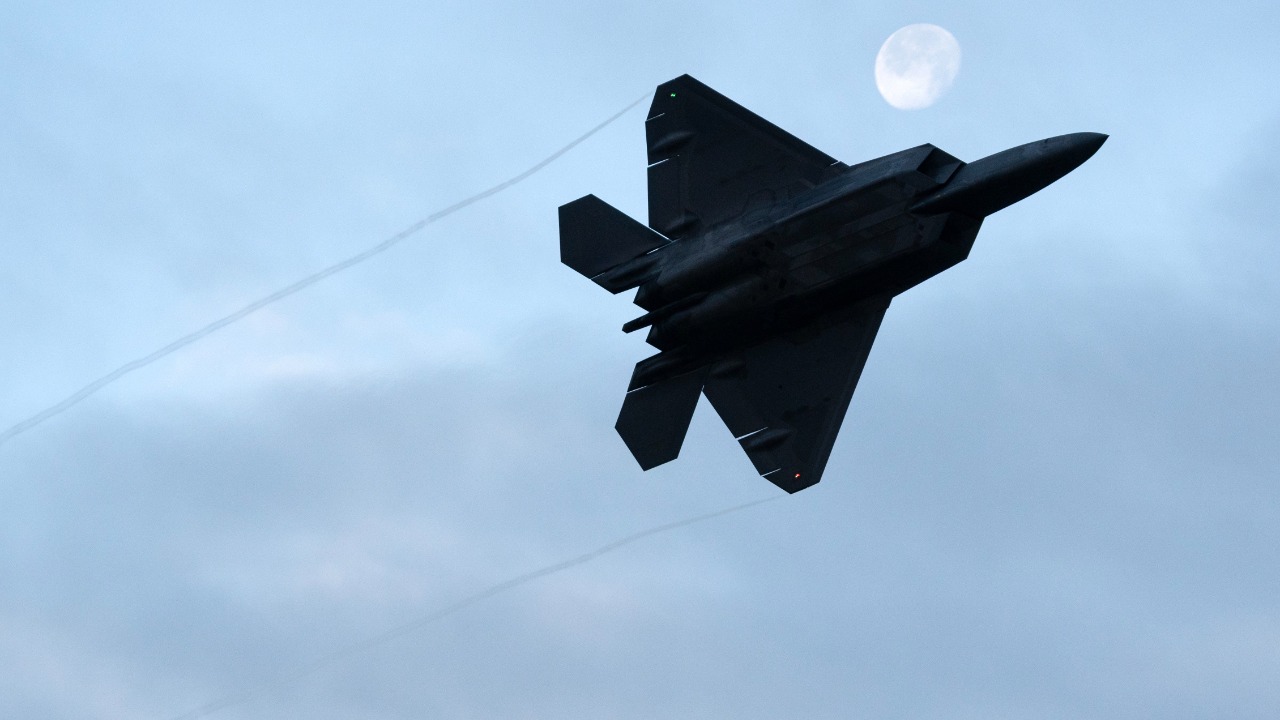
The advent of sixth-generation fighters holds the potential to significantly impact global military dynamics. These aircraft are expected to offer unprecedented capabilities, from enhanced stealth and speed to advanced weaponry and AI-driven systems. As DARPA continues to drive innovation, its vision for the future of air combat and defense strategy will play a pivotal role in shaping the strategic landscape.
Ensuring continued technological leadership requires sustained research and development efforts. By investing in breakthrough technologies and fostering collaboration with military and industry partners, DARPA is poised to maintain the United States’ technological edge in military aviation. For more on the future of sixth-generation fighters, visit this page.
