Electric vehicles (EVs) have emerged as a promising sustainable alternative to traditional combustion engines. However, they face significant challenges in cold weather. Low temperatures can adversely impact EV performance, particularly in terms of range reduction, battery efficiency, and overall vehicle reliability, making it essential for EV users to understand and mitigate these effects.
The Science Behind Battery Performance in Cold Weather

Lithium-Ion Battery Chemistry
Cold temperatures have a notable impact on the chemical reactions within lithium-ion batteries, which are the backbone of modern EVs. The performance of these batteries is highly dependent on the temperature-sensitive electrochemical processes occurring inside.
At lower temperatures, the reactions slow down, which reduces the battery’s efficiency. This is primarily because the movement of lithium ions between the anode and cathode is hindered, resulting in less energy being available for the vehicle’s operation.
Impact on Energy Density
The energy density of lithium-ion batteries, which determines how much energy the battery can store, is also affected by cold weather. When temperatures drop, the battery’s ability to store and deliver energy diminishes, leading to a noticeable decrease in performance.
This reduction in energy density means that the vehicle may not be able to travel as far on a single charge, which is a critical concern for EV users, especially those living in regions with harsh winters.
Voltage Fluctuations
Cold weather can cause significant voltage fluctuations within the battery, which directly affects the power output of the EV. As temperatures drop, the internal resistance of the battery increases, leading to voltage drops that can reduce the vehicle’s acceleration and overall power. These fluctuations can also trigger the vehicle’s battery management system to conserve energy, further limiting performance.
Range Reduction: Real-World Implications
Observed Range Loss
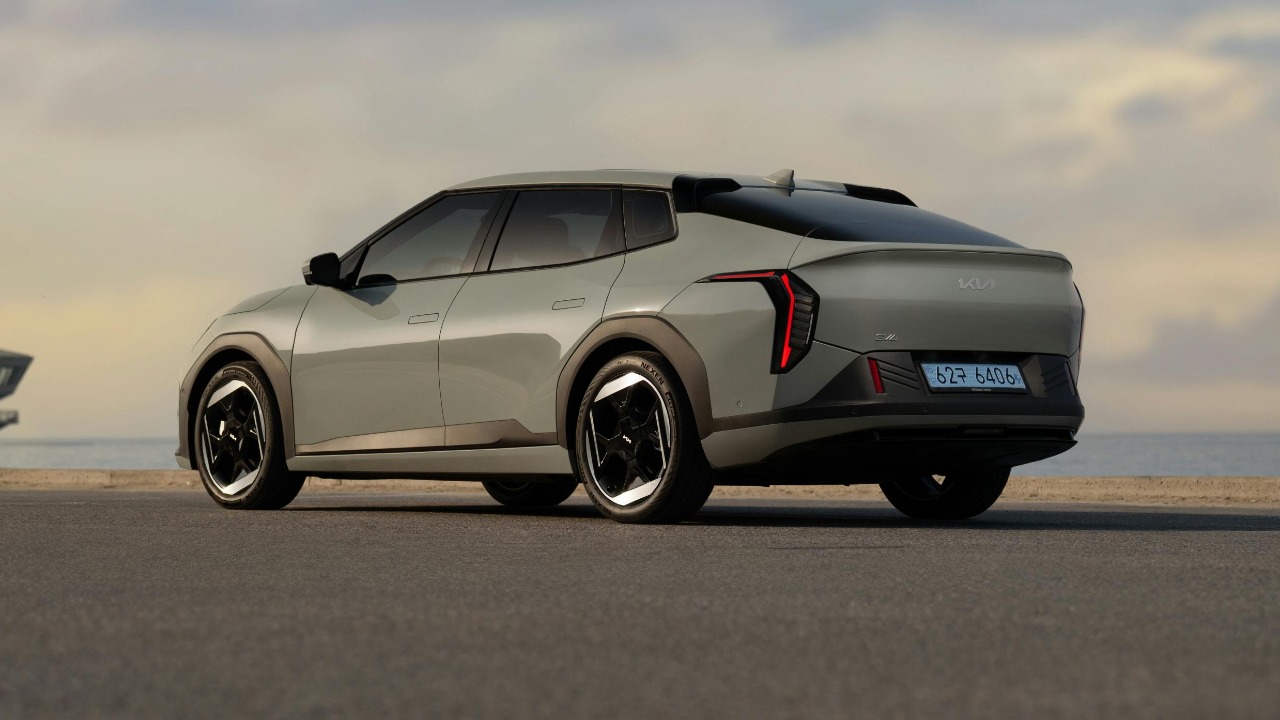
Research and real-world data have shown that EV range can decrease by up to 39% during cold weather conditions. This range loss is a significant concern for EV owners who rely on their vehicles for daily commuting. It can lead to increased anxiety about whether the vehicle will reach its destination without needing a charge.
Factors Influencing Range Loss
Several factors can exacerbate the effects of cold weather on EV range. Driving habits, such as rapid acceleration and high-speed travel, can further reduce efficiency.
Additionally, the use of heating systems to warm the vehicle’s interior draws substantial power from the battery, compounding the range reduction. Terrain also plays a role; hilly or mountainous areas require more energy to navigate, further decreasing the available range in cold conditions.
Comparative Analysis
Not all EVs are affected equally by cold weather. Some models are better equipped to handle the challenges posed by low temperatures. For instance, Tesla’s Model S Plaid features advanced thermal management systems that help mitigate range reduction.
Comparing different EV models can help potential buyers choose vehicles that are more resilient to cold weather impacts.
Battery Management Systems (BMS) and Cold Weather Adaptations
Role of BMS
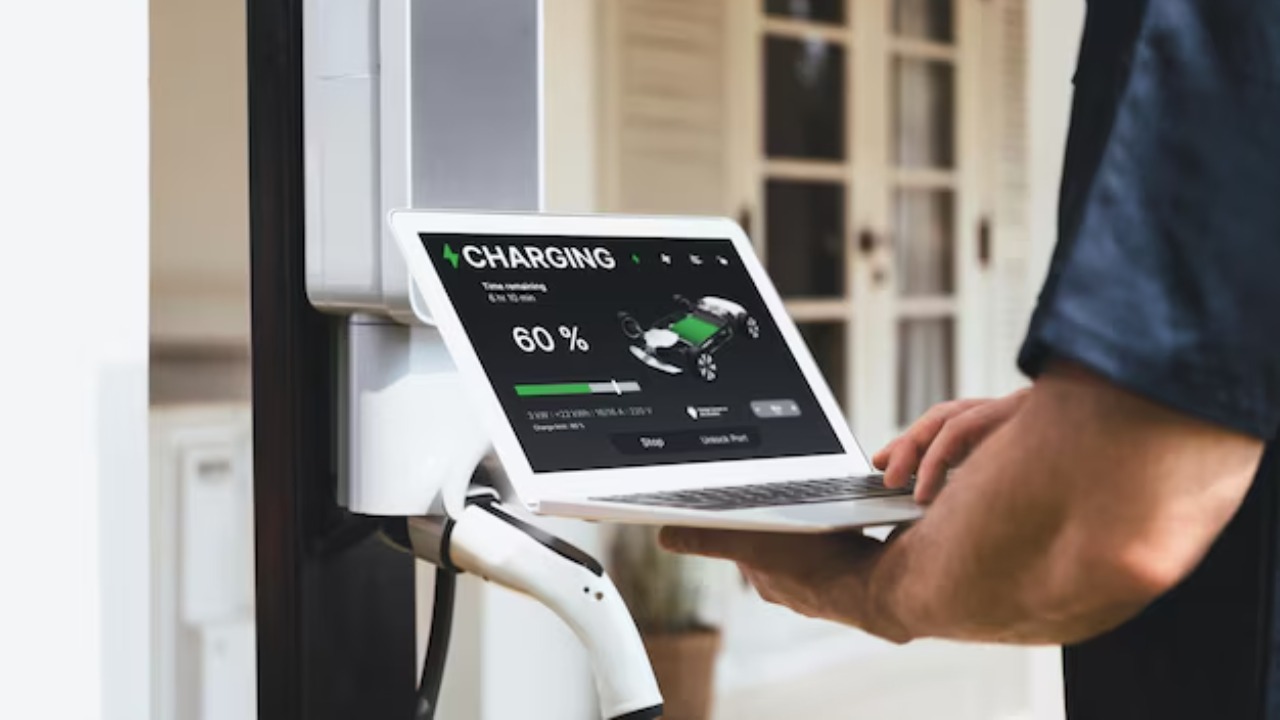
Battery management systems (BMS) play a crucial role in maintaining battery performance under cold conditions. These systems monitor and regulate the battery’s temperature, voltage, and current, ensuring optimal operation. By adjusting the thermal management strategies, BMS can help mitigate some of the adverse effects of cold weather, such as voltage drops and decreased energy density.
Preconditioning Strategies
Preconditioning techniques, such as warming the battery before driving, can significantly improve EV performance in cold weather. By using electricity from the grid to heat the battery while the vehicle is still plugged in, drivers can maximize their vehicle’s range and efficiency.
This strategy ensures that the battery is at an optimal temperature before setting off, reducing the impact of cold weather on performance.
Technological Innovations
In response to the challenges posed by cold weather, manufacturers are developing new technologies to enhance battery performance. Advanced thermal management solutions, such as liquid-cooled battery systems, are being implemented to maintain optimal temperatures. These innovations aim to improve the resilience of EVs in cold climates, making them a more viable option for drivers in such regions.
Impact on Charging Efficiency and Time
Slower Charging Rates
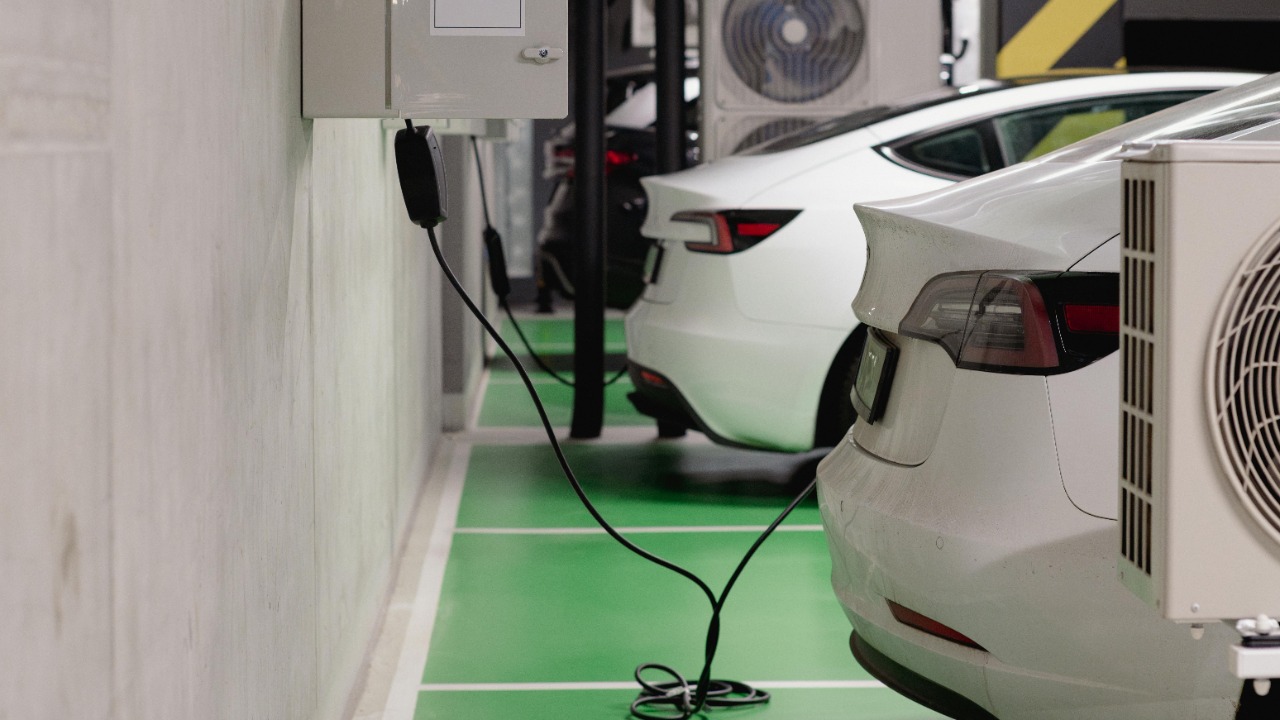
Cold weather not only affects the range of EVs but also slows down charging times and efficiency. When temperatures drop, the chemical reactions necessary for charging are hampered, leading to longer charging durations. This can be particularly inconvenient for drivers who rely on rapid charging during long trips.
Infrastructure Challenges
Charging infrastructure in cold regions faces additional challenges, such as the need for weather-resistant stations. Cold weather can cause damage to charging cables and connectors, necessitating more frequent maintenance and repairs.
Furthermore, the efficiency of charging stations themselves can be reduced in low temperatures, affecting their ability to deliver power to vehicles effectively.
Adaptive Charging Solutions
To address these challenges, adaptive charging solutions are being explored. Heated charging cables and stations are being developed to maintain optimal charging conditions in cold weather. These innovations aim to enhance the overall charging experience for EV users and ensure that the infrastructure can support the growing demand for electric vehicles in all climates.
Driving and Maintenance Tips for Cold Weather

Optimizing EV Usage
EV drivers can take several steps to maintain optimal performance during winter. Efficient driving techniques, such as gentle acceleration and maintaining steady speeds, can help conserve energy. Drivers should also minimize the use of energy-intensive heating systems by utilizing heated seats and steering wheels instead.
Regular Maintenance Checks
Regular maintenance is key to ensuring vehicle reliability in cold weather. Battery health checks should be conducted to monitor performance and address any issues. Additionally, tire inspections are crucial, as cold temperatures can cause tire pressure to drop, affecting traction and efficiency.
Emergency Preparedness
Preparing for unexpected cold weather conditions is essential for EV drivers. Emergency kits containing items like blankets, food, and water should be kept in the vehicle. Backup power options, such as portable chargers, can provide peace of mind in case of extended power outages or unexpected range loss.
