The possibility of uploading human consciousness into a computer or machine, once a staple of science fiction, has entered serious scientific discourse. We’ll delve into the intricacies of human consciousness, recent advancements in neuroscience and computer science, the concept of mind uploading, the challenges and ethical implications, and the views of tech industry leaders.
Understanding Human Consciousness
Comprehending what consciousness truly is, is a complex task. Various philosophical and scientific perspectives have their definitions. Some view consciousness as a state of awareness and understanding of one’s environment and self. Others see it as the ability to experience feelings, sensations, thoughts, and perceptions. However, the exact nature of consciousness is still a subject of heated debate, with no consensus in sight.
The complexities in defining consciousness stem from its subjective nature and the lack of a universally accepted definition. These complexities not only make it difficult to understand human consciousness but also pose a significant challenge in translating it into a digital format that a machine can process and replicate.
Progress in Neuroscience and Computer Science

Advancements in neuroscience have begun to shed light on some of the mysteries of the human brain. For example, research on brain mapping and neural networks has opened up potential avenues for the digital replication of human consciousness. However, the human brain is incredibly complex, with an estimated 86 billion neurons interacting in intricate networks. Replicating this complexity digitally is a monumental task.
On the computer science front, advancements in data storage and processing capabilities are continuously being made. Quantum computing, for instance, promises exponential increases in processing power, which could theoretically support the vast amounts of data a human brain contains. However, we are still a long way from having the technology capable of effectively uploading and replicating human consciousness.
The Concept of Mind Uploading
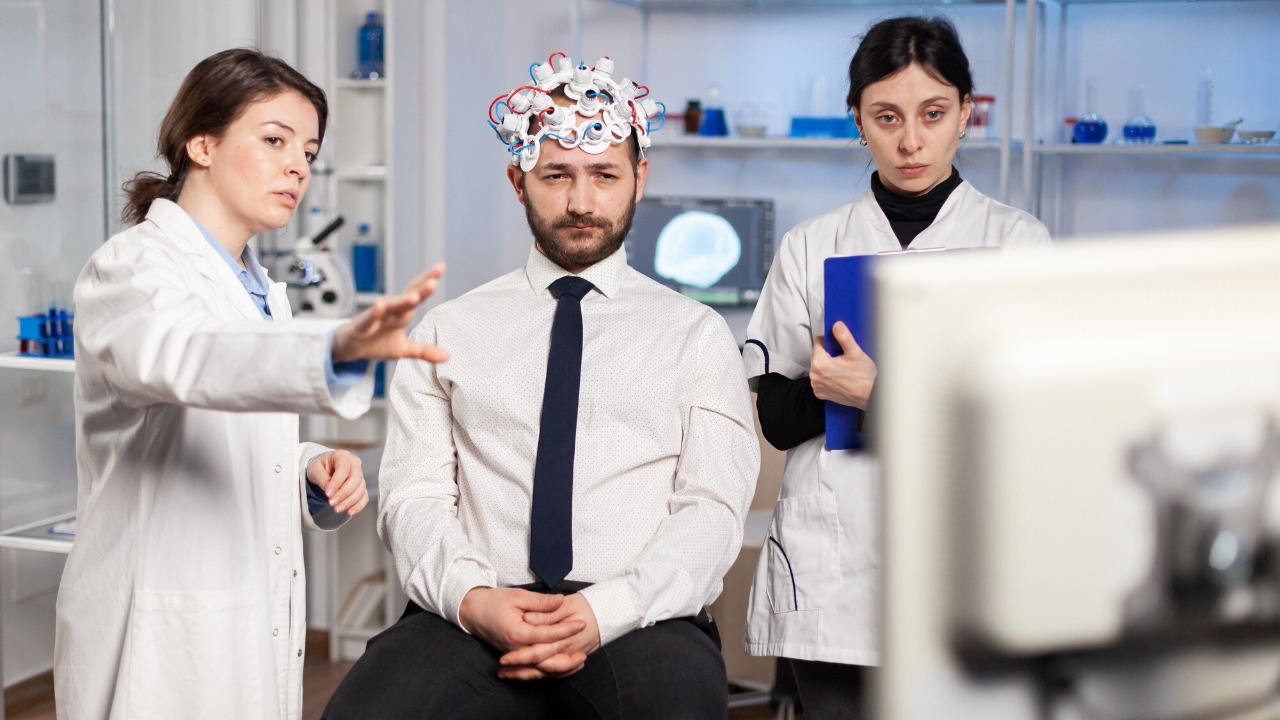
The concept of mind uploading revolves around the idea of creating a precise digital copy of an individual’s mind, effectively preserving their memories, personality, and consciousness. Theoretically, this could allow a person’s consciousness to continue existing in a digital form even after their biological death. However, the practical implementation of this concept is still far from reality.
The progress made so far in the field of mind uploading is still in its infancy. Some researchers have managed to map and digitally replicate simple neural networks of organisms like the C. elegans worm, but scaling this up to the complexities of the human brain is a hurdle yet to be overcome.
Challenges and Ethical Implications

Transferring consciousness into a digital format presents numerous technical challenges. Current hardware and software are not capable of handling the sheer amount of data and complexity involved in human consciousness. Moreover, there is the problem of consciousness transfer vs. consciousness duplication. Would the digital copy be a new entity, or would it be a continuation of the original consciousness?
The ethical implications of mind uploading are also vast and complex. Concerns about identity, privacy, and the fundamental question of whether a digital copy would truly be ‘you’ all need to be adequately addressed. Some philosophers argue that a digital copy, no matter how precise, would still be a different entity and not a continuation of the original consciousness.
Views from Silicon Valley
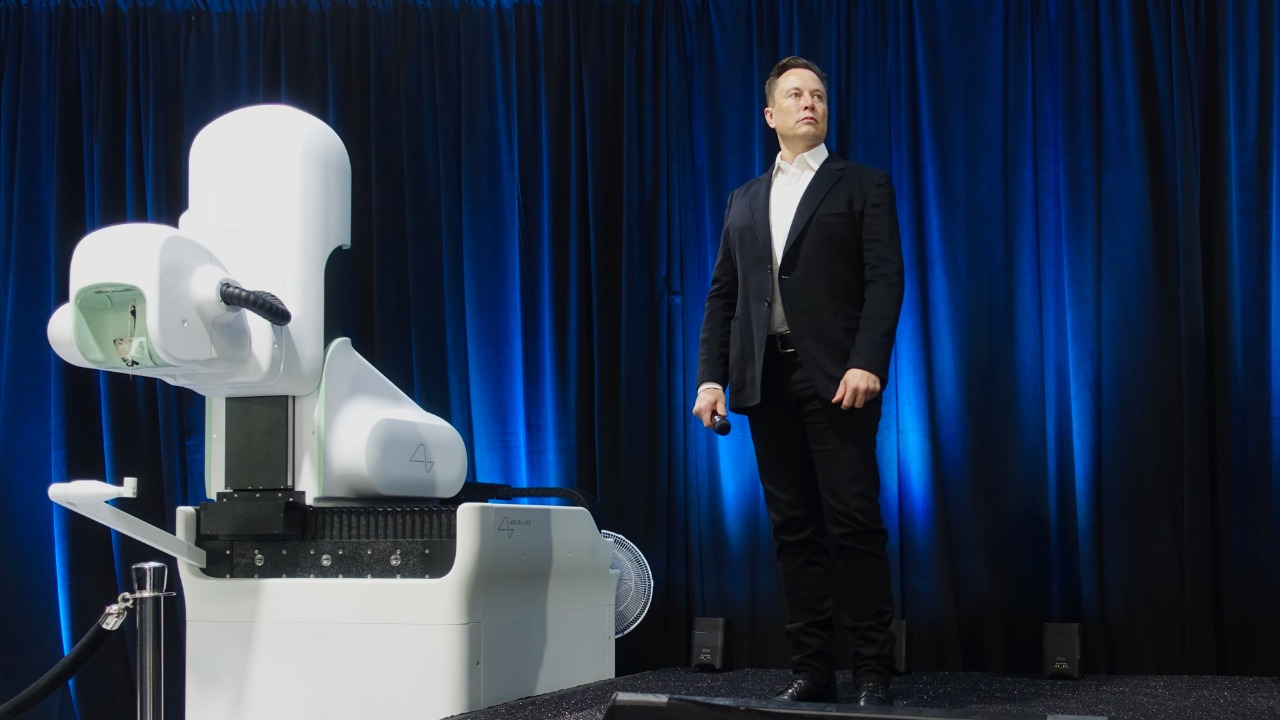
Tech industry leaders have shown interest in the concept of mind uploading. Companies like Google’s DeepMind and Elon Musk’s Neuralink are investing heavily in neuroscience and artificial intelligence, fields that are crucial for the development of mind uploading technology. However, they are also aware of the enormous challenges that lie ahead.
Despite the challenges, some tech leaders are optimistic about the future of mind uploading. Ray Kurzweil, a well-known futurist and director of engineering at Google, predicts that we could see mind uploading becoming a reality by the 2040s. However, the timeline for achieving mind uploading is highly speculative and depends on many variables, as outlined in this Vanity Fair piece.
