As advanced technologies continue to evolve, one of the industries reaping the benefits is the shipping sector. Autonomous shipping, in particular, is redefining global trade, introducing new dynamics and transforming the future of international commerce. This piece ventures into the progression of autonomous shipping, its impacts, benefits, challenges, and what it portends for the future of global trade.
Evolution of Autonomous Shipping
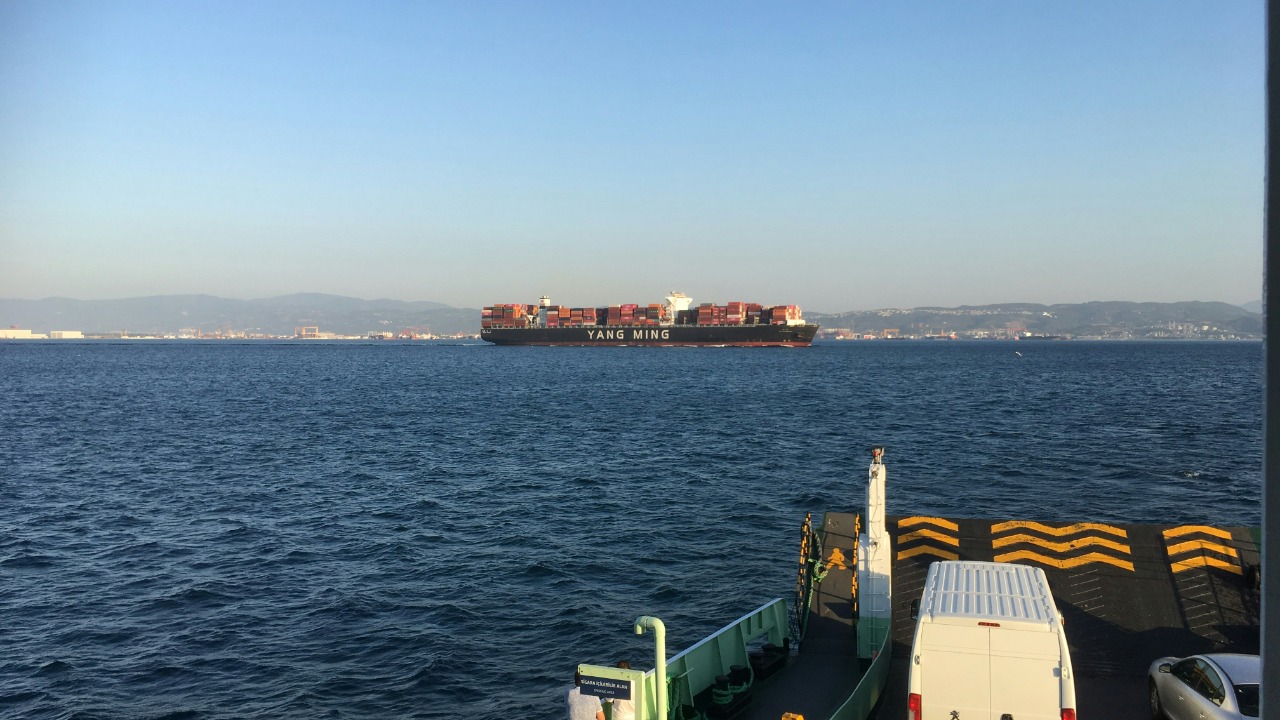
The journey of autonomous shipping has been marked by significant milestones. Initially, the idea was met with scepticism and doubt, but technological advancements have made this concept a reality. Today, we witness the development of fully autonomous vessels that can navigate the oceans without human intervention. These developments are changing the maritime transport landscape, promising to revolutionize global trade.
From the first partially automated systems to the current sophisticated autonomous vessels, the journey has been remarkable. Key milestones include the introduction of automated navigation systems, the development of remote-controlled vessels, and finally, the advent of fully autonomous ships. The progression of this technology is well documented in this article on autonomous vessels for maritime transport.
Technological Drivers of Autonomous Shipping
Driving the evolution of autonomous shipping are technologies such as Artificial Intelligence (AI) and Big Data. These technologies play a crucial role in enabling autonomous shipping, making it possible for ships to navigate without human intervention. AI, for instance, is used in decision-making processes, while Big Data facilitates the analysis of large amounts of data in real-time to improve decision-making.
Advancements in technology are not only making autonomous shipping possible but also more efficient and reliable. For instance, improvements in sensor technology have made it possible for ships to detect obstacles and navigate even in challenging environments. More on how AI, Big Data, and other technologies are reshaping maritime transport can be found in this UNCTAD article.
Impact of Autonomous Shipping on Global Trade
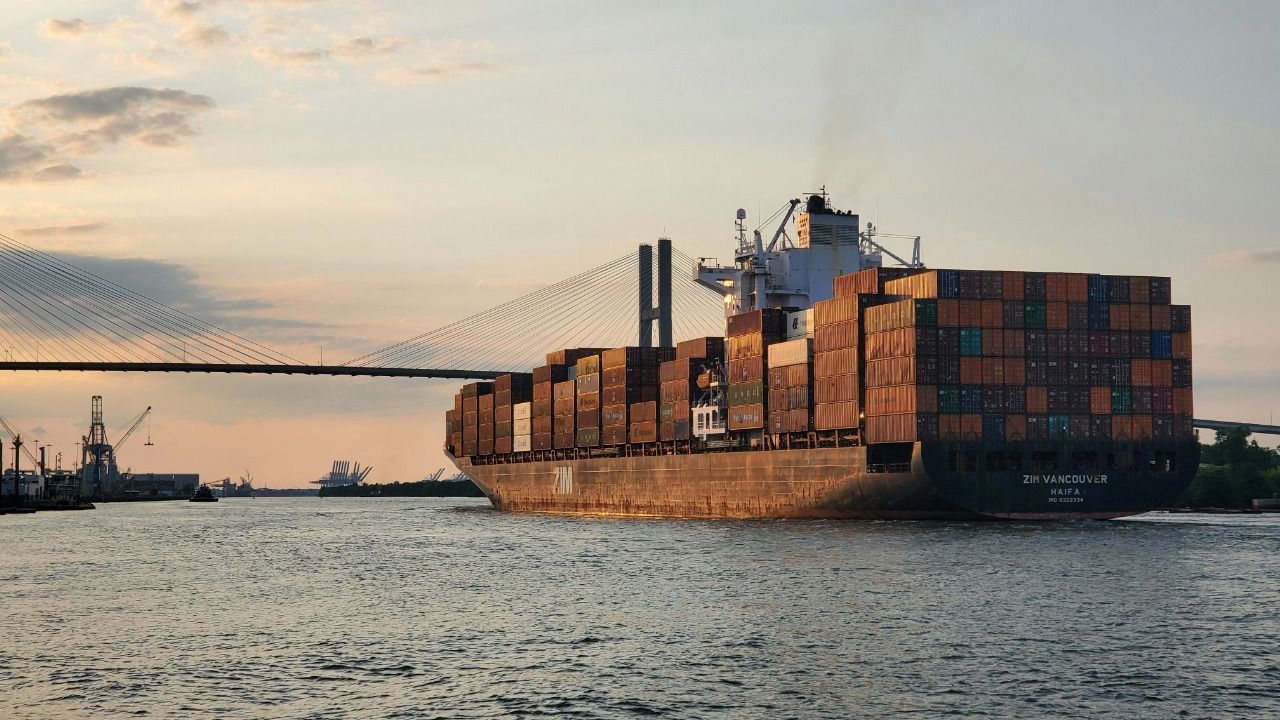
Autonomous shipping is significantly changing the dynamics of global trade. With the ability to operate around the clock and enhanced efficiency, autonomous ships promise to revolutionize global trade by reducing transport times and costs. This, in turn, could lead to an increase in international trade volumes.
One example of the potential benefits of autonomous shipping for international commerce is evident in China’s food systems. The country has been using autonomous shipping to enhance its food security by reducing the cost and increasing the efficiency of maritime transport. More details on this case can be found in this article from the World Economic Forum.
Challenges and Risks Associated with Autonomous Shipping

Despite its apparent benefits, autonomous shipping also poses several challenges. Concerns over safety and regulatory issues have been raised, as well as potential cybersecurity threats. Autonomous ships, being heavily reliant on technology, are susceptible to cyber-attacks, hence the need for robust security measures.
Moreover, given the novelty of autonomous shipping, regulatory frameworks are yet to catch up. The lack of clear guidelines and standards for autonomous ships poses a significant challenge. More on the risks associated with autonomous shipping, including safety concerns and regulatory challenges, can be found in this MarineLink article.
The Future of Autonomous Shipping and Global Trade
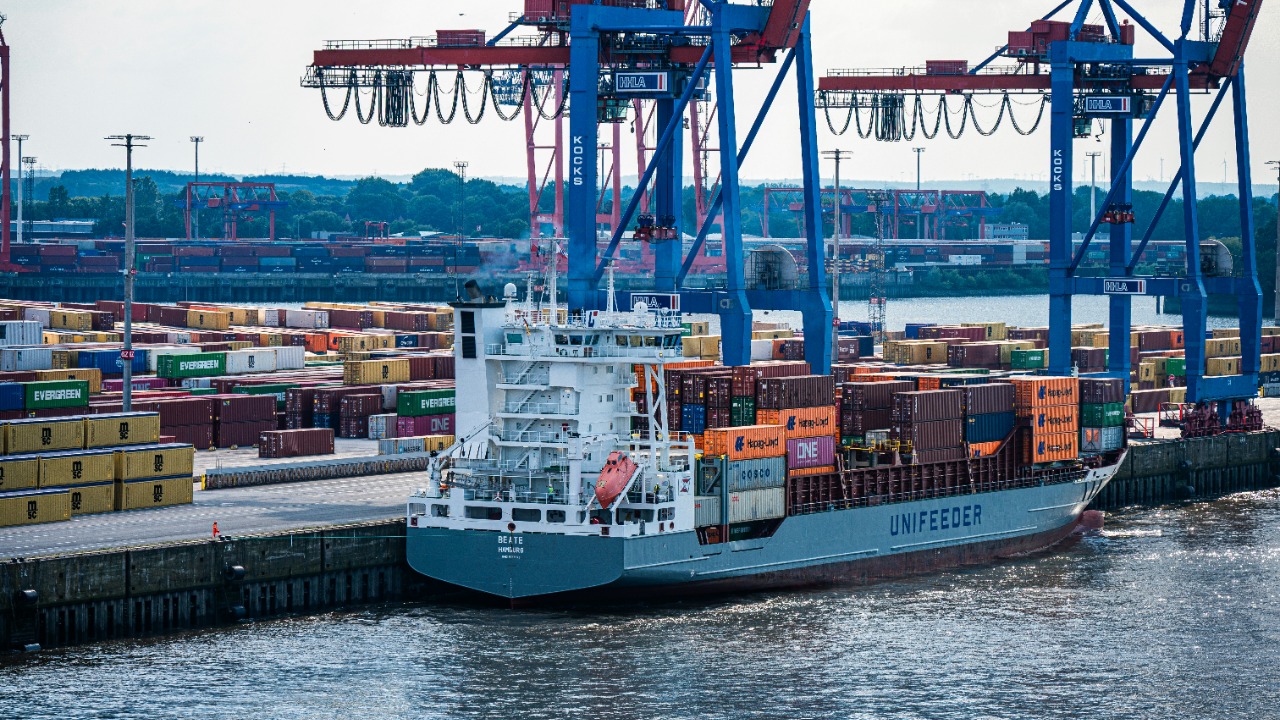
Looking towards the future, autonomous shipping is poised to play an even more significant role in global trade. As technology continues to improve, we can expect to see more efficient and reliable autonomous vessels, which could lead to increased adoption of this technology in the shipping industry.
As more countries and companies recognize the benefits of autonomous shipping, we are likely to see more investment in this field, leading to further advancements and wider adoption. Consequently, autonomous shipping could significantly reshape global trade in the coming years.
Regulation and Policy Framework for Autonomous Shipping

The regulatory landscape for autonomous shipping is still developing. The International Maritime Organization (IMO), for instance, is playing a crucial role in setting the regulatory framework for autonomous ships. However, there are still gaps in the current regulation that need to be addressed to facilitate the wider adoption of autonomous shipping.
Policy improvements are necessary to address these gaps and ensure that the benefits of autonomous shipping are realized while minimizing the associated risks. The IMO’s efforts in this regard, as well as the existing regulatory landscape, are essential areas to explore for anyone interested in the future of autonomous shipping.
