In 1978, a group of Chinese engineers embarked on a pivotal visit to two major US firms, acquiring critical insights into rare earth processing technologies. This exchange of knowledge set the stage for China’s emergence as a dominant force in the global rare earths market. Upon their return, these engineers spearheaded the development of China’s domestic capabilities, transforming the nation into a powerhouse in a sector vital to modern electronics, defense, and renewable energy.
The 1978 Delegation to US Firms
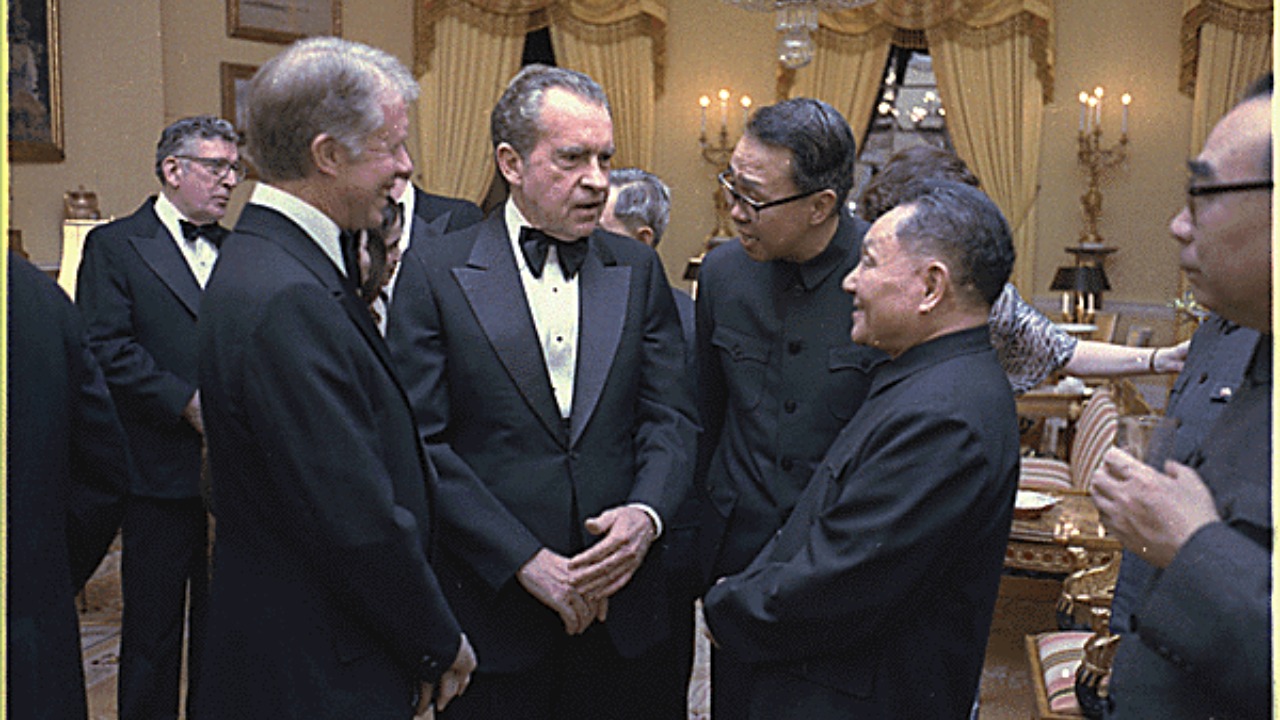
The visit by Chinese engineers to the United States in 1978 was a strategic move during a period of significant economic reform in China. The engineers visited two prominent US firms renowned for their expertise in rare earth extraction and processing. This visit was not merely a tour but a comprehensive learning experience, where the engineers observed advanced technologies and methodologies employed by the US firms. The knowledge gained from this visit was crucial, as it provided the Chinese delegation with a blueprint for developing similar capabilities back home.
During their time in the US, the engineers focused on understanding the intricacies of rare earth processing technologies. They meticulously documented the processes and techniques used by the American firms, which were at the forefront of the industry. This knowledge transfer was pivotal, as it equipped the Chinese engineers with the necessary tools to replicate and innovate upon these technologies once they returned to China. The timing of this visit was also significant, occurring at a moment when China was beginning to open up its economy and was eager to build industrial self-sufficiency.
The delegation’s visit was part of a broader strategy by China to modernize its industrial base and reduce its technological gap with the West. This initiative was in line with the country’s broader economic reforms under the leadership of Deng Xiaoping, who emphasized the importance of learning from advanced economies to spur domestic growth. The engineers were not only focused on technical aspects but also on understanding the management practices and operational efficiencies that characterized successful US firms. This holistic approach ensured that the knowledge transfer was comprehensive, covering both technological and organizational innovations.
Moreover, the visit underscored the importance of international collaboration and exchange in technological advancement. The engineers’ ability to observe and interact with leading experts in the field provided them with insights that went beyond textbooks and theoretical knowledge. This hands-on experience was invaluable, as it allowed them to witness firsthand the application of cutting-edge technologies in real-world settings. The delegation’s efforts were further supported by the Chinese government’s commitment to fostering an environment conducive to technological innovation and industrial growth.
Return and Initial Implementation in China
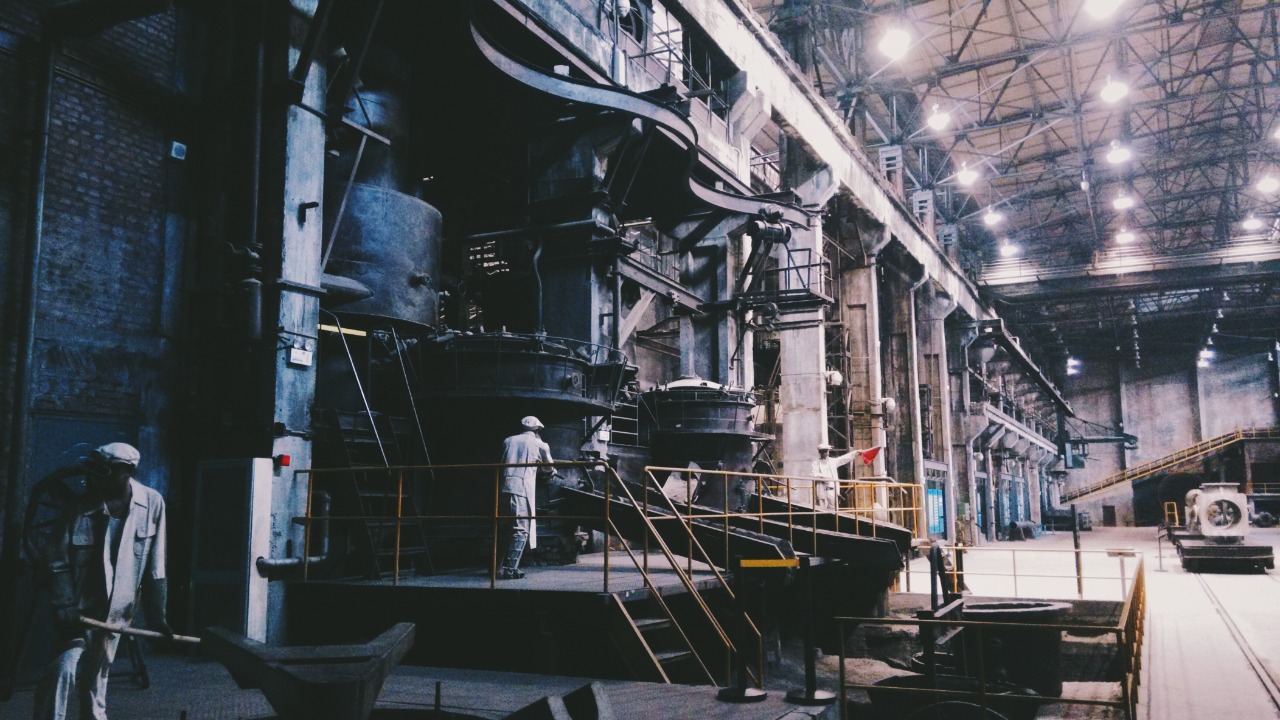
Upon returning to China, the engineers wasted no time in applying the techniques they had learned during their visit to the US. They initiated efforts to establish early rare earth operations, laying the groundwork for what would become a burgeoning industry. The replication of US firm methods was a critical step in this process, as it allowed China to quickly develop its own rare earth processing capabilities. This period marked the birth of China’s rare earths empire, supported by state-backed initiatives in mining and refining.
The immediate post-return efforts were characterized by a concerted push to implement the advanced technologies observed in the US. The Chinese government played a significant role in supporting these efforts, recognizing the strategic importance of rare earths in various industries. As a result, China was able to rapidly scale up its production capabilities, setting the stage for its eventual dominance in the global rare earths market.
The engineers’ return to China marked the beginning of a transformative era in the country’s industrial landscape. They were instrumental in setting up the first rare earth processing facilities, which were strategically located in regions rich in rare earth deposits. These initial facilities served as pilot projects that demonstrated the feasibility and potential of large-scale rare earth production in China. The success of these projects attracted further investment and interest from both the government and private sector, leading to rapid expansion and technological advancement in the industry.
In addition to technological replication, the engineers also focused on adapting the processes to suit local conditions and resources. This adaptability was crucial in overcoming initial challenges related to resource extraction and processing. The engineers’ ability to innovate and improve upon the technologies they had learned abroad was a testament to their ingenuity and dedication. Their efforts laid the foundation for a robust rare earths industry that would eventually position China as a global leader in this critical sector.
Building the Rare Earths Empire
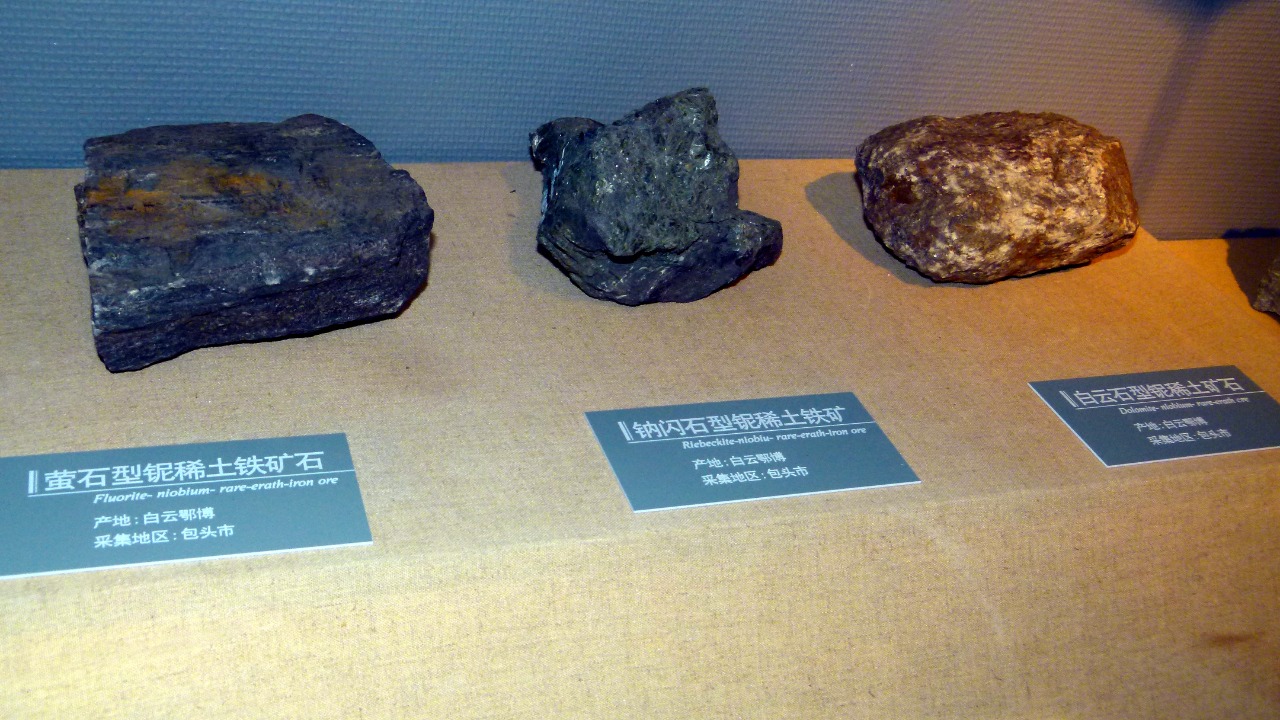
The outcomes of the 1978 visit fueled a remarkable expansion of China’s rare earths production. By the 1990s, China had transformed into a global leader in the sector, leveraging the knowledge and techniques acquired from the US firms. Key milestones in this growth included significant increases in output and market control, which were directly linked to the engineers’ successful adoption of advanced technologies. This transformation was not only a testament to China’s industrial capabilities but also highlighted the long-term impact of the US firms’ influence.
China’s rise in the rare earths industry was marked by strategic investments and policy decisions that prioritized the development of this sector. The country’s ability to control a significant portion of the global supply chain underscored the effectiveness of the strategies implemented following the 1978 visit. This dominance has had lasting implications, reshaping the dynamics of the global rare earths market and challenging the traditional dependencies of Western nations.
Global Implications of China’s Rare Earths Rise
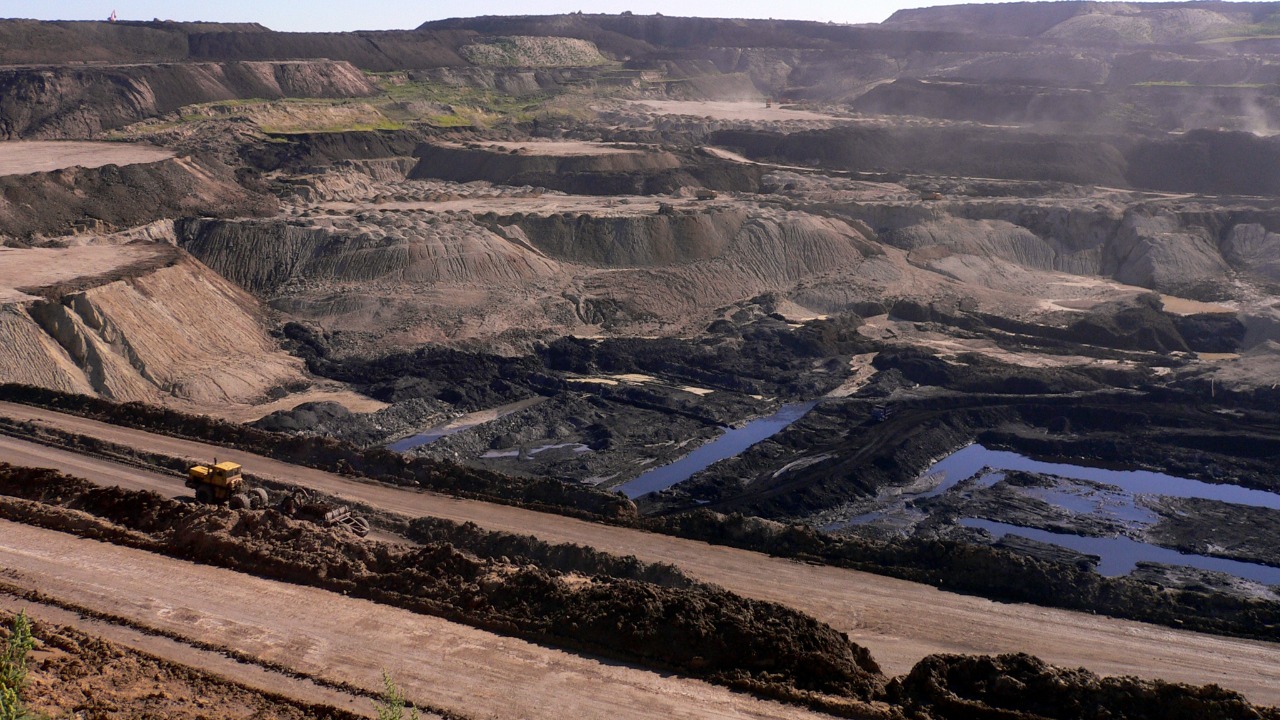
The shift in global rare earths supply dynamics following China’s rise has been profound. As China established itself as a dominant player, it challenged the dependencies of the US and other Western nations on rare earths. This shift has prompted a reevaluation of supply chains and has led to increased efforts by other countries to diversify their sources of rare earths. The geopolitical implications of China’s dominance in this sector are significant, as rare earths are critical components in a wide range of technologies.
Current tensions surrounding China’s rare earths empire include concerns over export controls and the strategic use of these resources in international relations. As countries seek to mitigate their reliance on Chinese rare earths, there is a growing emphasis on developing alternative sources and technologies. This ongoing dynamic highlights the enduring impact of the 1978 visit and the strategic foresight of the Chinese engineers who laid the foundation for China’s rare earths empire. For more detailed insights, you can read the full article on MSN.
