
The B-21 Raider represents a significant leap in military aviation technology, blending advanced stealth capabilities with cutting-edge electronic systems. As the world catches its first glimpses of this next-generation bomber, attention turns to the hidden technologies that enable its superior performance and adaptability in modern warfare.
Advanced Stealth Technology
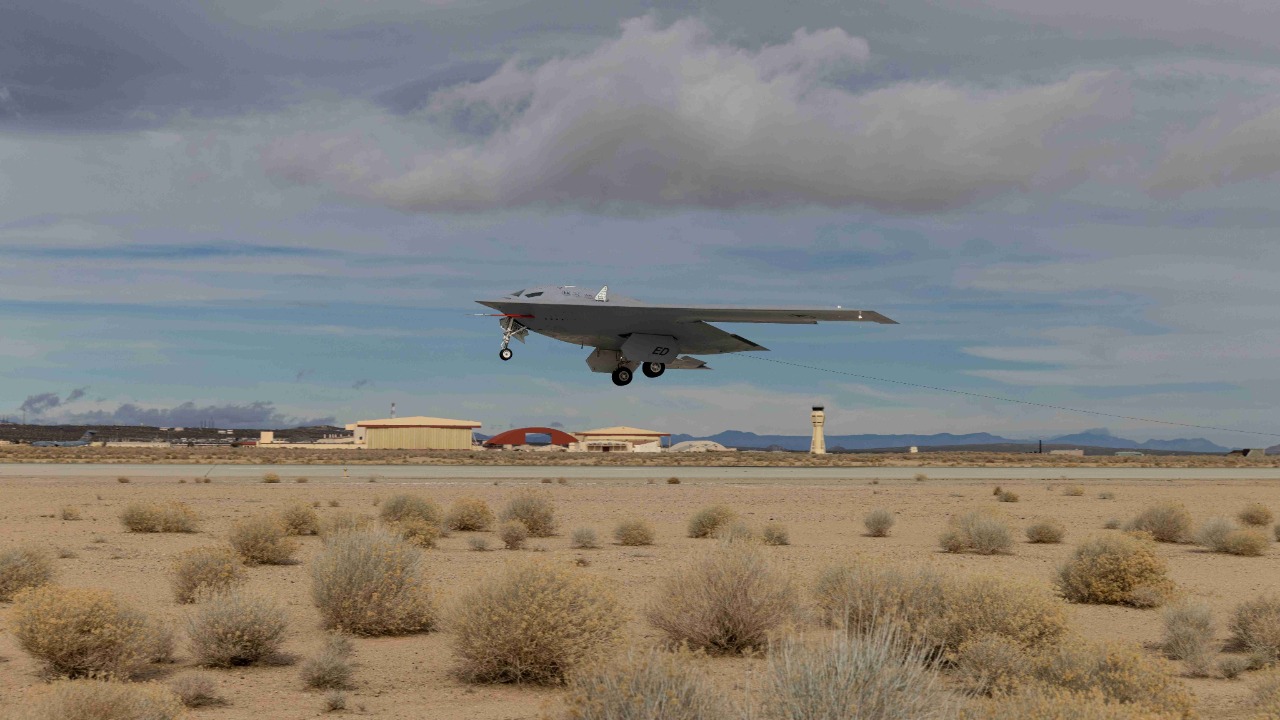
The B-21 Raider’s stealth capabilities are largely attributed to its innovative design and construction materials. The unique shape of the aircraft is optimized for evading radar detection, featuring smooth, sweeping lines that reduce its radar cross-section. These design innovations are complemented by the use of composite materials that further enhance its stealth profile. By minimizing sharp edges and reflective surfaces, the B-21 achieves an unprecedented level of stealth, making it a formidable asset in any combat scenario.
Central to the B-21’s stealth prowess is its advanced radar absorption technology. The aircraft is coated with specialized materials that absorb radar waves rather than reflecting them, effectively rendering it invisible to enemy detection systems. This radar-absorbing coating is a critical component of the B-21’s ability to penetrate hostile airspace undetected. Additionally, the B-21 employs techniques to reduce its thermal signature, such as managing heat emissions from engines and other sources. This further diminishes its detectability, allowing it to operate in environments where traditional aircraft might be easily spotted.
Next-Generation Avionics

The B-21 Raider is equipped with a sophisticated avionics suite that integrates navigation, targeting, and communication systems to enhance mission efficiency. This integrated system allows for seamless operation and coordination across various mission parameters, ensuring the aircraft can adapt to rapidly changing combat conditions. The avionics suite is designed to provide pilots with all necessary information while minimizing the cognitive workload, allowing them to focus on mission-critical tasks.
Artificial intelligence (AI) and machine learning play a pivotal role in the B-21’s operational capabilities. These technologies are leveraged to enhance decision-making processes and improve overall mission effectiveness. By analyzing vast amounts of data in real-time, AI systems can assist pilots in making informed decisions, optimizing flight paths, and identifying potential threats. Furthermore, robust cybersecurity measures are implemented to protect the B-21’s advanced systems from potential cyber threats, ensuring the integrity and reliability of its operations.
Autonomous and Manned Capabilities
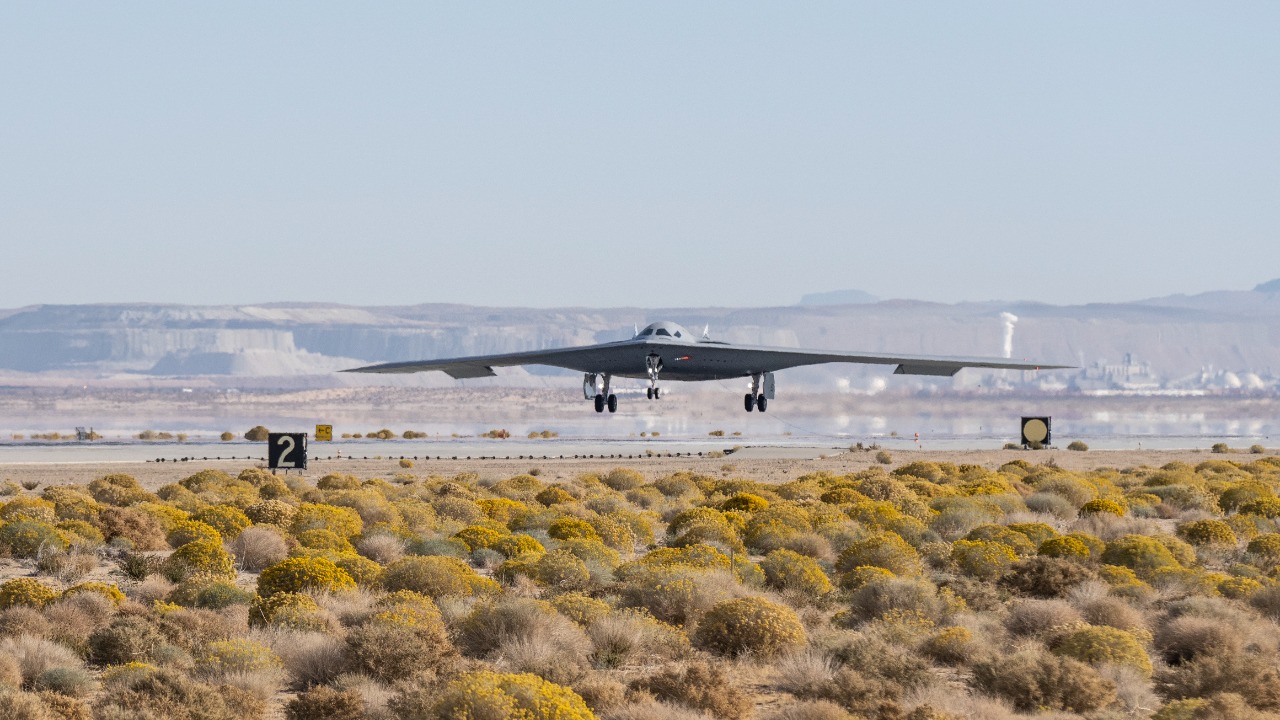
The B-21 Raider is designed with dual-mode operation capabilities, allowing it to function both autonomously and with a human pilot. This flexibility is crucial in adapting to various mission scenarios, where the presence of a pilot might be advantageous or unnecessary. The ability to switch between modes ensures that the B-21 can undertake a wide range of missions, from surveillance to strategic strikes, without compromising on performance or safety.
Advanced pilot support systems are integrated into the B-21 to assist with decision-making and reduce workload during complex missions. These systems provide real-time data and analytics, helping pilots to make timely and accurate decisions. The potential for remote operation is another intriguing aspect of the B-21’s design. While currently not fully realized, the technology for remote-controlled operations is rapidly advancing, suggesting a future where the B-21 could be operated entirely from a distance, offering new possibilities for strategic military operations.
Adaptive Weapons Systems

The B-21 Raider’s adaptive weapons systems are a testament to its versatility in combat scenarios. Designed with modular payload bays, the B-21 can quickly adapt to various mission requirements by accommodating different types of munitions. This modularity allows for rapid reconfiguration, ensuring the aircraft is always prepared for the task at hand. The integration of advanced precision-guided munitions further enhances its effectiveness, providing the flexibility needed to engage targets with high accuracy.
In addition to its conventional armament, the B-21 is equipped with state-of-the-art electronic warfare capabilities. These systems are designed to disrupt enemy communications and radar, providing a tactical advantage by impairing the enemy’s ability to coordinate and respond. By employing both offensive and defensive electronic warfare measures, the B-21 can operate in contested environments with a higher degree of safety and effectiveness.
Sustainability and Maintenance
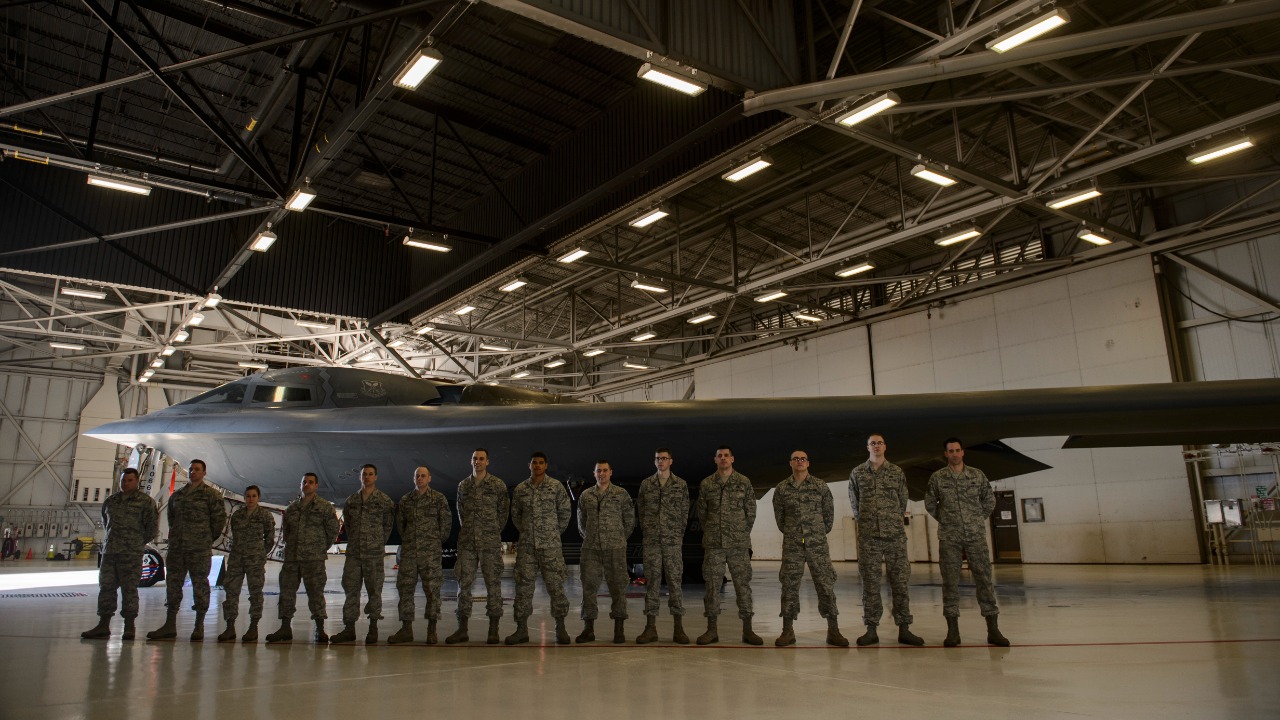
The B-21 Raider is engineered with durability and longevity in mind, utilizing materials and design considerations that ensure its resilience in service. The choice of construction materials not only enhances its stealth capabilities but also contributes to the aircraft’s overall durability. This focus on longevity is critical for maintaining the B-21’s operational readiness and ensuring it remains a viable component of the military’s strategic arsenal for years to come.
Maintenance innovations play a crucial role in reducing downtime and streamlining efforts to keep the B-21 in peak condition. Advances in diagnostics and automated maintenance processes allow for quicker turnaround times and more efficient repairs. This approach significantly reduces the overall lifecycle costs of the aircraft, making it a cost-effective option for military forces. As a result, the B-21 not only meets the operational demands of modern warfare but does so in a manner that is economically sustainable.
Global Strategic Impact
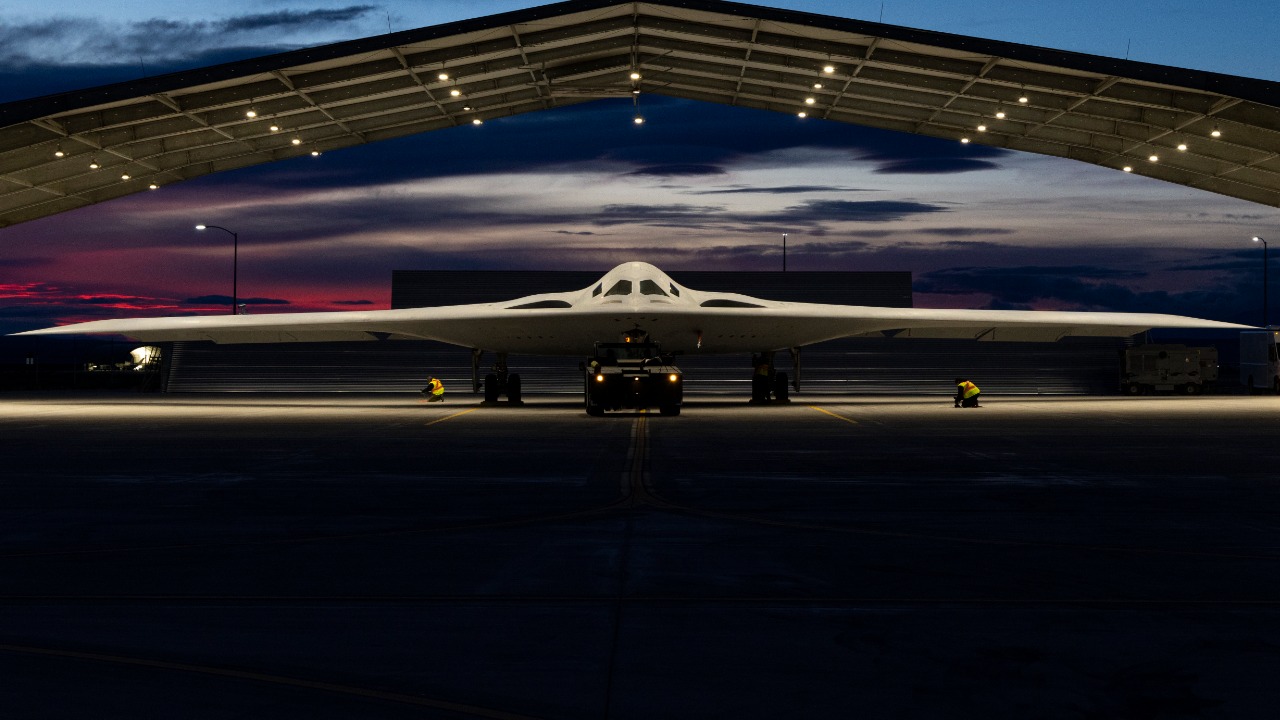
The introduction of the B-21 Raider into the military’s arsenal has significant implications for global strategic balance. Its advanced capabilities serve as a powerful deterrent to potential adversaries, reinforcing national defense postures and enhancing overall security. As a key component of the military’s strategic bomber fleet, the B-21 plays a pivotal role in deterrence and defense strategies, providing a credible threat that can be deployed swiftly and effectively.
The potential for the B-21 to integrate into allied military operations is another factor that underscores its global strategic impact. By collaborating with allied forces, the B-21 can enhance military cooperation and interoperability, strengthening defense alliances worldwide. Looking to the future, the technological advancements embodied in the B-21 Raider are likely to influence the development of future military aviation platforms, shaping strategies and tactics in the coming decades.
