Our planet is a treasure trove of mysteries, with many areas still unexplored by scientists. From the frozen depths of Antarctica to the mysterious underwater sinkholes of Mexico, these eight locations continue to puzzle us with their inaccessibility and enigmatic features.
The Depths of Antarctica: Unveiling the Frozen Mystery
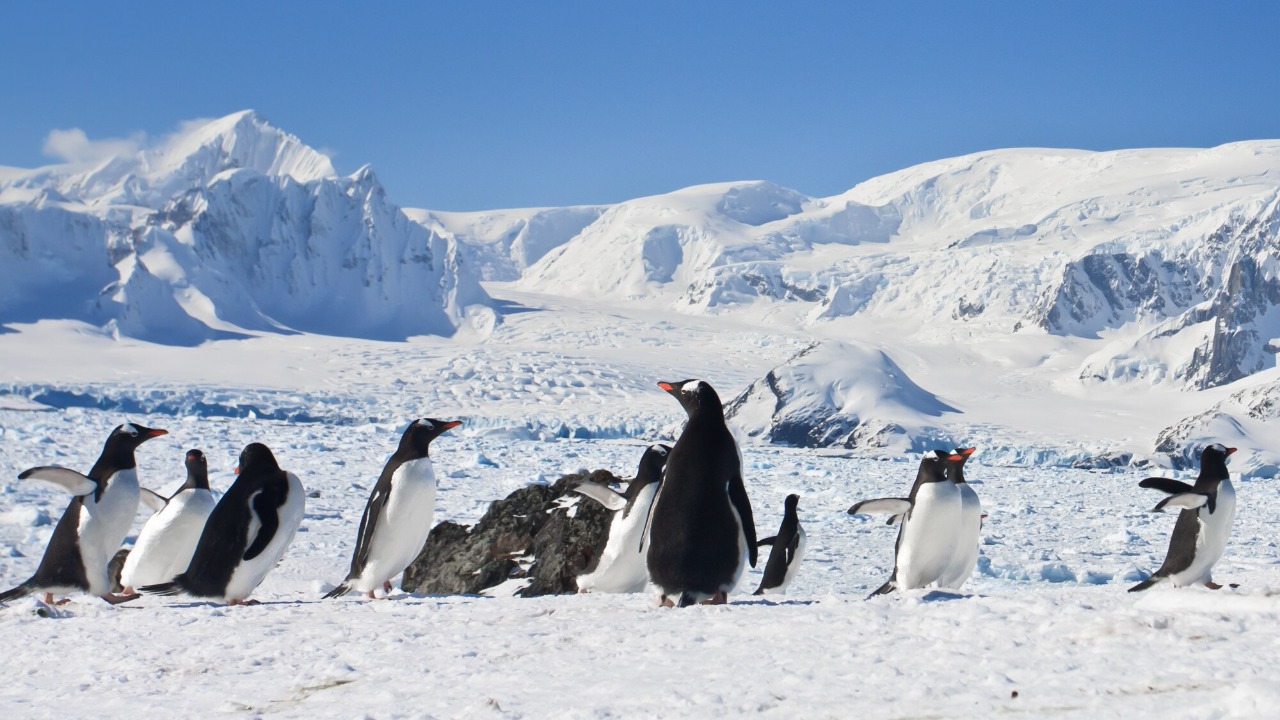
Antarctica, the coldest continent on Earth, remains a mystery due to its harsh and inhospitable conditions. Beneath the ice sheets, there are hidden lakes and vast terrains yet to be fully explored. Scientists believe that these subglacial ecosystems could provide insights into extraterrestrial life. Unfortunately, the extreme cold and remote location make scientific exploration challenging.
For example, Lake Vostok, one of the largest subglacial lakes in Antarctica, has been under the ice for millions of years. Its exploration could shed light on life forms that can survive extreme conditions.
Son Doong Cave, Vietnam: The Largest Cave Known to Man
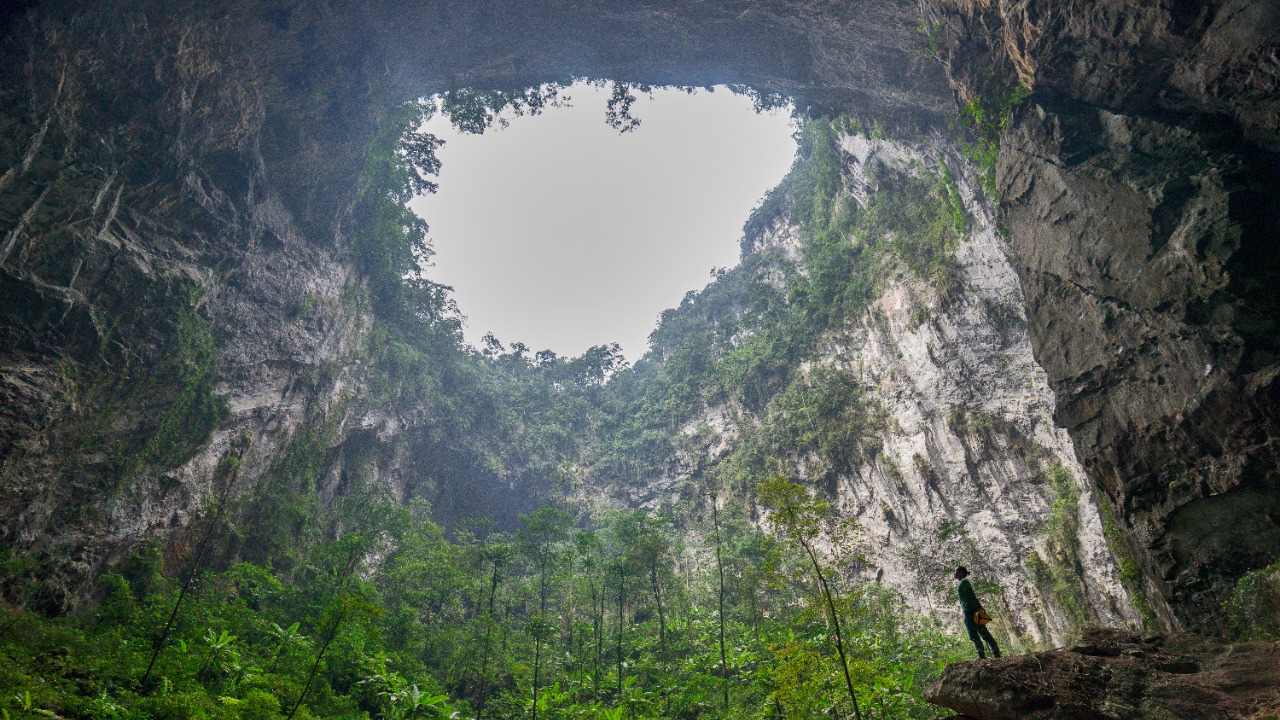
Son Doong Cave, discovered in 2009, is the world’s largest cave. Despite its size, much of it remains unexplored due to its challenging terrain which includes fast-flowing rivers and towering stalagmites. The cave contains its own ecosystem, with lush forests and diverse wildlife, making it a fascinating subject for scientific study.
However, limited access, conservation concerns, and the technical difficulties of exploring such a vast and complex system make full exploration a daunting task. Only a few have been able to venture deep into Son Doong.
The Siberian Sakha Republic: The Unexplored Siberian Craters
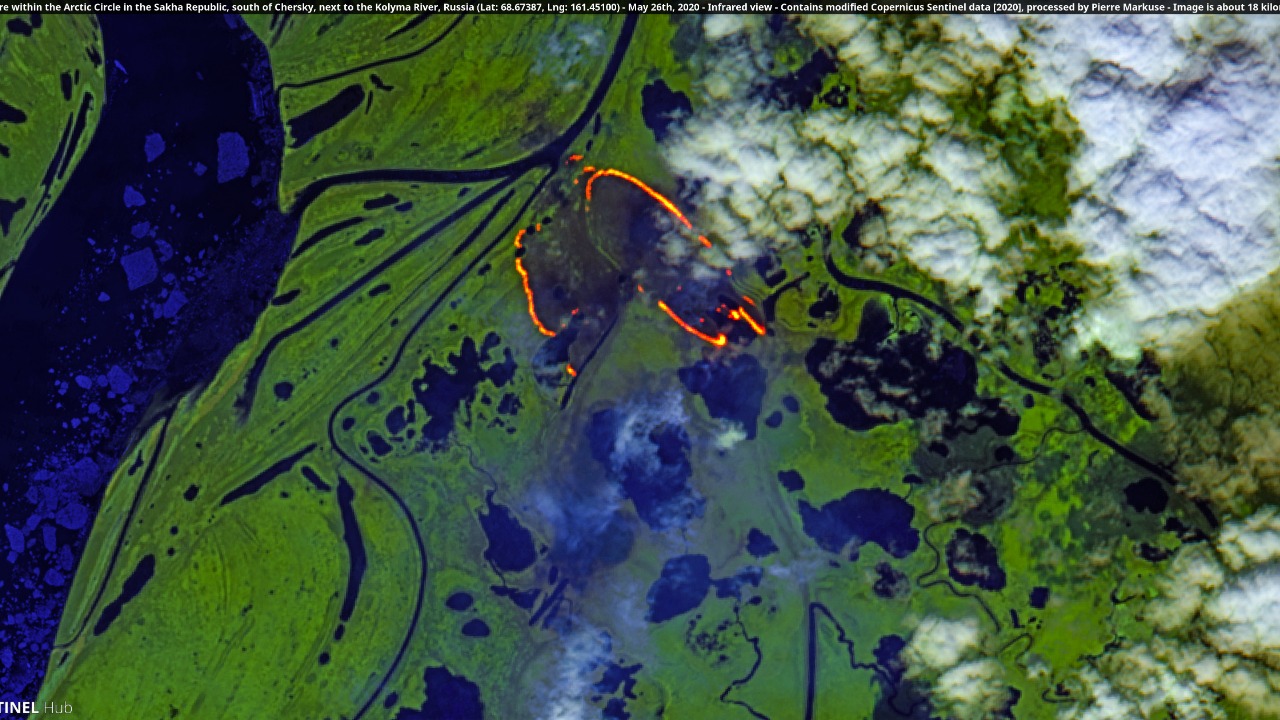
The Siberian Sakha Republic is home to a series of mysterious craters. These craters, first spotted by helicopter pilots, have puzzled scientists with their sudden appearance. The largest crater, known as the Yamal crater, is over 20 meters wide and appears to have been formed by an underground explosion.
Despite numerous theories, the exact cause of these craters is still unknown. The remote location and harsh Siberian winters have made scientific exploration and study difficult. More research is needed to understand these phenomena better.
The Mariana Trench: The Deepest Point of the Ocean
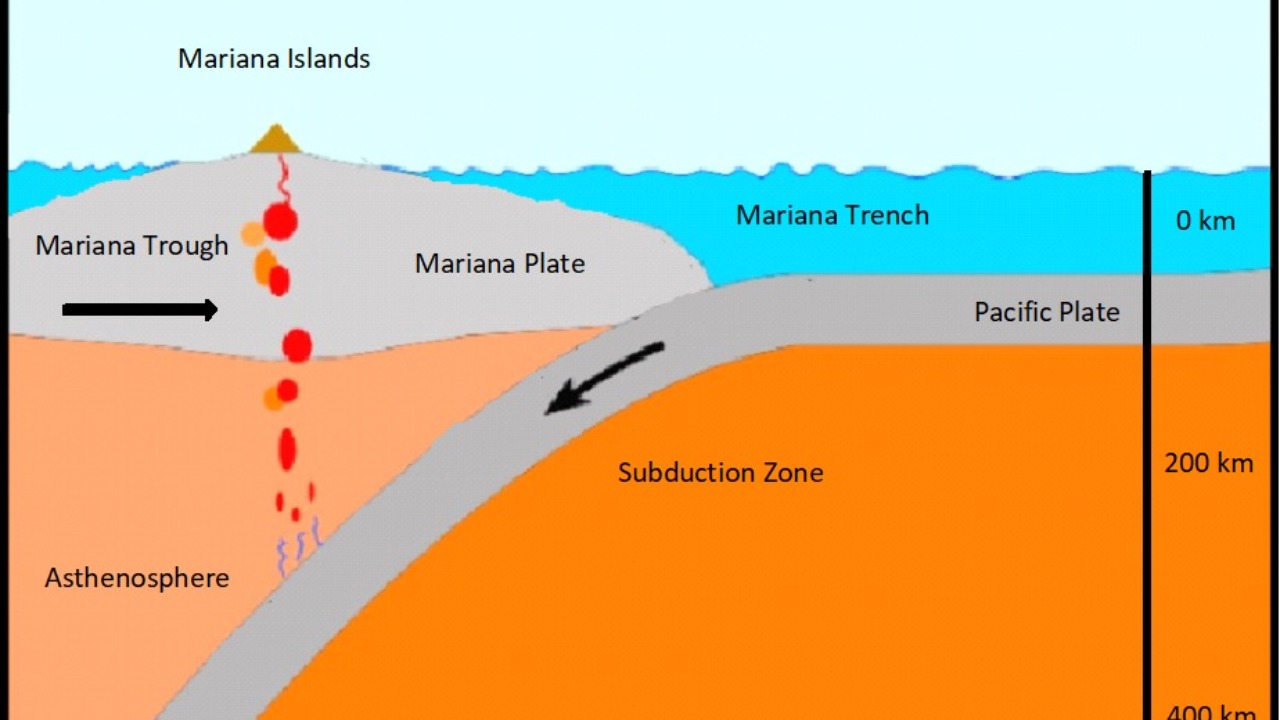
The Mariana Trench, located in the western Pacific Ocean, is the deepest part of the world’s oceans. Despite advances in technology, exploring this trench remains a challenge due to extreme pressure, low temperatures, and a lack of light. The trench is home to numerous unique lifeforms, many of which have yet to be discovered.
Only a handful of manned missions have been able to descend to the Challenger Deep, the trench’s lowest point. Each mission unveils new species and geological features, illustrating how much we still have to learn about this underwater frontier.
The Amazon Rainforest: The Untouched Biodiversity Hotspot
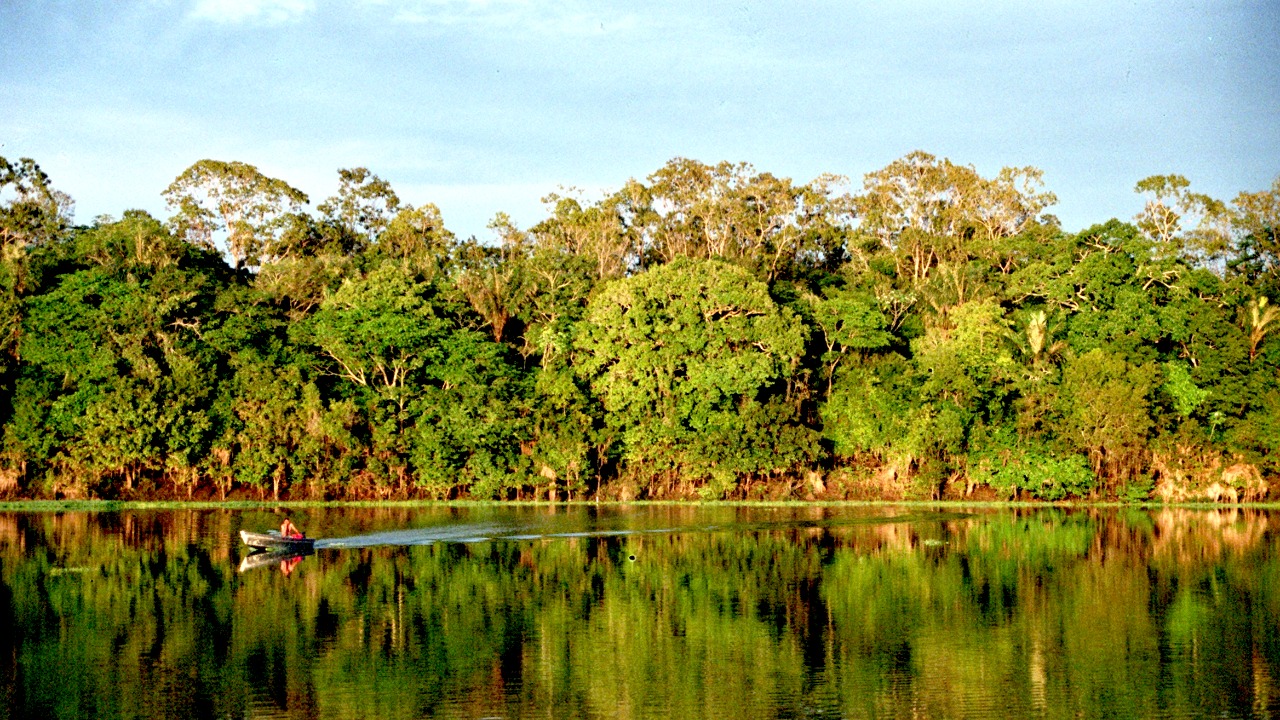
The Amazon rainforest, often referred to as the “lungs of the Earth,” is one of the world’s most important biodiversity hotspots. Despite covering only 6% of the Earth’s surface, it hosts more than half of the world’s plant and animal species.
However, the Amazon’s dense vegetation, vast size, and challenging terrain make it difficult for scientists to fully explore. Many species are believed to be undiscovered, and the continuous threat of deforestation adds urgency to these exploration efforts.
Yucatan Cenotes, Mexico: The Mysterious Underwater Sinkholes
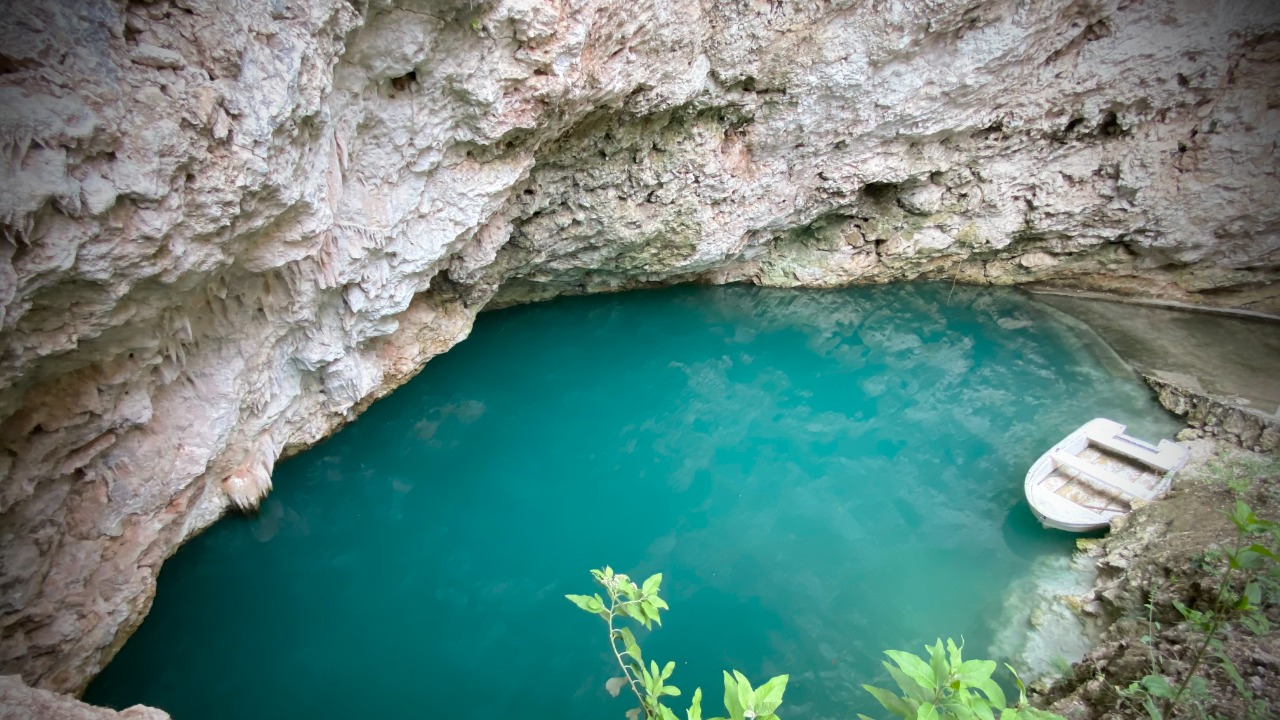
The Yucatan Peninsula in Mexico is known for its cenotes, natural sinkholes that expose groundwater underneath. These cenotes are part of vast, interconnected underwater cave systems that are incredibly difficult to explore.
Despite the challenges, these underwater caves are of significant interest to scientists. They offer a glimpse into the region’s geological past and are known for their unique ecosystems. However, the technical challenges of underwater cave exploration have limited our understanding of these fascinating systems.
Tsingy de Bemaraha National Park, Madagascar: A Labyrinth of Stone
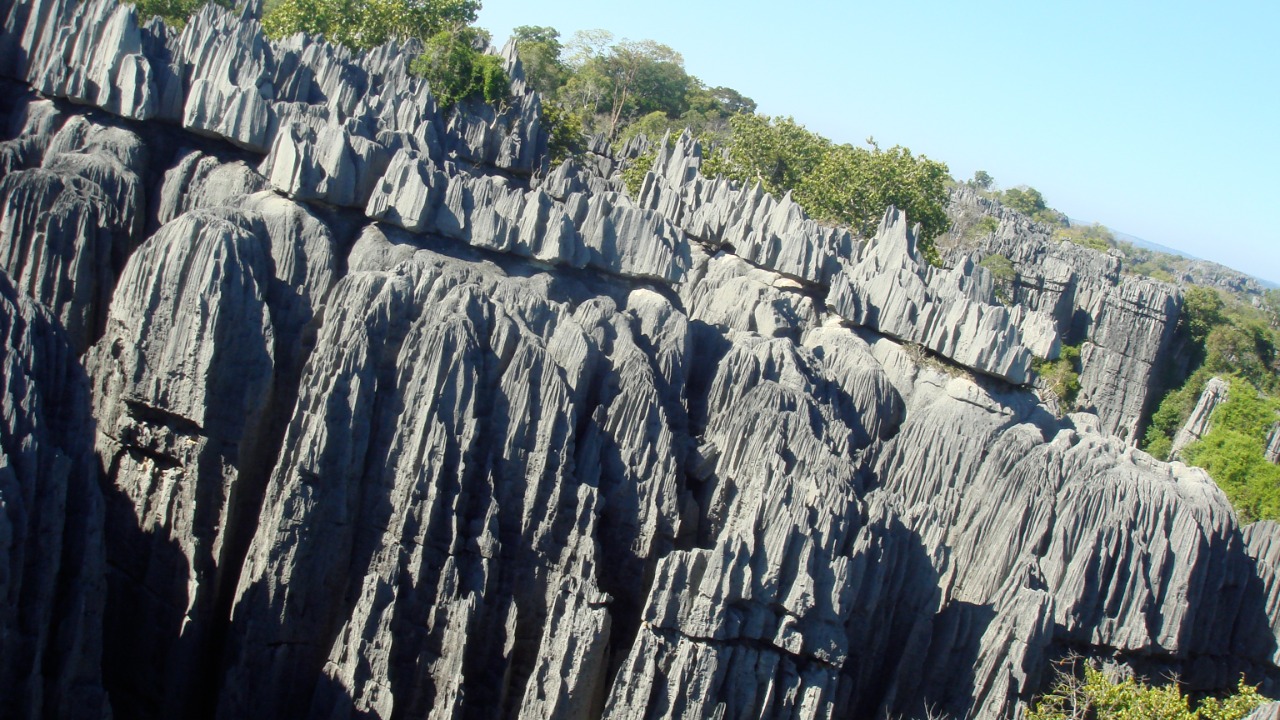
Tsingy de Bemaraha National Park in Madagascar is known for its unique limestone formations. These ‘stone forests’ create a labyrinthine landscape that is almost impenetrable, making scientific study difficult.
Despite the challenging terrain, the park is a biodiversity hotspot, hosting many species unique to Madagascar. The difficulty of navigating the park has left much of it unexplored, with many species likely undiscovered.
Mount Everest’s Death Zone: The Unconquerable Summit
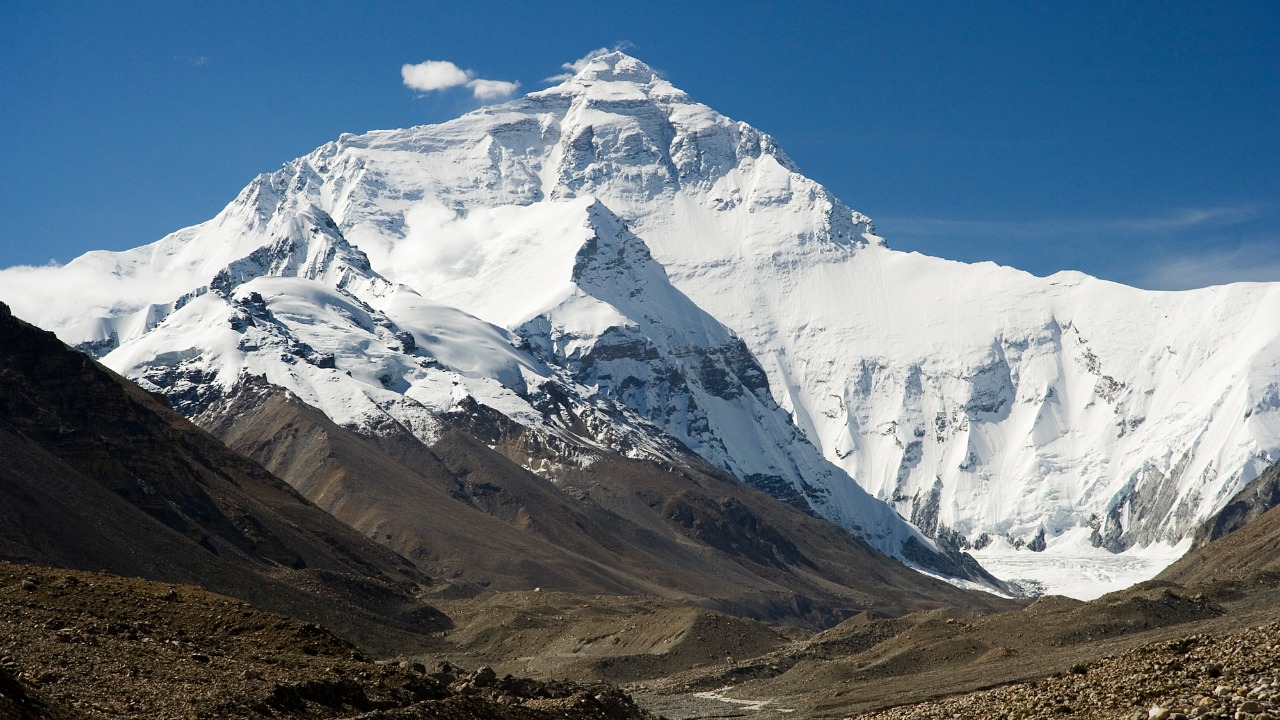
Mount Everest’s Death Zone, above 8,000 meters, is one of the most inhospitable places on Earth. The thin air, harsh weather, and challenging terrain make survival difficult, let alone scientific exploration.
Despite the risks, Mount Everest continues to draw scientists interested in studying high-altitude physiology and the impacts of climate change on glaciers. However, the harsh conditions limit the possibilities of exploration and research in this high-altitude environment.
