Recent advancements in Mars exploration have unveiled the existence of hidden caves on the Red Planet. Scientists are now actively mapping these subterranean structures, which may hold clues to Mars’ past, present, and potential for future human habitation.
The Discovery of Martian Caves
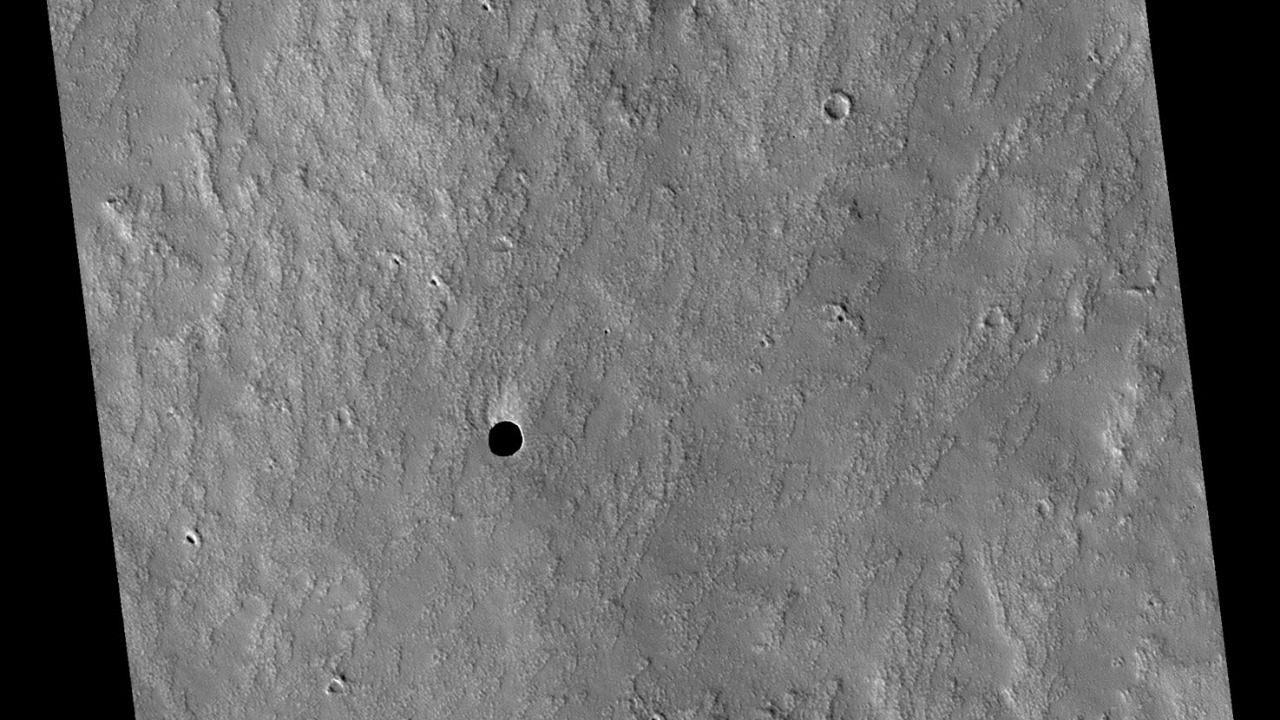
The discovery of caves on Mars marks a significant milestone in the ongoing exploration of the Red Planet. Initial findings stemmed from various exploration missions that aimed to understand Mars’ surface and geological features. These missions utilized advanced satellite imagery and remote sensing technologies to identify potential cave entrances, appearing as dark, shadowy spots on the Martian surface. The detection of these mysterious openings has fueled scientific curiosity and spurred further investigation.
Satellite images have played a crucial role in this discovery phase. Instruments like the Mars Reconnaissance Orbiter’s HiRISE camera have provided high-resolution images that allow scientists to pinpoint the locations of cave entrances with remarkable precision. These images, coupled with data from remote sensing, have enabled the identification of numerous potential cave sites across the Martian landscape. The significance of these caves lies in their potential to offer insights into Mars’ geological and climatic history, as they may preserve evidence of past environmental conditions.
Technological Advances in Mapping
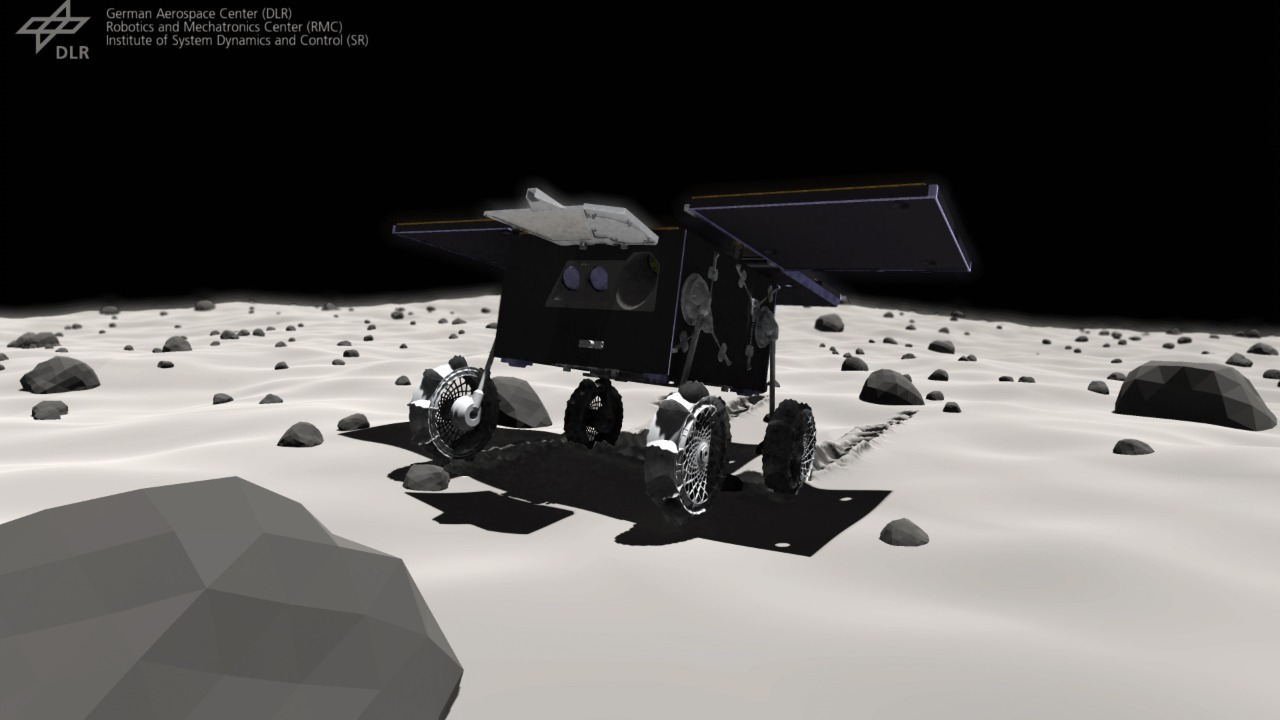
Mapping the hidden caves of Mars requires cutting-edge technology, as these subterranean structures present unique challenges. High-resolution imaging and radar technology have become indispensable tools for scientists seeking to map these enigmatic spaces. The radar technology, in particular, can penetrate the surface to reveal the internal structures of the caves, providing valuable data for creating detailed maps.
Autonomous drones and rovers are being designed to navigate and map the interiors of these caves. Equipped with advanced sensors and navigation systems, these robotic explorers can enter the caves and gather data that would be challenging to obtain otherwise. However, there are challenges and limitations with current technology, including difficulties in maintaining communication with the surface and navigating the often irregular and cramped cave environments. Despite these hurdles, the potential rewards of successful mapping are immense, as they could unlock new understandings of Mars’ geology and potential habitability.
The Scientific Importance of Martian Caves

Martian caves hold significant scientific importance, primarily due to their potential to preserve evidence of past microbial life. On Earth, caves provide stable environments that can protect life from harsh surface conditions. Similarly, Martian caves may have shielded past life forms from the planet’s extreme temperatures and radiation, making them prime targets for astrobiological research.
Beyond the search for life, these caves offer a window into Mars’ geological evolution and water history. The presence of certain minerals and formations within the caves can provide clues about the planet’s climatic changes and the presence of liquid water in its history. Additionally, studying the caves’ microclimates can help scientists understand Mars’ atmospheric conditions over time, offering insights into how the planet’s environment has evolved.
Implications for Human Exploration
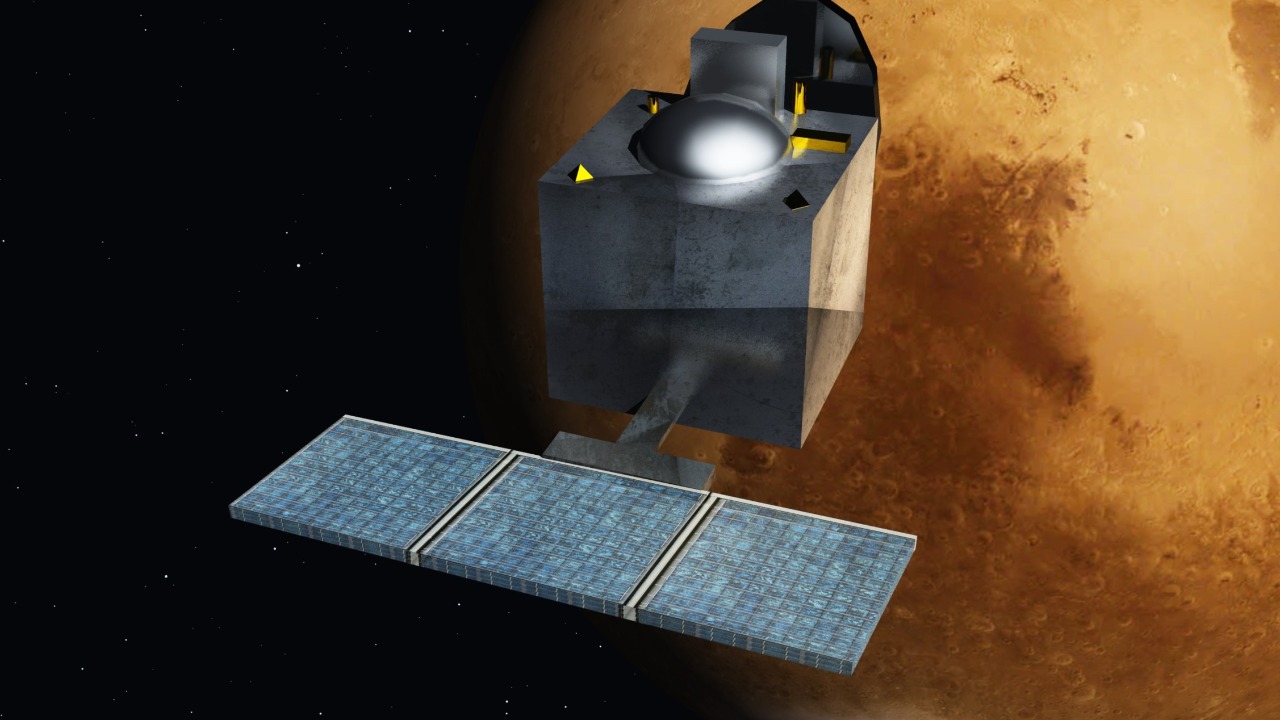
For future human exploration, Martian caves present both opportunities and challenges. As potential habitats, these caves offer natural protection from the radiation and extreme temperatures that characterize the Martian surface. This makes them attractive candidates for future human colonists seeking shelter and safety on Mars.
However, accessing and utilizing these cave systems is fraught with challenges. The logistics of entering and navigating these caves, along with the need to establish life-support systems in such environments, require innovative solutions and technologies. The caves also provide a unique opportunity to test life-support systems and other technologies essential for long-duration missions, potentially serving as testing grounds for the systems that will support future human settlers on Mars.
Future Missions and Collaborative Efforts
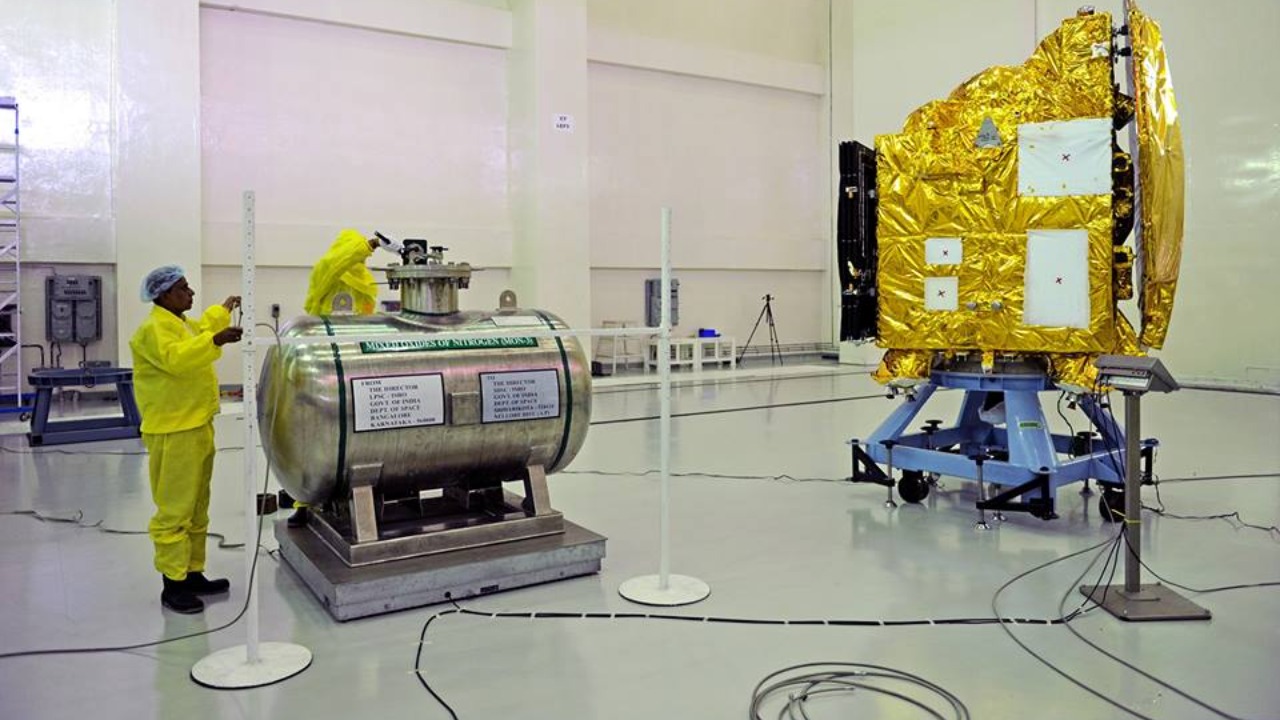
Looking ahead, several missions are planned to further explore and map Martian caves. These missions aim to enhance our understanding of Mars’ subterranean environment and assess its suitability for future human habitation. The success of these missions will depend heavily on international collaboration, as pooling resources and expertise can accelerate advances in technology and exploration strategies.
The findings from Martian caves could play a pivotal role in shaping future exploration strategies and mission planning. As scientists continue to uncover the secrets held within these hidden structures, they are likely to influence how we approach the exploration of Mars and other planetary bodies. Collaborative efforts will ensure that the knowledge gained is shared globally, advancing our collective understanding of the universe and our place within it.
