An asteroid, aptly dubbed “sneaky,” recently made a close pass by Earth, zooming past Antarctica at a distance closer than many orbiting satellites. This unexpected approach went unnoticed by astronomers until hours after its closest point, highlighting significant gaps in the current detection systems. The event, reported on October 6, 2025, underscores the challenges of monitoring near-Earth objects, particularly in remote regions like the Southern Hemisphere (Live Science).
The Asteroid’s Unexpected Path
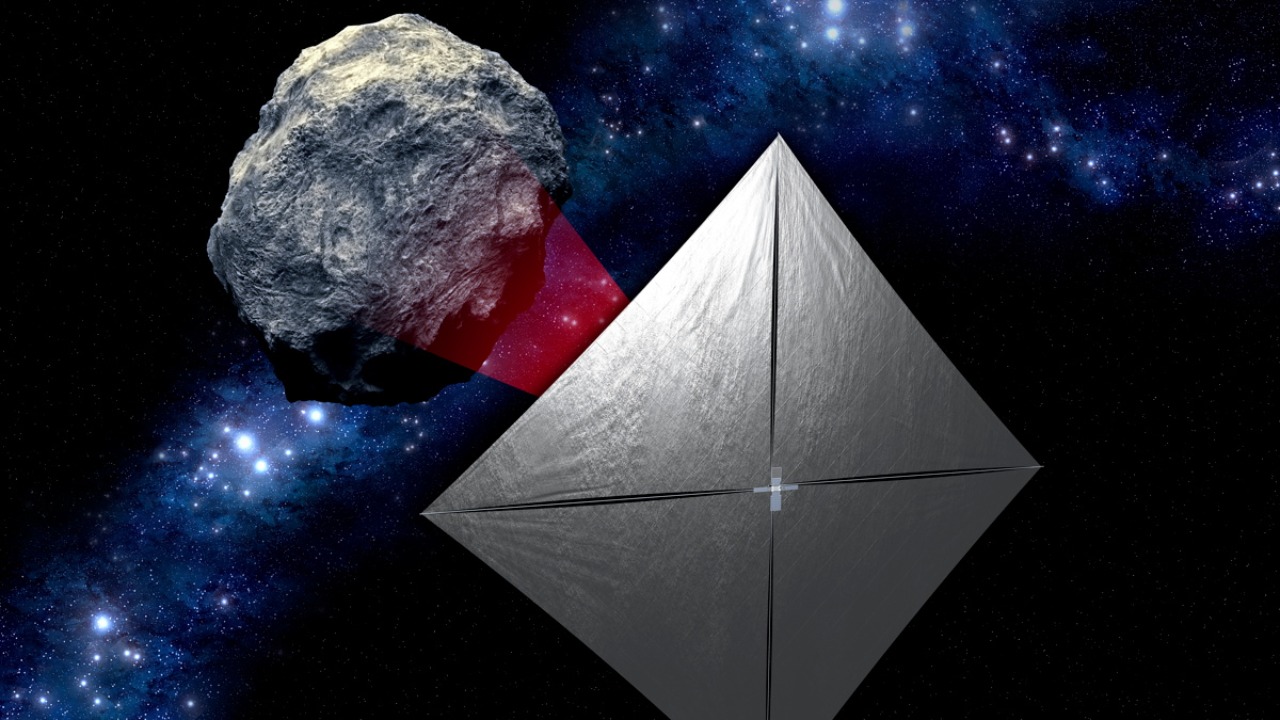
The asteroid’s trajectory took it over the remote polar region of Antarctica, a path that contributed significantly to the delay in its detection. Its southern route, combined with the inherent difficulties of observing objects approaching from the direction of the Sun, made early spotting challenging. Post-detection analysis revealed that the asteroid was not classified as potentially hazardous, yet its proximity warranted attention. The asteroid’s size and speed were significant enough to merit tracking, illustrating the need for improved monitoring systems in these less-observed areas (Live Science).
Asteroids approaching from polar areas or the Sun’s direction are notoriously difficult to detect early. This is due to the limited telescope coverage and the challenges posed by the bright sunlight that can obscure smaller objects. The “sneaky” asteroid’s path over Antarctica exemplifies these difficulties, as the region’s sparse observational infrastructure often leaves such areas as blind spots in global asteroid monitoring efforts.
In addition to its challenging trajectory, the asteroid’s small size contributed to its stealthy approach. Smaller asteroids, often less than a few hundred meters in diameter, can be particularly elusive, as they reflect less sunlight and are harder to detect against the vastness of space. This incident highlights the need for enhanced detection capabilities that can identify smaller objects before they come close to Earth. The development of more sensitive telescopes and radar systems could improve early detection rates, allowing astronomers to better predict and track these smaller, yet potentially dangerous, near-Earth objects.
Proximity Closer Than Satellites

The asteroid’s closest approach brought it nearer to Earth than many satellites, which typically orbit at altitudes ranging from 160 to 2,000 kilometers. This close encounter highlights the potential risks such objects pose to space traffic, especially if they come even closer to operational satellites. The asteroid’s path was closer than the orbits of satellites monitoring Antarctica, underscoring the need for vigilant tracking systems to prevent potential interference with these critical assets (Live Science).
Examples of satellites in similar orbits include those tasked with environmental monitoring and climate research over the Antarctic region. The asteroid’s unexpected proximity to these satellites raises concerns about the safety and reliability of space traffic management, emphasizing the importance of early detection and tracking to mitigate collision risks.
The close pass of the asteroid also serves as a reminder of the dynamic and crowded nature of Earth’s orbital environment. With thousands of satellites currently in orbit, the potential for collisions with natural space objects is an ongoing concern. The integration of advanced tracking systems and international cooperation in space traffic management are crucial to safeguarding these assets. By improving coordination between space agencies and private satellite operators, the risk of collision with asteroids or other debris can be minimized, ensuring the continued functionality of vital satellite services.
Hours-Long Detection Delay

Astronomers only detected the asteroid hours after its closest approach, a delay that highlights the limitations of current ground-based telescopes and surveys. Detection occurred post-perihelion, when the asteroid was already moving away from Earth. Observatories, including those part of the International Asteroid Warning Network, played a role in the late detection, using specific instruments to confirm the asteroid’s non-threatening status after the delay (Live Science).
The timeline of events underscores the need for improved detection capabilities. Follow-up observations confirmed that the asteroid posed no immediate threat, but the initial delay in spotting it raises questions about the effectiveness of current monitoring systems. Enhancements in detection technology could help reduce these lags, ensuring that astronomers can identify and track such objects more promptly.
This detection delay also underscores the importance of global collaboration in asteroid monitoring. International efforts, such as those by the International Asteroid Warning Network, aim to enhance the sharing of data and resources to improve detection capabilities. By pooling expertise and technology, countries can better prepare for and respond to potential asteroid threats. The development of automated alert systems that can quickly disseminate information about newly detected objects could further reduce response times and improve overall preparedness.
Challenges in Asteroid Monitoring
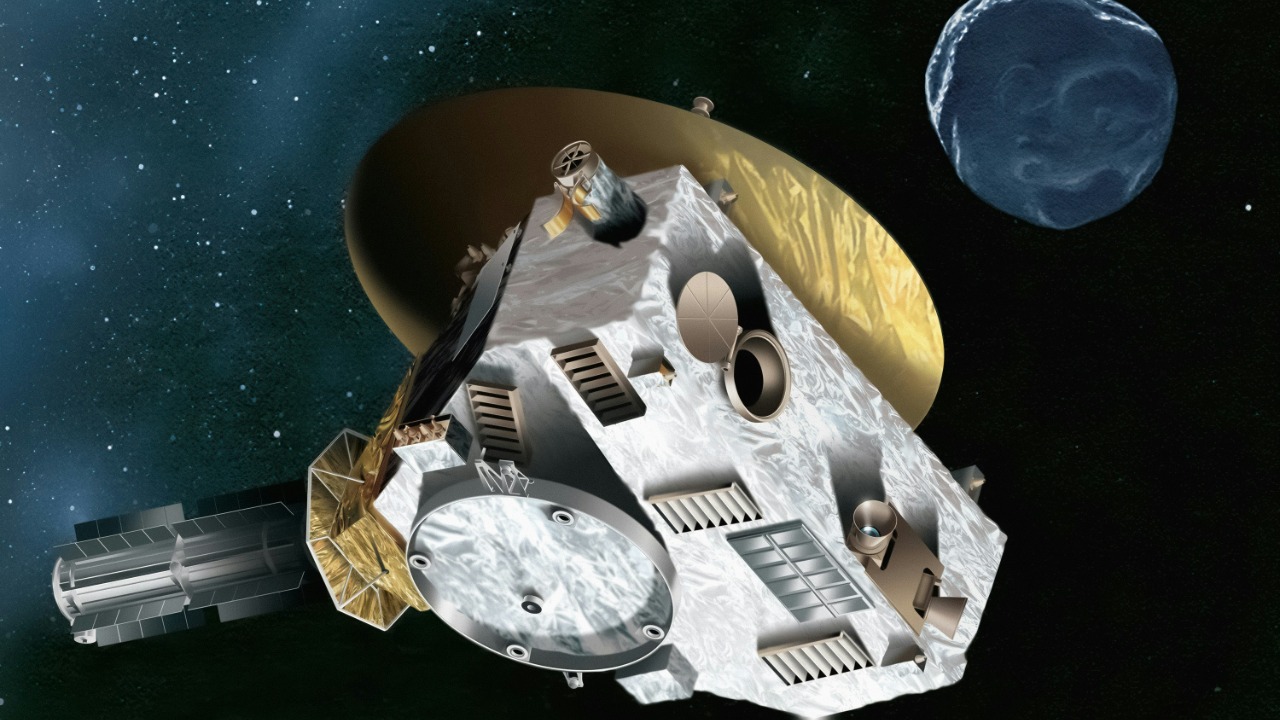
The asteroid was labeled “sneaky” due to the limitations in current radar and optical detection systems, particularly over Antarctica. Weather conditions and limited telescope coverage in the region contribute to these challenges, making it difficult to spot asteroids approaching from certain angles. Similar undetected close approaches in recent years highlight a pattern of blind spots in the Southern Hemisphere, emphasizing the need for improved monitoring (Live Science).
Future improvements could include enhanced surveys and the deployment of space-based telescopes designed to detect asteroids more effectively. These advancements aim to reduce detection lags from hours to minutes, providing astronomers with the tools needed to track near-Earth objects more reliably and protect both Earth and its orbiting satellites from potential threats.
Addressing these monitoring challenges requires not only technological advancements but also increased investment in space observation infrastructure. Governments and space agencies worldwide are recognizing the importance of funding research and development in this area. Initiatives such as the deployment of dedicated asteroid-hunting satellites and the establishment of more observatories in the Southern Hemisphere are being considered to fill existing gaps. These efforts aim to create a more comprehensive and reliable global network capable of detecting and tracking asteroids from all directions.
