As headphone use becomes increasingly prevalent in our digital age, the potential risk of hearing damage from loud volumes cannot be overlooked. Let’s delve into the science behind hearing damage, the impact of headphones on hearing, and how we can take measures to prevent harm to our hearing health.
The Science Behind Hearing Damage

Our ears are delicate and intricate systems designed to capture and interpret sounds. To understand the potential harm of loud noises, we must first understand how sound is processed in the ear. Sound waves enter the ear canal and vibrate the ear drum, which in turn vibrates the tiny bones, or ossicles, in the middle ear. These vibrations are then transferred to the fluid in the cochlea, or inner ear, where they stimulate hair cells that send electrical signals to the brain.
Decibels are the units used to measure the intensity, or loudness, of sound. The higher the decibel level, the louder the sound. However, prolonged exposure to sounds above 85 decibels can lead to irreversible damage to the inner ear. Over time, the hair cells in the cochlea can be destroyed by loud noises, leading to permanent hearing loss.
Impact of Headphones on Hearing
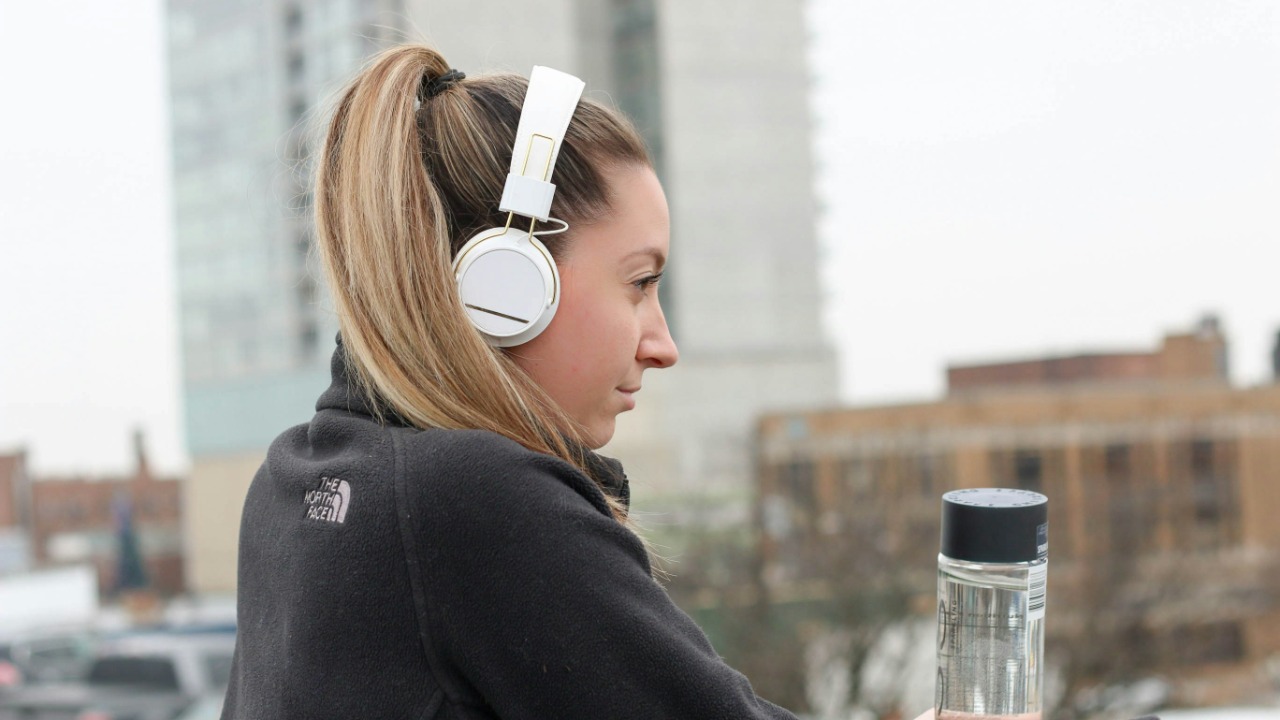
Both over-the-ear and in-ear headphones can pose significant threats to hearing health if used improperly. These devices can easily produce sound levels above 85 decibels, especially when music or other audio is played at maximum volume. There have been specific cases of individuals experiencing hearing loss or tinnitus (ringing in the ears) after exposure to loud headphone volume.
Another concern is the rising popularity of counterfeit headphones, such as Chinese-made fake AirPods. These devices often lack safety features that limit volume levels, putting users at greater risk for hearing damage. These knockoffs, while cheaper, may threaten the hearing health of unsuspecting consumers.
Prevention and Safety Measures
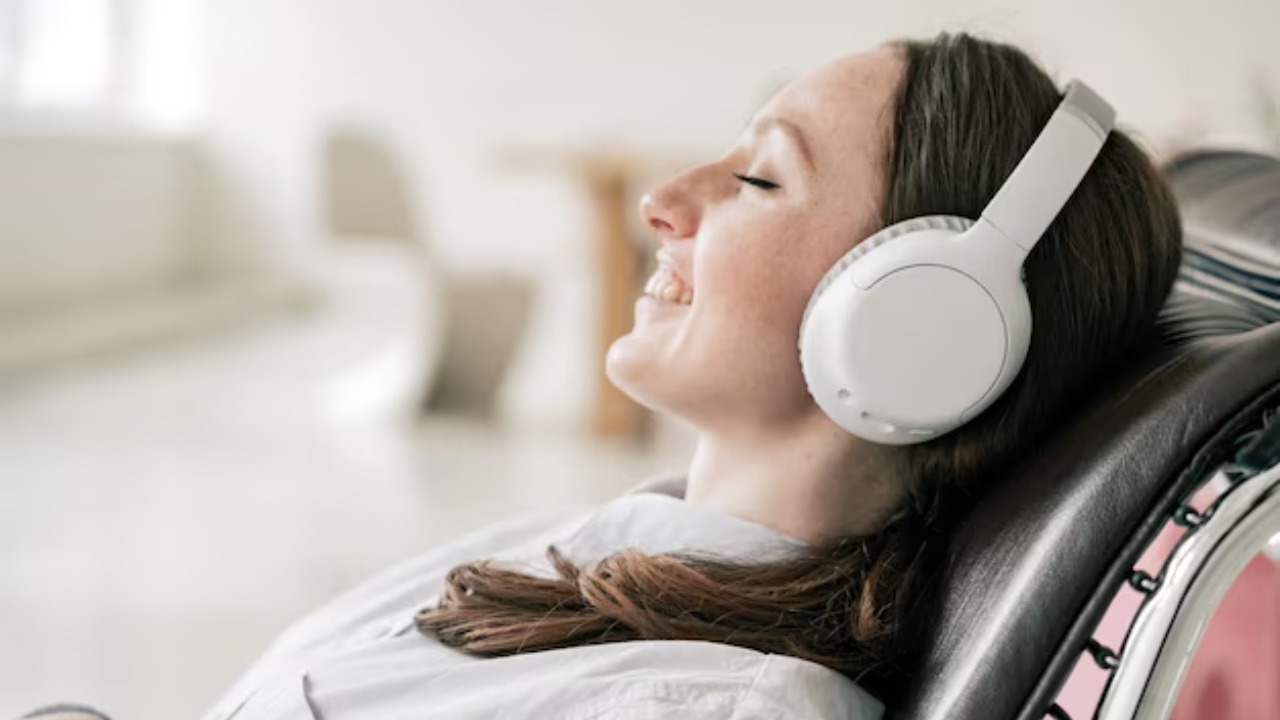
Fortunately, there are steps we can take to protect our hearing when using headphones. One simple yet effective measure is following the 60/60 rule: listening to headphones at no more than 60% of maximum volume for no more than 60 minutes a day. Additionally, noise-cancelling headphones can help by reducing the need to turn up the volume in noisy environments.
Manufacturers also have a role to play in promoting headphone safety. Many are now incorporating features that limit volume levels or alert users when they are listening at potentially harmful volumes. Technological advancements, such as those found in the new Apple AirPods Pro, are also being developed to help prevent hearing damage.
Understanding Noise-Induced Hearing Loss (NIHL)

Noise-Induced Hearing Loss (NIHL) is a condition resulting from prolonged exposure to loud sounds. Common symptoms include difficulty understanding speech, a feeling of fullness in the ears, and tinnitus. Unfortunately, many people do not realize they have NIHL until it has progressed significantly, as the condition typically develops gradually over time.
Headphones are a common contributor to NIHL, especially among young people. The prolonged and frequent exposure to loud music or other audio can slowly damage the hair cells in the inner ear, leading to permanent hearing loss. The long-term impact of NIHL can significantly affect an individual’s quality of life, making it difficult to communicate and interact with others.
Societal Implications and Awareness
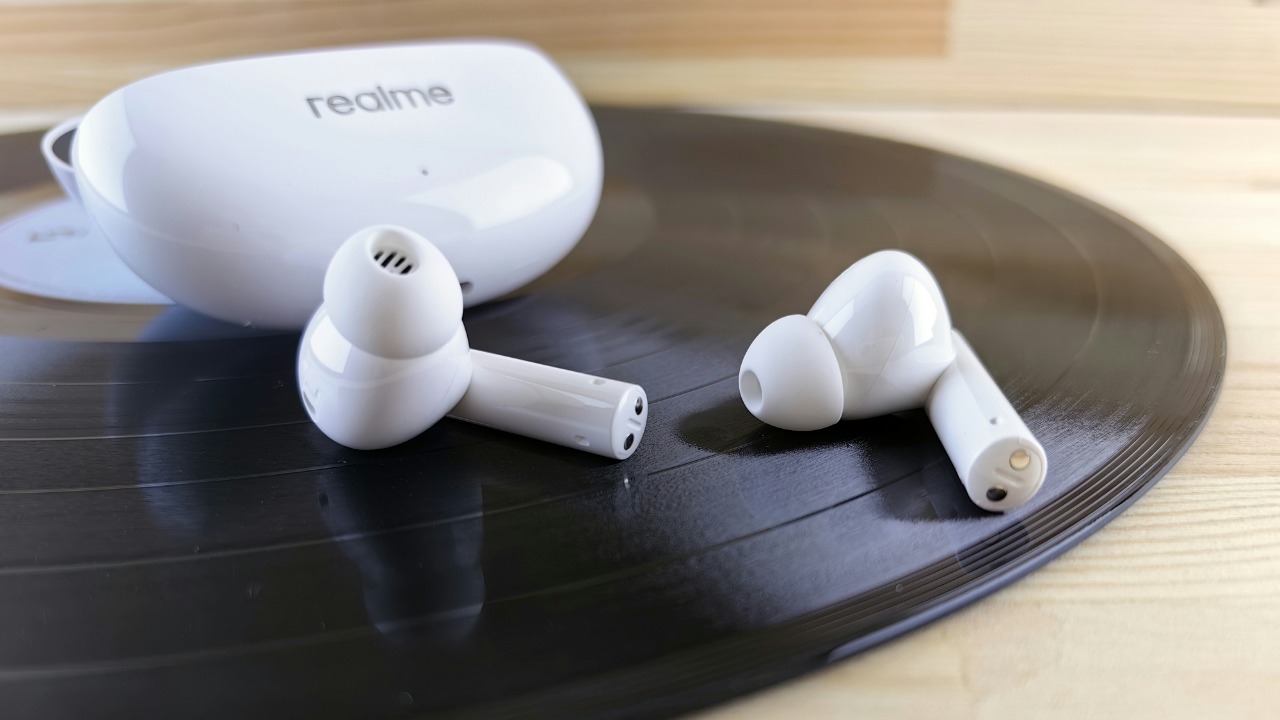
The widespread use of headphones, particularly among younger generations, has led to growing concerns about potential hearing damage. However, awareness about headphone safety remains relatively low. Many people are unaware of the risks associated with prolonged headphone use, or mistakenly believe that they are not susceptible to hearing damage.
There is a clear need for education and public health campaigns to promote safe headphone use. These efforts should aim to increase awareness about the risks of loud volumes and provide practical tips for preserving hearing health. As we continue to rely on headphones for work, leisure, and communication, it is crucial that we take steps to protect our hearing now and in the future.
For further reading, check out this academic book that delves deeper into the impact of blasting volume on hearing health.
