The recent analysis of a 10,000-year-old ice core from Greenland has unveiled fascinating insights into Earth’s climate history, providing keys that may unlock the mystery of what lies ahead for our planet’s climate.
Understanding the Significance of Ice Cores
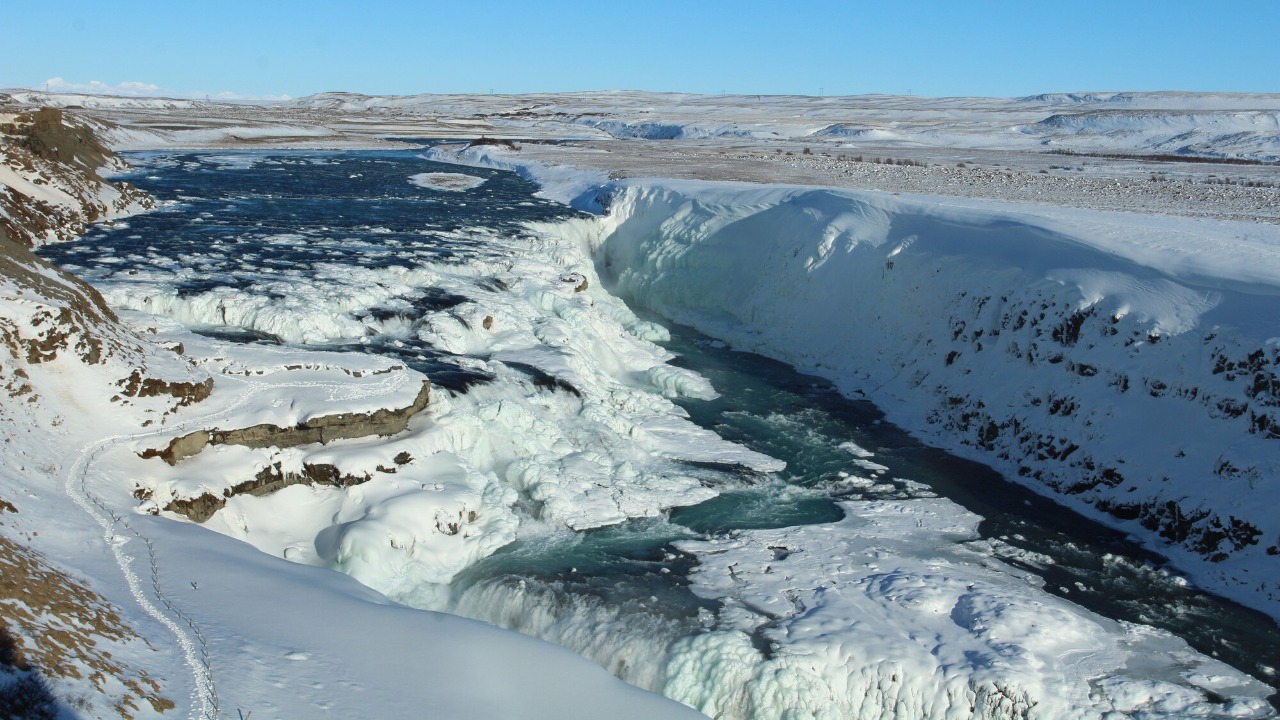
Ice cores serve as a critical tool in climate research, acting as a frozen time capsule that preserves historical climate data. Each layer of ice corresponds to a specific year or even a particular season, storing information such as temperature, precipitation, and atmospheric composition. By studying these layers, scientists can create a detailed historical record of the Earth’s climate.
Greenland’s ice cores are particularly significant, offering a unique and comprehensive record of the Northern Hemisphere’s climate. Due to its position within the Arctic Circle, Greenland’s ice contains detailed information about changes in temperature and atmospheric conditions over thousands of years. This data is invaluable in helping us understand past climate phenomena and predicting future climate patterns.
The Process of Ice Core Analysis
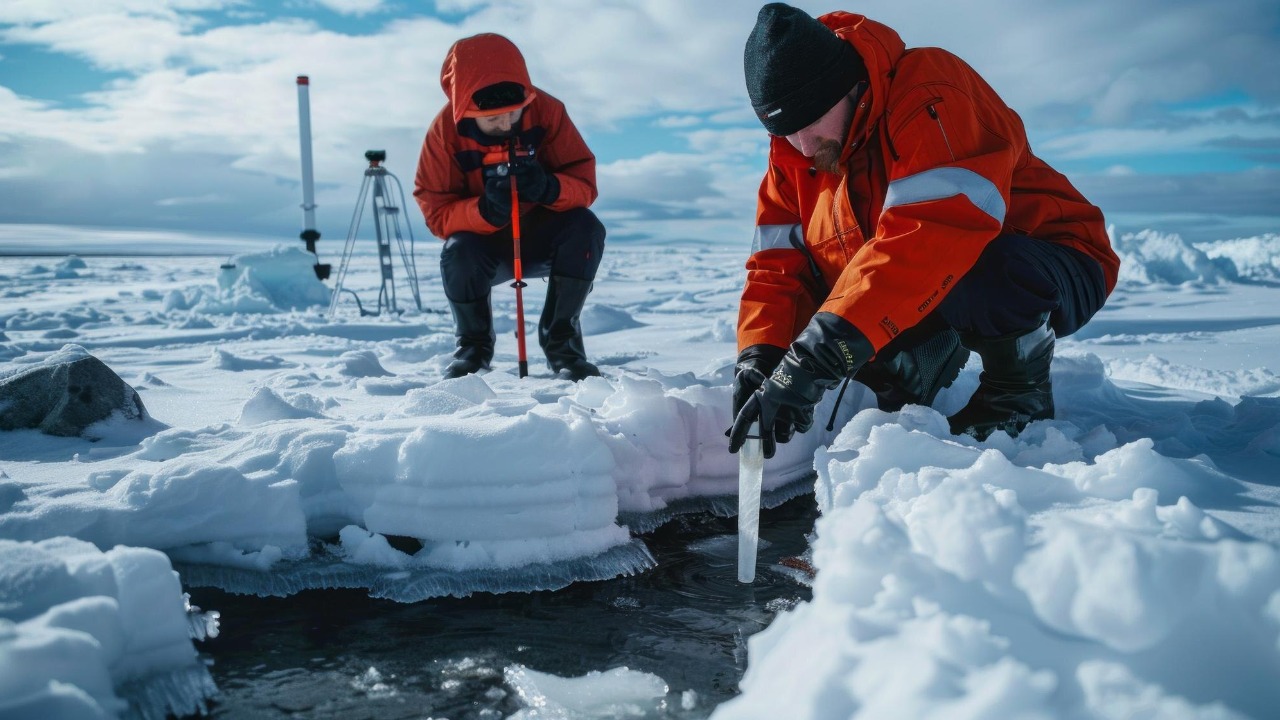
The process of obtaining and analyzing ice cores is a complex and delicate task. It involves drilling deep into ice sheets or glaciers and extracting cylindrical sections of ice. These ice cores are then carefully transported to laboratories where they are analyzed using a variety of techniques. For instance, the ratio of different isotopes of oxygen in the ice can be used to estimate past temperatures.
Scientists also examine trapped air bubbles within the ice cores to determine the historical composition of the atmosphere. By analyzing these air pockets, they can identify the concentration of greenhouse gases such as carbon dioxide and methane at different points in history, offering insights into the climate’s past and how it may respond to current changes.
Key Findings from the 10,000 Year-Old Greenland Ice Core
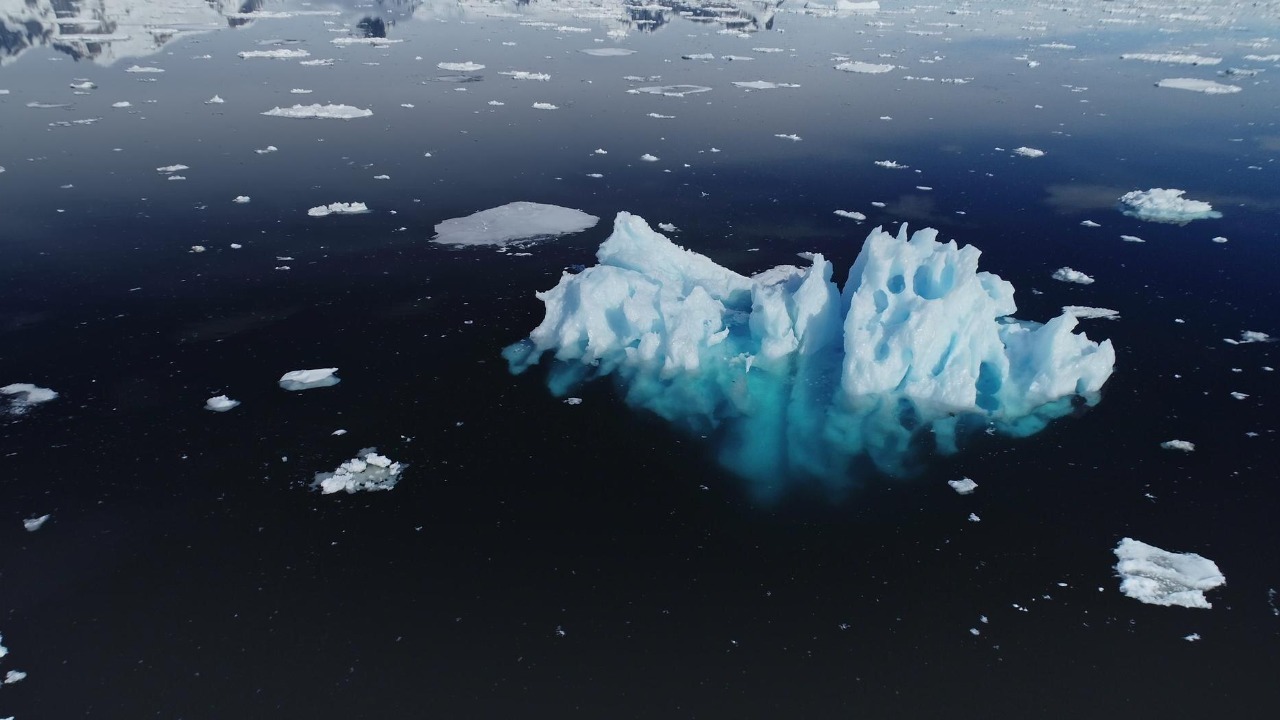
The recent analysis of the 10,000-year-old ice core from Greenland has yielded some startling revelations. It has shown significant fluctuations in temperature over the millennia, indicating periods of intense warming and cooling. This data serves as a stark reminder of the Earth’s climate’s natural variability and its potential responses to human-induced changes.
Furthermore, the ice core has provided evidence of historical atmospheric composition changes. It has shown periods of high carbon dioxide and methane concentrations, correlating with periods of increased global temperatures. This finding reinforces the role of these gases in global warming. Additionally, the ice core has offered insights into the impact of volcanic activity on the climate, revealing layers of volcanic ash corresponding to periods of cooling, possibly due to volcanic aerosols reflecting sunlight back into space.
Implications for Understanding Climate Change
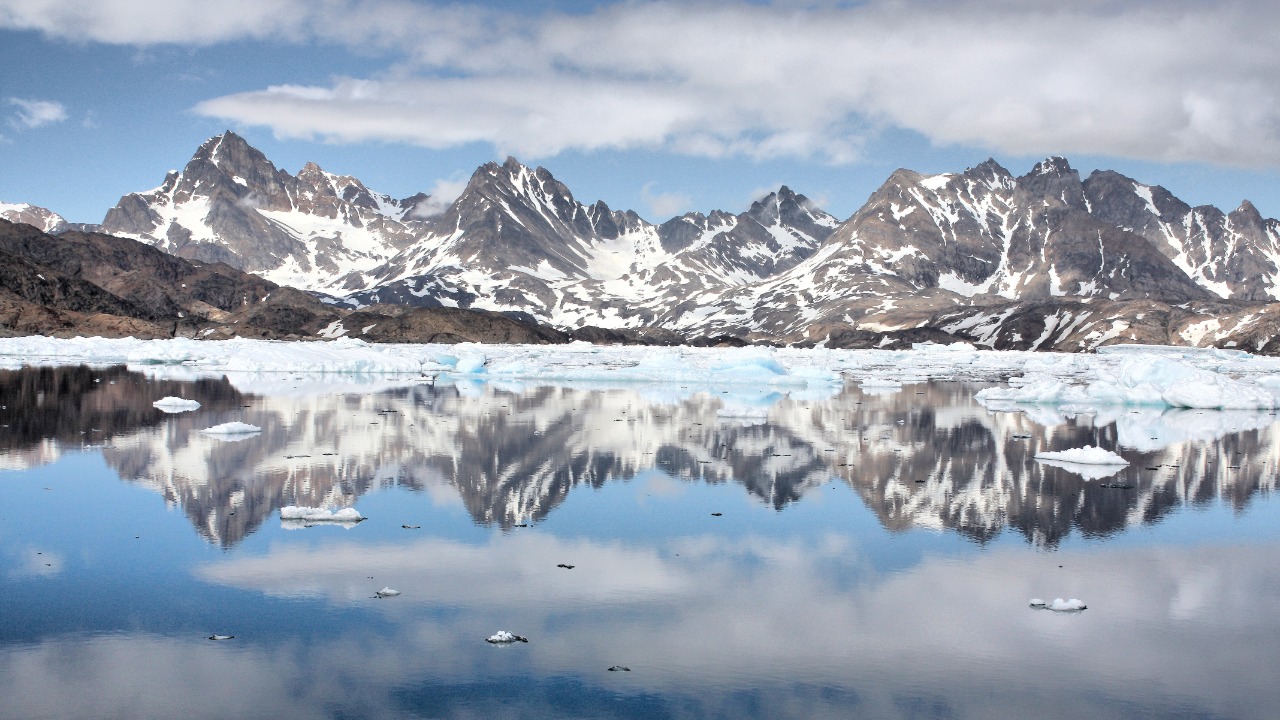
The insights gleaned from the 10,000-year-old ice core provide critical context for understanding current climate change trends. By comparing historical temperature and atmospheric data from the ice core with current conditions, researchers can better understand how the climate is changing and why. This information is invaluable in refining climate models and predictions.
Moreover, the new data gleaned from the ice core could significantly impact climate change predictions. For instance, evidence of past rapid warming could suggest the potential for similarly swift changes in response to current greenhouse gas emissions. This information underscores the need for urgent action to mitigate climate change.
Future of Climate Research and Ice Core Studies
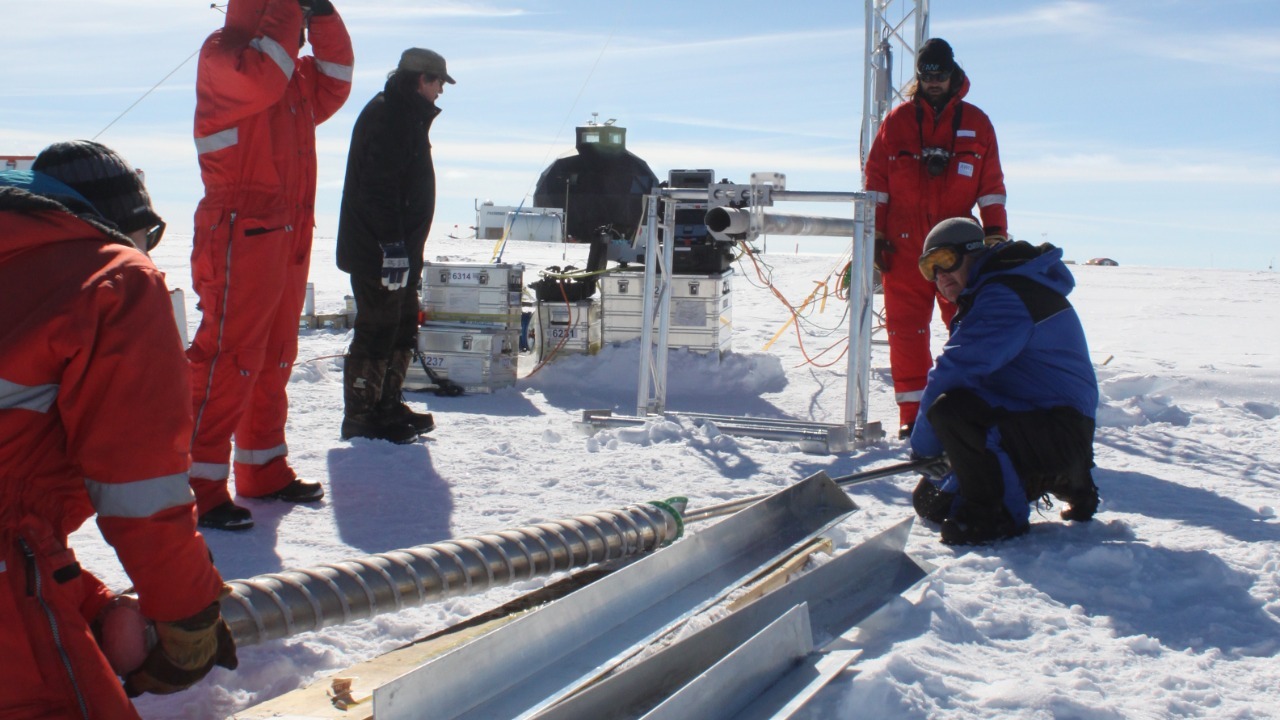
Ice core studies and climate research are rapidly evolving fields, with ongoing and future projects looking to delve even deeper into our planet’s climatic past. For example, scientists are now attempting to extract ice cores dating back over a million years in Antarctica, which could provide further insights into Earth’s climate history.
Advancements in technology are also set to improve our understanding of climate history from ice cores. New techniques for analyzing ice cores, as well as improvements in drilling technology, promise to reveal even more detailed information about our planet’s past climate. As our understanding grows, so too does our ability to forecast and prepare for future climate scenarios. The revelations from the 10,000-year-old Greenland ice core remind us of the importance of this research and underscore the urgency of addressing climate change.
