Gravity, a fundamental force of nature, typically behaves in a predictable manner. Yet, intriguing anomalies have been discovered in gravity’s behavior near deep ocean trenches. This exploration of these peculiar gravitational phenomena reveals their potential implications.
The Science of Gravity

Gravity is one of the four fundamental forces of nature, playing a crucial role in the structure and behavior of the universe. Sir Isaac Newton’s law of universal gravitation laid the groundwork for our understanding, asserting that every mass exerts an attractive force on every other mass. Later, Albert Einstein’s theory of general relativity provided a deeper understanding, describing gravity as the warping of space-time by mass. Together, these theories offer a comprehensive view of how gravity operates on both cosmic and terrestrial scales.
On Earth, gravity is vital for various geophysical processes. It influences oceanic currents, atmospheric dynamics, and even the stability of the Earth’s crust. The force of gravity is not uniform across the planet; it varies based on location and the distribution of mass. These gravity variations are influenced by factors such as altitude, geological structures, and tectonic activity, leading to subtle differences that scientists can measure with precision.
Anomalous Gravity Near Trenches

Recent studies have identified gravitational anomalies in the vicinity of oceanic trenches, regions where tectonic plates converge and descend into the Earth’s mantle. These anomalies present a challenge to our current understanding of gravitational behavior. For instance, research conducted near the Mariana Trench has revealed unexpected variations in gravitational strength. These findings suggest that the extreme depths and unique geological features of ocean trenches contribute to these anomalies.
Several theories have been proposed to explain these anomalies. One possibility is the redistribution of mass due to tectonic processes, such as the subduction of one tectonic plate beneath another. Additionally, variations in the density of rock and sediment layers could play a role. Understanding these gravitational variations is crucial, as they may shed light on the complex dynamics at play beneath the ocean floor.
Research Methods and Tools
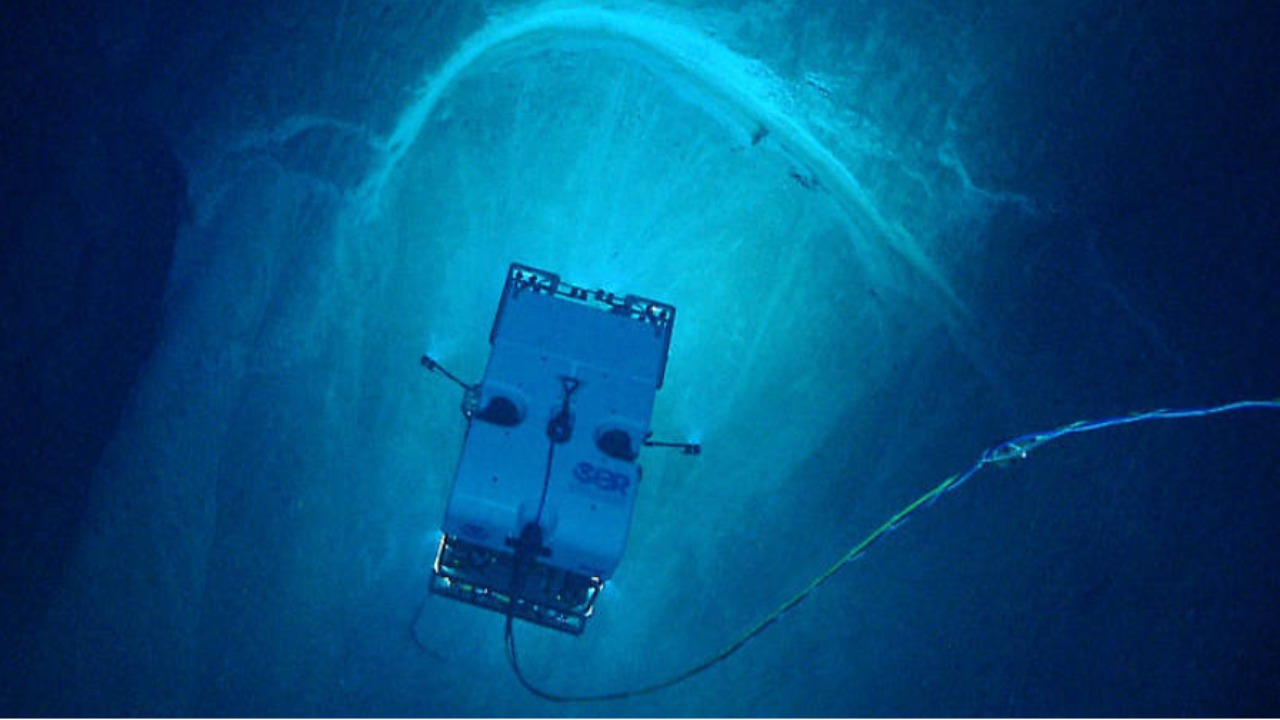
Studying gravitational anomalies, especially in deep-sea environments, requires sophisticated technology and methodologies. Researchers employ a range of tools, from satellite-based measurements to shipborne gravimeters. One notable contribution is the GRACE satellite mission, which has provided valuable data on gravity variations across the globe. By measuring changes in the Earth’s gravitational field, GRACE has enhanced our understanding of mass distribution and its impact on gravity.
However, measuring and interpreting data in deep-sea environments poses significant challenges. The harsh conditions and vast depths make it difficult to obtain accurate measurements. Despite these obstacles, advances in technology continue to improve our ability to study gravitational anomalies. Insights from missions like GRACE are complemented by ground-based observations, offering a more comprehensive picture of the forces shaping our planet.
Implications for Earth Science
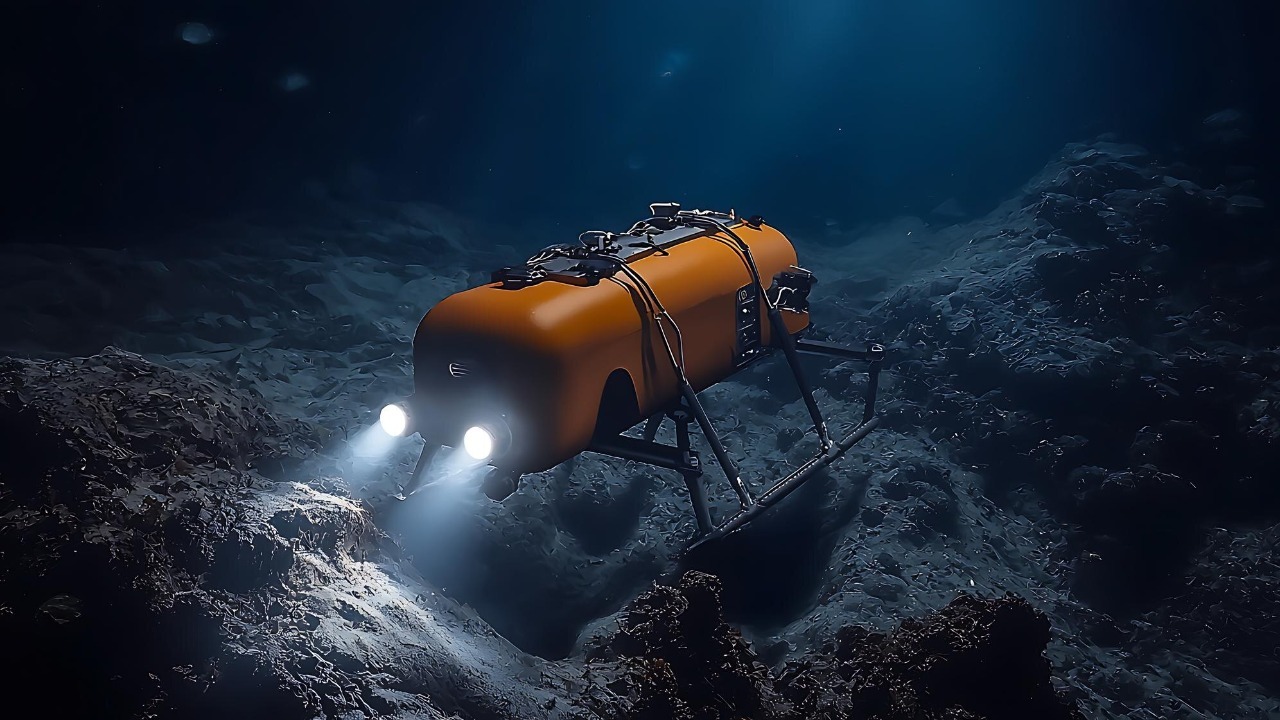
The discovery of gravitational anomalies near ocean trenches has significant implications for Earth science. These anomalies can provide valuable information about the processes driving plate tectonics and the dynamics of oceanic systems. By understanding how gravity varies in these regions, scientists can gain insights into the forces that trigger earthquakes and volcanic activity.
Moreover, these studies have the potential to improve earthquake prediction models and risk assessments. By analyzing gravitational data, researchers can identify patterns and anomalies that may precede seismic events. Additionally, understanding gravitational variations can inform climate change research and sea-level rise monitoring, as shifts in mass distribution can impact ocean circulation and global climate patterns.
Future Directions in Research
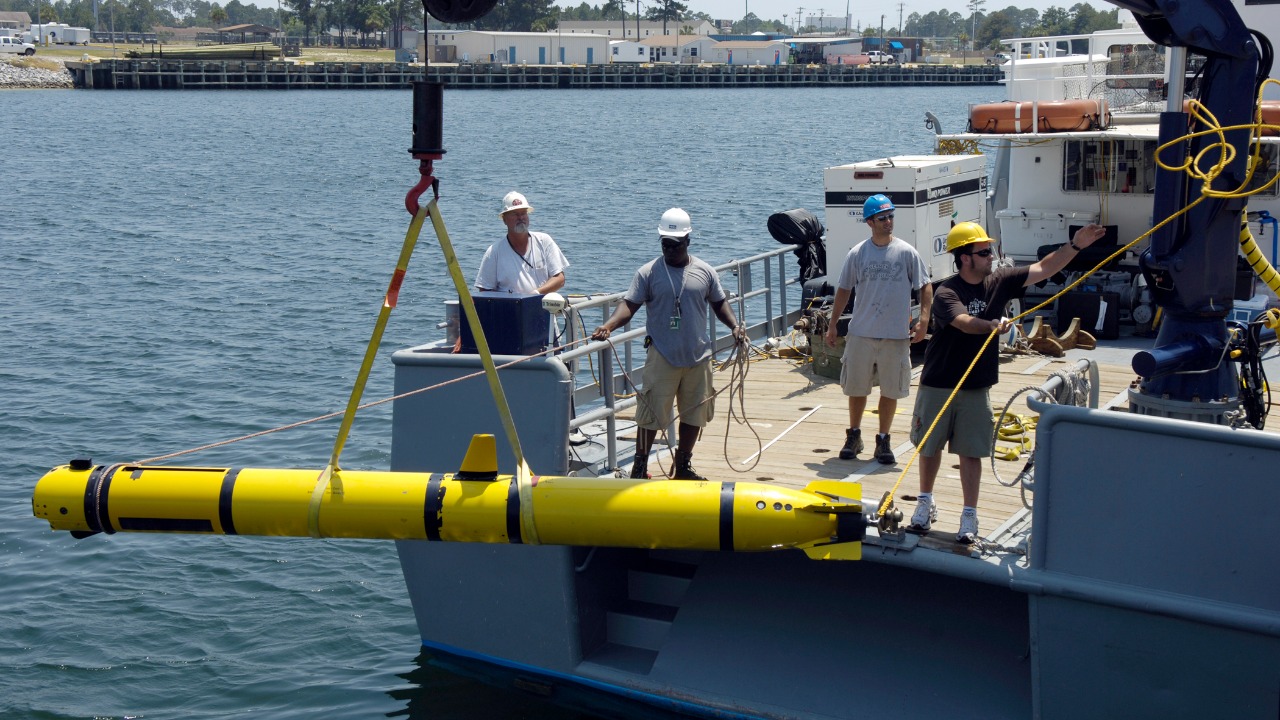
As technology continues to advance, new opportunities emerge for exploring gravitational anomalies in greater detail. Emerging technologies, such as more sensitive gravimeters and advanced satellite missions, promise to enhance our understanding of these phenomena. Collaborative international research efforts are essential, as they bring together expertise from various fields to tackle complex geophysical challenges.
Future explorations of deep ocean trenches may lead to new discoveries, revealing previously unknown aspects of the Earth’s gravitational field. These investigations could have far-reaching implications, contributing to our understanding of not only plate tectonics but also broader climate and environmental processes. As we continue to explore the depths of our planet, the mysteries of gravity offer a fascinating window into the forces that shape our world.
