Recent discoveries of rogue granite blocks within the Great Pyramid of Giza have sparked intrigue and speculation among archaeologists and historians. These unexpected findings may hold the key to understanding ancient construction techniques and the true genius of Egyptian engineering.
The Enigma of the Granite Blocks
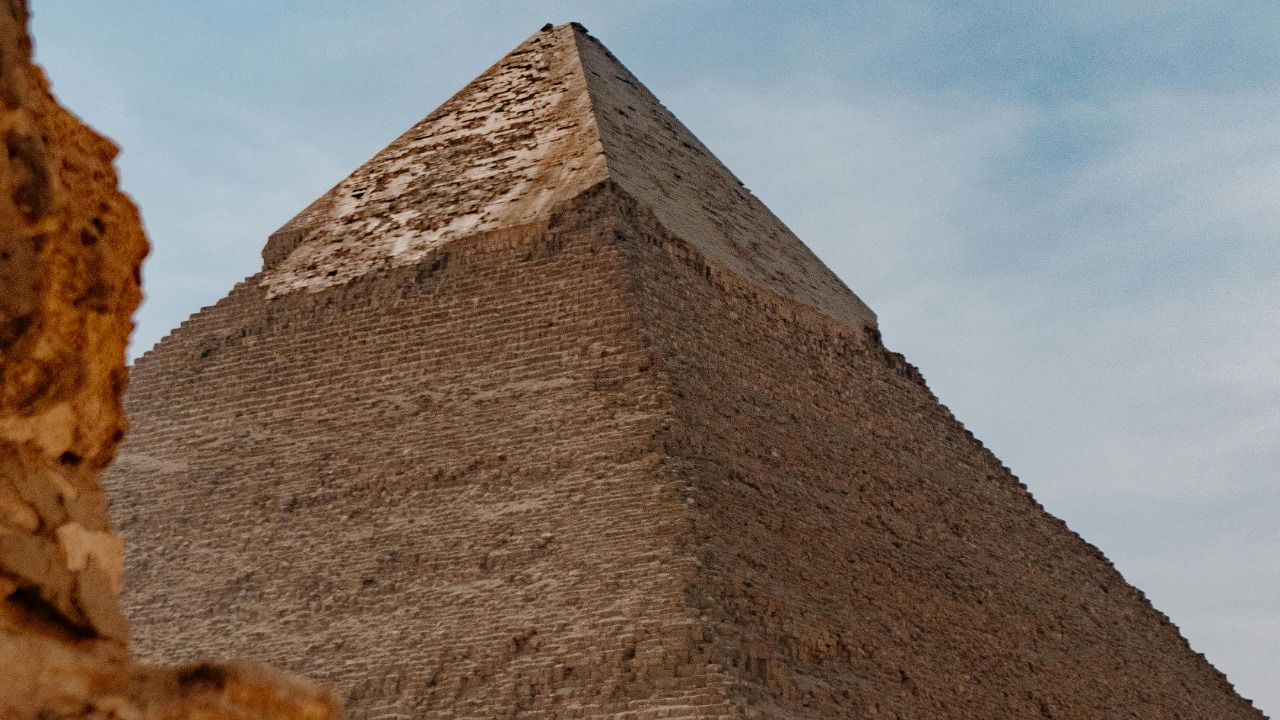
The Great Pyramid of Giza, one of the most iconic structures in human history, has long fascinated scholars for its architectural prowess and mysterious origins. Traditionally thought to be constructed primarily of limestone, the pyramid’s precise construction methods have been a topic of debate. However, the recent discovery of granite blocks within its structure adds a new layer of complexity to our understanding. These blocks were not only unexpected but also found in locations not previously associated with the known architectural plan of the pyramid.
The discovery was made using advanced scanning technologies that have allowed researchers to peer inside the pyramid’s structure without causing damage. Initial reactions from experts have ranged from surprise to skepticism, with many questioning the purpose and placement of these granite blocks. Granite, being much harder and more durable than limestone, suggests the possibility of previously unknown construction techniques or purposes. For more details on the discovery, you can watch this video.
Construction Techniques of the Ancient Egyptians

Traditionally, the construction of the Great Pyramid has been attributed to the use of limestone, which was readily available in the local quarries of Giza. Theories about its construction have included complex ramp systems and the harnessing of massive labor forces. However, these explanations have often raised more questions than answers, especially considering the precision and scale of the work involved. The presence of granite blocks, typically sourced from quarries far to the south in Aswan, challenges these conventional theories.
Some scholars have proposed alternative methods, suggesting that the ancient Egyptians may have had access to advanced tools or lost technologies that enabled them to work with such durable materials. One intriguing theory is the geopolymer hypothesis, which posits that the Egyptians might have used a form of synthetic stone, essentially creating an early form of concrete. This hypothesis suggests that the pyramid’s builders could have cast blocks directly on-site, offering a new perspective on how such massive structures could have been constructed with the limited technology of the time.
Implications of the Discovery

The integration of granite blocks within the Great Pyramid could significantly alter our understanding of its internal design and structural integrity. Granite’s presence might indicate areas of the pyramid that required additional strength or were intended for specific functional or symbolic purposes. The implications for the pyramid’s architecture are profound, potentially revealing a more complex internal structure than previously thought.
Beyond structural considerations, the use of granite may also carry symbolic meanings. Granite was often associated with strength and eternity in ancient Egyptian culture, suggesting that its use could have been intended to convey spiritual or religious significance. This discovery opens new avenues for interpreting the cultural and religious motivations behind the pyramid’s construction. For more insights into the historical context, you can explore this comprehensive analysis.
Comparative Analysis with Other Ancient Structures
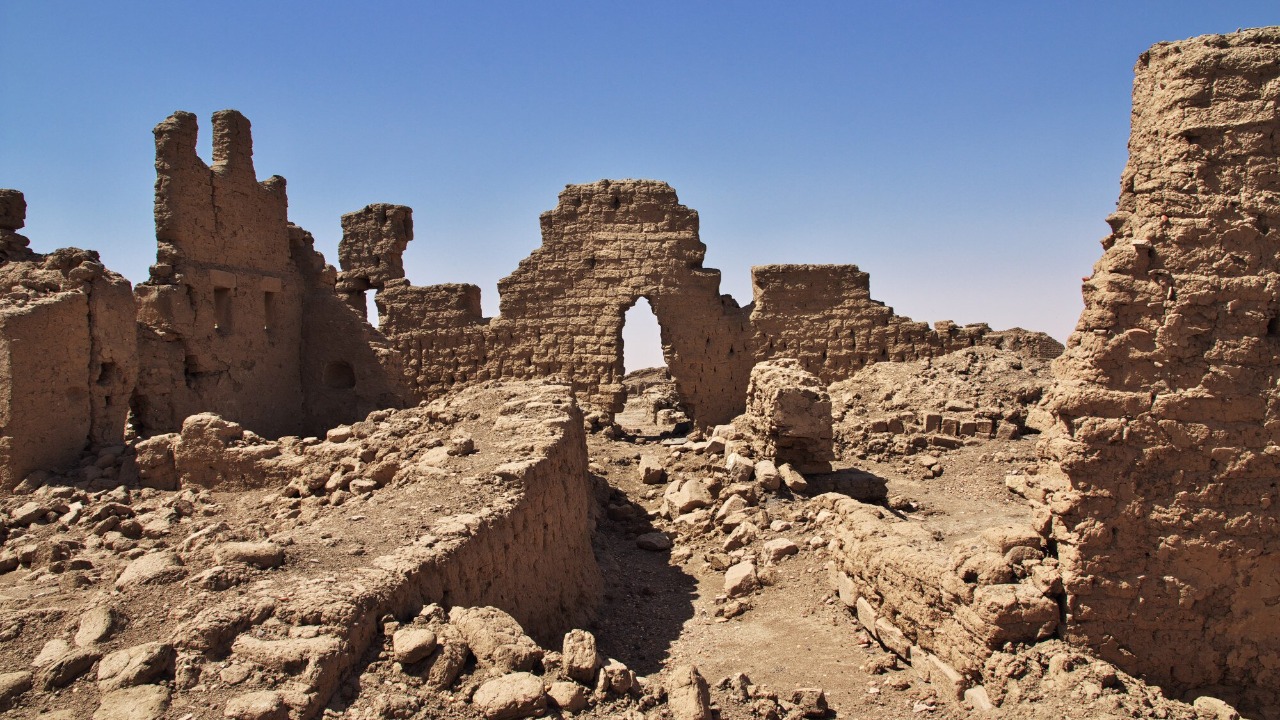
The engineering achievements of the Great Pyramid can be compared to other ancient structures, such as Stonehenge. Both monuments reflect a deep understanding of architectural principles and the manipulation of massive stones. Recent findings suggest that Neolithic engineers possessed sophisticated knowledge of construction and science, paralleling the skills demonstrated in Egypt.
When examining other pyramids, such as those at Saqqara and Dahshur, we see variations in material use and construction techniques. These comparisons provide valuable context for understanding the evolution of pyramid building in ancient Egypt. The introduction of granite in the Great Pyramid might suggest an experimental phase in construction techniques, reflecting a broader trend of innovation during the period.
The Future of Archaeological Exploration

Modern technology plays a crucial role in uncovering the hidden aspects of ancient constructions. Advanced scanning techniques, such as muon radiography and 3D imaging, have allowed archaeologists to explore the Great Pyramid without invasive methods. These technologies are critical for preserving the integrity of the site while providing new insights into its construction.
Preservation efforts remain a priority as researchers continue their investigations. Balancing the need for exploration with the imperative to protect these ancient monuments is a constant challenge. However, the potential for future discoveries remains vast, and ongoing exploration is essential to fully understand the engineering marvels of the ancient world. For a deeper dive into these subjects, this video offers an engaging overview.
